Shoshone rethinking budget cuts
JOSH McDONALD | Hagadone News Network | UPDATED 8 months, 1 week AGO
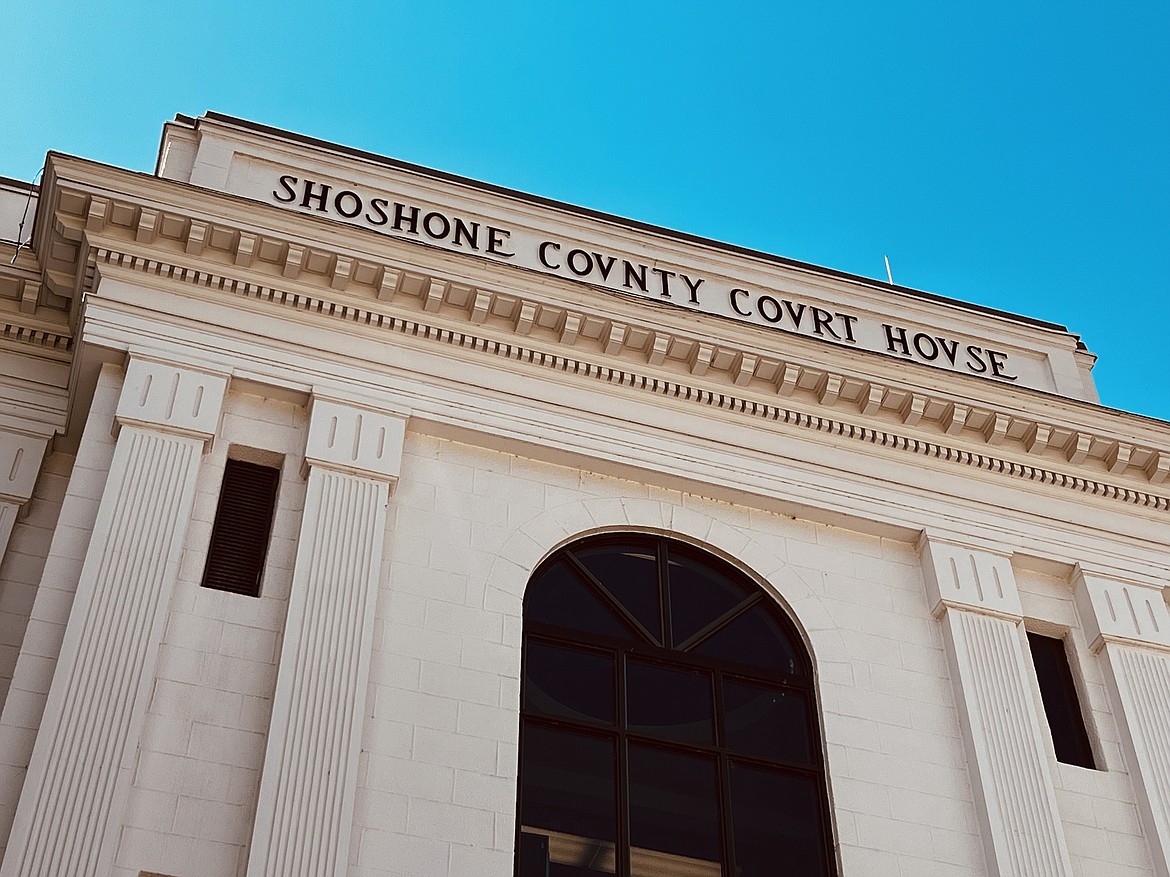
Shoshone County Courthouse
Photo by JOSH McDONALD
WALLACE — Shoshone County commissioners are considering restoring a portion of the $1.6 million that Public Works Director Jessica Stutzke slashed from the county's roads budget in early August. Some of that money pays for staffing, vehicle and heavy-machinery maintenance, fuel and equipment leases.
The cuts resulted from the loss of Secure Rural Schools funding, declining state revenues and the inability to offset those losses through taxes from the county's annual levy. On Dec.16, she met with county commissioners to discuss the matter.
“It’s nice to finally have a really exciting thing to talk about at this table,” Stutzke told commissioners.
On Dec. 18, President Donald Trump signed the Secure Rural Schools Reauthorization Act of 2025. Idaho Sen. Mike Crapo introduced the bill in February.
The legislation restores Secure Rural Schools payments for fiscal years 2024 and 2025 and authorizes funding for 2026 for counties with large amounts of untaxed federal forest land.
SRS provides a financial lifeline to rural counties by replacing lost property tax revenue and funding essential services such as schools, road maintenance and emergency response.
For FY25, Shoshone County will receive $2.8 million, Stutzke said. Three local school districts will share roughly $1.3 million, with the remaining funds going to the roads budget. The county will also receive about $800,000 in back pay from FY24.
Stutzke said she was relieved to hear of the bill’s passage, emphasizing its importance for small, rural counties.
“SRS is massive for us; it’s massive for Idaho counties,” she said. “But for some of the other counties, like Kootenai, that are larger, they see a little bit of a shift. But it’s nothing as catastrophic as it is for us when we lose it.”
As part of her cuts, Stutzke reduced her field staff by nine positions and eliminated one office job. The plan moving forward was to use temporary employees during busy seasons, offering decent wages but no benefits.
With the expected infusion of funds, Stutzke hopes to bring back some full-time positions.
ARTICLES BY JOSH MCDONALD
Wet weather could help contain Dudley Fire
Wet weather could help contain Dudley Fire