
Rising funeral costs put financial strain on families across the U.S.
Lettecha Johnson | Daily Inter-Lake | UPDATED 3 months AGO
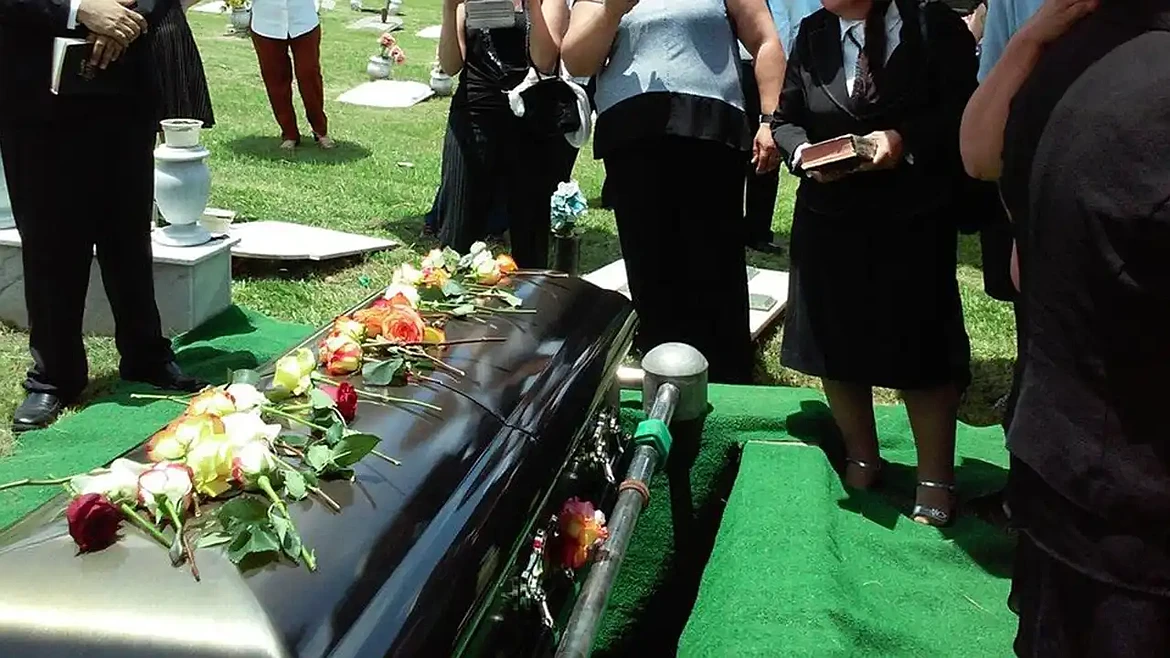
Funeral expenses' impact on families can linger long after the burial. More people are relying on borrowed funds like credit or crowdsourcing through GoFundMe to cover rising funeral costs that have increased by 5.8% between 2021 and 2023, per the National Funeral Directors Association. Industry labor shortages, supply chain issues, and shifting consumer preferences for cremation have contributed to more expensive funerals.
According to Western & Southern Financial Group, as many as 49% of Americans don't have life insurance, which is causing them to miss out on a valuable safety net that can cover these expenses. Life insurance payouts can also provide an additional financial cushion for dependents. Life insurance as part of estate planning, alternative end-of-life services, remote viewing technology inspired by COVID's social distancing, and buying plots early are some ways to mitigate the high-cost of funerals.
This article dives into how excessive funeral expenses impact families and steps they can take to prevent these issues.
How Much Does the Average Funeral Cost?
The median cost for a traditional burial is about $8,300. A large element of the funeral financial burden is the casket. According to the Federal Trade Commission, the average casket may cost over $2,000, but the price may rise to $10,000 for a copper or bronze one. However, a cremation service costs about $6,300.
Of course, the casket is only part of the service. Other elements to consider include the:
- Embalming
- Service car/van
- Body preparation
- Memorial
- Hearse
- Headstone
- Memorial Service printing
- Cemetery plot
What Are Reasons for Rising Funeral Costs?
Inflation isn't isolated to the cost of groceries or clothing, but also the cost of proper burials. The materials for a desired casket or headstone may not be available locally. Therefore, it may involve extensive transport and labor fees.
Private equity firms have also gotten into the funeral business. Service Corporation International (SCI) has acquired several funeral homes in the United States and Canada. A joint report from the Funeral Consumers Alliance (FCA) and Consumer Federation of America (CFA) concluded that funeral costs were 47% to 72 % higher at the SCI funeral homes than at other homes.
Your location also matters. According to the NFDA, an adult funeral with viewing and burial ceremony averages $7,390 in Arizona, Utah, and Idaho, but may cost around $8,985 in Connecticut, Massachusetts, Vermont, and New Hampshire. A burial in an area with limited space, such as urban environments, helps drive up costs.
The Impact on Families
The financial burden of funerals or cremation costs can be detrimental to any family without a financial safety net like life insurance. It's gotten to the point where the term "funeral poverty" is used. Therefore, some families are using credit cards and personal loans they can't really afford, putting them in high-interest debt.
Plus, the emotional distress from mourning can be magnified when a lack of financial options forces families to settle for a service that may go against cultural or personal preferences. In other words, a simple cremation may be the only option when they would have preferred a full burial service with a headstone. Several families are using crowdsourcing sites like GoFundMe to ease the financial burden.
How Can I Reduce My Future Funeral Expenses?
When considering affordable funeral options, cremation may top the list. However, eco-friendly individuals are returning to the ancient practice of green burials, which forgo:
- Embalming
- Metal caskets
- Concrete vaults
This type of service involves using biodegradable wood containers or other shrouds that allow a body to naturally decay into the earth. According to Britannica Money, this option can average $2,600.
However, people can reduce the likelihood of paying out of pocket, thanks to funeral expenses coverage from life insurance. Life insurance is a tax-free payout given to your beneficiaries from a policy that you pay a monthly premium for. You can opt for temporary term life insurance or permanent options, such as whole and universal packages.
Frequently Asked Questions
Is It Cheaper to Be Buried In a Mausoleum or in the Ground?
The answer depends on the type of mausoleum you're considering. With a community mausoleum, you don't have to pay for a burial vault or foundation required for in-ground burials, making them a potentially cheaper option.
However, if you opt for a private mausoleum, it's more expensive than a community one and may cost thousands to millions of dollars more than a regular grave. Expect to pay $4000 to $8000 for a space in a community mausoleum crypt.
What Happens to a Body If No One Can Pay for a Funeral?
When loved ones can't pay for a funeral, the responsibility goes to the county or state. Officials will hold a simple "indigent burial" or cremation after following a step-by-step process to see if the family can handle it.
They'll initially hold the body at a funeral home or morgue while trying to find the family or see if a known family member can come up with funds. If there is no claim or funds available by the family, the body is released to the county/ state for basic end-of-life services.
The holding time for an unclaimed body varies based on the state. Maryland will hold a body for 72 hours, while Washington, D.C., does so for up to a month.
What Are the Disadvantages of Cremation?
Cremation is a cost-effective end-of-life service for those who find traditional casket burials too expensive. Because of the portability of the remains, there's more flexibility for memorial services.
However, families may find a lack of closure due to not having a designated site to visit deceased loved ones. It can also have an emotional impact, as some people don't like the idea of burning a loved one's body. Unless the urn is entombed for easier visitation, the ashes are usually in the hands of one particular household.
Insure Your Funeral Today
The average funeral costs are becoming increasingly overwhelming for those without financial security. With average fees reaching into the thousands, many people are choosing to honor deceased loved ones by putting themselves in additional debt. However, with estate planning, such as life insurance or opting for cheaper funeral industry trends like green burials, more people can mitigate financial burdens.
We hope this article sheds light on the costs families take on to bury loved ones.
This article was prepared by an independent contributor and helps us continue to deliver quality news and information.