
Bill to protect seniors’ roommate options considered in Olympia
JOEL MARTIN | Hagadone News Network | UPDATED 1 year, 8 months AGO
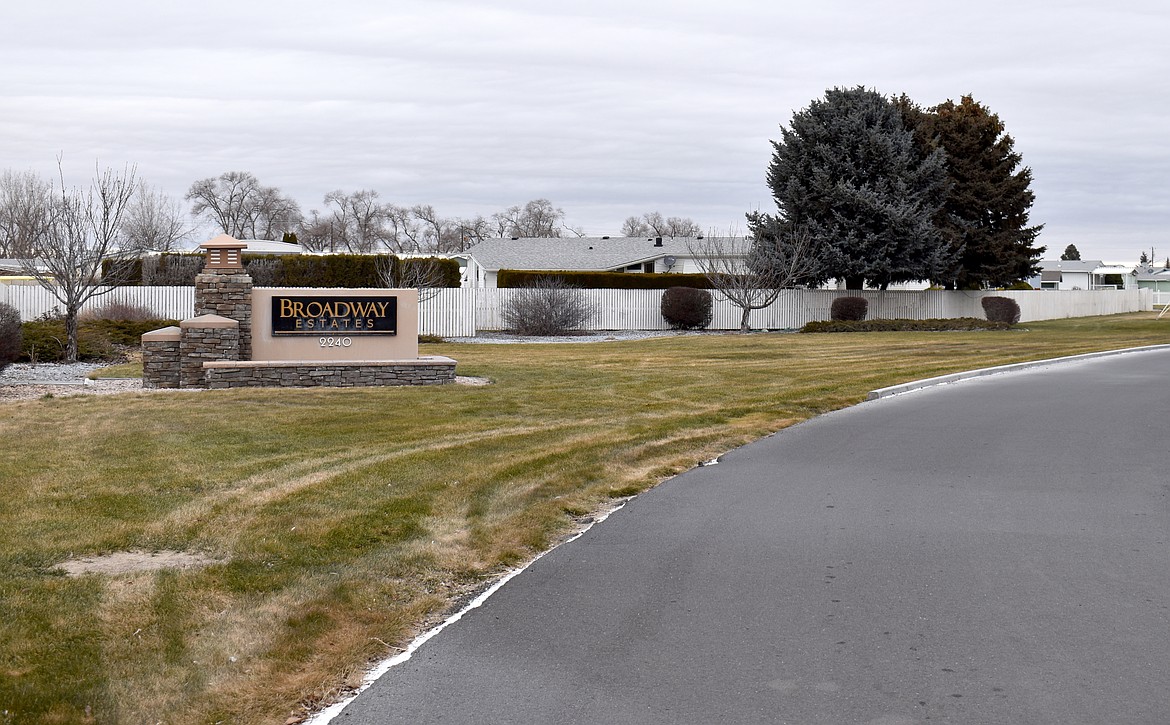
A bill before the Washington Legislature would allow residents of senior manufactured home communities to share their homes with roommates.
JOEL MARTIN/COLUMBIA BASIN HERALD
Joel Martin has been with the Columbia Basin Herald for more than 25 years in a variety of roles and is the most-tenured employee in the building. Martin is a married father of eight and enjoys spending time with his children and his wife, Christina. He is passionate about the paper’s mission of informing the people of the Columbia Basin because he knows it is important to record the history of the communities the publication serves. | February 7, 2025 1:00 AM
OLYMPIA — The Washington State Legislature took a step last week toward making senior housing costs more stable.
House Bill 1204, which passed the House Housing Committee Jan. 30, would allow residents of senior mobile and manufactured home communities to have at least one roommate, as long as that roommate also meets the age requirements of the park.
“It’s a national problem with mobile homes, especially senior mobile home communities, that the properties are being purchased, and in some instances, there has been a lack of maintenance and upgrades in the communities,” said State Rep. Carolyn Eslick, R-Sultan, who introduced the bill. “And that new person or corporation starts doing all the work, and then they start increasing the land leases.”
It’s fairly standard for a tenant in a senior manufactured home park to sign an agreement that they won’t have anyone living in the home with them except a caregiver, Eslick said. But when the lot rent increases, a senior homeowner is often left with a home they can’t afford to keep.
“In the past, it’s always been a good place for retirement,” Eslick said. “If you’re on Social Security, you could live in a mobile home park and survive for your term. Well, because they can raise that lease, they are raising it to the point where the homeowner now cannot afford to live and pay for their utilities and the land lease that has been implemented.
“My friend had barely enough money to buy her mobile home a year ago when she bought it in a park in Everett,” Eslick said. “It started off at $700 and she could make that. And then within six months, it went up to $900. January one, it’s at $1,400. That is her Social Security check.”
Washington has no limit to how much rent can be increased, according to WashingtonLawHelp.org, which means that a manufactured home park owner can charge pretty much whatever it wants to, as long as it gives notice to the tenants. That may be difficult enough for, say, apartment dwellers, but owners of manufactured homes don’t have the option of just packing their furniture and moving elsewhere. According to moving.com, it can cost as much as $14,000 to move a manufactured home from one property to another, assuming the home is even in movable condition.
“In four years, these corporations can quadruple their money, because now the land lease warrants the increase in the value of the property,” Eslick said. “It’s squeezing out the senior citizens, because they can’t move their mobile home. If they get behind on those leases, they’re done. They have to move, and they could be homeless.”
Allowing roommates could allow the resident to defray some of those costs, Eslick said. The homeowner could rent a room to another senior in exchange for money, or for groceries or housework or whatever is needed.
“We could do this for the seniors, to help them be able to increase their income,” Eslick said. “It’s twofold: They increase their income so they can keep up with their land lease, but also, it’s a social thing for them. They now have somebody living with them, and people live longer when there’s more relationship building.”
ARTICLES BY JOEL MARTIN

Endless battle
Noxious Weed Control Board works to keep invasive plants under control
MOSES LAKE — Some of the nastiest plants in Grant County were the topic of a class led by Jay Johnson, a consultant with the Grant County Noxious Weed Control Board, Tuesday. The Noxious Weed Control Board, as its name would suggest, is tasked with keeping weeds under control in Grant County. That’s not a small job; the board’s website lists 129 species of noxious weeds that are found around Grant County. A noxious weed is defined as an invasive, non-native plant that threatens agricultural crops, local ecosystems or fish and wildlife habitat, according to the Noxious Weed Control Board. Washington state law requires that these weeds be identified and their spread kept to a minimum, if not completely eradicated. “We’re one of those agencies a lot of people don’t really understand,” Johnson said. “We’re a county office and … our funding is tax-based assessment. When you get your tax bill and you look down at all the expenses that you pay for, there we are.”

BASIN EVENTS: Oct. 16-24
COLUMBIA BASIN — Whether you feel like shopping, crafting, learning or seeing a show, there’s something happening for you this week in the Basin. Oct. 16 ‘My Family (Mi Familia)’ screening Spanning three generations, “My Family (Mi Familia)” is a heartfelt drama that follows the Sánchez family as they build their lives in East Los Angeles. Through love, hardship, triumph, and sacrifice, the film explores the immigrant experience, the strength of family bonds, and the traditions that connect one generation to the next. Lowrider show and taco truck before the screening. Sponsored by Columbia Basin Allied Arts, EDUBS C/S and the Moses Lake Creative District. $12 per person. Doors open at 6 p.m., film begins at 7 p.m. at the Moses Lake Civic Center Auditorium, 401 S. Balsam St. Tickets and info: www.cba-arts.org.

Moses Lake author encourages women to look beyond church culture norms
MOSES LAKE — A Moses Lake author’s book, “A Christian Woman Striving to Live Her Faith in a Man-Controlled World,” takes aim at the role to which many churches relegate the female half of their congregations. “It’s to encourage women in the faith,” Linda Curran said. “A lot of churches say, ‘Teach Sunday school, do this, do that, but don’t (evangelize.)’" In her book, Curran recounts a time when she moved to a new community and joined a church there. She was surprised to learn that, as a new female member, she had been automatically assigned church cleaning duties. When she questioned it, she wrote, she was met with condescension and her objections were brushed aside. In other churches, she said, women who were capable of teaching were relegated to “women’s ministry.”