
Columbia Gardens: Port of Kennewick turns industrial zone into wine and food destination
JOEL MARTIN | Hagadone News Network | UPDATED 1 year, 9 months AGO
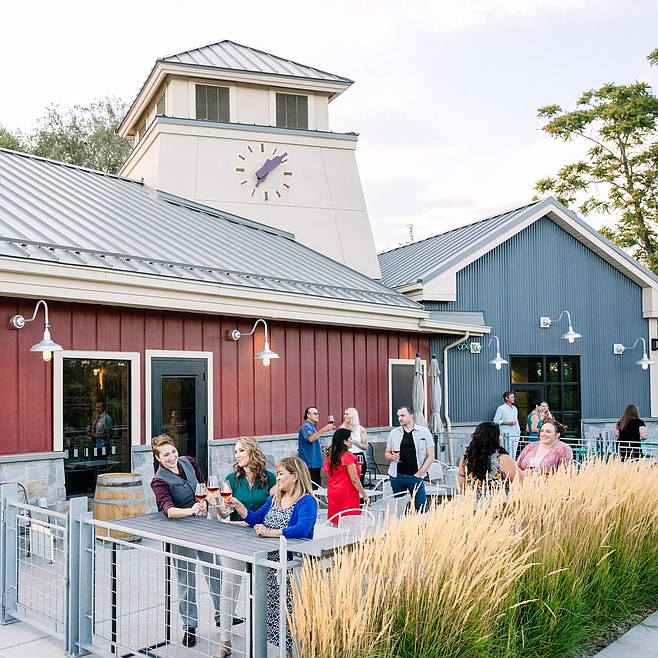
Patrons enjoy a glass of wine at a winery at Columbia Gardens on Clover Island.
COURTESY PHOTO/KIMBERLY TESKE FETROW/PORT OF KENNEWICK
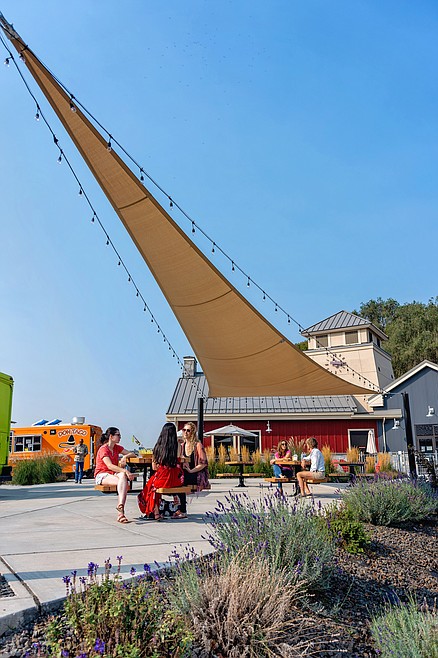
Columbia Gardens hosts a number of food trucks, with a space to enjoy a meal in the open air.
COURTESY PHOTO/KIMBERLY TESKE FETROW/PORT OF KENNEWICK
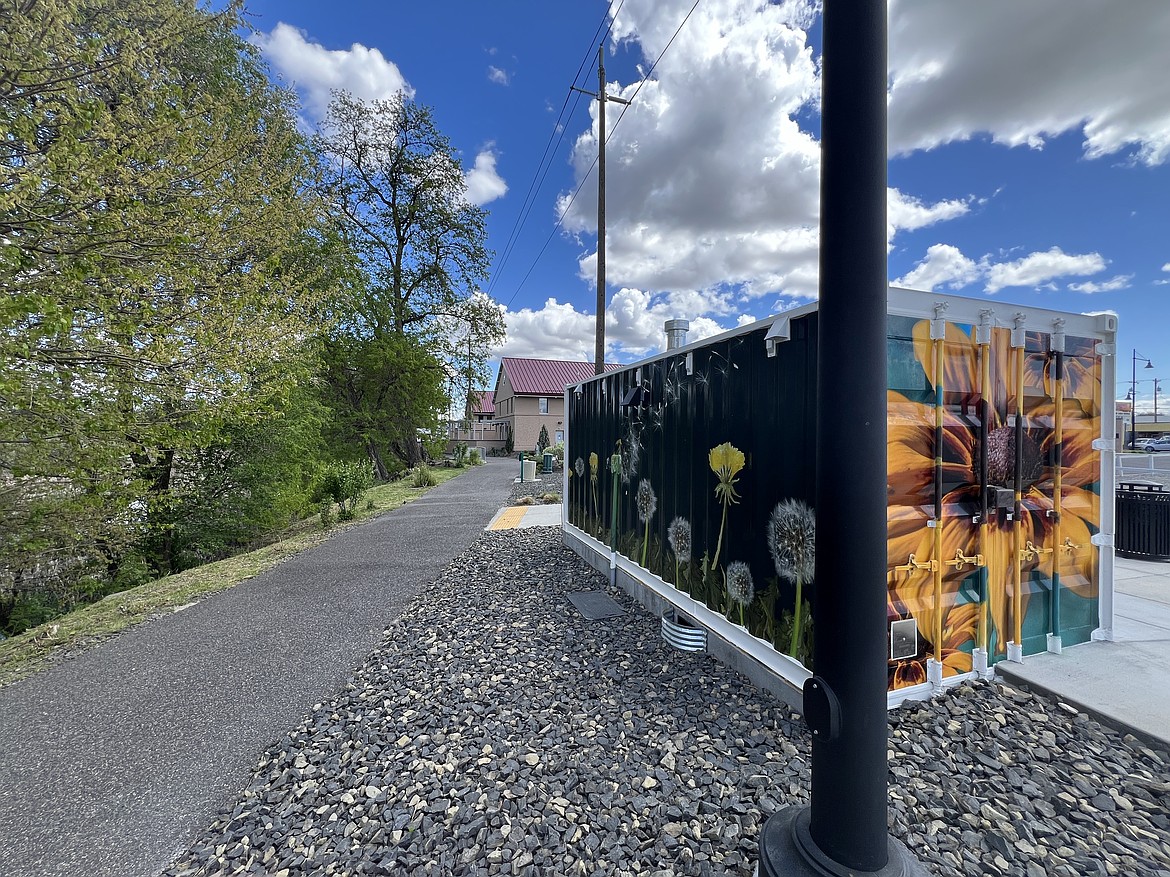
At the Port of Kennewick’s Columbia Gardens, storage containers and utility boxes have been made into works of art, to create a more friendly aesthetic.
COURTESY PHOTO/PORT OF KENNEWICK
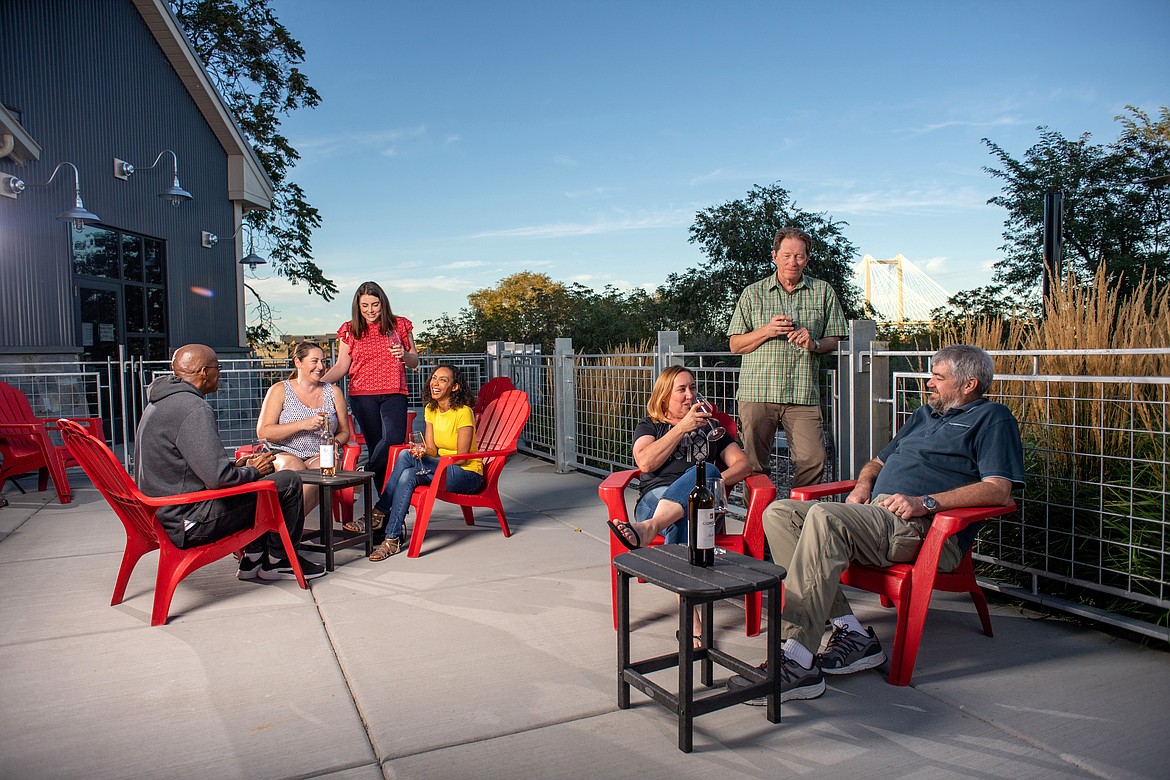
Six wineries have tasting rooms at Kennewick’s Columbia Gardens, showcasing local wines.
COURTESY PHOTO/KIMBERLY TESKE FETROW/PORT OF KENNEWICK
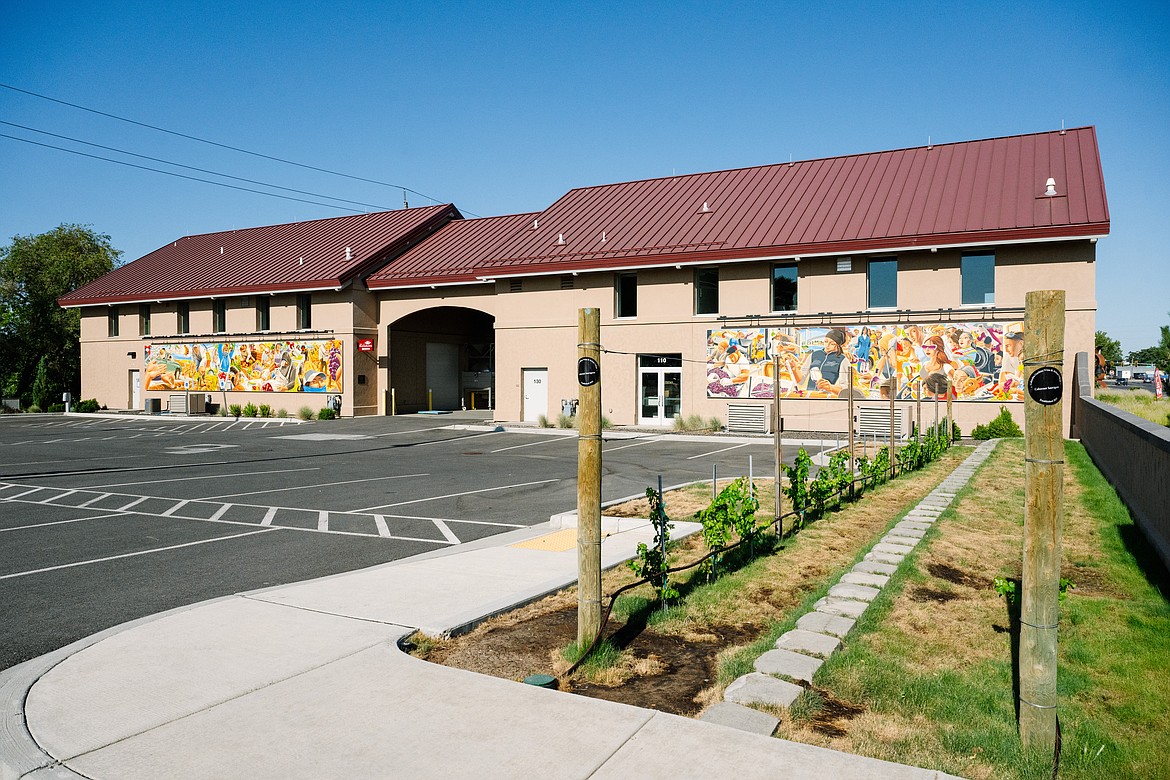
The Port of Kennewick’s Columbia Gardens project has turned an industrial site into a destination for wine, food and art lovers.
COURTESY PHOTO/KIMBERLY TESKE FETROW/PORT OF KENNEWICK
Joel Martin has been with the Columbia Basin Herald for more than 25 years in a variety of roles and is the most-tenured employee in the building. Martin is a married father of eight and enjoys spending time with his children and his wife, Christina. He is passionate about the paper’s mission of informing the people of the Columbia Basin because he knows it is important to record the history of the communities the publication serves. | January 17, 2025 1:00 AM
KENNEWICK — On a given day you can see folks on the Kennewick waterfront sipping wine, noshing on tacos or barbecue or just soaking up the sunshine and the view at Columbia Gardens, and they can thank the Port of Kennewick for that.
“Our community is growing, and people are saying, ‘Why can’t I have better access to waterfront? There’s other communities that redeveloped their waterfront. We want more,’” said Port of Kennewick Deputy CEO Tana Bader Inglima.
Columbia Gardens is located on Clover Island, a little spit of land on the Columbia River in the middle of Kennewick just across the railroad tracks from the city’s historic downtown. It’s home to a lighthouse and a yacht club, wine tasting rooms, food trucks and a barbecue restaurant.
Port districts in Washington are generally associated with more industrial and transportation-related work – operating airports and rail lines and attracting manufacturers – than with creating attractive retail space or community gathering places. But Port CEO Tim Arntzen said it’s not as off-the-wall as it seems at first glance.
“Port districts have a lot of legislative authority, and we can do lot of different things, but it doesn’t mean that you want to or it’s a smart thing, so you’ve got to be careful getting into new things,” Arntzen said.
The progression started when the Port of Kennewick was looking into ways to support Washington’s wine industry, Arntzen explained. The Port sent a delegation to California’s Napa Valley to see what could be emulated up here.
“We were blown away with how advanced California is,” Arntzen said. “It’s not only the industry end of wine, but it’s the tourism end as well. If you go down the Napa Valley on a weekend, it’s crazy busy. What we saw down there was, you had to drive from your motel room out into the Napa Valley, and you’d have to drive to all these locations. And we got thinking, what would happen if we brought the wine industry (into) town, in Kennewick, where it’s closer?”
The Port of Kennewick was formed in 1915 to capitalize on the opening of the Celilo Canal near The Dalles, which turned Kennewick into a bona fide seaport, according to the Port’s history. Like so many urban waterfronts, the space along the river was filled up with industry, including Clover Island, which the Port has owned since the mid-1950s, Bader Inglima said.
“Over the years, there were a lot of tired buildings,” she said. “We had paint shops and auto body shops and tire shops and things along the waterfront. Clover Island had a restaurant out there and there was a marina, but there wasn’t a lot of other activity.”
In 2003, Bader Inglima said, there was a move to revitalize the waterfront as well as the historic downtown district. The Port renovated the road leading to Clover Island in 2006, put in all new utilities and built a new office building for itself. It bought the marina and put in marine infrastructure as well and bought land on the mainland along Clover Island Drive and the interior waterfront.
“We worked with a number of the businesses,” Bader Inglima said. “There was a wrought iron welding company, there was a tire shop, there was a vending machine supplier, a variety of other businesses there that we helped relocate to property that the port had … so that we weren’t just kicking them to the curb when we acquired their business.”
Arntzen’s policy was to spend Port money on people rather than lawyers, she added, so the people at a trailer park that the Port bought weren’t just kicked out either. The process took about six years, she said.
“We helped work with the folks who had the trailers and purchased some of them outright, because many of them were so old, they weren’t up to code, they couldn’t be moved elsewhere,” she said. “Over the course of about six years, we worked with those who were able to move their trailer, waited and worked with them till they were able to relocate.”
Today, Columbia Gardens has tasting rooms for six wineries and five food trucks with room for more, Arntzen said. One food truck, Swampy’s BBQ owner Ron Swanby, bought property on Clover Island from the Port and moved out of his mobile kitchen into a brick-and-mortar restaurant.
Artwork by local artists decorate the grounds, Bader Inglima said.
“Art is a kind of a foundational element for economic development,” she said. “If you’re a visitor and you see interesting and well-tended, maintained public art, it creates a kind of a sense of place.”
The port has four or five more lots for sale that would be well suited to a winery or restaurant or tasting room, Arntzen said. He’d also like to see a sit-down building to go with the food trucks, to accommodate diners during the chilly winter months, he said. The investment has been worth it because taxpayers have been able to see what they’ve got for their money, especially given the limited resources and the desire for economic development that contributes to quality of life.
“There’s always more we can do,” Arntzen said. “But, you know, our problem, if it’s a problem, is that we’re a small government entity, and our budget is very, very limited … You’ve got to make it justifiable to the taxpayers, and as we know, taxpayers don’t want to pay any more than they have to.”
Visitors have noticed Kennewick’s recreation options as well.
“We wanted to create something that would draw visitors in,” Bader Inglima said. “Because if you start getting the visitors in and they’re spending money, that will attract other businesses.”
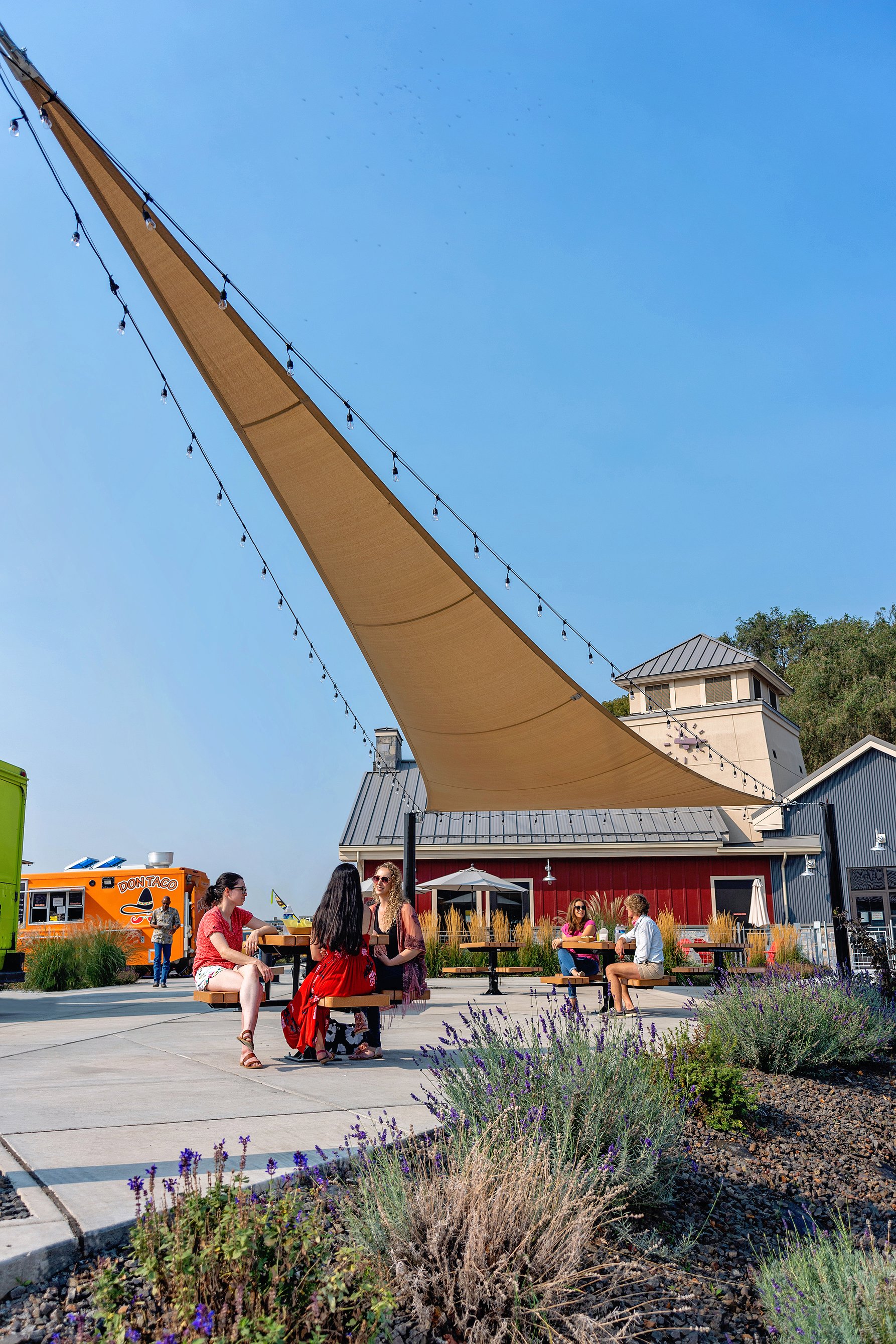 Columbia Gardens hosts a number of food trucks, with a space to enjoy a meal in the open air.
COURTESY PHOTO/KIMBERLY TESKE FETROW/PORT OF KENNEWICK
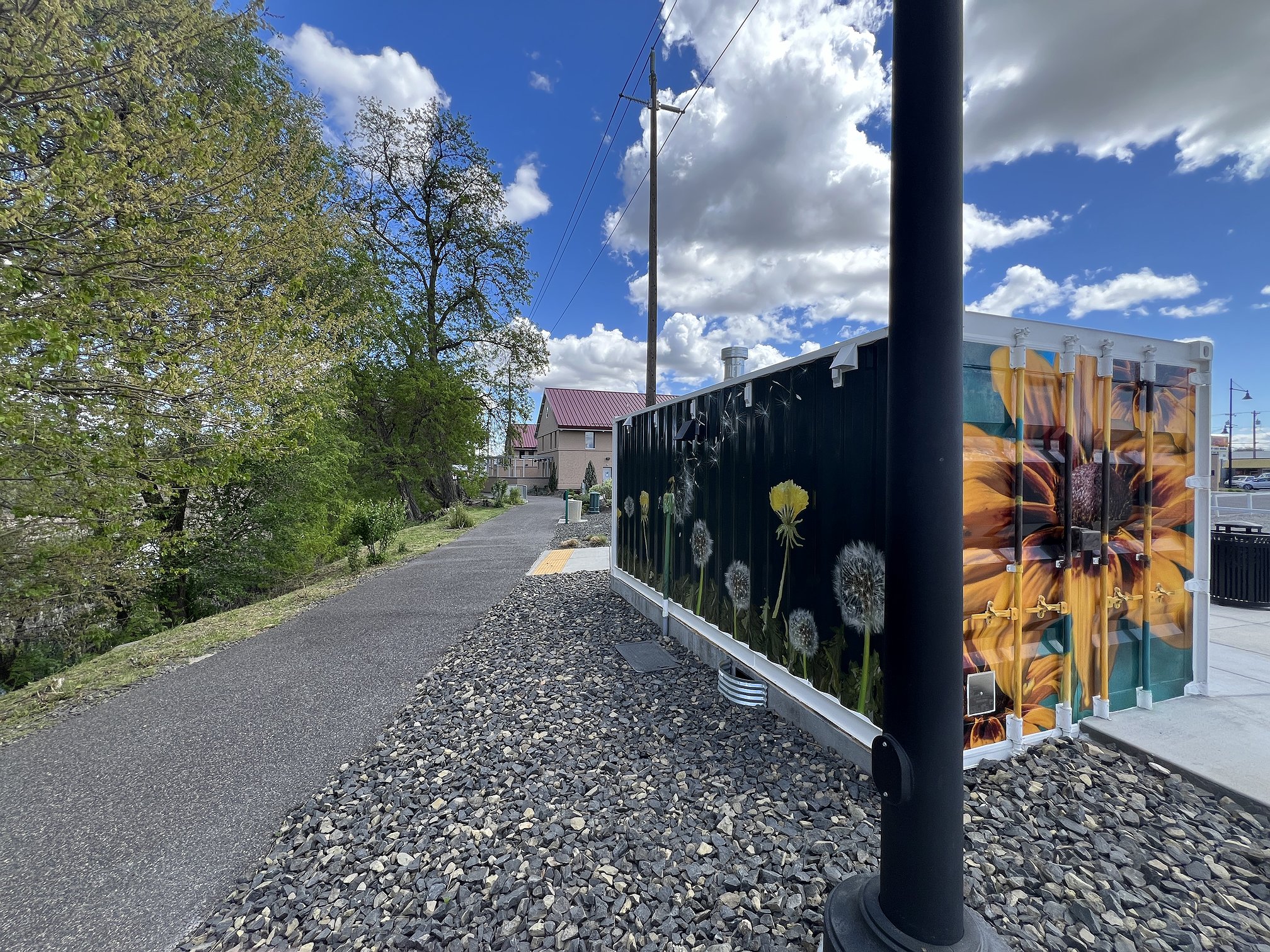 At the Port of Kennewick’s Columbia Gardens, storage containers and utility boxes have been made into works of art, to create a more friendly aesthetic.
COURTESY PHOTO/PORT OF KENNEWICK
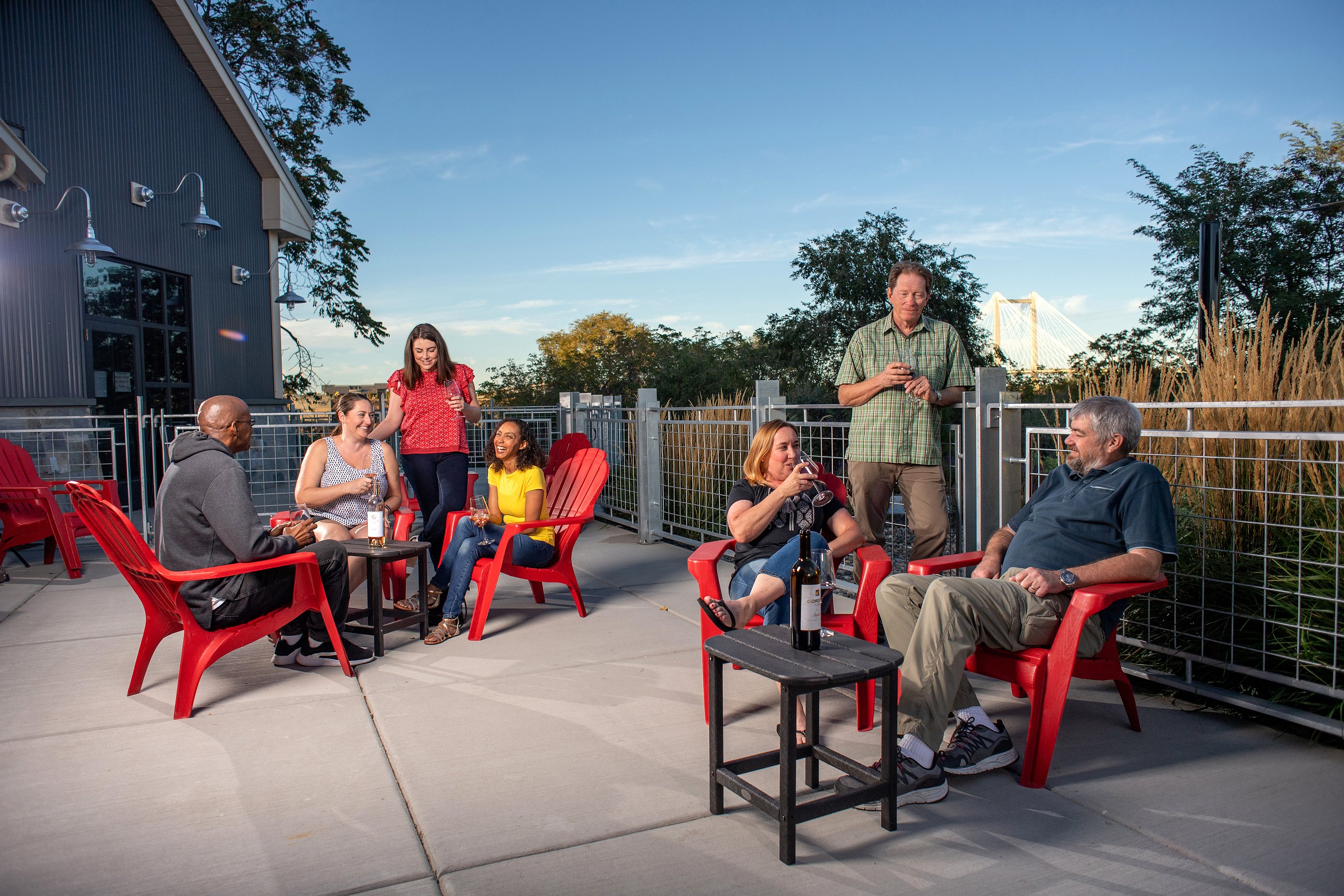 Six wineries have tasting rooms at Kennewick’s Columbia Gardens, showcasing local wines.
COURTESY PHOTO/KIMBERLY TESKE FETROW/PORT OF KENNEWICK
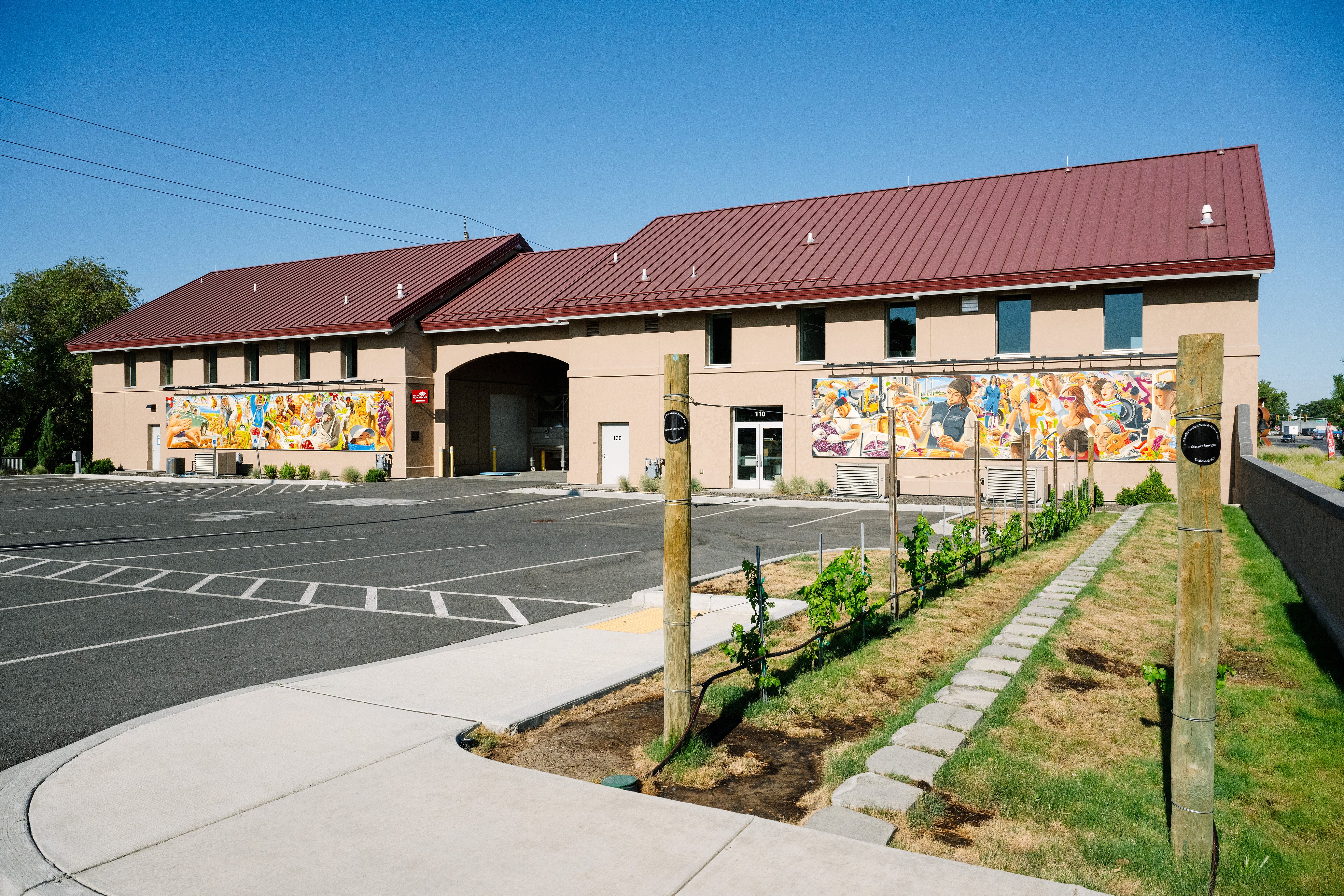 The Port of Kennewick’s Columbia Gardens project has turned an industrial site into a destination for wine, food and art lovers.
COURTESY PHOTO/KIMBERLY TESKE FETROW/PORT OF KENNEWICK
ARTICLES BY JOEL MARTIN
Endless battle
Noxious Weed Control Board works to keep invasive plants under control
MOSES LAKE — Some of the nastiest plants in Grant County were the topic of a class led by Jay Johnson, a consultant with the Grant County Noxious Weed Control Board, Tuesday. The Noxious Weed Control Board, as its name would suggest, is tasked with keeping weeds under control in Grant County. That’s not a small job; the board’s website lists 129 species of noxious weeds that are found around Grant County. A noxious weed is defined as an invasive, non-native plant that threatens agricultural crops, local ecosystems or fish and wildlife habitat, according to the Noxious Weed Control Board. Washington state law requires that these weeds be identified and their spread kept to a minimum, if not completely eradicated. “We’re one of those agencies a lot of people don’t really understand,” Johnson said. “We’re a county office and … our funding is tax-based assessment. When you get your tax bill and you look down at all the expenses that you pay for, there we are.”

BASIN EVENTS: Oct. 16-24
COLUMBIA BASIN — Whether you feel like shopping, crafting, learning or seeing a show, there’s something happening for you this week in the Basin. Oct. 16 ‘My Family (Mi Familia)’ screening Spanning three generations, “My Family (Mi Familia)” is a heartfelt drama that follows the Sánchez family as they build their lives in East Los Angeles. Through love, hardship, triumph, and sacrifice, the film explores the immigrant experience, the strength of family bonds, and the traditions that connect one generation to the next. Lowrider show and taco truck before the screening. Sponsored by Columbia Basin Allied Arts, EDUBS C/S and the Moses Lake Creative District. $12 per person. Doors open at 6 p.m., film begins at 7 p.m. at the Moses Lake Civic Center Auditorium, 401 S. Balsam St. Tickets and info: www.cba-arts.org.
Moses Lake author encourages women to look beyond church culture norms
MOSES LAKE — A Moses Lake author’s book, “A Christian Woman Striving to Live Her Faith in a Man-Controlled World,” takes aim at the role to which many churches relegate the female half of their congregations. “It’s to encourage women in the faith,” Linda Curran said. “A lot of churches say, ‘Teach Sunday school, do this, do that, but don’t (evangelize.)’" In her book, Curran recounts a time when she moved to a new community and joined a church there. She was surprised to learn that, as a new female member, she had been automatically assigned church cleaning duties. When she questioned it, she wrote, she was met with condescension and her objections were brushed aside. In other churches, she said, women who were capable of teaching were relegated to “women’s ministry.”