
Increased outdoors fees in effect as of July 1
NANCE BESTON | Hagadone News Network | UPDATED 9 months, 1 week AGO
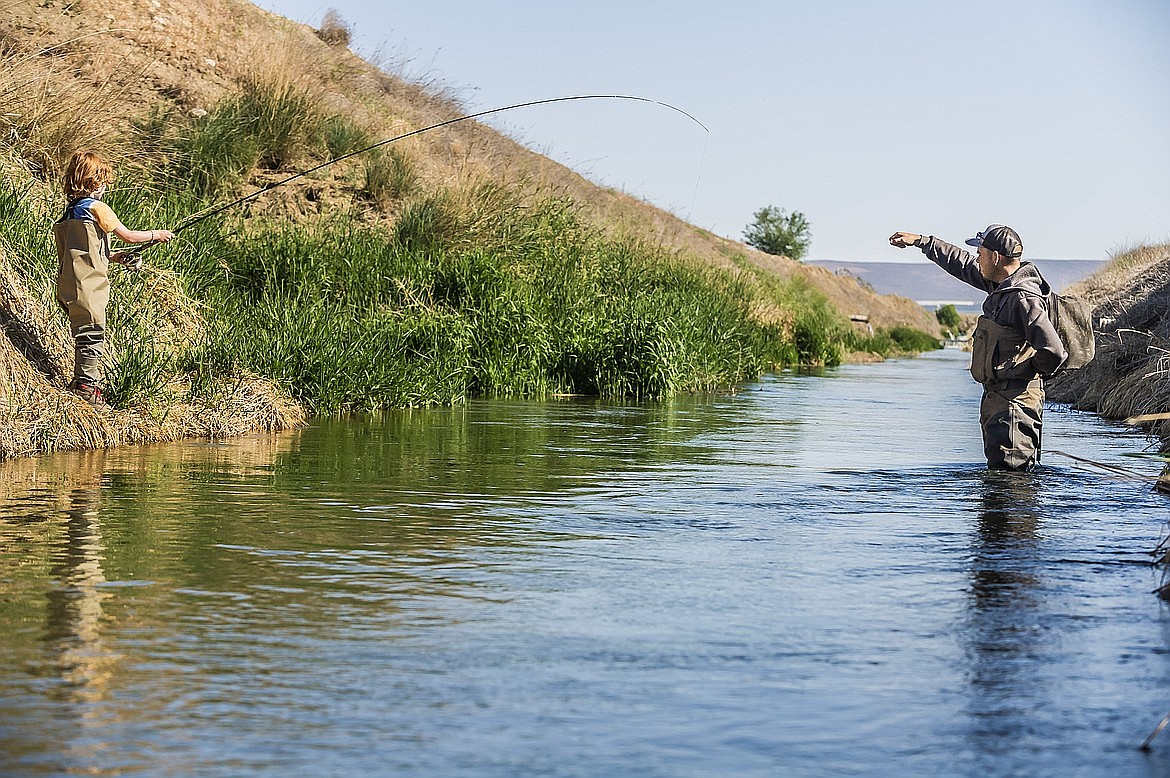
Anglers across the state of Washington will notice an around 38% increase in fishing license costs in the Evergreen State as of Monday. The Washington State Legislature passed Senate Bill 5583 which increases both hunting and fishing licenses for residents.
FILE PHOTO
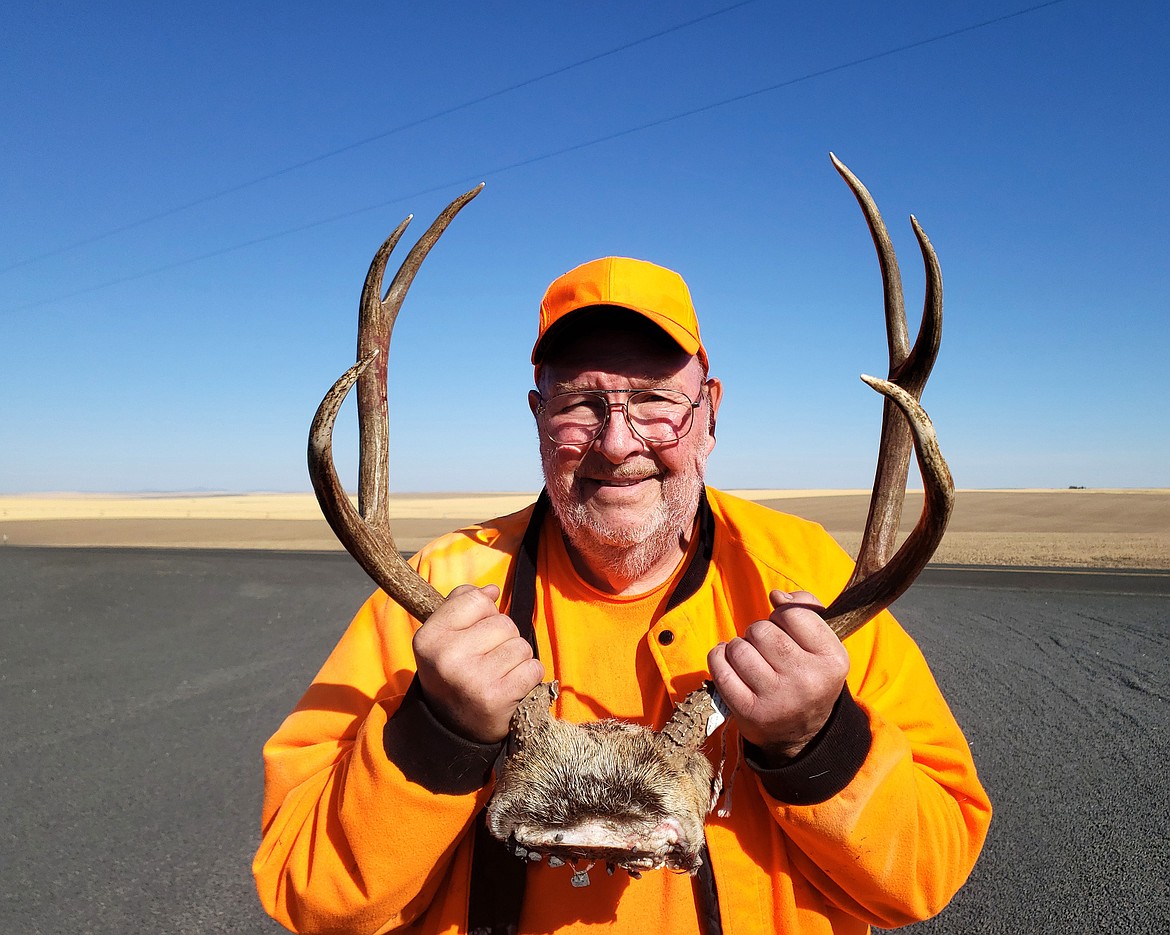
Hunters across Washington will be seeing higher prices when buying hunting licenses this year. For example, the cost of a big game license for deer, elk, bear and cougars has increased from $85 to $117.30. As grocery prices climb, those who were depending on hunting to save money and feed their families will save a little less.
OLYMPIA — In a controversial decision, Washington State has approved a significant increase in recreational fishing and hunting license fees, which officially took effect July 1.
“This bill proposes an inflationary adjustment. It’s a significant adjustment, but inflation has been substantial over the last 15 years,” Sen. Marko Liias (D-Edmonds) said on the Senate floor. “It also charts a sustainable path forward.”
The change, spearheaded by the Senate Committee on Ways & Means and passed with a narrow margin, aims to address budget deficits while raising funds for the Department of Fish and Wildlife and its conservation initiatives. Senate Bill 5583 would raise $19.3 million every two years, according to the bill’s fiscal note.
The new fee structure represents an overall increase of approximately 38%, with notable exceptions intended to ease the financial burden on senior residents and specific license packages.
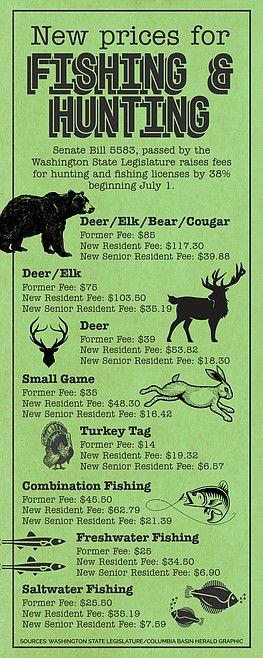
For example, the cost of a big game license for deer, elk, bear and cougars has increased from $85 to $117.30.
Senator Judy Warnick, a Republican representative from Moses Lake, voiced her opposition to the legislation, highlighting the negative impact it could have on families who rely on recreational fishing and hunting for sustenance.
“Many people hunt and fish not just for recreation but to put food on the table. Increasing these fees so drastically will make it harder for families to afford these essential activities,” Warnick said during an interview.
Rep. Tom Dent, R-Moses Lake, expressed similar concerns as Warnick.
“People who've been on a budget, and that is a big part of their recreation, you put a heavier load on that one's going to cost you more to buy that license,” Dent said. “It is just increasing the load of what these people can bear.”
Both Moses Lake legislators emphasized that many people in their district participate in fishing as a means of providing for their families, noting that the increased costs will likely discourage their participation.
The approved legislation also modified the definition of youth for fishing licenses, raising the age from under 15 to under 16. Additionally, it modified harvest reporting requirements, making it critical for anglers and hunters to adhere to reporting guidelines, with administrative penalties imposing fines for non-compliance. Of note, the initial catch record card remains free for youth, but further cards will incur a charge of $11 each.
In discussing the motivation behind the fee increase, Democratic Rep. Mia Gregerson supported the changes.
"Inflation continues to go up. These fees haven’t gone up; it’s time to do that. We are in a budget crisis and need to tighten our belts and be responsible,” Gregerson said during the House debate. “This is part of that.”
However, this viewpoint has met with critique from legislators, such as Warnick and Dent, who expressed concern that the hikes will effectively exclude families from engaging in traditional outdoor activities.
Warnick, reflecting the potential long-term implications, noted that while conservation funding is necessary, the means chosen seem punitive to local families.
“What we have done is effectively put more obstacles in the way of getting families outdoors. We are pricing people out of participating in activities that should be accessible to all, especially during such financially challenging times,” Warnick said.
Dent expressed a similar sentiment.
“I understand the need, but I also feel like WDFW all of a sudden woke up and felt like, ‘Oh, hey, we need more money. We need a lot more money.’ So, they do this. They get this money, but I think it was the wrong thing to do,” Dent said.
The raised fees apply to a variety of licenses across different categories, with hikes seen in freshwater and saltwater fishing licenses, as well as various hunting licenses.
For instance, the price of a freshwater fishing license has risen from $25 to $34.50, and the cost of saltwater fishing has increased from $25.50 to $35.19. The turkey hunting tag has also seen a notable increase from $14 to $19.32.
Compounding the concerns, Warnick highlighted that the legislative process was not without contention, as the bill passed by a mere one-vote margin in the Senate.
“There was a lot of pressure to pass this bill, and the vote underscored the disagreements within both parties,” she said.
As WDFW receives most of its licensing revenue through these fee increases, allocated funding will directly contribute to various enhancement accounts, such as the Fish, Wildlife and Conservation Account and several Regional Enhancement Groups.
Critics, such as Warnick, argue that while funding is crucial for state conservation, the dramatic increase could lead to decreased participation, ultimately resulting in less engagement in outdoor activities that promote public health and well-being.
“I would work tirelessly to find ways to reduce those fees in the future,” she said. “What we need is a system that encourages participation, not one that discourages it.”
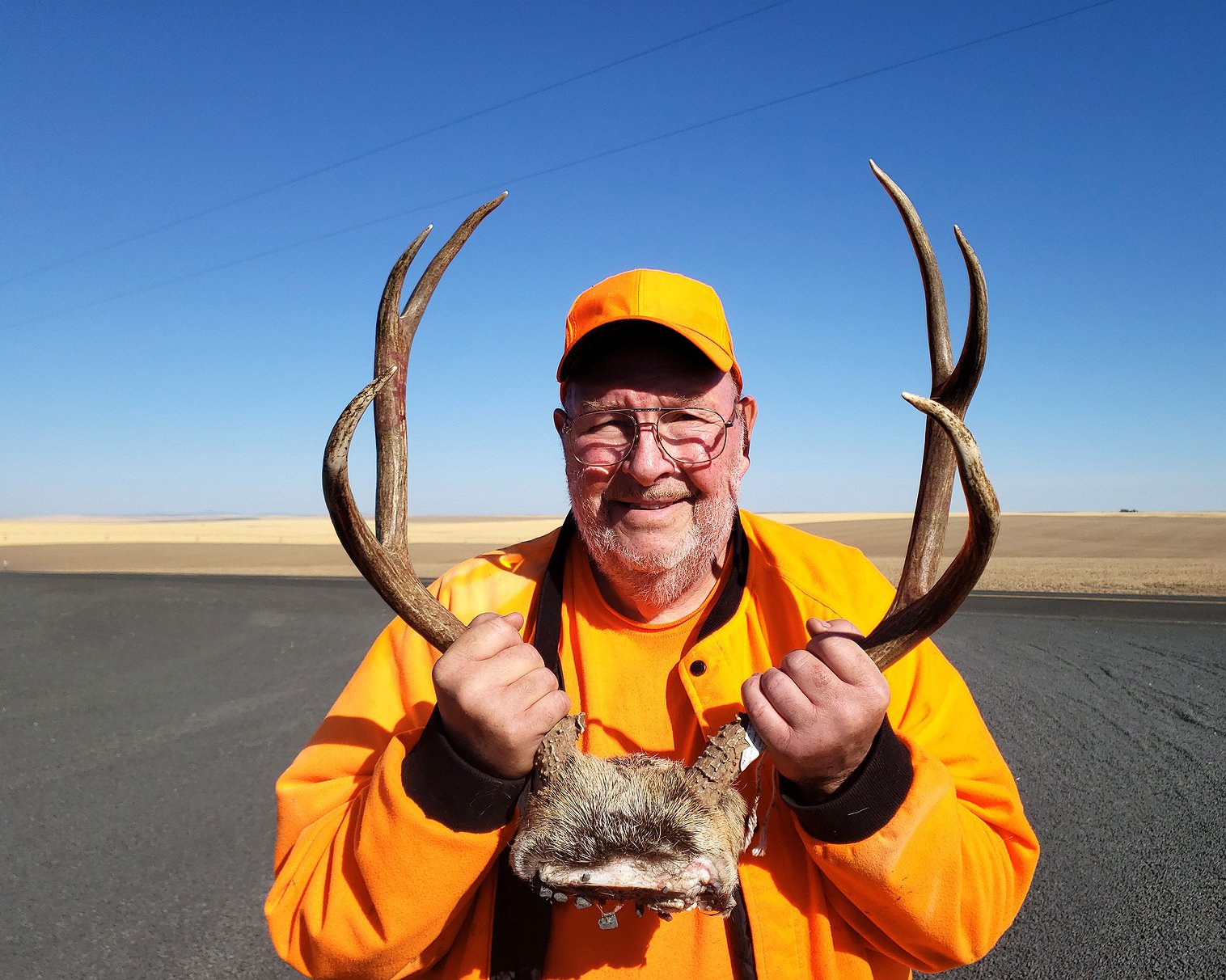 Hunters across Washington will be seeing higher prices when buying hunting licenses this year. For example, the cost of a big game license for deer, elk, bear and cougars has increased from $85 to $117.30. As grocery prices climb, those who were depending on hunting to save money and feed their families will save a little less.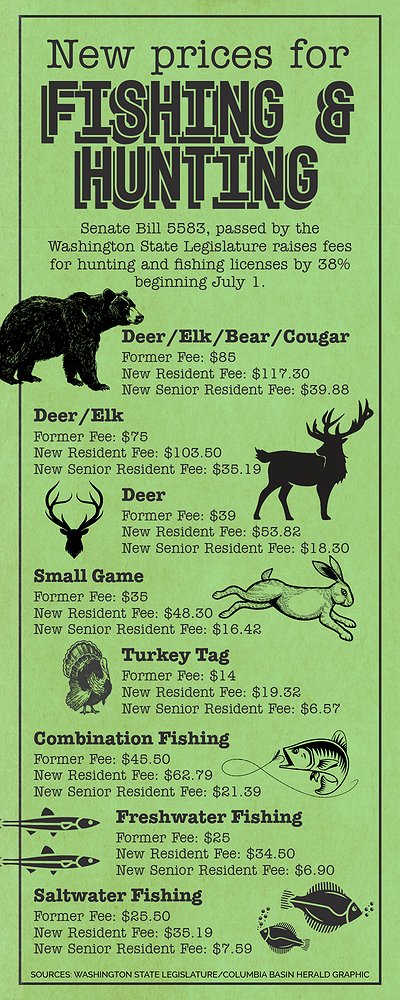
ARTICLES BY NANCE BESTON
1 arrested after Highway 17 stop; detectives recover fentanyl, firearms
MOSES LAKE — The Moses Lake Street Crimes Unit conducted a traffic stop on Highway 17 near Randolph Road and executed a search warrant Friday morning as part of an ongoing narcotics investigation.
4th-year drought declaration in WA, subtle effects in the Columbia Basin
EPHRATA — Washington’s fourth straight year of drought is expected to hit some regions hard, but in Grant and Adams counties, the impacts will look different – quieter, less visible and centered underground. Statewide, the Department of Ecology issued an emergency drought declaration after a warm winter left Washington with about half its usual snowpack, raising concerns about low summer streamflows, stressed fish populations and heightened wildfire risk. Seven of the past 10 years have included drought somewhere in the state. “If you look at our mountains, the challenge we are facing is clear,” Gov. Bob Ferguson said during a press conference Wednesday. “We’re taking emergency action to protect fish, farmers and communities across Washington.”
Sleep Diagnostic Center to close after doctor’s sentencing
MOSES LAKE — The Central Washington Sleep Diagnostic Center announced it will be closing its doors effective April 30. This includes locations in Moses Lake, Spokane Valley, Brewster and Wenatchee. The announcement follows the March 25 guilty plea from Dr. Eric Edward Haeger, 57, in United States District Court to adulterating and misbranding medical devices with the intent to defraud or mislead, according to a statement from the U.S. Attorney’s Office. “The adulterations by Dr Haeger show a dangerous disregard for the safety of his patients,” Washington Attorney General Nick Brown said in a statement. “This is a win for patient safety, for protecting public dollars from fraud, and for ensuring citizens of Washington get necessary healthcare. This case exemplifies the great work our team is doing in collaboration with our federal partners to fight fraud and protect Washingtonians.”