
THE CHEAP SEATS with STEVE CAMERON: Time for the free pass to be intentionally ousted from the game
Coeur d'Alene Press | UPDATED 1 year, 1 month AGO
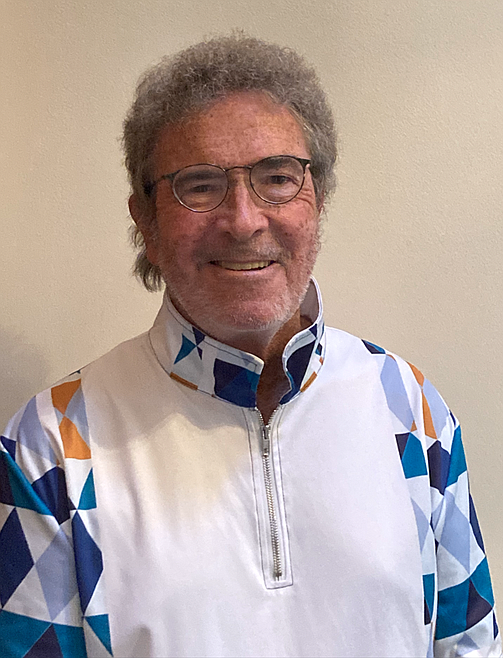
Steve Cameron
Baseball rules have changed every year.
The game is completely different.
Pitch clock.
Ghost runner.
OK, fair enough, congratulations to commissioner Rob Manfred and his army of scientists, test subjects and plain old advisors.
They’ve scored.
Now it’s my turn to add a major switch to Major League Baseball.
Fans will love my change.
Stand by a minute for details.
Meantime.
Most of these recent and current moves have surprised the old curmudgeons and brought more young people to the game.
Great.
Next year might see introduction of ABS to the major leagues — electronic calls of balls and strikes.
Here’s the unbiased description of what might become a controversial addition to the game (recall, doomsayers predicted hell and worse for the pitch clock, which has been a huge success).
Anyway, to the issue of balls and strikes — or what I think we should call the “Greg Maddux Eye.”
Here you go:
“The Automated Ball-Strike system (ABS) is a technology designed to help umpires call balls and strikes.
“It utilizes Hawk-Eye technology (similar to Wimbledon) to track pitches and determine if they pass through the strike zone, providing a more consistent and accurate assessment than human umpires alone.”
YES, IT will require a teething period as hitters, pitchers, catchers and umpires get used to this tech help.
It’s likely that ABS will be introduced on a challenge basis, and it will be fascinating to see when hitters (more likely, managers) decide to use a challenge.
Yada, yada.
The notion of electronic balls and strikes will be baseball’s biggest upheaval.
No question.
Compared to having ABS deciding whether a “sweeper” nicked the outside corner, my rule change might seem trivial.
But I promise you, there will be a lot of games where the players — and most importantly, the fans — will leave feeling they saw a better baseball game.
My first wish was to abolish the intentional walk.
Completely.
The damn thing goes against what you find in baseball’s deepest soul, that battle between pitcher and hitter.
Remember the end of the World Baseball Classic two seasons ago?
Japan’s Shohei Ohtani was on the mound, trying to get a final out to seal a global title.
Ohtani was facing future Hall of Famer Mike Trout, at that time Shohei’s teammate with the Angels.
The pride of Japan, and the mighty USA, were on the line.
Do you recall the chaos when Ohtani, using all 98 mph gas, struck out Trout on something either higher or harder?
Now THAT was baseball at its best.
ON THE other end of the sports spectacle, you have the intentional walk.
One of my favorite lines comes from national baseball reporter Jon Morosi, who said: “I’ve never heard anyone walking out of a ballpark and saying, ‘I just wish there were more waiting.’”
That’s the intentional walk.
Everyone waits around while a really, really good hitter is denied a chance at creating the magic thousands of fans paid.
Sure, I’m thinking about Cal Raleigh, who smoked his 33rd homer on Monday night.
Raleigh had received a total of five intentional walks in his career until two weeks ago — and then he got 10 on just this last road trip.
Sure, a part of the issue hangs on the Mariners.
If Julio Rodriguez were doing loud damage instead of becoming a rarely critical singles hitter with the most power, bat speed, barrel rate (and historic performances in the Home Run Derby), Raleigh would have some protection.
With Julio hitting endless ground balls toward shortstop, though, Cal is on his own.
Time for the intentional walk.
So.
What kind of change could make the old IBB something you’d have to truly THINK about — a device that might carry real punishment?
Let’s see, one option might be to give the player being walked as many open bases as there are remaining.
Problem: There would be no danger to a visiting team in that spot over the late innings.
One runner or two, no difference for the home team in a tie game.
Maybe, when there’s an intentional walk, the opposing manager can choose what open base the hitter is awarded (cuts down double plays), AND is allowed to let anyone in his lineup take the next batting spot.
For instance, Seattle would probably use J.P. Crawford.
The classic response might the Padres’ Luis Arraez, whose strikeout rate is sitting around 1.5 percent.
In any event, think of something, gang.
Let’s get rid of the “intentional boredom.”
Email: [email protected]
Steve Cameron’s “Cheap Seats” columns appear in The Press three times each week, normally Tuesday, Wednesday and Friday unless, you know, stuff happens.
Steve suggests you take his opinions in the spirit of a Jimmy Buffett song: “Breathe In, Breathe Out, Move On.”