
Local hospitals face 'challenging financial landscape' after Big Beautiful Bill passage
CHERYL SCHWEIZER | Hagadone News Network | UPDATED 5 months, 1 week AGO
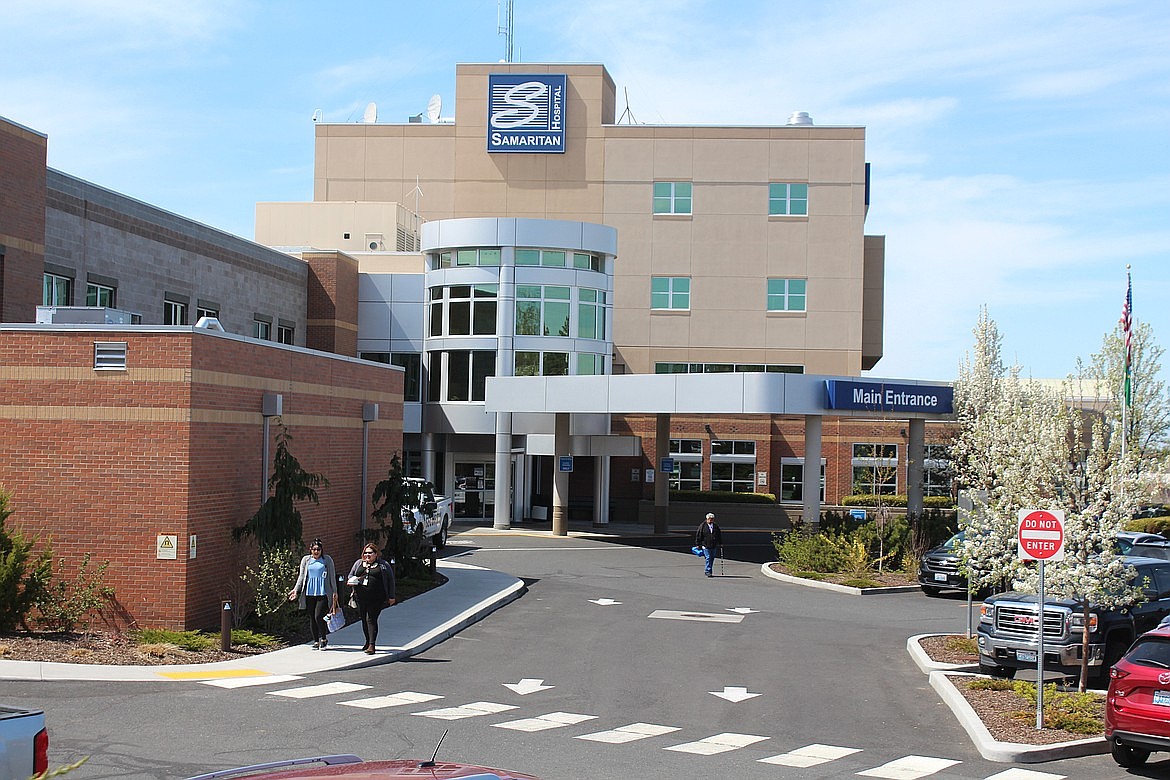
Samaritan Healthcare officials say it’s too early to know what the impact of cuts to Medicaid funding will be. Officials said Samaritan’s inclusion on a list of hospitals in danger of closing due to Medicaid cuts was incorrect.
FILE PHOTO
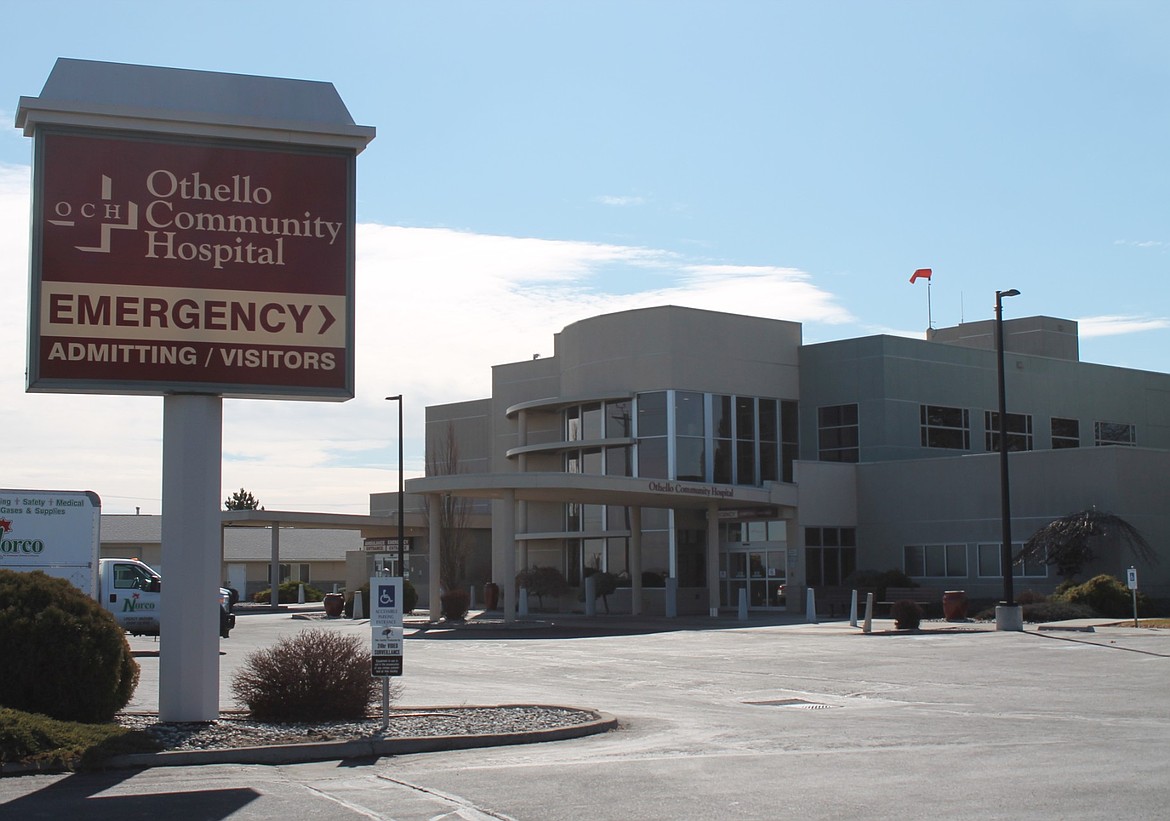
Othello Community Hospital will see some impacts from cuts to the federal Medicaid program, but it’s too soon to know what they are. A list of hospitals at risk for closing due to Medicaid cuts included OCH, but hospital officials said that was incorrect.
Senior Reporter Cheryl Schweizer is a journalist with more than 30 years of experience serving small communities in the Pacific Northwest. She began her post-high-school education at Treasure Valley Community College and enerned her journalism degree at Oregon State University. After working for multiple publications, she has settled down at the Columbia Basin Herald and has been a staple of the newsroom for more than a decade. Schweizer’s dedication to her communities and profession has earned her the nickname “The Baroness of Bylines.” She covers a variety of beats including health, business and various municipalities. | July 11, 2025 3:30 AM
MOSES LAKE — The recent approval of new federal Medicaid rules will affect local hospitals and medical providers. What that impact will be, however, is still unclear.
“So much is still unknown,” Glenda Bishop, chief executive officer for Quincy Valley Medical Center, wrote in reply to an email from the Columbia Basin Herald. “We simply do not have enough data to predict with accuracy any outcomes.”
The proposed Medicaid changes were approved by Congress on July 3, as part of H.R. 1, also known as the Big Beautiful Bill. Congressman Dan Newhouse (R-Wash.) voted in favor of the legislation.
“We are protecting Medicaid and SNAP for those who truly need it by requiring part-time work requirements for able-bodied adults without dependents and establishing a $50 billion fund for our rural hospitals,” Newhouse said in a statement. “By reducing improper payments to deceased individuals and defunct providers, we are ensuring there are more funds for the low-income individuals, families and seniors who rely on the program. I am committed to keeping our rural hospitals open.”
Notably, Medicaid benefits cease upon death. Any benefits that are paid out after the date of death are recovered through a process known as Medicaid Estate Recovery if money is owed to the program for long-term care and other items. However, care received before death is eligible for reimbursement, according to the Centers for Medicare & Medicaid Services. There are instances of providers receiving payments in error or against policy and those payments may be taken back. The 21st Century Cures Act is one of multiple laws that establish that process.
However, Sen. Patty Murray (D-Wash.) voted against the bill.
“It’s impossible to overstate how devastating the Republican legislation will be for the millions of struggling families who will pay for these billionaire tax breaks with deep cuts to their health care and nutrition benefits, while getting essentially nothing in return,” Murray said in a statement.
Different provisions go into effect at different times, beginning in 2026 and extending through 2029. The Big Beautiful Bill will require certain Medicaid enrollees to work at least 80 hours per month, though states have some flexibility in implementing that requirement with exemptions such as that for parents of children under 13 years of age, those who are medically frail and those with certain disabilities.
Local hospitals will face an unknown financial impact as the requirements cause patients to lose health coverage and become uninsured as a result. Hospitals are still required to provide care, especially life-saving care, under the law, whether a patient has insurance or not.
The original proposal and eventual passage ignited controversy, including a press release Monday from a North Central Washington group, Rural People’s Voice. The press release listed eight hospitals at risk of closure in the Fourth Congressional District, including Samaritan Hospital and Othello Community Hospital.
Theresa Sullivan, chief executive officer at Samaritan, and Connie Agenbroad, chief executive officer at OCH, both said the information was incorrect.
“We do not believe this list is accurate and Samaritan was not consulted before being included on the list,” Sullivan wrote in an email. “We do not believe we are at risk for closure, and at this point there are no immediate plans to reduce services offered in our community.”
Agenbroad said OCH also wasn’t consulted.
“Othello Community Hospital has no plans in closing. We will continue to take care of all patients needing our services,” Agenbroad wrote in an email.
She added that the Washington State Hospital Association has indicated that the list does not match the data they have, either.
Cuts to federal Medicaid funding are included in the law, and local hospital officials said those will have an effect eventually. Patients on federal Medicaid or Apple Health, the state of Washington’s plan, make up a substantial portion – sometimes a majority – of insured patients at local hospitals.
“We estimated that approximately 55-60% of our patients are on Apple Health or Medicaid for their health insurance,” Agenbroad said.
The percentage is smaller at Samaritan, but still significant.
“Currently, patients who are on Apple Health or Medicaid make up nearly 30% of the total patient mix at Samaritan,” Sullivan wrote.
Like other kinds of insurance, Medicaid and Apple Health reimburse hospitals, clinics and medical professionals for medical treatment provided.
“Any loss of coverage, in this case, Medicaid, is impactful to our community (and) patients, and in turn impactful to healthcare providers like QVMC,” Bishop said. “Reduction in reimbursement rates will also have an impact on our bottom line. And eventually, as people lose coverage, they will become more reliant on financial assistance.”
In Washington, the Washington State Health Care Authority sets Medicaid reimbursement rates for hospitals and Columbia Basin hospital administrations have expressed frustration with static or declining rates causing financial hardships for rural hospital districts.
Agenbroad said OCH is facing cuts at the state as well as the federal level, along with additional state taxes.
“We are currently evaluating the impact these cuts will have on our organization. Some of them will be felt next year, some will not go into effect for two or three years,” she said. “It is not yet clear exactly how we will mitigate the impact of these financial challenges.”
Some Medicaid and Apple Health patients will face new requirements to keep their coverage, Agenbroad said.
“We will be working with the state and other organizations to help people navigate these changes,” she said.
Sullivan said Samaritan faces what she called “a challenging financial landscape” with federal and state Medicaid cuts and additional state tax increases. Samaritan officials are evaluating what that means. Phasing the changes gives Samaritan an opportunity to figure some of that out, she said.
“This allows us time to plan and prepare for these impacts. As we have more information, we will continue to evaluate mitigation strategies to address these financial challenges over both the short and long term,” she said.
• • •
Nance Beston contributed to this report.
 Othello Community Hospital will see some impacts from cuts to the federal Medicaid program, but it’s too soon to know what they are. A list of hospitals at risk for closing due to Medicaid cuts included OCH, but hospital officials said that was incorrect.
ARTICLES BY CHERYL SCHWEIZER

Three arrested in Royal City area thefts case
ROYAL CITY — Three men were arrested and booked into the Grant County Jail on suspicion of possessing stolen property after a search was served on a home near Beverly Thursday.

More park improvements planned for Royal City in ‘26
ROYAL CITY — Lions Park in Royal City now has a soccer field, so city officials will be working on the next phase of improvements in 2026. The first phase of upgrades to Apple Avenue also is scheduled for 2026, and both are among the projects reflected in the city’s 2026 budget. The budget was approved by Royal City City Council members Tuesday.

Sleep Diagnostic Center physician pleads guilty to Medicaid fraud
Charges involve charging Apple Health for recalled, altered CPAP devices
BREWSTER — A Brewster physician who operates a sleep diagnostic clinic in Moses Lake and Wenatchee will be sentenced March 24 as part of a Wednesday plea deal on Medicaid fraud charges.