
An exploration of the wonderful, whimsical, creative, curious, colorful world of idioms
DEVIN WEEKS | Hagadone News Network | UPDATED 8 months, 2 weeks AGO

Devin Weeks is a third-generation North Idaho resident. She holds an associate degree in journalism from North Idaho College and a bachelor's in communication arts from Lewis-Clark State College Coeur d'Alene. Devin embarked on her journalism career at the Coeur d'Alene Press in 2013. She worked weekends for several years, covering a wide variety of events and issues throughout Kootenai County. Devin now mainly covers education, entertainment, human interest stories and serves as the editor of North Idaho Live Well magazine. She enjoys delivering daily chuckles through the Ghastly Groaner and loves highlighting local people in the Fast Five segment that runs in CoeurVoice. Devin lives in Post Falls with her husband and their two eccentric and very needy cats. | July 26, 2025 1:00 AM
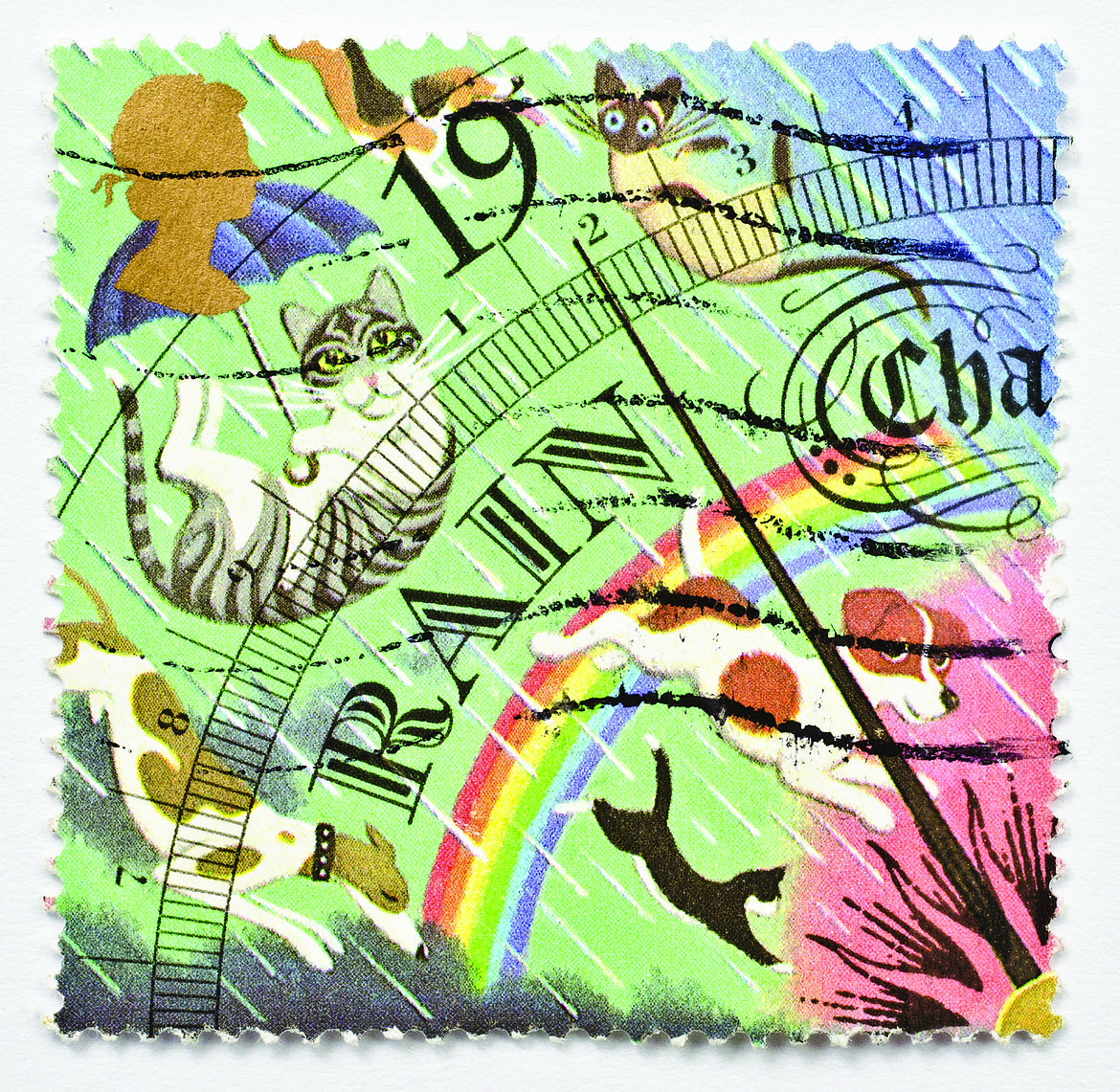
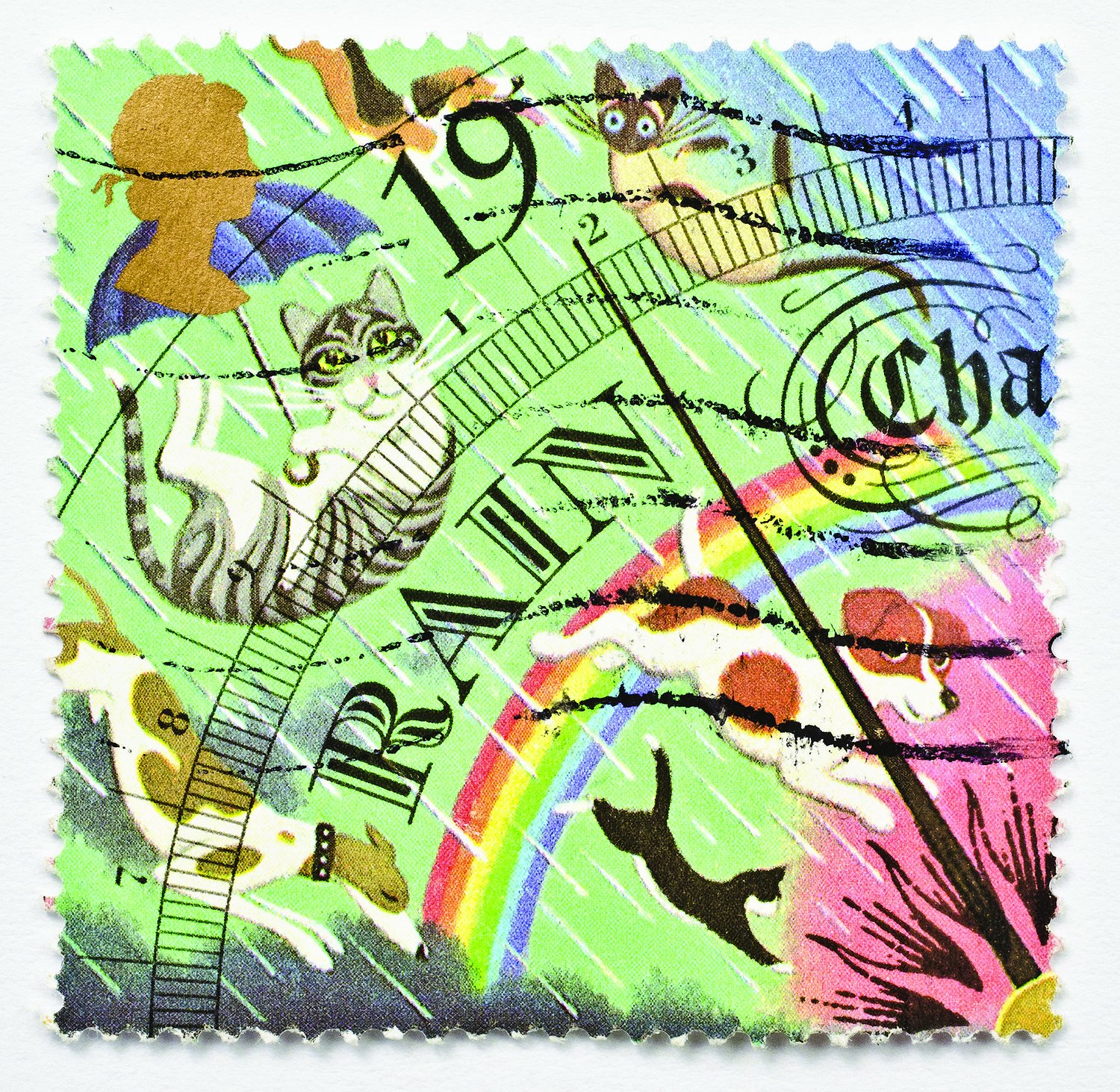
No one likes it when someone else rains on their parade.
Nor do they enjoy the wind being taken out of their sails, the rug being pulled out from under them or the wool being pulled over their eyes.
A wolf in sheep's clothing always sounds the alarm, as does a snake in the grass or a fox in the henhouse. Many avoid going into the lion's den unless absolutely necessary. They would much rather stay home, snug as a bug in a rug, than have the living daylights scared out of them.
No need to beat around the bush — this article is dedicated to the wonderful, whimsical, creative, curious and colorful world of idioms.
From word nerds to those who care not for linguistic musings, nearly all native English speakers are no doubt guilty of using these figurative phrases.
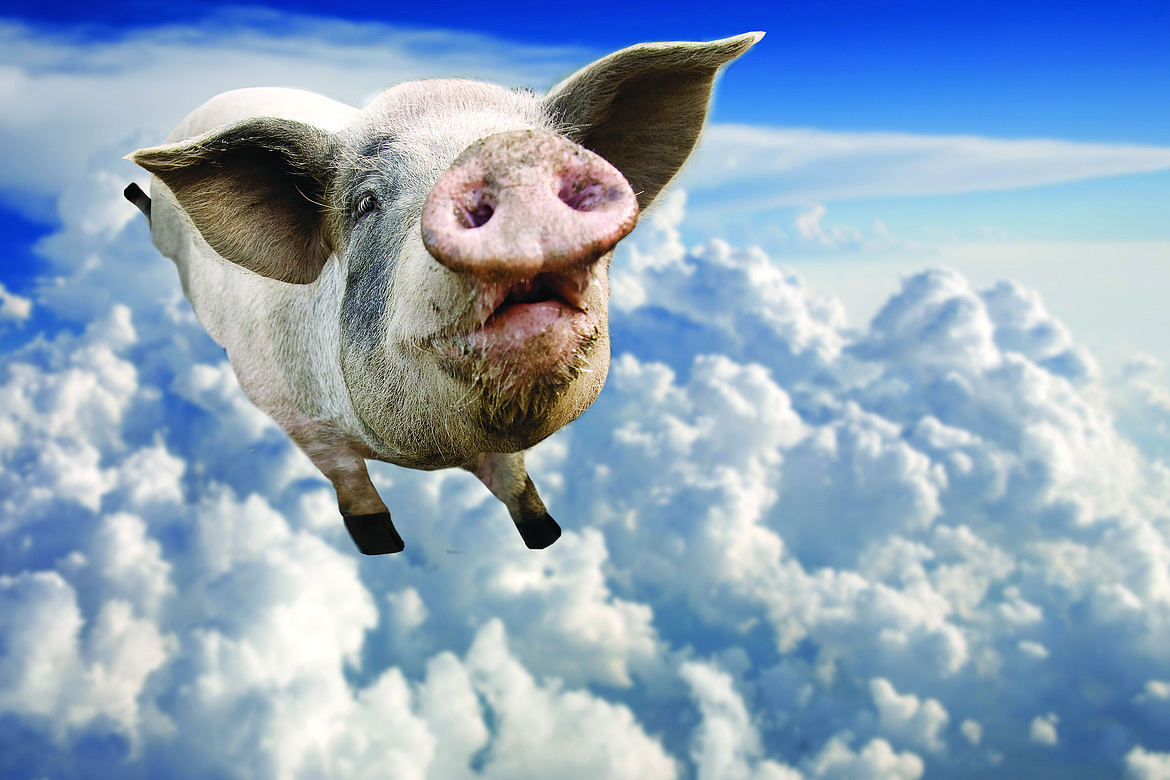
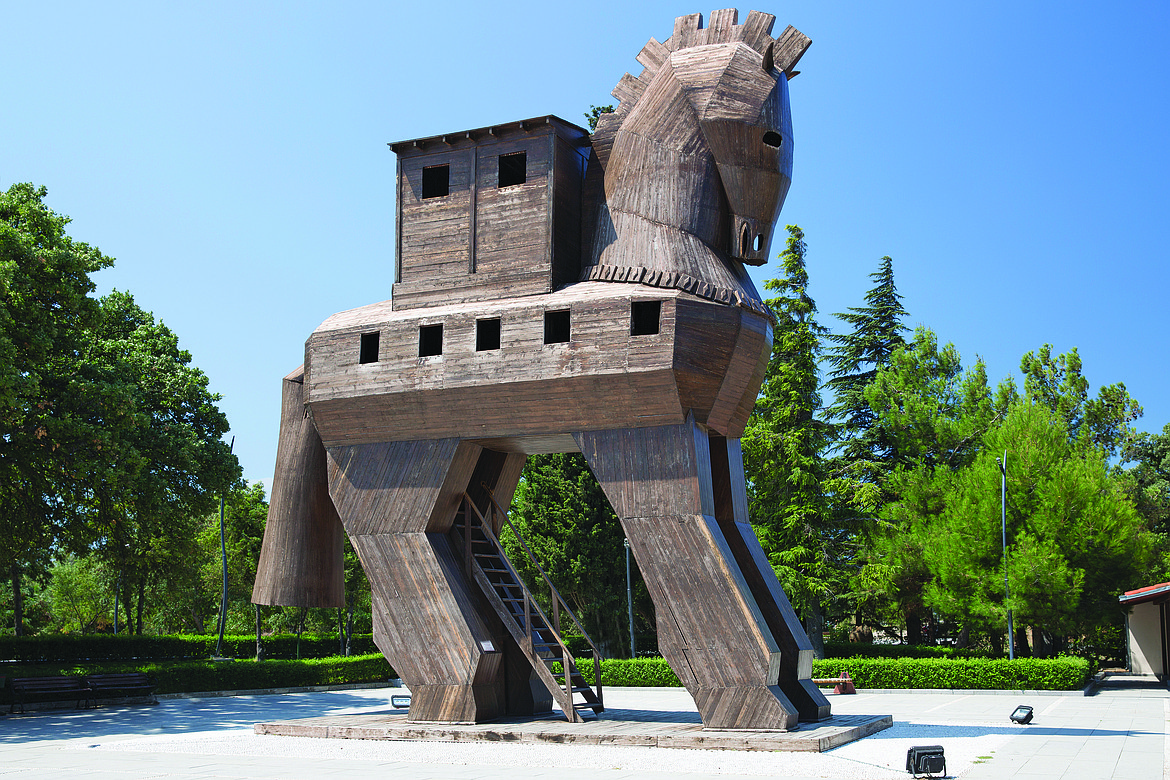
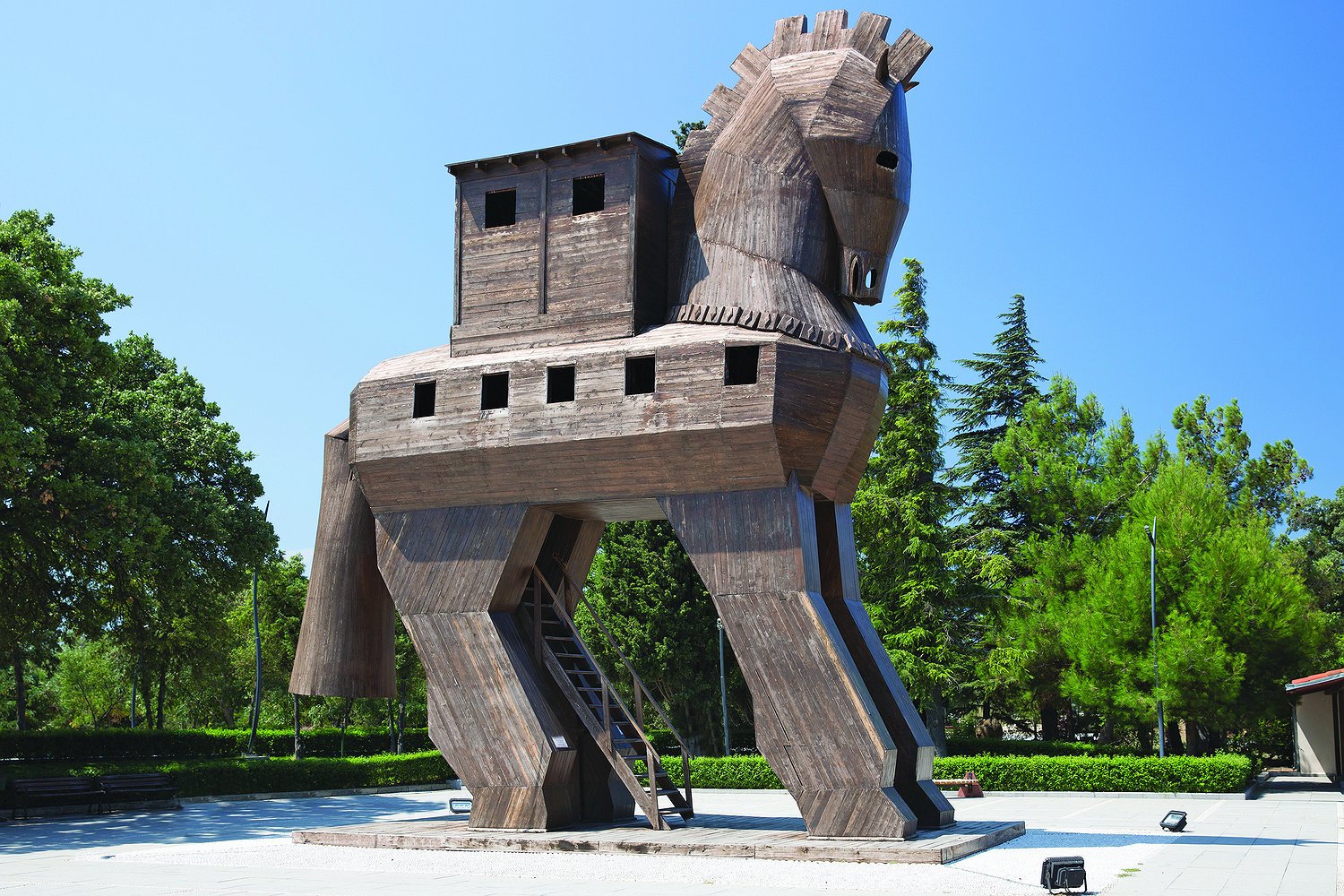
"As fast as lightning." "Spill the beans." "Under the weather." "In a pickle." "A Trojan horse." "When pigs fly." "Break a leg." "Kick the bucket." "A piece of cake."
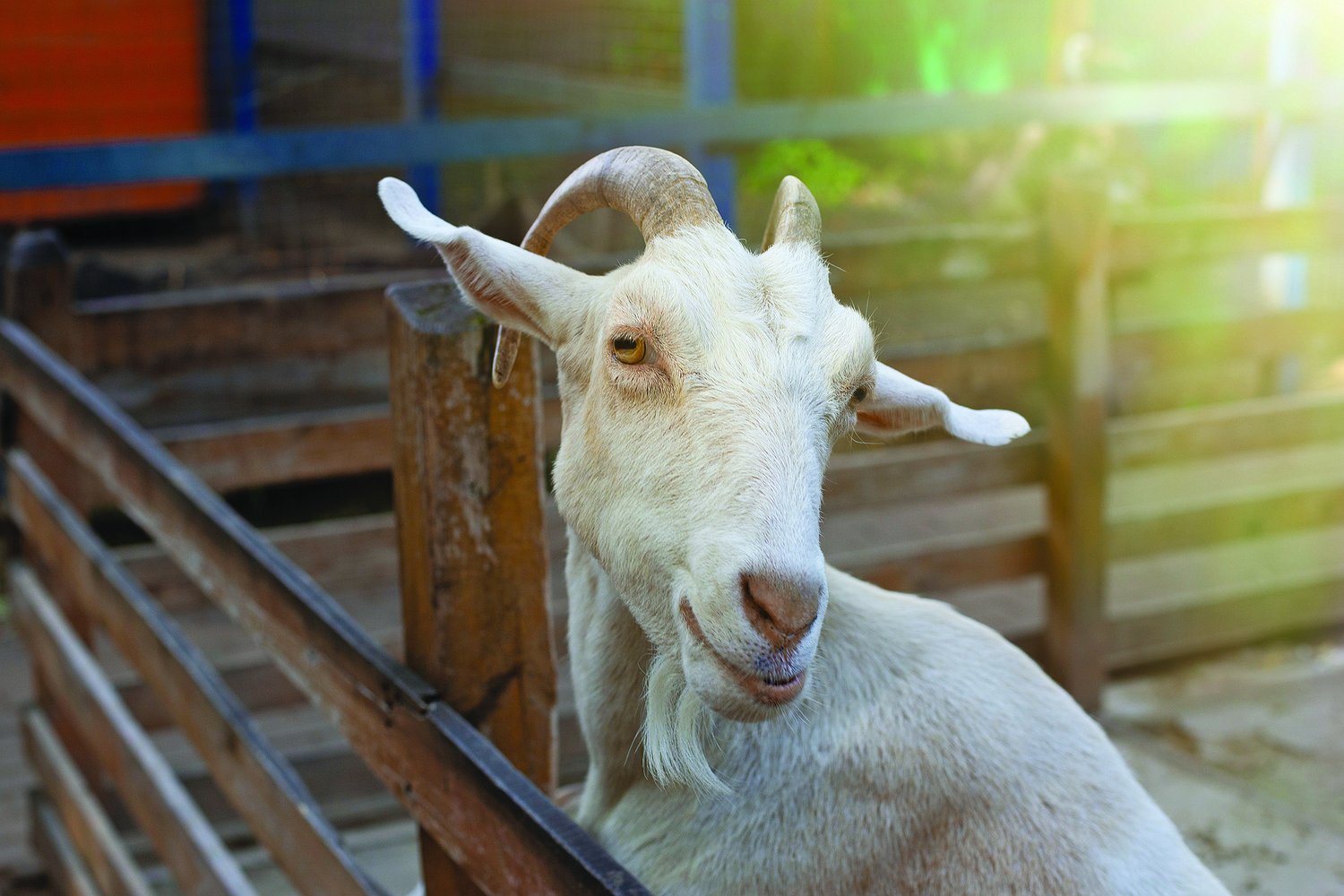
Interestingly, a lot of idioms — many of which are hundreds of years old — involve food and animals, as well as religious references, for example: "The devil is in the details," "Set in stone," "Scapegoat" and "How many angels can dance on the head of a pin?"
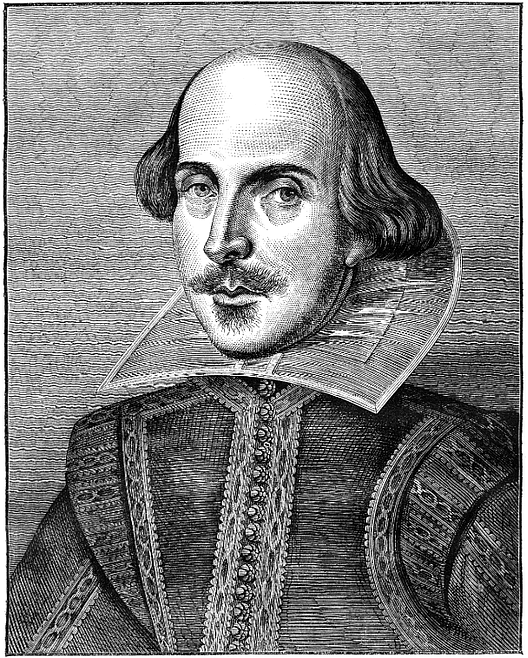
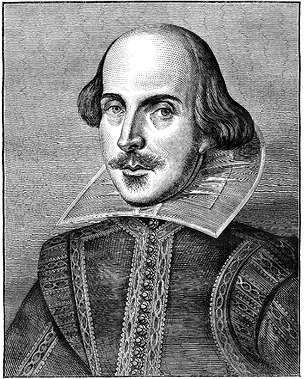
While it is easy to rattle off examples until the cows come home, one must give credit where credit is due. The English language would not be as profound and punny a playground if not for the King of Idioms himself: William Shakespeare.
According to the Shakespeare Birthplace Trust, the independent charity that cares for the Shakespeare heritage sites in his hometown of Stratford-upon-Avon (shakespeare.org.uk), the Bard penned the following phrases, among many more, while crafting his many sonnets and plays. See if these sound familiar:
• "Wear my heart upon my sleeve." For one's feelings to be exposed, for one to be vulnerable. "Othello," Act 1 Scene 1.
• "The world is my oyster." A person can achieve whatever is desired in life. "The Merry Wives of Windsor," Act 2 Scene 2.
• "Break the ice." To reduce awkward initial social tension. "Taming of the Shrew," Act 1 Scene 2.
• "All that glitters isn't gold." Things aren't as good as they appear. "The Merchant of Venice," Act 2 Scene 7.
• "He hath eaten me out of house and home." Someone ate so much, nothing was left. "Henry IV," Part 2, Act 2 Scene 1.
Language and usage evolve as time marches on. As the American colonies gained independence from Shakespeare's homeland and a new nation was born, so too were born new generations of idioms.
On williamsburgprivatetours.com, a long list can be found of Colonial-era idioms and sayings still in use today. Perhaps Shakespeare's influence can be felt in these, as well:
• "Get off your high horse." Stop being arrogant. Military leaders and nobility led parades on horseback, a sign of superiority and prominence. Although, phrases.org.uk points out "the first references to high horses were literal ones; ‘high’ horses were large or, as they were often known in medieval England, ‘great’ horses. John Wyclif wrote of them in English Works, circa 1380."
• "Worth an arm and a leg." Portrait painters charged more if they had to add arms and legs to their subjects. A competing theory mentioned on grammar-monster.com indicates this phrase could have originated from America after World War II when many servicemen lost arms and legs.
• "Dressed to the nines." Someone appears to be dressed in their best. A common theory shared on usdictionary.com posits that this phrase traces back to the intricately detailed uniforms of the 99th Wiltshire Regiment, an 18th-century British army unit known for its sartorial elegance. The expression could also relate to the amount of fabric — a full 9 yards — traditionally needed to create a complete suit.
The American Civil War is when "bite the bullet" is theorized to have been coined, as soldiers undergoing amputations and excruciating surgeries sans modern anesthesia were given bullets on which to bite to keep from screaming or biting down on their tongues. This era also generated the terms "ironclad," "upper hand" and "deadline," the latter of which may have originated as a term related to prisons, meaning a line that could not be crossed by prisoners or they would be shot.
"Eventually, the term began to be used by journalists in the sense we know today," the article "Why Are They Called Deadlines?" states on wonderopolis.org. "This was most likely the result of the design of early printing presses that featured a guideline on the printing plate. Any text inside the line would be printed. Any text outside the line — the 'deadline' — would not be printed and would 'die.'"
More modern idioms, as with their thought--provoking predecessors, of course shouldn't be literally taken. That "cool cat" over there is not a frozen feline, that person who refuses to jump on the bandwagon is not actually square shaped, nor is there an actual bandwagon. One does not need a shovel when they say they dig something. Hopefully nothing is actually shaking or cracking when someone inquires of either. A hike is not required when being told to take one, nor will someone be expected to talk to someone else's hand or literally kick someone to the curb when asking them to leave.
On the subject of provoking the mind, these phrases are often used without thinking twice.
Start really listening to the words, phrases and idioms of choice used by friends, loved ones, coworkers and neighbors, and it will be a quick discovery that the English language has more flying pigs, frying pans, boiling frogs and Shakespearian references than one could have ever realized.
By no stretch of the imagination, it will surely provide delicious food for thought.

ARTICLES BY DEVIN WEEKS

Journalism offers knowledge, opportunities for students
Impact of local newspaper stretches into schools
Long before the internet and well into the modern digital era, newspapers offered and continue to provide a world of knowledge and opportunities for students.
APRIL NIBJ Trades are trending
Welders, carpenters, electricians, plumbers, construction workers, nurses, hairstylists, mechanics, heavy equipment operators, dental hygienists and steelworkers. These are a few examples of trade careers, which in 2026 are a hot commodity for the workforce and for the next generation of workers who will someday be the leaders of these industries.

Family Promise of North Idaho's Starry Night
Family Promise of North Idaho's Starry Night will be April 24
The road from Portland to North Idaho was long as Josh France and his family sought a better life. About four years ago, he and his wife, Brooke, had a little girl, and another baby was soon on the way. "I was telling Brooke, 'I don't think we should raise our kids here (in Portland),' because it's getting bad out there," Josh said.