
'Phoenician Scheme’ a diverting caper with Wes Anderson detail
TYLER WILSON/Coeur Voice contributor | Coeur d'Alene Press | UPDATED 9 months AGO
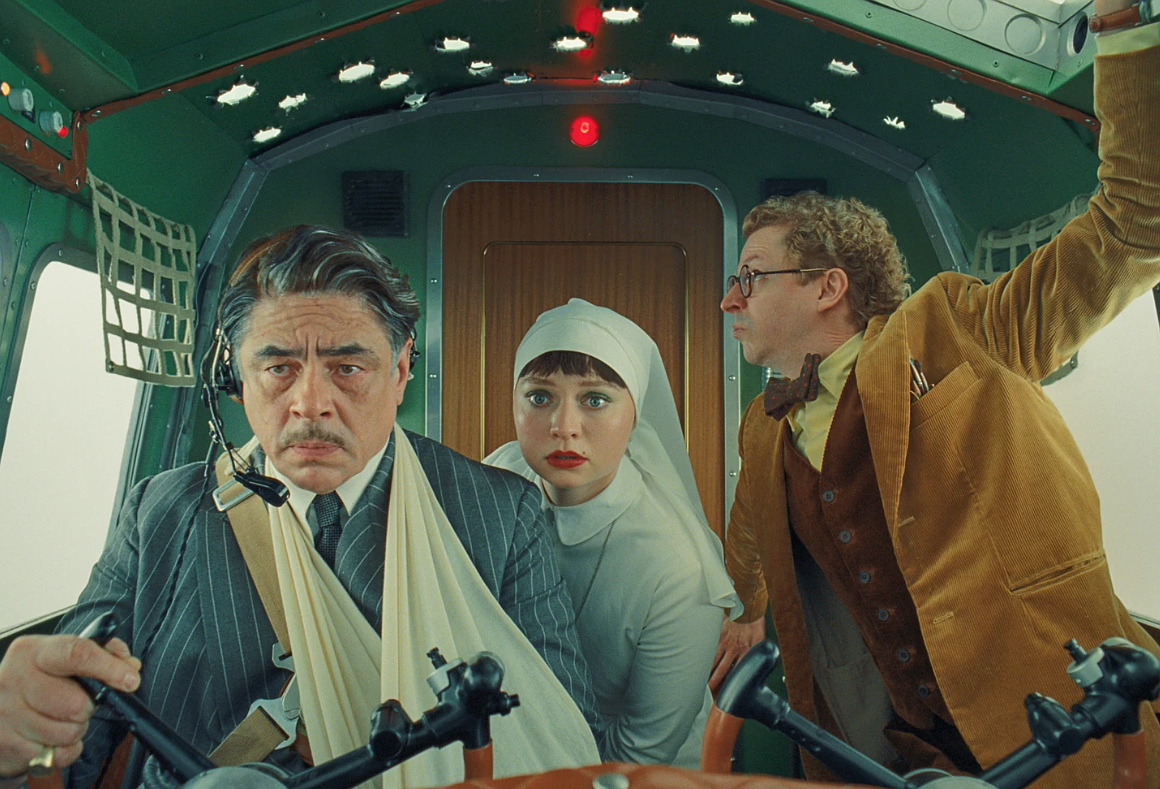
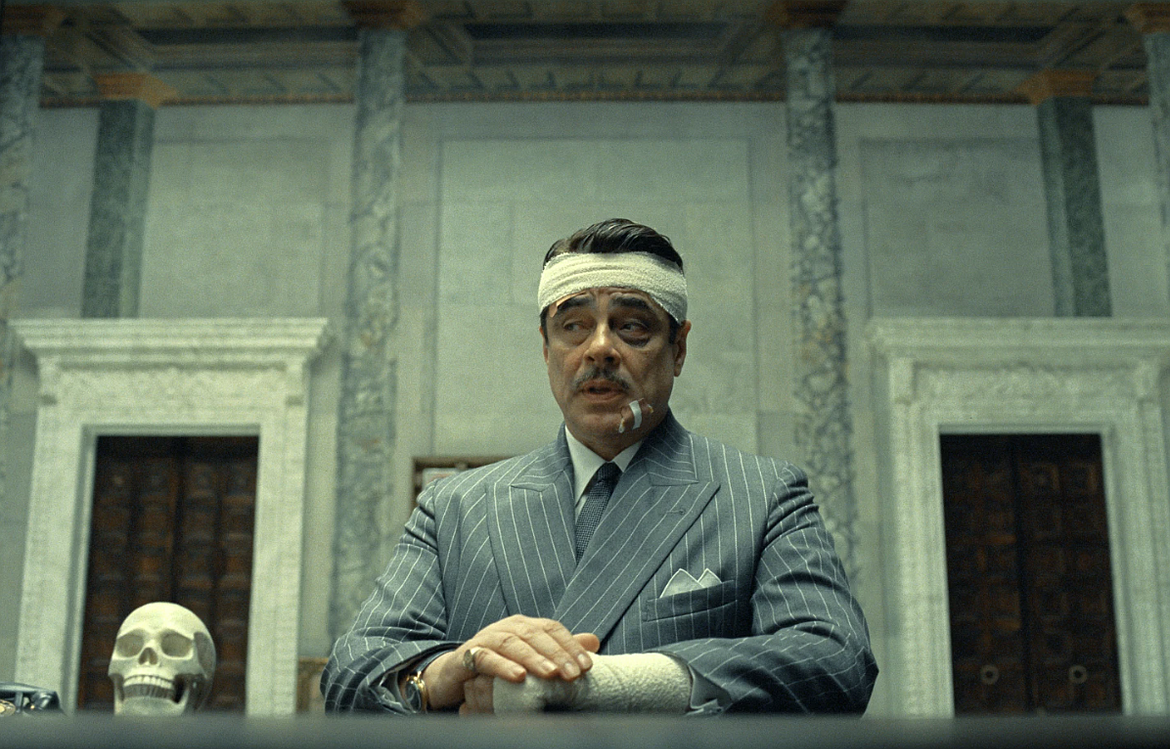
Every new Wes Anderson movie comes with an expectation of precise design and intricately assembled images.
The filmmaker of “The Royal Tenenbaums” and “The Grand Budapest Hotel” makes movies like nobody else, and devoted fans of his work will find more to love in his latest release, “The Phoenician Scheme.”
As a gently comedic tale of 1950s corporate espionage, “The Phoenician Scheme” features a collection of vaguely defined eccentrics, including the likes of Tom Hanks, Bryan Cranston, Jeffrey Wright and Scarlett Johansson in small-but-memorable roles.
Unlike the nesting doll-style storytelling of recent efforts like “Asteroid City” and “The French Dispatch,” Anderson’s new film tells a linear, economic story about morally bankrupt industrialist Zsa-Zsa Korda (Benicio del Toro) who dodges a serious of assassination attempts as he tries to retain financing for his latest, massive infrastructure project (one that requires the use of slave labor to make a profit). Korda, unsure of who to trust, turns to his estranged daughter, Liesl (Mia Threapleton), who is about to commit her life to being a nun. Korda’s scheme doesn’t really require his daughter’s participation, leading Liesl to wonder about Korda’s intentions. Also along for the adventure: A Norwegian entomologist-turned-tutor-turned-administrative assistant played by Michael Cera with a thick, amusing accent. Because this is a Wes Anderson movie, after all.
The narrow focus on these three characters steadies the film as it globetrots to various destinations and schemes for Korda to fool his investors into spending more money. Del Toro relishes in the lead role, Threapleton serves as the emotional hook of the film and Cera fits so naturally into the Anderson Universe you’d think this was the actor’s 10th collaboration.
As a certified Anderson enthusiast, this author probably can’t meaningfully convince his detractors that the filmmaker’s ornate compositions act as instruments for complex storytelling. Some, maybe fairly, see his work as stylistic distraction that can suffocate his narrative ideas.
If it means anything, “The Phoenician Scheme” is more straightforward and accessible, despite the intentionally convoluted dynamics of Korda’s business gambit. After being enraptured by the somber thematic resonance in “Asteroid City” (a movie that still contains plenty of humor), I didn’t find myself particularly stirred by Anderson’s follow-up, particularly in how it attempts to become a movie about a father and daughter trying to do better for each other. It’s a dynamic that, I suspect, becomes richer on subsequent viewings, though it feels thinly threaded on first impression.
My reaction, then, leads me to believe that those who felt perplexed by the mechanizations of “Asteroid City” and “The French Dispatch” might see “The Phoenician Scheme” as a diverting and enjoyable return to form.
Any Wes Anderson is good Wes Anderson. Preference of substyles may vary.
•••
Tyler Wilson can be reached at [email protected].
 This image released by Focus Features shows Benicio Del Toro in a scene from "The Phoenician Scheme."