
THE CHEAP SEATS with STEVE CAMERON: Cougs cuts could signal a change in college sports
Coeur d'Alene Press | UPDATED 1 year, 2 months AGO
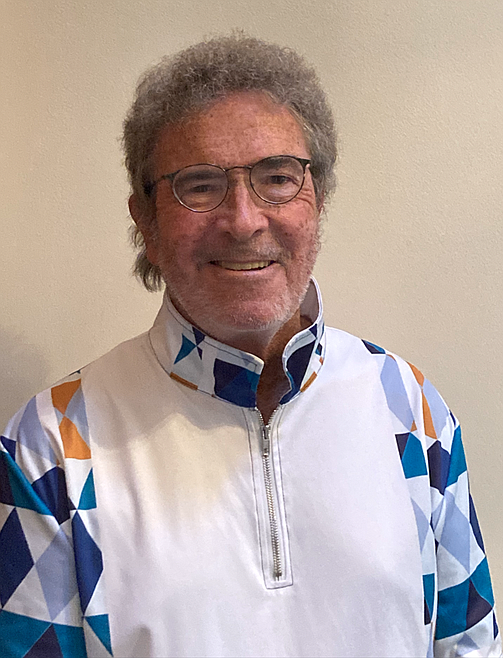
Steve Cameron
Wazzu will be the canary in a coal mine.
It’s not exactly a desirable position, but we’ve come to an era in college athletics where this sort of thing will be commonplace.
Student-athletes don’t exactly seek out programs that require canaries.
However.
When you accept a scholarship at Washington State these days — particularly for any of the non-revenue Olympic sports — you’re risking some duty in the coal mine.
If there was any doubt about how precarious sports other than football and men’s basketball might become, the hatchet taken to Wazzu’s track and field program this week made it official.
The university issued a statement (without taking questions or adding information) announcing that field events will no longer be offered as scholarship sports at WSU — and that sprinting/hurdling will also be cut.
With some exceptions on those.
No matter, the main point in this day of expanding budgets and stretched revenue, is that a school like Washington State cannot afford to subsidize a complete laundry list of sports.
If you’re not a follower of Cougar track and field, by the way, these distance races that will be kept in-house have a long history of success in Pullman.
IT’S EASY to see why the administration stopped without hacking the longer races that have made WSU a big player in that world.
The Coug glamor goes back to Gerry Lindgren in the early 1960s and has continued through a string of record-setting Kenyans that placed Wazzu firmly on the distance-running map.
But let’s go back to that canary in the mine for a minute.
You can be certain that dozens — maybe hundreds — of schools that are searching for ways to meet impossible budgets will be watching Washington State.
How much fuss will cutting a large chunk of the track program cause among WSU students, alums and supporters?
Athletic director Anne McCoy and director of track and field and cross country Wayne Phipps met with the affected athletes privately, then issued a two-paragraph statement and disappeared.
The key sentence they left behind: “This change gives the WSU Track and Field program the best opportunity to remain competitive at the conference and national levels in distance events in cross country, indoor track and field, and outdoor track and field.”
Please bear with me on this repeated coal mine reference, because there really is something to watch here.
WSU itself and plenty more schools that would like to pick their sports a la carte (the ones that aren’t expensive or give the university a legacy that works with donors) will be waiting to see if there’s any serious blowback to dropping field events on the Palouse.
MEANWHILE, you can’t blame sections of the public for being confused.
As part of the House settlement just hammered into place, universities can directly pay athletes up to a total of $20.5 million — while off-campus collectives are still raking in huge troves of cash to dole out at will.
A friend of mine who is a casual sports follower (but no more than that) read about the cuts at Wazzu and asked an obvious question.
“I thought these schools were going to pay athletes now,” she said. “Won’t that fund track and other sports?”
No, it won’t.
Every penny of that $20.5 million, plus whatever the collectives toss in the pot, is needed for football and basketball.
Those are the sports that provide some revenue and keep athletic departments treading water.
Money has to come from somewhere to make sure that third-string running back has a scholarship.
Plus: Do you have any idea how much it costs to ship a football team (with all its equipment, staff and hangers-on) for a weekend on the other side of the country?
Multiply that by a few games and you could buy a top-of-the-line estate on the shore of Lake Coeur d’Alene.
In other words, big money.
Shockingly big money.
That $20.5 million will disappear like it whooshed away in a 10-minute bonfire.
Related note: BYU found $7.3 million in NIL money down behind the couch — enough to pay ONE special basketball player for ONE season.
An inescapable truth is looming.
Washington State won’t be the only school that begins picking its scholarship sports off the entrée menu.
I fear for the life of our canary.
Email: [email protected]
Steve Cameron’s “Cheap Seats” columns appear in The Press three times each week, normally Tuesday, Wednesday and Friday unless, you know, stuff happens.
Steve suggests you take his opinions in the spirit of a Jimmy Buffett song: “Breathe In, Breathe Out, Move On.”