
Research collaborations address potato virus management challenges
NANCE BESTON | Hagadone News Network | UPDATED 1 year AGO
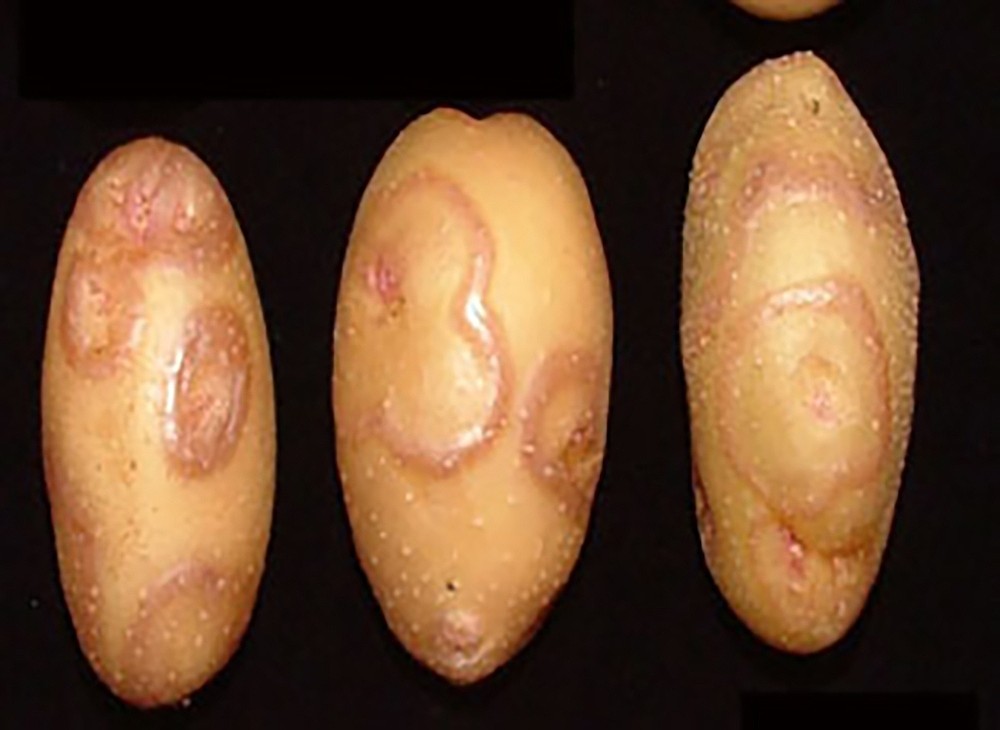
Potato Virus Y was the topic of a breakout session at the Washington-Oregon Potato Conference.
COURTESY PHOTO//USDA AGRICULTURAL RESEARCH SERVICE
KENNEWICK – At a presentation hosted at the Washington – Oregon Potato Conference Jan. 29, leading researchers discussed their ongoing projects aimed at combating potato viruses—challenges that are becoming increasingly significant for the potato industry across the United States.
Alex Karasev, a faculty member at the University of Idaho and project director for the USDA Specialty Crop Research Initiative, provided insights into his comprehensive project focused on the management of two key viruses affecting potatoes: Potato Virus Y (PVY) and Potato Mop Top Virus (PMTV).
“Potato Virus Y affects crop yield significantly,” Karasev said. “Studies show that even a 1% infection can result in a loss of 0.7 tons per hectare in the field. The quality of tubers is also affected, leading to severe market losses.”
The SCRI project, initiated in fall 2020 at the peak of the COVID-19 pandemic, brings together researchers from nearly all potato-producing states across the nation. The collaborative effort examines virus vectors and effective management strategies, giving particular attention to aphids as vectors for PVY, and the soil-dwelling organism Spongospora subterranea, which transmits PMTV.
“Being that the Pacific Northwest accounts for approximately 60% of potato production in the U.S., the research happening here carries national significance,” Karasev said.
The project has achieved several milestones since its establishment, he said. Two isolates of Spongospora subterranea were subjected to genome sequencing in North Dakota and Oregon. In parallel, monitoring programs to assess PVY strain composition have been conducted in various regions.
The team hosted hands-on workshops aimed at educating industry participants about direct tuber testing.
“We were thrilled to attract over 40 attendees to our training session in Wisconsin, demonstrating the industry’s eagerness to adapt new virus detection methodologies,” Karasev said.
In a separate study addressing soil health and crop management, a team of researchers analyzed the impacts of soil fumigation and cover crops on potato fields. Conducted by agricultural scientist Ray Qin, the study aimed to understand the interaction between common fumigation practices and the introduction of cover crops.
“Soil health has become a pressing issue in agriculture, with more than 90% of topsoil displaying some health issues since the 1950s, largely due to practices like soil fumigation,” Qin said. “My colleagues and I wanted to explore whether cover crops could recover soil health impacted by fumigation practices.”
The researchers-initiated field trials over two years, deploying different fumigation treatments and cover crop types—including mustard and fall rye—to assess their efficacy. Qin detailed the methodology during the presentation, sharing insights into soil preparation, cover crop planting, and subsequent potato yield measurements.
“Over the course of our trials, we did not observe significant differences in the total yield or marketable yield of potatoes between the various treatments,” Qin reported, suggesting that both fumigation and cover crops have a minimal impact on final yield outcomes in the particular conditions tested.
While the study did indicate that fumigated soils carried fewer beneficial microbes, Qin emphasized the critical nature of timing in implementing both fumigation and cover crop strategies.
“The timing of cover crop introduction after soil fumigation is crucial,” Qin said. “Our findings underscore that cover crops may play a role in preventing erosion, but their impact on soil health can be limited if not properly executed.”
ARTICLES BY NANCE BESTON

1 arrested after Highway 17 stop; detectives recover fentanyl, firearms
MOSES LAKE — The Moses Lake Street Crimes Unit conducted a traffic stop on Highway 17 near Randolph Road and executed a search warrant Friday morning as part of an ongoing narcotics investigation.

4th-year drought declaration in WA, subtle effects in the Columbia Basin
EPHRATA — Washington’s fourth straight year of drought is expected to hit some regions hard, but in Grant and Adams counties, the impacts will look different – quieter, less visible and centered underground. Statewide, the Department of Ecology issued an emergency drought declaration after a warm winter left Washington with about half its usual snowpack, raising concerns about low summer streamflows, stressed fish populations and heightened wildfire risk. Seven of the past 10 years have included drought somewhere in the state. “If you look at our mountains, the challenge we are facing is clear,” Gov. Bob Ferguson said during a press conference Wednesday. “We’re taking emergency action to protect fish, farmers and communities across Washington.”

Sleep Diagnostic Center to close after doctor’s sentencing
MOSES LAKE — The Central Washington Sleep Diagnostic Center announced it will be closing its doors effective April 30. This includes locations in Moses Lake, Spokane Valley, Brewster and Wenatchee. The announcement follows the March 25 guilty plea from Dr. Eric Edward Haeger, 57, in United States District Court to adulterating and misbranding medical devices with the intent to defraud or mislead, according to a statement from the U.S. Attorney’s Office. “The adulterations by Dr Haeger show a dangerous disregard for the safety of his patients,” Washington Attorney General Nick Brown said in a statement. “This is a win for patient safety, for protecting public dollars from fraud, and for ensuring citizens of Washington get necessary healthcare. This case exemplifies the great work our team is doing in collaboration with our federal partners to fight fraud and protect Washingtonians.”