
New wildlife feeding ban takes effect in WA amid concerns of CWD
NANCE BESTON | Hagadone News Network | UPDATED 10 months, 3 weeks AGO
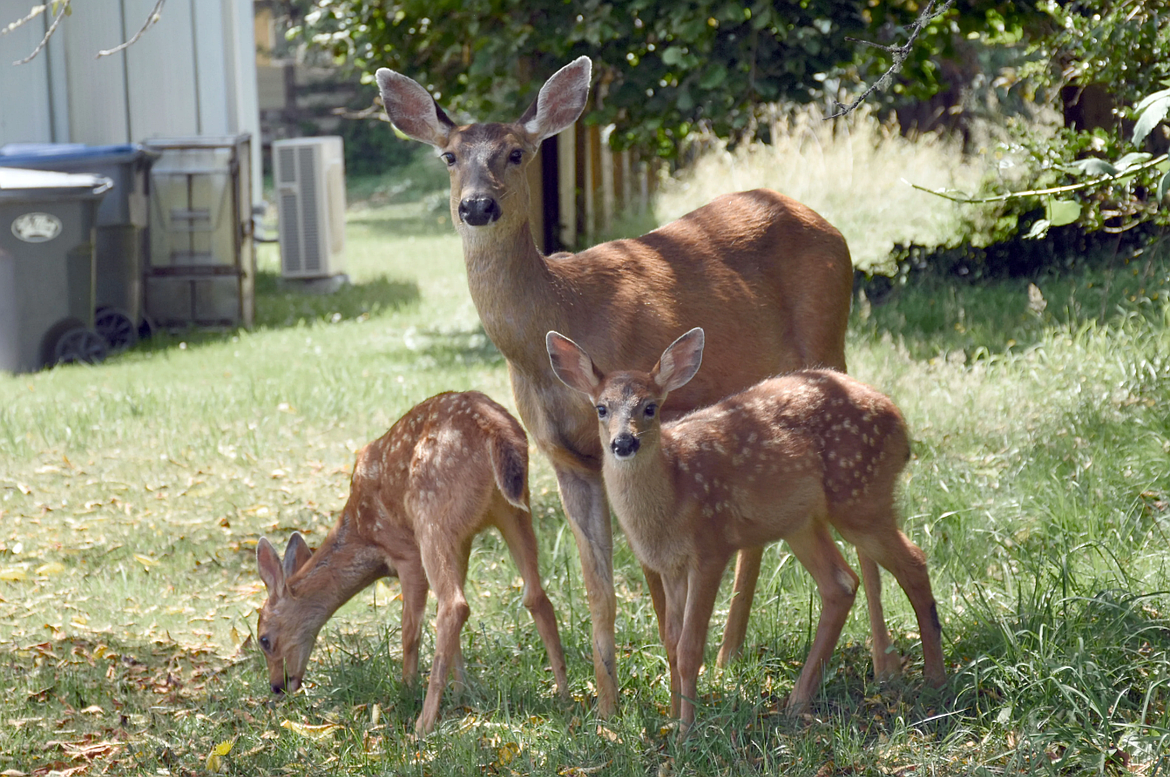
The Washington Department of Fish and Wildlife recently adopted new rules prohibiting feeding deer, elk and moose statewide. The measure is a result of chronic wasting disease in the state.
COURTESY PHOTO/WDFW
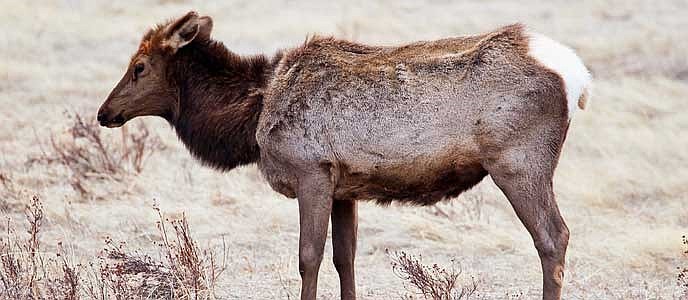
A sickly female elk. The Washington Department of Fish and Wildlife just passed a new rule prohibiting the feeding of deer, elk and moose in the state. The rule is a result of chronic wasting disease and WDFW said preventing feeding sites will mitigate disease spread.
OLYMPIA — The Washington Department of Fish and Wildlife has adopted new regulations prohibiting the feeding of deer, elk and moose statewide, effective last Friday.
This decision comes as a precautionary measure to mitigate the risk of transmitting Chronic Wasting Disease, an always-fatal neurological disease that affects cervids, among Washington’s wildlife populations.
The rule was formed in response to the discovery of CWD in Eastern Washington for the first time in 2024. With no known cure for this disease, state officials identified the need to reduce concentrations of cervids at feeding sites, which could accelerate the spread of this and other wildlife diseases.
Kyle Garrison, an ungulate specialist from the WDFW, emphasized the dangers of wildlife congregations due to feeding practices during a hearing on March 18.
“Artificially increasing cervid concentrations raises the potential for disease transmission. When CWD is present, feeding can facilitate frequent exposure to prions through animal contact and contaminated sites,” he explained.
The regulations apply not only to direct feeding, but another rule change March 24 also restricts baiting animals during hunting, both because of CWD.
Public feedback during the hearing revealed a mix of support and skepticism surrounding the new regulations. Out of 453 comments received, many attendees expressed agreement with the ban, understanding its necessity in limiting the potentially devastating impacts of CWD.
However, some voiced concerns about whether the science behind the regulations was robust enough, noting that deer, elk, and moose are social animals that naturally aggregate.
Others had concerns around potential economic impacts related to hunting and wildlife tourism in regions where these practices were previously common.
Despite the mixed reactions, WDFW officials reiterated that feeding wildlife is neither biologically necessary for survival nor beneficial for their health. The ban, according to WDFW, is a step in promoting the overall wellness of Washington’s wildlife populations, particularly in light of the threats posed by diseases like CWD.
The health risks associated with wildlife feeding extend beyond disease transmission. Animals accustomed to human-provided food may venture onto roads or become more exposed to predators, according to WDFW.
The digestive systems of these animals are not equipped to handle non-natural foods, with diets involving fruit and grains leading to health complications like rumen acidosis, a metabolic disorder caused by a sudden dietary shift, according to WDFW.
WDFW encourages the public to support wildlife through habitat preservation rather than feeding.
To this end, the agency is promoting its Habitat at Home program, which offers tips for creating natural environments that support wildlife year-round. Residents are also urged to report sightings of sick or injured animals to help monitor health-related issues within wildlife populations.
“I realize this change may be difficult for those who enjoy feeding local wildlife, but the practice is not biologically necessary for these animals to survive,” Garrison said. “Ceasing feeding is a significant way for the public to help minimize the impacts of CWD in our state.”
What is Chronic Wasting Disease?
Chronic wasting disease is a fatal neurologic illness of cervids, which include deer, elk, moose and caribou. CWD is caused by an infectious prion protein and transmitted from animal to animal through feces, saliva, urine or through contaminated environments.
Most animals with CWD appear normal until the end stages of the disease when they show signs of weight loss, lethargy, drooping ears, excessive salivation and urination and loss of fear of people.
There is no cure for CWD, and testing tissue collected from the head of carcasses is the only way to determine if an animal is infected with it.
SOURCE/WDFW
 A sickly female elk. The Washington Department of Fish and Wildlife just passed a new rule prohibiting the feeding of deer, elk and moose in the state. The rule is a result of chronic wasting disease and WDFW said preventing feeding sites will mitigate disease spread.
ARTICLES BY NANCE BESTON

1 arrested after Highway 17 stop; detectives recover fentanyl, firearms
MOSES LAKE — The Moses Lake Street Crimes Unit conducted a traffic stop on Highway 17 near Randolph Road and executed a search warrant Friday morning as part of an ongoing narcotics investigation.

4th-year drought declaration in WA, subtle effects in the Columbia Basin
EPHRATA — Washington’s fourth straight year of drought is expected to hit some regions hard, but in Grant and Adams counties, the impacts will look different – quieter, less visible and centered underground. Statewide, the Department of Ecology issued an emergency drought declaration after a warm winter left Washington with about half its usual snowpack, raising concerns about low summer streamflows, stressed fish populations and heightened wildfire risk. Seven of the past 10 years have included drought somewhere in the state. “If you look at our mountains, the challenge we are facing is clear,” Gov. Bob Ferguson said during a press conference Wednesday. “We’re taking emergency action to protect fish, farmers and communities across Washington.”

Sleep Diagnostic Center to close after doctor’s sentencing
MOSES LAKE — The Central Washington Sleep Diagnostic Center announced it will be closing its doors effective April 30. This includes locations in Moses Lake, Spokane Valley, Brewster and Wenatchee. The announcement follows the March 25 guilty plea from Dr. Eric Edward Haeger, 57, in United States District Court to adulterating and misbranding medical devices with the intent to defraud or mislead, according to a statement from the U.S. Attorney’s Office. “The adulterations by Dr Haeger show a dangerous disregard for the safety of his patients,” Washington Attorney General Nick Brown said in a statement. “This is a win for patient safety, for protecting public dollars from fraud, and for ensuring citizens of Washington get necessary healthcare. This case exemplifies the great work our team is doing in collaboration with our federal partners to fight fraud and protect Washingtonians.”