
WISe program helps youth amid mental health crises
NANCE BESTON | Hagadone News Network | UPDATED 10 months, 3 weeks AGO
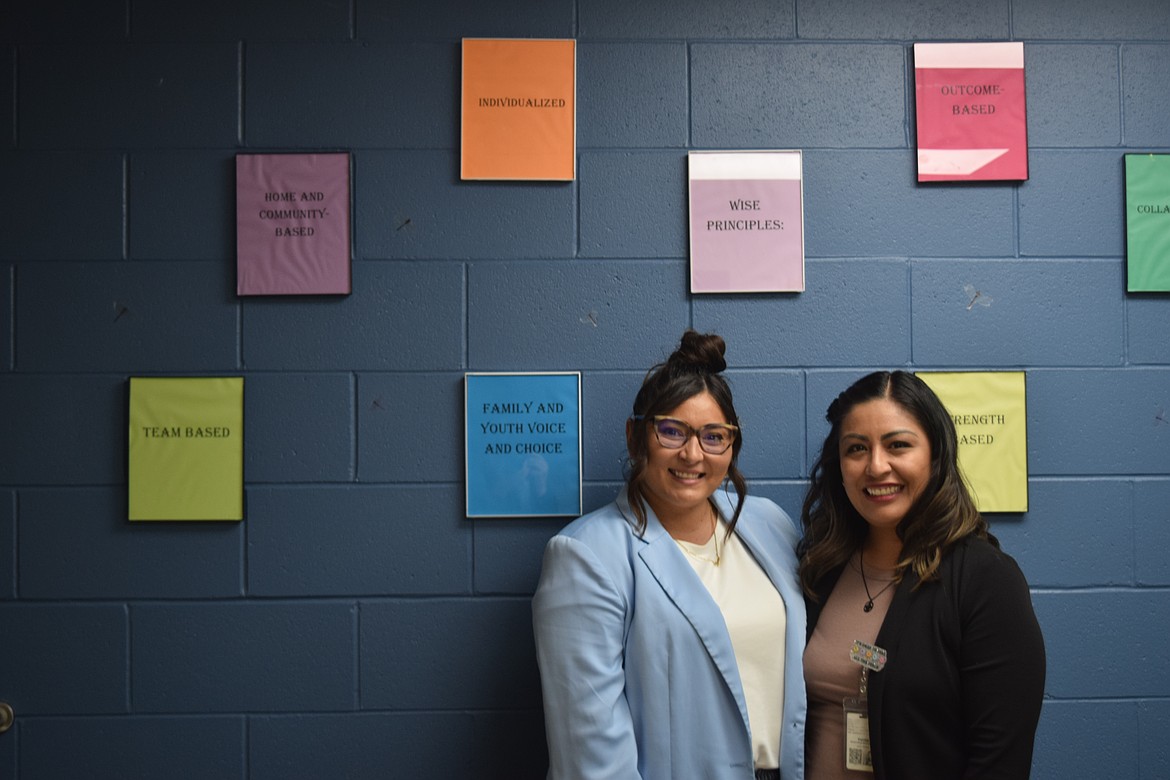
Wraparound with Intensive Services Clinical Manager Tanya Núñez, left, and WISe Direct Supervisor Velma De La Rosa, right, said the program has been a major success over recent years with 43 graduates in 2024.
NANCE BESTON/COLUMBIABASINHERALD
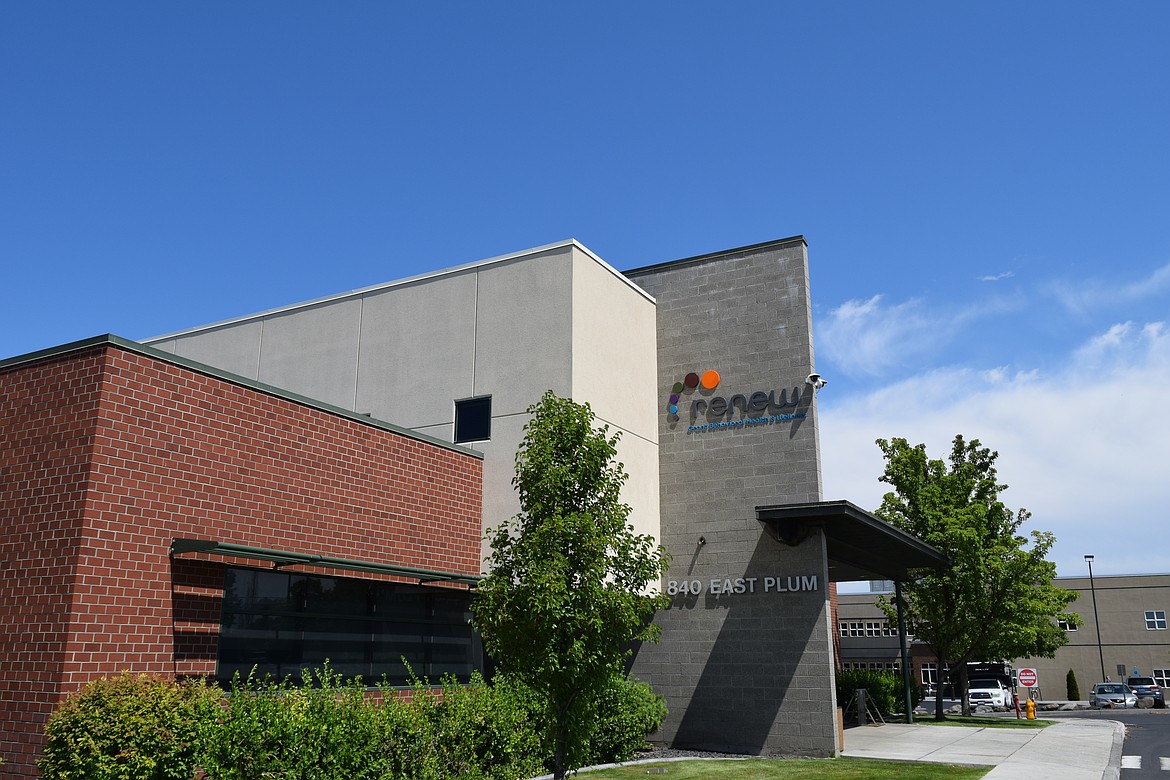
The Renew Building houses the Wraparound with Intensive Services for three Moses Lake teams. WISe provides thorough services to families and children struggling. The program allows for self-referrals for high needs, high risk behavior children.
“This kind of transformation is what motivates us. When families recognize their child’s potential, it's rewarding to witness their growth.”
– Tanya Núñez, WISe Clinical Manager
MOSES LAKE —The Wraparound with Intensive Services program is making significant strides in addressing the mental health needs of youth in Washington, according to the Grant County Direct Supervisor of WISe, Velma De La Rosa.
“The biggest part of WISe is that we really allow youth and families to lead their care,” said De La Rosa. “They set the goals, and we create a plan based on their strengths—everything is centered around their voice, culture, and unique experiences.”
Launched in 2013 following a lawsuit against the Department of Social and Health Services and Health Care Authority, WISe was designed to provide tailored support for young people age 20 and younger who face mental health challenges.
“The lawsuit was filed because Washington realized they were missing health care for a large portion of youth, especially around mental health care,” De La Rosa said. “WISe was the solution to ensure youth had access to mental health resources, especially in times of crisis.”
Grant County currently has five teams of WISe specialists, including three in Moses Lake, one in Quincy and one in Ephrata. The teams divide up the rest of the small towns in the county.
Who is it for?
WISe is for youth in crisis, De La Rosa explained. She said they see a lot of children who are struggling with behavioral issues, suicidal ideations, skipping school, gang involvement, drug usage and other issues.
She said the program is dedicated to delivering a comprehensive and team-oriented approach, bringing together professionals and trusted individuals into the youth's life.
“Specifically, they are targeted for high needs, high risk behavior kids,” De La Rosa said. “We essentially see the kids that are dealing with the juvenile system or family that is CPS involved, failing school, high suicide, homicidal, self-harming. We also deal with kids that are not going to school. Just any high risk, high needs are our target populations.”
The program focuses on supporting families in achieving their goals through flexibility, constant support and individualized care. The services are coordinated by a team that includes family members, peers, and professionals tasked with addressing each child's unique needs and circumstances.
De La Rosa explained that the program can only take families that use Medicaid or Medicare as of right now. Anyone who is privately insured cannot use the services.
Enrollment
The first step for enrollment into the program is with a referral process. De La Rosa explained that schools and medical professionals can refer families to the program. They also receive referrals from people visiting Renew’s Crisis Center, where the program shares a building. People can also self-refer.
After a referral, the program begins with a screening process using the Child Adolescent Needs and Strengths tool, which assesses various life areas, including family dynamics and educational needs. Candidates are matched with a care team that includes a care coordinator, family peer, youth peer, and therapist.
“If the child's (Child and Adolescent Needs and Strengths assessment, or) CANS score shows that WISe would be appropriate, we begin explaining to parents what the process will be like. This program is intense, and we try to be very transparent about that before enrolling families,” De La Rosa said. “If the child doesn’t appear to need our services according to their CANS score, we will refer them to other programs in Renew to ensure they still get help.”
The level of engagement is intense, averaging 10.5 hours a month of direct service. This intervention model has resonated strongly with struggling families, especially those facing significant barriers.
“There are moments when families feel overwhelmed, and WISe is often viewed as a last hope,” said Tanya Núñez, clinical manager for the WISe program. "But when we collaborate with families to identify their needs and strengths, we can develop effective strategies to help them thrive."
Diverse populations
Moreover, the WISe program has made significant strides in ensuring that it meets the needs of diverse populations, including undocumented families, De La Rosa said. The program is designed to be accessible and compassionate, recognizing the barriers these families face in accessing mental health services.
“Our bilingual staff ensure that language is not a barrier to receiving mental health support,” De La Rosa added. “Ensuring everyone feels welcome and understood is an integral part of our mission. We are genuinely committed to making a difference in the lives of all children.”
Successes
Success stories from families enrolled in the program serve as testament to its impact. For instance, a nonverbal autistic youth previously disengaged from school is now attending for four hours a day after receiving dedicated support.
“This kind of transformation is what motivates us,” Núñez said. “When families recognize their child’s potential, it's rewarding to witness their growth.”
In another instance, a youth who was frequently leaving school and experiencing significant behavioral issues has successfully transitioned back into a full day of classes. His care team implemented structured goals that allowed him to gradually return to the classroom.
“The staff went above and beyond to support him, and he has made fantastic progress,” said Núñez. “It’s success stories like these that validate our efforts.”
The sense of community fostered within the program is also noteworthy. The WISe team holds regular graduation ceremonies to celebrate each child’s achievements upon completing the program. In 2024, they had a total of 43 graduates. Núñez said grads and their families often express how critical the program has been in their lives.
“When parents and youths tell us that they never knew things would get better, it reinforces why we do what we do,” said De La Rosa. “It shows that change is possible.”
After graduation, children are provided with less intense services, De La Rosa explained. Many times, families are able to stop using all of the resources altogether.
"Our ultimate goal is to give youth the tools they need to fly on their own," Núñez said. "And exiting the program doesn’t mean it’s the end of the journey; it’s just the beginning of a brighter future."
 The Renew Building houses the Wraparound with Intensive Services for three Moses Lake teams. WISe provides thorough services to families and children struggling. The program allows for self-referrals for high needs, high risk behavior children.
ARTICLES BY NANCE BESTON

1 arrested after Highway 17 stop; detectives recover fentanyl, firearms
MOSES LAKE — The Moses Lake Street Crimes Unit conducted a traffic stop on Highway 17 near Randolph Road and executed a search warrant Friday morning as part of an ongoing narcotics investigation.

4th-year drought declaration in WA, subtle effects in the Columbia Basin
EPHRATA — Washington’s fourth straight year of drought is expected to hit some regions hard, but in Grant and Adams counties, the impacts will look different – quieter, less visible and centered underground. Statewide, the Department of Ecology issued an emergency drought declaration after a warm winter left Washington with about half its usual snowpack, raising concerns about low summer streamflows, stressed fish populations and heightened wildfire risk. Seven of the past 10 years have included drought somewhere in the state. “If you look at our mountains, the challenge we are facing is clear,” Gov. Bob Ferguson said during a press conference Wednesday. “We’re taking emergency action to protect fish, farmers and communities across Washington.”

Sleep Diagnostic Center to close after doctor’s sentencing
MOSES LAKE — The Central Washington Sleep Diagnostic Center announced it will be closing its doors effective April 30. This includes locations in Moses Lake, Spokane Valley, Brewster and Wenatchee. The announcement follows the March 25 guilty plea from Dr. Eric Edward Haeger, 57, in United States District Court to adulterating and misbranding medical devices with the intent to defraud or mislead, according to a statement from the U.S. Attorney’s Office. “The adulterations by Dr Haeger show a dangerous disregard for the safety of his patients,” Washington Attorney General Nick Brown said in a statement. “This is a win for patient safety, for protecting public dollars from fraud, and for ensuring citizens of Washington get necessary healthcare. This case exemplifies the great work our team is doing in collaboration with our federal partners to fight fraud and protect Washingtonians.”