
THE CHEAP SEATS with STEVE CAMERON: No safe bets in sports gambling
Coeur d'Alene Press | UPDATED 1 month, 1 week AGO
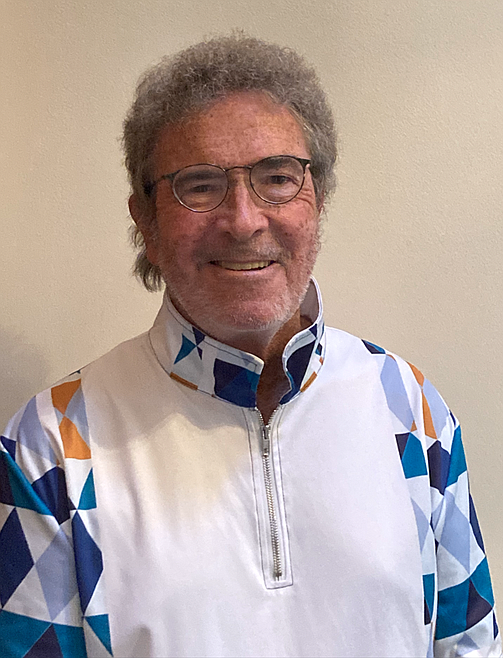
Steve Cameron
I was convinced gambling would stay out on the very edges of sport.
Oh, sure, there are billions bet on games every year, with marketing execs, delivery drivers and everyone else putting up $20 a pop on the Seahawks-Arizona game.
Or maybe it was $100, a wager that Jaxon Smith-Njigba would catch a touchdown pass in the first half.
Who would care about that bet?
No harm, no foul.
But all of us who put “minor issue” in a sentence about how gambling would affect sports were wrong.
Dead wrong.
Dangerously wrong.
It turns out that athletes — not many, but enough — are still giving in to the temptation of easy money.
Even players earning boatloads of cash from their teams risk everything by hooking up with professional gamblers.
When you hear about one of baseball’s premier closers, Cleveland star Emmanuel Clase, intentionally throwing a few pitches in the dirt to make sure some “partner” wins a bet, you have to roll your eyes.
Call me naïve, but I never imagined that a multi-millionaire could be so stupid.
Clase, a three-time All-Star and two-time American League Reliever of the Year, earned $4.5 million in 2025 — the fourth season of a $20 million, five-year contract.
LOOK, I’M no Pollyanna when it comes to sports gambling.
My dad was a regular (legal) bettor on horse races.
He was good at it — yes, successful wagering is more about science and stats than just luck — and I learned the basics of the biz.
Bottom line, be certain your potential reward outweighs the risk.
As for gambling itself: Where there’s money floating around, there will always be crooks trying to rig the payoffs.
That’s a given, and it’s also the reason horses take urine tests to keep the sport (even the betting side) as fair as possible.
Now, about humans cheating.
I’d never heard of this slider-in-the-dirt scam, maybe because it’s harder to pull off.
Clase bounced one with money riding on it, and he (and his money man) lost out when the batter actually swung at the pitch.
The most obvious opportunities to fiddle with results come in basketball.
Just this week, players from three schools (University of New Orleans, Mississippi Valley State and Arizona State) were banned for life.
The NCAA Committee on Infractions said these players — Dae Dae Hunter (UNO), Dyquavian Short (UNO) and Jamond Vincent (UNO) of New Orleans; Donovan Sanders (MVSU) and Alvin Stredic (MVSU) of Mississippi Valley State; and B.J. Freeman of Arizona State — were found to have manipulated games, shared insider information with known bettors, and misled investigators during questioning.
THERE’S an odd shadow over Freeman’s case.
Arizona State was the center of a big-money fixing scandal in the mid-1990s, when All-America guard Stevin (Hedake) Smith agreed to make sure that point spreads paid off for gambling confederates.
Smith and teammate Isaac Burton ultimately went to prison for money laundering.
ESPN aired a documentary on that entire affair, including the conversations and agreement between the players and a money man who was betting for all of them in Arizona casinos.
The group was worried that the large wagers on Arizona State would raise red flags for investigators, and that’s exactly what happened.
It would be interesting to see how the Hedake case might play out now — since the Supreme Court struck down any national ban on gambling in 2019, leaving enforcement (or lack of it) to individual states.
For instance, if you live in Coeur d’Alene and want to bet on this week’s showdown between the Seahawks and Rams, well, it’s illegal in Idaho.
Right across the border in Washington, though, you can bet the house at a nice casino — just a half-hour drive, but a world away legally.
One other set of laws comes into play here, too.
With collegiate athletes now free to take money (bags of it in some cases) via NIL, presumably it would be harder to find a star player willing to fiddle with game action and final scores.
Hedake Smith would have been hauling in around $2 million per season (at least) from ASU boosters.
At the time he missed those critical shots, Hedake was just a broke college kid.
He’d be rockin’ with NIL cash these days.
Would he still be tempted to clank a free throw?
Hmmm.
I confess.
Getting into a gambler’s mind isn’t as easy as I thought.
Email: [email protected]
Steve Cameron’s “Cheap Seats” columns appear in The Press three times each week, normally Tuesday, Wednesday and Friday unless, you know, stuff happens.
Steve suggests you take his opinions in the spirit of a Jimmy Buffett song: “Breathe In, Breathe Out, Move On."