
Are you aware of the risks of taking Ozempic?
Cristal Dyer | Coeur d'Alene Press | UPDATED 4 months, 1 week AGO
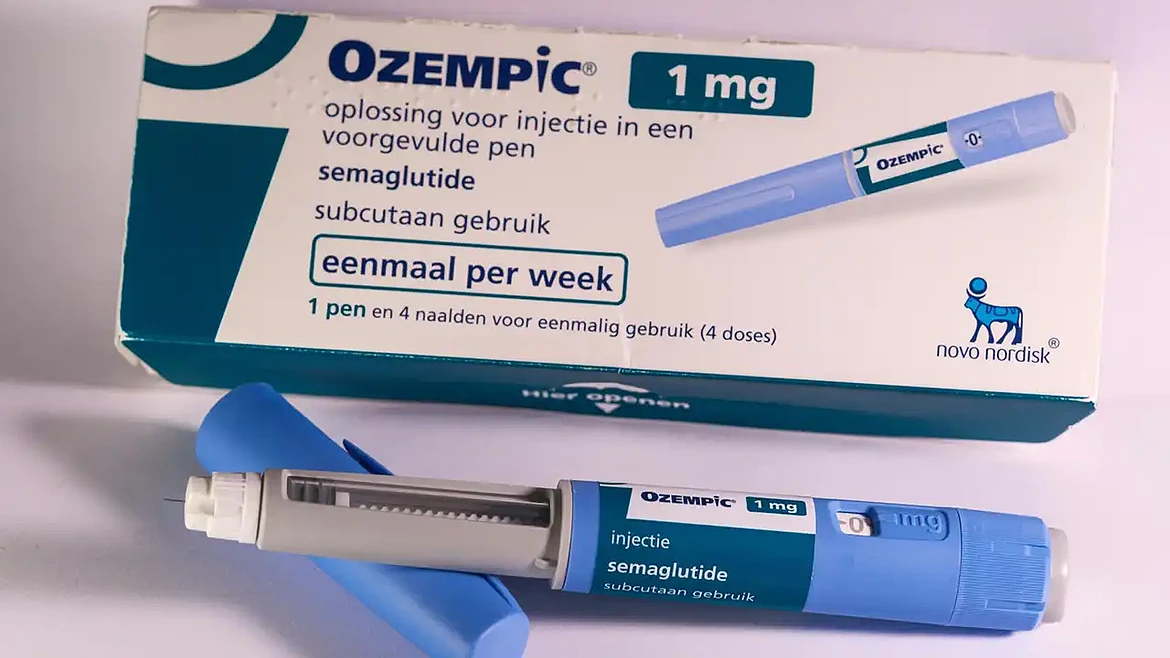
Thinking about starting Ozempic? The biggest risks of taking Ozempic are tied to its gastrointestinal side effects (nausea, vomiting, and digestive issues), but there are also more serious concerns like pancreatitis and gallbladder problems.
You've seen the weight loss headlines. You've heard the buzz from friends, influencers, and even your doctor. The conversation around Ozempic often skips the fine print, however.
From digestive distress to skin-sinking weight loss, many users are blindsided by what happens after the script is filled. If you're taking Ozempic or considering it, this article will walk you through everything your pharmacist might not have time to explain.
What Is Ozempic and How Does It Work?
Ozempic is a prescription drug used to treat type 2 diabetes. It belongs to a class of drugs called GLP-1 receptor agonists, which help lower blood sugar by triggering insulin release and slowing down digestion.
Ozempic is also known for its effect on appetite, which is why some people use it for weight loss. Still, it's not approved for that specific purpose unless prescribed off-label by a doctor.
What Is the Biggest Side Effect of Ozempic?
The most common problem people report with Ozempic is digestive upset. Nausea, vomiting, diarrhea, constipation, and stomach pain are all fairly routine reactions, especially in the first few weeks. These are the most widely reported Ozempic side effects across clinical trials and patient reviews.
These symptoms usually show up when the dose is first started or increased. The drug slows how fast food leaves the stomach, which helps control appetite but can lead to these side effects. In some respects, your body just needs time to adjust to the new pace of digestion.
Most of these issues go away with time. However, if symptoms keep getting worse or last more than a few weeks, you should speak to your doctor.
Other Physical Risks of Taking Ozempic
There are other things to watch for while using Ozempic. One of the more noticeable issues is a condition people have started calling Ozempic face.
It refers to facial changes from rapid weight loss. Cheeks can look hollow, skin may sag, and some people lose volume around the eyes and jawline.
There are also risks related to the way the medication is injected. It goes just under the skin, which sometimes causes irritation, redness, or light bleeding. Rotate the site with each injection to lower the risk of a skin reaction.
Some rare but serious issues may include slower stomach emptying (known as gastroparesis), pancreatitis, or gallbladder attacks. These are uncommon, yet they can be dangerous if ignored.
In some cases, you could face risks beyond personal health. One example is the rise in Ozempic lawsuit filings in recent years. Some users claimed they were not properly warned about complications like stomach paralysis and severe vomiting.
These cases are still in progress, but they've added pressure on manufacturers to issue clearer Ozempic health warnings.
What Should You Not Do While on Ozempic?
Using Ozempic safely means making a few changes to your routine. Some foods and habits increase the risk of side effects, especially when the drug is still new to your system.
People using Ozempic should avoid the following:
- Eating large meals that cause bloating and nausea
- Drinking alcohol which could affect blood sugar or stomach issues
- Lying down right after eating, which can trigger acid reflux
- Skipping meals or under-eating, which can lead to dizziness or fatigue
- Injecting into the same spot repeatedly which increases the chance of skin irritation
Tips for Managing Side Effects
There are simple ways to lower your chance of dealing with side effects. These tips are commonly recommended by health professionals and may ease your adjustment.
To feel better day to day, try this:
- Eat bland, low-fat meals like crackers, toast, or broth
- Avoid greasy or sugary foods, which can upset your stomach
- Take smaller bites and eat slowly during meals
- Drink clear or cold liquids to stay hydrated
- Change your injection site every week to prevent irritation
- Consult your healthcare provider during dose changes to avoid issues
When to Seek Medical Attention
Some side effects of Ozempic are warning signs of more serious problems. You shouldn't wait to call your doctor if you notice anything severe or unusual.
Call a doctor right away if you notice any of the following:
- Sudden, severe pain in your stomach or back
- Ongoing vomiting or diarrhea that won't stop
- Yellowing skin or eyes, which could mean liver trouble
- Trouble passing gas or bowel movements for more than a day
Frequently Asked Questions
Can I Take Ozempic if I'm Not Diabetic?
Some doctors prescribe Ozempic off-label for weight loss, although it isn't FDA-approved for that use. You should discuss off-label uses with a qualified provider.
Is Weight Loss Guaranteed?
No. Ozempic doesn't work the same way for everyone. Some people lose weight quickly, others don't. Diet and physical activity still matter.
How Long Do People Usually Stay On Ozempic?
That depends. Some stay on it for years to manage their blood sugar. Others stop after reaching weight goals or due to side effects.
Does Ozempic Affect Fertility or Pregnancy?
It should be avoided during pregnancy or when trying to conceive. There isn't enough research to confirm it's safe during these times.
Can I Stop Ozempic Cold Turkey?
Technically, yes, but stopping suddenly may cause side effects to return. Talk to your doctor before making changes.
Will the Side Effects Go Away?
Most side effects improve with time or after a dose change. If they don't, your doctor may suggest switching medications.
Is Ozempic Addictive?
No, it's not addictive. That said, some people feel emotionally dependent on it for appetite control or weight loss support.
Your Next Steps With Ozempic
The risks of taking Ozempic range from mild digestive issues to rare but serious complications, and understanding them supports safer decision-making. This article outlined the most common concerns, what to avoid while using the drug, and when to reach out to a medical professional. Anyone considering Ozempic benefits from reviewing the facts and weighing their personal health needs.
For more guidance, updates, and expert insights, explore our News section and stay informed on the latest in diabetes care and weight-related health topics.
This article was prepared by an independent contributor which helps us continue delivering quality content to our audiences.