
Floor heating options for cozy homes
Billie Pollisotto | Coeur d'Alene Press | UPDATED 4 months, 1 week AGO
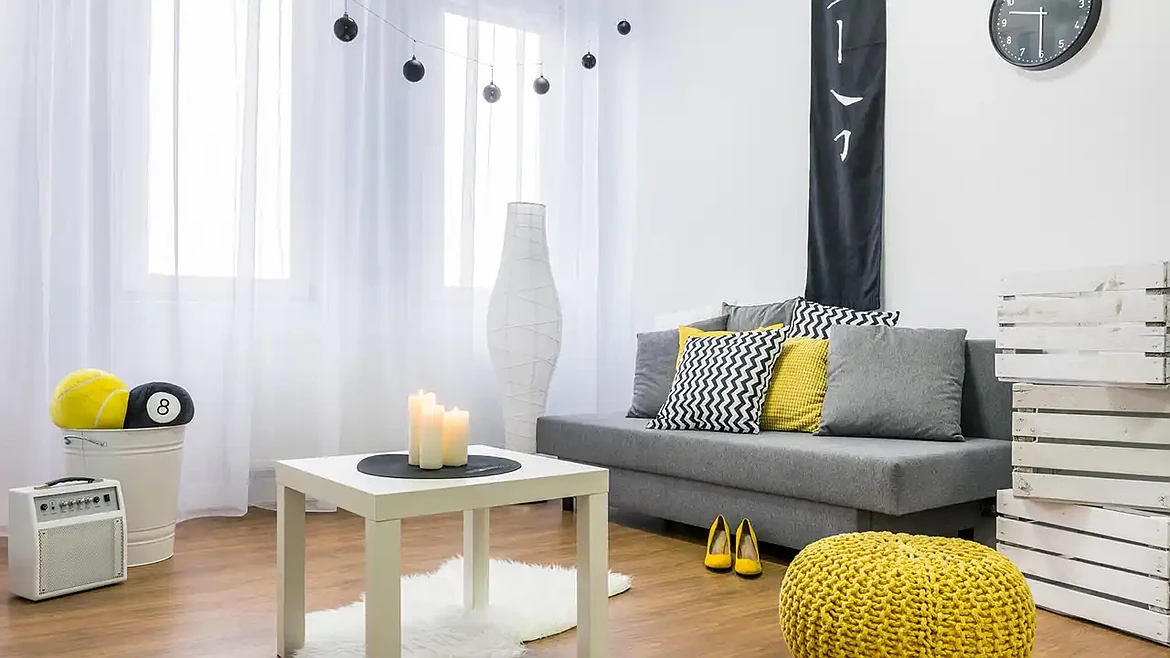
The right under floor heating options, like radiant floor heating create steady, room-wide warmth that starts under your feet, avoids cold spots, and delivers a calmer, quieter home environment than traditional forced-air systems.
Homeowners comparing choices will find that each option serves different budgets, renovation plans, and comfort goals. The right system depends on how your space is used, how quickly you want heat to respond, and how much installation work you are ready to take on.
Imagine stepping out of bed on a winter morning to find the entire room already warmed from the ground up. Many households are moving toward radiant systems because consistent heat distribution reduces the need for constant thermostat adjustments and creates a more comfortable backdrop for daily routines.
What Is the Best Floor Heat Option? Radiant Floor Heating
Radiant floor heating is a method of warming a room from the ground up through a system installed beneath the visible flooring surface. The concept relies on steady heat transfer from the floor into the surrounding space, which creates a comfortable environment without the cycling patterns associated with forced air equipment.
Homeowners often consider radiant systems during remodels or new construction because installation requires access to the subfloor. The system works quietly, spreads warmth evenly, and supports a consistent feel throughout the room.
Learn about radiant heat panels and decide what's right for your needs.
Hydronic Heating Solutions
Hydronic heating solutions use warm water circulated through tubing beneath the floor to create a steady, comfortable temperature throughout the room. A boiler or high-efficiency water heater supplies the heat, and a series of valves and manifolds regulate how the water moves through the system.
This approach delivers a gentle rise in warmth that spreads evenly from one end of the space to the other. Homeowners often consider hydronic systems when they want a long-term solution that supports full home heating rather than a single room upgrade.
One advantage of hydronic systems is their ability to maintain consistent comfort in larger spaces. Water holds heat effectively, which allows the system to operate at lower temperatures while still delivering a noticeable difference in the room.
Many homeowners appreciate the quiet operation because there are no fans, blowers, or ducts involved. Hydronic systems also offer flexibility in terms of heat sources, which can include boilers, tankless units, or solar-assisted designs, depending on the home's layout.
What Should Homeowners Consider Before Installation?
Homeowners planning floor heating should understand several factors that influence both performance and long-term comfort. The condition of the subfloor is the first priority. The following factors can affect how well the system transfers heat:
- Uneven surfaces
- Moisture issues
- Structural gaps
- Surface cracks
- Loose subfloor panels
Installers often recommend preparing the subfloor carefully so the heating elements or tubing can operate at a consistent temperature across the entire room. Flooring choice is another important consideration because certain materials handle radiant heat more effectively than others.
Energy needs and system compatibility play a major role. People renovating small bathrooms often find that electric systems fit their goals, while full home projects usually rely on hydronic designs that can support larger zones.
Homeowners should also consider thermostat placement and zoning layouts because radiant systems work best when controlled with gradual adjustments rather than rapid temperature swings.
Maintenance for Underfoot Heating Systems
Underfoot heating systems require steady but straightforward care to keep them running efficiently. Electric radiant setups usually need occasional thermostat checks to confirm that the sensors cycle properly and that the system reaches the intended temperature without unexpected fluctuations.
Most of the heating elements remain sealed beneath the floor, so visual inspections are not part of routine upkeep. Hydronic systems have additional components that benefit from periodic attention, including:
- Pumps
- Valves
- Water supply
- Circulators
- Temperature sensors
Annual service appointments help confirm that water pressure, temperature settings, and flow rates remain within recommended ranges.
Some hydronic systems may accumulate air in the tubing over time, which can lead to uneven heating. A technician can release that trapped air through the manifold to restore full performance.
Homeowners should also pay attention to changes in flooring behavior, such as cool patches or inconsistent warmth along one side of a room, because early detection prevents small concerns from developing into larger repairs. Keeping the system's power supply, water source, and thermostat in good condition ensures that the heating elements operate smoothly throughout the season.
FAQs
What Runs Your Electric Bill up the Most?
Heating and cooling equipment often accounts for the largest share of a household's energy use because it works continuously to maintain indoor temperature. Water heaters can also raise monthly costs since they keep water at a set temperature throughout the day.
Large appliances add to overall usage when they run frequently, especially in busy households. These include:
- Refrigerators
- Clothes dryers
- Washing machines
- Chest freezers
Electronics that remain plugged in around the clock can raise bills through standby power draw. Homes that pay attention to insulation, thermostat habits, and the condition of older appliances often see noticeable improvements with energy-efficient heating.
Is Vinyl Plank Flooring Good for Radiant Heat?
Vinyl plank flooring often works very well with radiant heat as long as it is installed according to the manufacturer's temperature guidelines. Many modern vinyl products are engineered to handle the gradual, consistent warmth produced by radiant systems, which helps rooms stay comfortable throughout the day.
The most important considerations involve temperature limits, subfloor preparation, and choosing a product labeled as compatible with underfloor heating. Vinyl plank flooring paired with radiant heat maintains stable performance and supports even heat distribution across the room.
Does Underfloor Heating Affect WiFi?
Underfloor heating does not interfere with WiFi signals in most homes because the materials used in radiant systems do not block or disrupt wireless transmission. WiFi performance depends on factors such as:
- Router placement
- Wall thickness
- Distance between rooms
- Any large metal objects near the signal path
Radiant systems use cables, mats, or tubing beneath the flooring, and these components remain insulated within the subfloor, which means they do not influence signal strength. Homes that experience weak WiFi usually find the cause in building layout or outdated equipment rather than the presence of underfloor heat.
Floor Heating Options: Now You Know
With these floor heating options, you should have a warmer home in no time.
Do you need more home renovation tips and tricks? Scroll through some of our other options.
This article was prepared by an independent contributor which helps us continue delivering quality content to our audiences.