
Quincy to pay Yakama Nation in civil settlement
CHERYL SCHWEIZER | Hagadone News Network | UPDATED 9 months, 2 weeks AGO
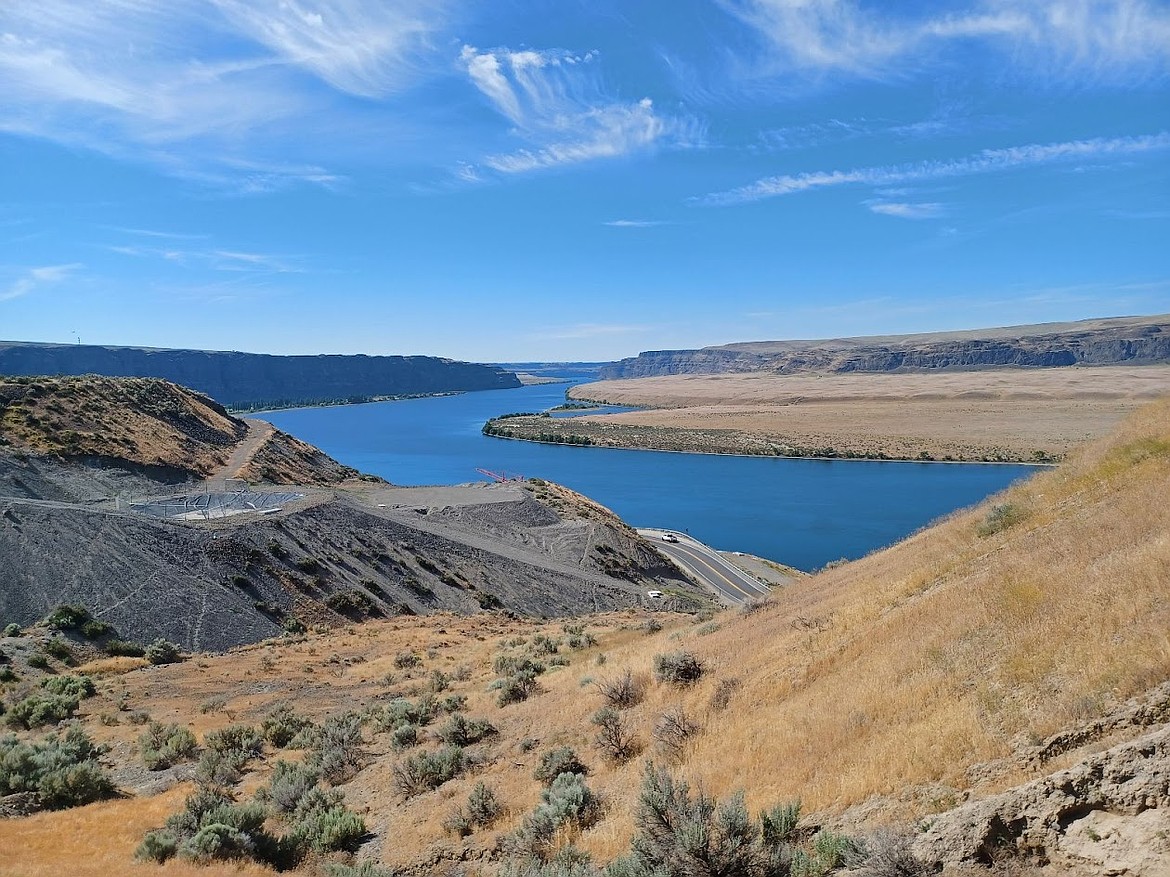
The city of Quincy will make a $400,000 payment for a Columbia River mitigation project by the Yakama Nation as part of the settlement of a civil lawsuit.
FILE PHOTO
Senior Reporter Cheryl Schweizer is a journalist with more than 30 years of experience serving small communities in the Pacific Northwest. She began her post-high-school education at Treasure Valley Community College and enerned her journalism degree at Oregon State University. After working for multiple publications, she has settled down at the Columbia Basin Herald and has been a staple of the newsroom for more than a decade. Schweizer’s dedication to her communities and profession has earned her the nickname “The Baroness of Bylines.” She covers a variety of beats including health, business and various municipalities. | November 22, 2025 3:13 PM
QUINCY — The city of Quincy will make a $400,000 payment to the Confederated Tribes and Bands of the Yakama Nation for fisheries restoration along the Columbia River. The payment is part of the settlement of a civil lawsuit brought against the city by the organization Columbia Riverkeeper. Tom Elliot, Yakama Nation fisheries manager, said the money will be used to pay part of the cost of riverbank restoration.
“The plans are to plant native riparian trees and shrubs, primarily cottonwoods and willows, to help redress historic and ongoing loss of riparian forest because of river regulations,” Elliott said in a press release
Quincy City Administrator Pat Haley said the lawsuit originated in a mistake at the city’s industrial wastewater treatment facility. The city has a separate facility for its domestic and most commercial customers; companies that use water for food processing have their own system. That’s the system that discharged the water that was the basis of the lawsuit, Haley said. That system was operated by a contractor who has since been replaced, he said.
City officials reported the violation to the Washington Department of Ecology.
“We self-reported,” Haley said.
The city and DOE agreed on a plan to keep it from happening again, Haley said. The city terminated its contract with the company running the facility and hired Jacobs, a Texas company with offices in Spokane and Yakima, to operate it.
Columbia Riverkeeper filed a civil suit in federal court in late 2024. The two sides came to an agreement in late October.
“We never went to court,” Haley said.
“The consent decree is a settlement of disputed facts and law. It not an admission or adjudication regarding any allegations by Riverkeeper in the notice letter, or in the complaint filed in this case, or of any fact or conclusion of law related to these allegations, nor evidence of any wrongdoing or misconduct on the part of Quincy,” according to the consent decree.
The city also agreed to upgrade the industrial wastewater treatment system, including a list of specific projects. Repairs and upgrades to the system were already underway, Haley said.
“We’ve got a good number of them already done,” he said.
The agreement gives the city three years to finish upgrades; Haley said Quincy is on track to be finished within that time frame.
ARTICLES BY CHERYL SCHWEIZER
Road projects on hold for Labor Day weekend
MOSES LAKE — With Labor Day weekend dead ahead, drivers will be able to move freely about the state. Most road projects are on hold for the holiday weekend. Nobody will be working on the Hansen Road overpass on Interstate 90, but the lane restrictions that are in effect will continue through the end of the project.
Cost estimates for water source alternatives given to Moses Lake City Council
Protected under the U.S. Endangered Species Act, efforts are ongoing to keep it self-sufficient
MOSES LAKE — It’s going to cost a lot of money to provide alternative water sources for the city of Moses Lake, but some of the possible alternatives will cost more than others. City officials provided the Moses Lake City Council with costs for various alternatives Tuesday.

Dryer vent cleaning is important -- but often overlooked
MOSES LAKE — Not all the maintenance a house needs is visible. Sometimes a potential problem just goes unnoticed until it causes trouble, sometimes serious trouble. But a lot of potential problems give off warning signs. Clothes dryers often do when they need a good cleaning.