
Smart food swaps that make daily protein intake effortless
Arin Barry | Coeur d'Alene Press | UPDATED 10 months, 1 week AGO
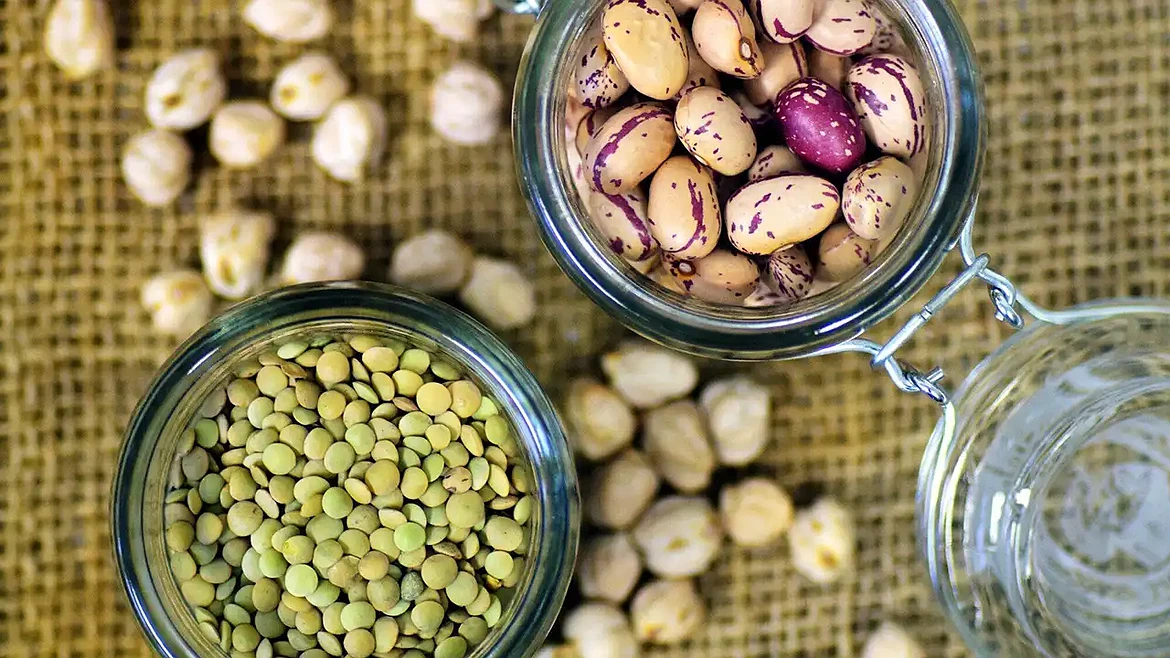
You can boost daily protein intake without a complete diet makeover by simply swapping low-protein staples for high-protein alternatives. These easy swaps work behind the scenes to upgrade your daily nutrition, support healthy muscles, and keep you fuller longer.
Every meal doesn't have to be filled with protein. Most Americans eat more than enough, especially meat, but that doesn't mean everyone's covered. In reality, older adults often don't get enough, and even when their intake is high, the type and timing of protein (when you eat it) can still fall short.
Whether you're plant-based, busy, or just unsure where to start, this guide will show you how to boost your protein intake easily. We are going to walk through practical swaps that make a difference, from breakfast to snacking.
Why Is It Essential to Include Protein in Our Diets?
Protein builds and restores nearly every part of the body, from muscles and skin to hormones and enzymes. Because your body can't store amino acids, you need a steady supply through your diet to stay healthy. Meeting a healthy daily protein intake offers several key benefits:
- Supports the repair and growth of muscles and tissues
- Helps maintain immune and hormone function
- Increases satiety and helps stabilize appetite
- Contributes to metabolic and bone health
Protein is having a moment. A recent Empower | The Currency study found that Americans are spending more on protein-packed foods, recognizing their role in energy, recovery, and overall wellness.
What Are the Signs of Low Protein Intake?
If you're constantly dragging through the day or feel weak after light activity, your muscles may not be getting what they need to recover and function well.
Keratin is the protein that forms nails and hair. When there's too little protein in the diet, you might notice more hair falling out, brittle nails, or slower growth of your hair and nails. Pay attention to these warning signs:
You're Getting Sick More Often
Protein helps power your immune system. It builds the antibodies and helps repair cells that fight off viruses and bacteria. If you catch colds more frequently or struggle to recover from them quickly, low protein intake could be contributing to the issue.
Cuts and Scrapes Take Longer to Heal
Tissue repair depends on protein. If minor wounds linger or bruises seem to last longer than usual, your body may be lacking the materials it needs to rebuild.
You're Not Building Lean Muscle And/or Are Losing It
Even with regular exercise, your body can't build or hold onto muscle without sufficient protein. If you notice your strength slipping or your body composition changing despite your workouts, it might be time to take a closer look at your protein intake.
You're Always Hungry, Even After Meals
Protein helps you feel full and satisfied. If you're constantly reaching for snacks or wanting sugar shortly after a meal, the meal has probably been missing the protein to balance your appetite.
How to Increase Protein Intake?
If you eat your healthy protein sources first, you're more likely to meet your daily protein goals. Here's where smart food swaps come in handy:
Replace Cereal With Greek Yogurt and Seeds
Most cereals are low in protein and high in sugar. Instead, have plain Greek yogurt (15-20g of protein per cup) and add chia or hemp seeds for an extra boost.
Opt for High-Protein Bread
Compare that to standard white bread, which only has 2-3g of protein per slice. Choose brands that contain at least 10g per serving. Spread with nut butter or cottage cheese for added protein.
Replace Rice With Quinoa or Lentils
Quinoa delivers 8g of protein per cup and includes all nine essential amino acids. Lentils provide 18g per cup and are very affordable.
Replace Sour Cream With Cottage Cheese
Cottage cheese has 13g of protein in a half cup, while sour cream has less than 2g. It's a simple swap for dips, baked potatoes, or tacos.
Snack on Roasted Chickpeas or Edamame
Ditch the chips and cookies. Roasted chickpeas have 6g of protein per ounce, and edamame has 17g per cup. You can also try a handful of nuts, or hummus and veggies.
Upgrade Your Pasta
Try lentil or chickpea-based pastas, which could contain up to 20g of protein per serving. This is more than twice that of traditional wheat pasta.
Add Protein Powder to Baked Goods
Use plain or vanilla protein powder in pancakes, muffins, or oatmeal. It is an easy way to boost protein intake without changing your routine.
Choose Minimally Processed Options
Lean meats, eggs, fish, and whole plant proteins are higher in quality than heavily processed alternatives. Avoid deli meats and packaged sausages, which often contain additives and lower protein density.
Frequently Asked Questions
How Much Protein Should I Try to Get a Day?
A common guideline for adults is to consume 0.8 grams of protein per kilogram of body weight. If you're older, more active, or trying to build muscle, your needs may be higher. Spread your intake across meals rather than having it all at once.
Can I Meet My Protein Needs if I Follow a Vegetarian or Vegan Diet?
Yes. While many plant proteins lack one or more essential amino acids, you can easily meet your needs by combining foods like beans and grains. Soy and quinoa are also great choices because they offer complete protein on their own.
Is Eating More Protein Always Better?
Once your body's needs are met, extra protein provides no additional benefits. In some instances, it can even cause dehydration or discomfort in the digestive system.
For individuals with renal disease or other underlying health issues, too much protein might put pressure on the kidneys or complicate nutrient balance.
Rethinking Daily Protein Intake One Meal at a Time
You don't need a perfect diet to meet your daily protein intake, just a few smart swaps and a little planning. By choosing higher-quality sources and spreading them throughout the day, you can support energy, strength, and long-term health. Small changes at each meal can add up to a big difference over time.
Hungry for more? Head to AMNEWS Food for practical guides and fresh ideas on healthy eating.
This article was prepared by an independent contributor which helps us continue delivering quality content to our audiences.