
Columbia Basin Hospital reintroduces $30 million bond proposal
NANCE BESTON | Hagadone News Network | UPDATED 6 months, 1 week AGO
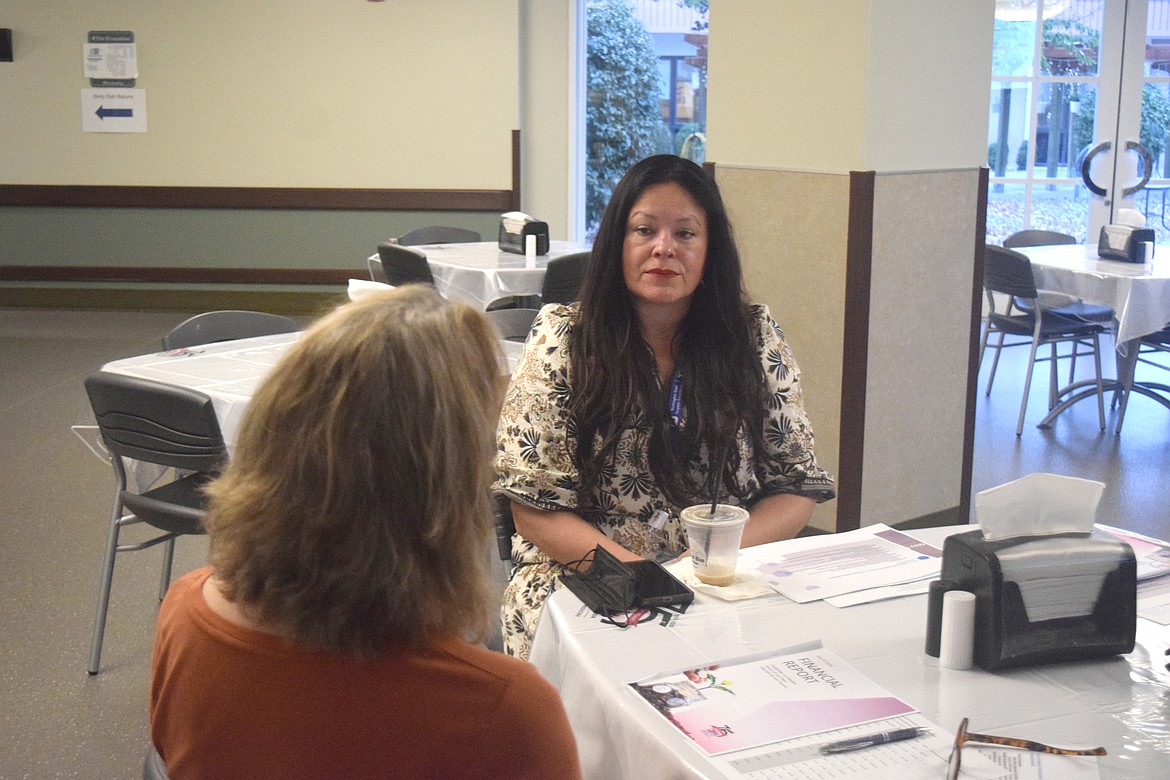
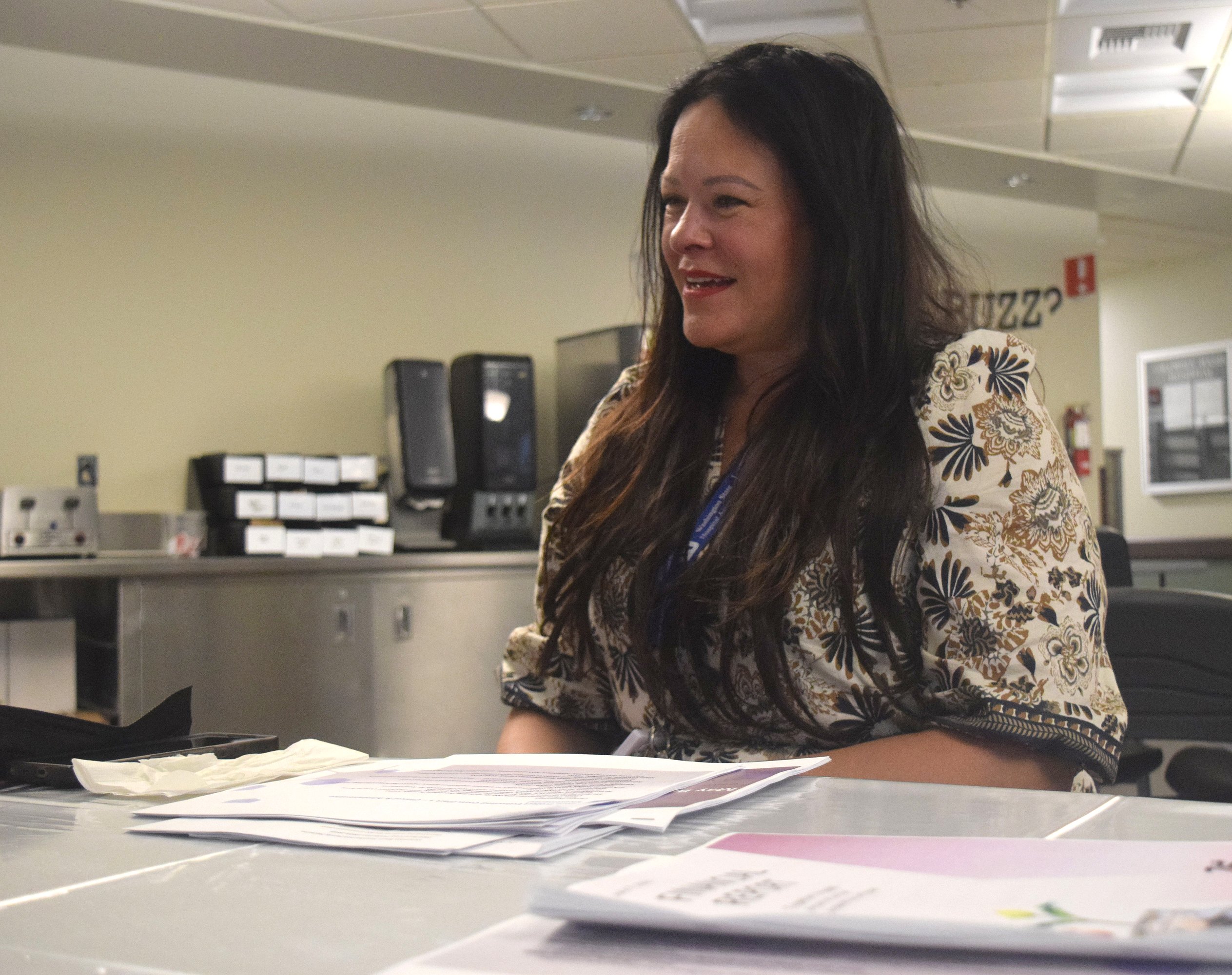
Columbia Basin Hospital Administrator Rosalinda Kibby talks with a member of the community at the town hall meeting Monday night about the upcoming bond proposition for the district.
NANCE BESTON/COLUMBIA BASIN HERALD
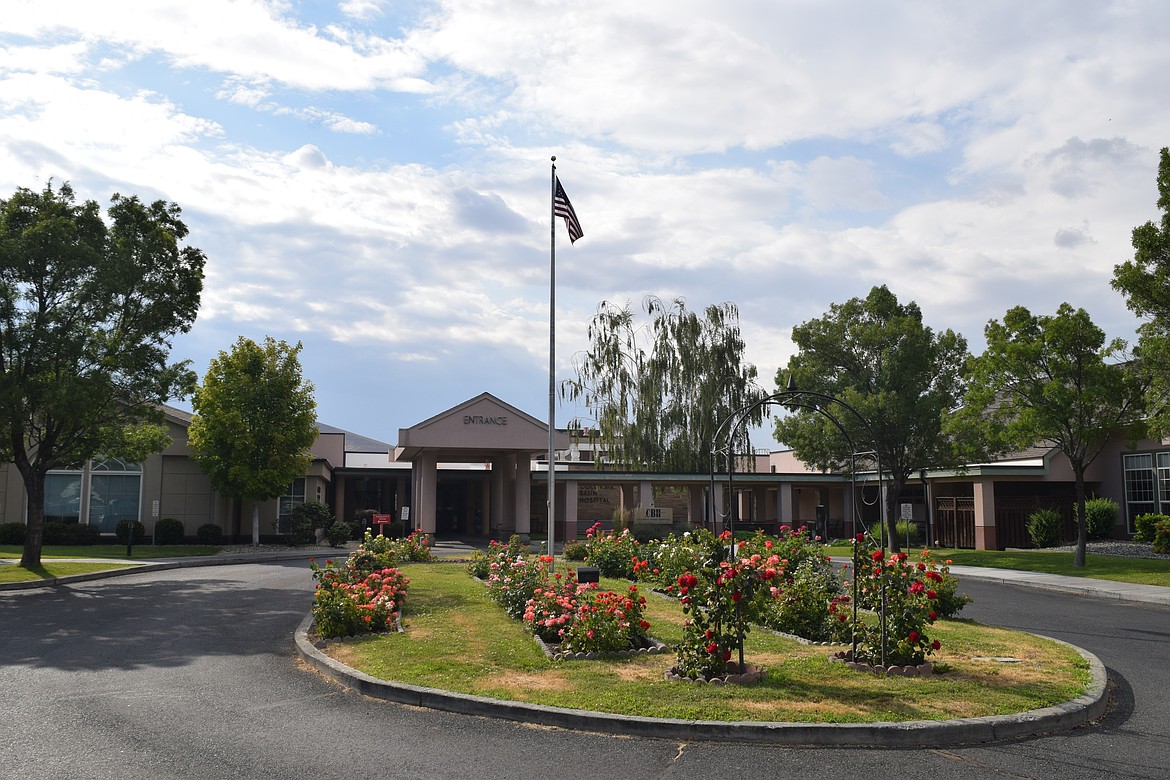
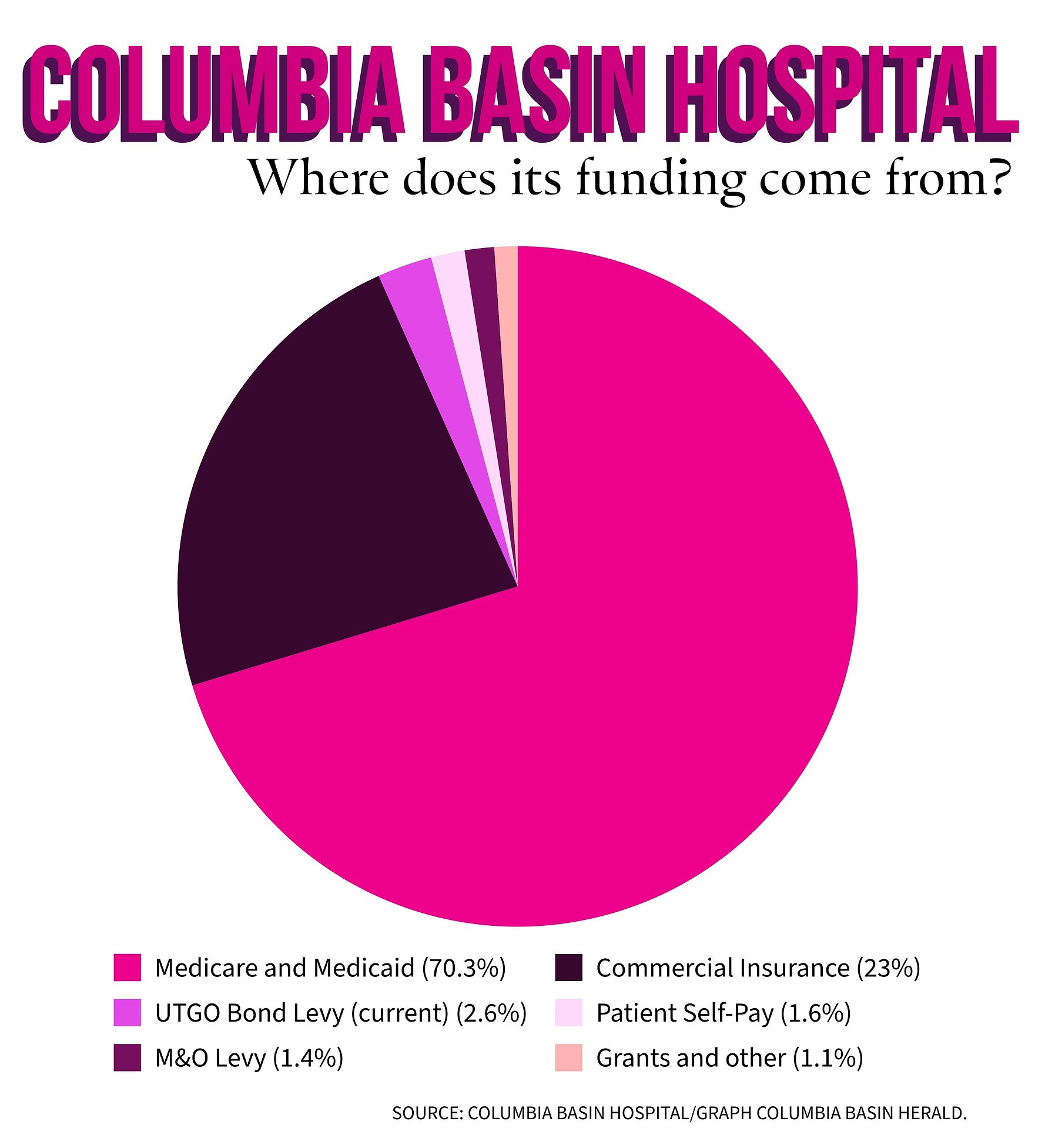
Columbia Basin Hospital is re-running a $30 million bond proposal in the general election. The district had run the proposal during the primary ballot, but it did not pass.
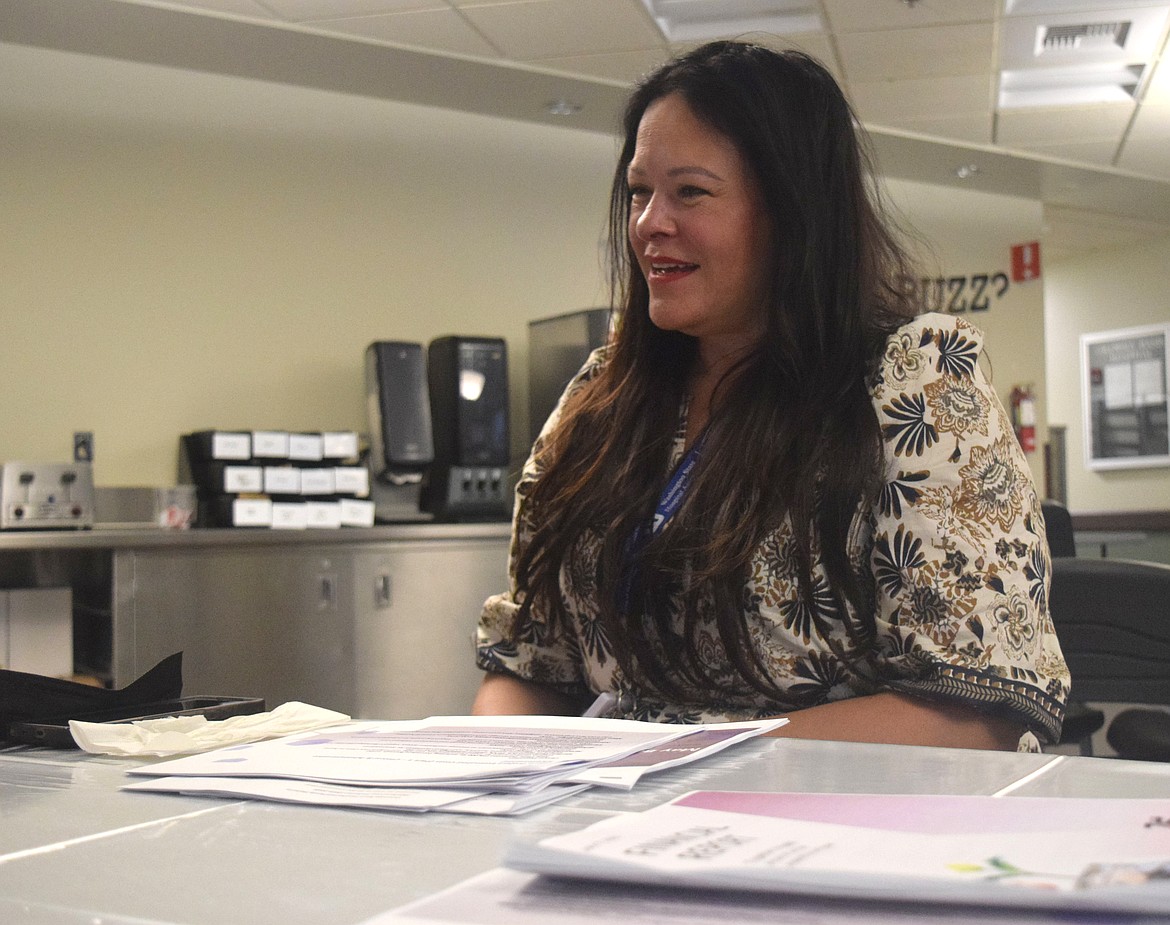
Columbia Basin Hospital Administrator Rosalinda Kibby said the district is investing in itself by asking for the bond measure. She said she feels as if she is investing in her grandchildren and the growing community in Ephrata by trying to expand services.
EPHRATA — Columbia Basin Hospital is once again submitting to the community a $30 million bond proposition aimed at expanding its facilities and services. The bond will go before voters in the November general election.
The bond was rejected during the primary election, with around 46% of voters in favor. It aims to address pressing infrastructure needs and enhance health services within the community, according to Administrator Rosalinda Kibby.
“We are a public hospital district which means that our only chance to fund a project this big. We can afford smaller projects like $10 million, $5 million or projects of that size. We just did the emergency department remodel for less than $5 million,” Kibby said. “But when it comes to adding a new building, that will need to be done with public help.”
Background
The bond proposal is the fifth request the hospital has made over the past 75 years, according to Columbia Basin Herald archives. The first was in 1954 to build the hospital. The second was in 1967 to add the long-term north wing of the facility. The third, in 1995, renovated the facility and added a new emergency room, clinic and assisted living facility. The most recent was in 2012, to add an impatient wing and rehabilitation gym and make structural improvements. The community will continue making payments on the 2012 bond until 2035.
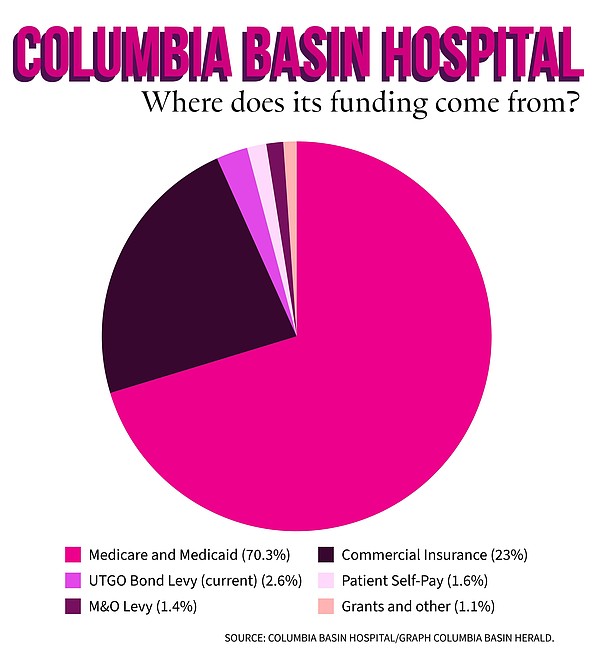
“Our financial position has been good,” Kibby said. “We have self-funded several projects over the years. The only way we can get funding from our community is through a voted bond and so our commissioners said, ‘Well, we need to do this. We have got to ask the community about it.’ If the community continually says, ‘Not now, not now, not now,’ then we will have to work through that. But we have to at least ask.”
Community cost
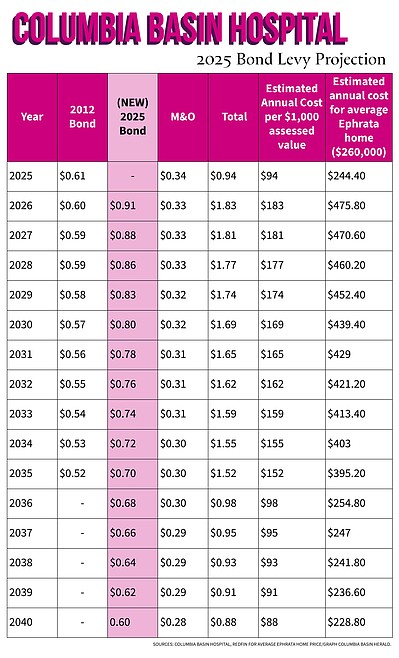
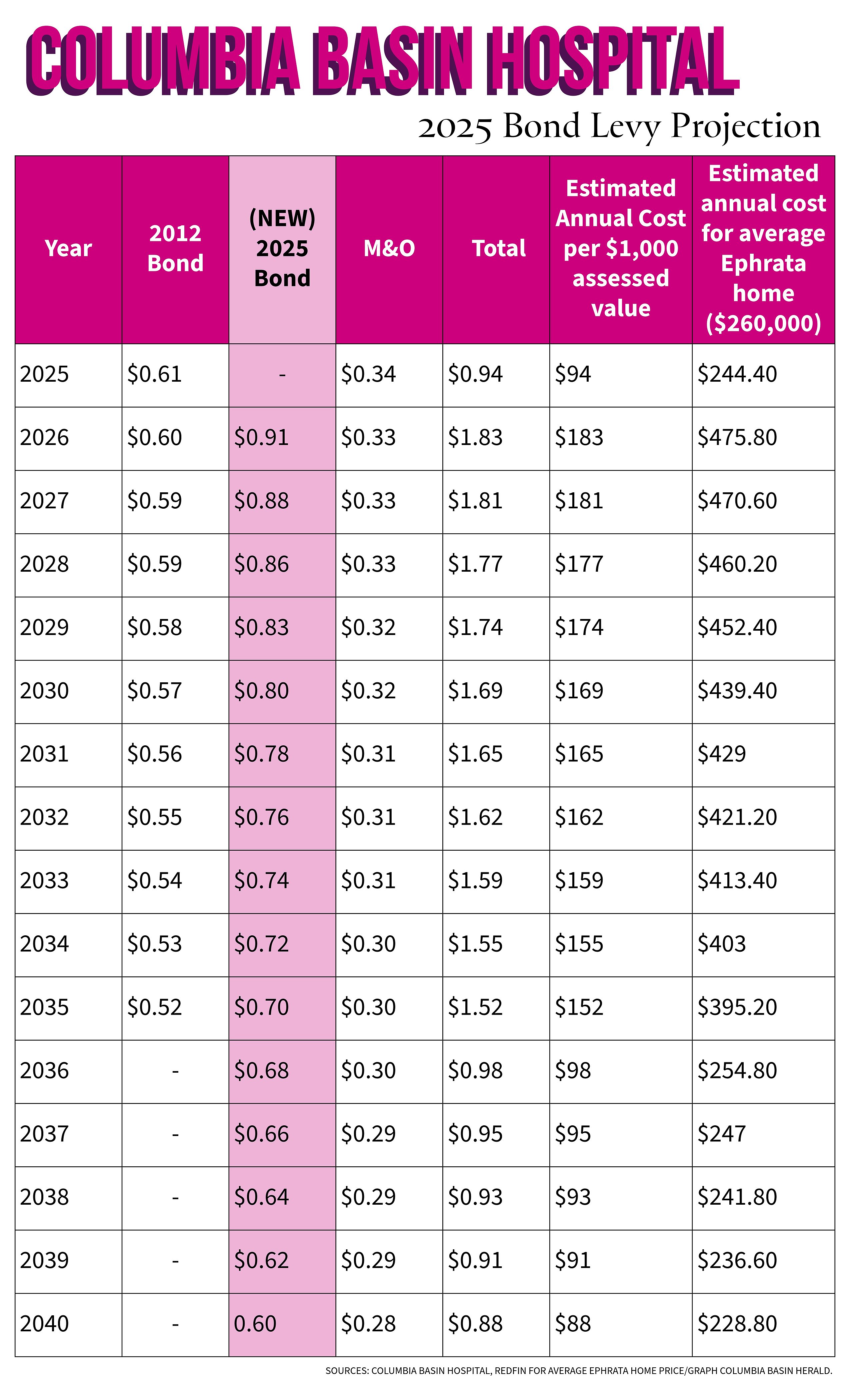
If voters approve the hospital district’s bond measure, the total property tax rate for landowners would be $1.83 per $1,000 of assessed value starting in 2026. This rate includes three components: about 60 cents from the existing 2012 bond, 91 cents from the newly proposed bond, and around 30 cents from the ongoing maintenance and operations levy.
The $1.83 rate is not added on top of current taxes – it represents the full amount for hospital-related property taxes.
According to projections, the total rate will gradually decrease over time: $1.81 in 2027, $1.69 in 2030, $1.52 in 2035, and less than $1.00 after 2035, continuing to decline through 2040.
“These are the highest estimated costs,” Kibby said. “It could absolutely be only 70 cents to the dollar once we do all the paperwork to finalize the bond. But we thought it was best to let people know what the highest would be, versus saying, ‘Oh, it’s going to be 70 cents,' and then it turns out to be 90 cents. That’s not right and we would never do that.”
Kibby said the district also doesn’t plan on spending the full $30 million, unless absolutely necessary.
“If we can get through this as inexpensively as possible, we want to. But you can’t go back to the voters if you’re a million short, or something like that. So once again, let’s ask for what we think the maximum would be.”
Project estimated costs
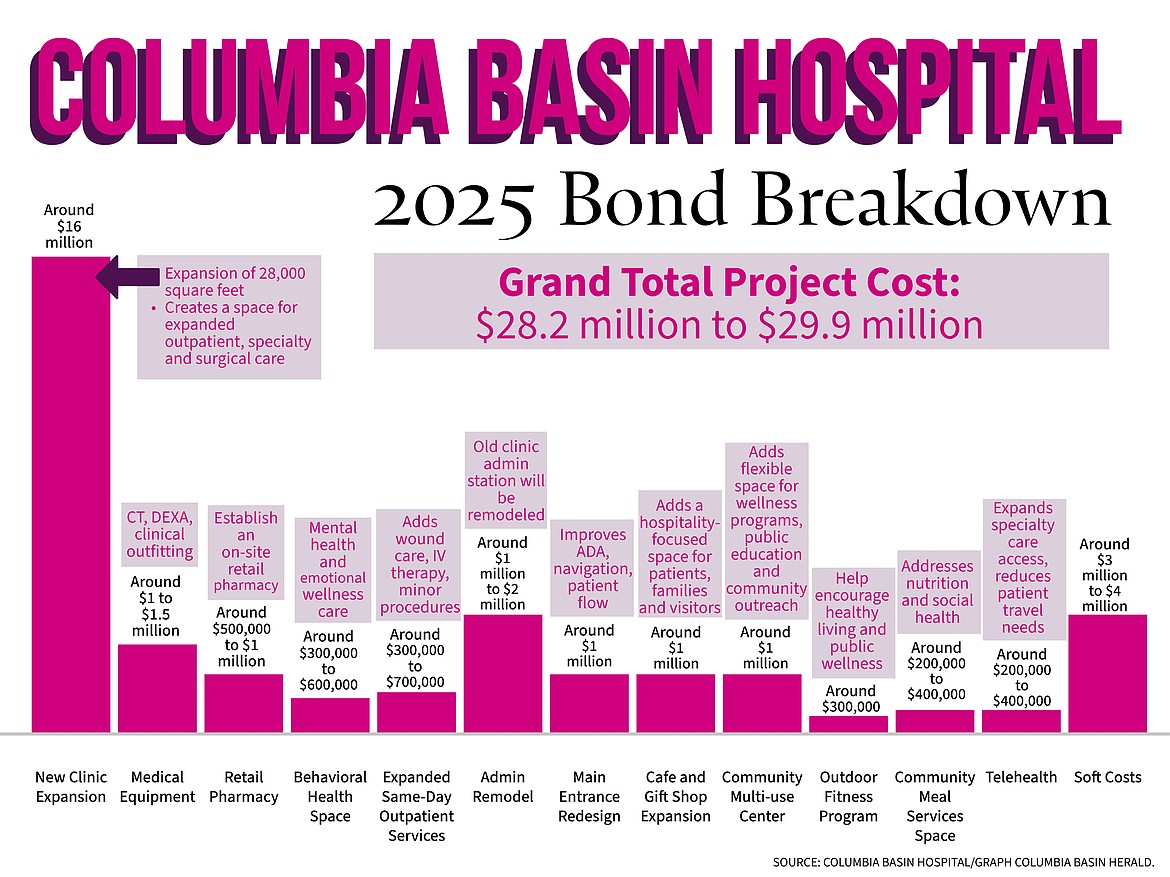
The proposed $30 million would be allocated to several areas, including clinic expansion, new medical equipment, a retail pharmacy, behavioral health services, community space and several other smaller projects.
“We have upgraded our building several times over the years to keep it very up to date and modern,” Kibby said. “The bond would go to clinic expansion, some equipment and a retail pharmacy are the biggest things.”
Clinic expansion would cost around $16 million. If the bond passes, district officials plan to add another building to add more space for outpatient, specialty and surgical care.
“Our clinic is out of space, and our radiology is out of space,” Kibby said. “There’s a lot of different areas that we just need more space, and so it makes sense to build a building that would give us that new space.”
Administrative expansion, around $1-2 million, would expand the admin space in the old clinic to be in a more central location.
Medical equipment, costing around $1-$1.5 million, will allow for the hospital to purchase a CT machine, DEXA machine and expand clinical outfitting.
A cafe, gift shop and multi-use facility each will cost around $1 million. Kibby said the gift shop and cafe idea comes from trying to make families, patients and visitors more comfortable. The multi-use facility would be the second floor of the new building. Kibby said the goal is to have more space for the hospital and community to use. She said there are seniors that come in every Tuesday and Thursday for a class, for which they have to take over the entire nursing home dining room.
“We do want to have a space, a larger space for the community to use for classes and different things like that,” Kibby said. “We are asked to have support groups here often, and our current conference room might hold 20 people comfortably, and then it’s too crowded. That’s our largest space, so we would really like to have a larger space available. Not just for our use, but for the community’s use as well.”
The main entrance will be redesigned, costing around $1 million, to improve navigation, ADA accessibility and patient flow.
“If we’re going to have a new building immediately adjacent to our existing clinic, then we need to redo our front entrance a little bit so that there’s a better patient flow, because we have one entrance. We kind of need to make that a little bit easier for people to navigate,” Kibby said.
A retail pharmacy, costing around $500,000 to $1 million, would reduce wait times for prescriptions, including the potential for a drive-up option.
“With the Rite Aid pharmacy closing here, it has created a huge demand,” Kibby said. “The lines at Safeway and Walmart are huge. We have heard very specifically about having a drive-up or drive-through pharmacy.”
The district also plans on expanding same-day outpatient services, costing around $300,000 to $700,000, which would add the ability to do more wound care, IV therapy and minor procedures at the facility.
“Everybody wants urgent care,” Kibby said. “They want to be able to go someplace on the weekends for quick visits, but we don’t have the space to do that as of now. Right now, we are taking one of the waiting rooms in the hospital for IV therapy and wound care, that’s how limited we are in space.”
The bond, if passed, would also add a behavioral health space, costing about $300,000 to $600,000, which would add mental health and emotional wellness care into the facility. This would be included in the new building.
“One thing we have heard that is desperately needed in the community is a behavioral health space,” Kibby said. “We are in the process of hiring behavioral health clinicians right now. That has been a need for years, so having the space for them to practice out of is important.”
An outdoor fitness program, nearly $300,000; adding a meal service, about $200,000 to $400,000; and expanding telehealth services, around $200,000 to $400,000, are the last three planned expenses.
The outdoor fitness program would add a space to the hospital property like the park on Yonezawa Boulevard in Moses Lake, Kibby said. The park has equipment for adults to exercise outdoors.
“We do have some space at the end of our property here; it is an awkward space, so we can’t make it fit well for parking stalls,” Kibby said. “We thought, why not put something that the community could use in that space?”
The hospital district hopes to add a meal program for people who can’t cook for themselves. This would be a service for the entire community, not just patients, Kibby said.
The district hopes to expand its telehealth services, which will expand specialty care access and reduce the need for patients to travel.
Bond failure
Kibby said the district, if the bond fails, will likely move forward with a handful of the projects.
“It’s just going to take longer to get to where we need to be,” Kibby said. “There is a small amount of internal space we can still renovate to make more room for patient care.”
Challenges
The bond proposal faced challenges during the primary election, where it failed to meet voter approval or even meet the necessary turnout for the vote to count.
“We really wanted to see how people were feeling, and I don’t know if we learned anything that we didn’t know,” Kibby said. “We knew it was going to be tough for sure.”
In response, the hospital board decided to reintroduce the proposal during the general election, with the hope that increased voter participation would lead to a different outcome.
“This was the only thing on the ballot in the primary, and I know a lot of people just chucked it,” Kibby said. “There’s a lot of other races going on during this election. A lot more activity on this ballot. It is the general election, after all.”
As part of its outreach strategy, Kibby said Columbia Basin Hospital is engaging with the community through various channels, including newsletters, town hall meetings and social media.
The next town hall will be Oct. 13 at Columbia Basin Hospital.
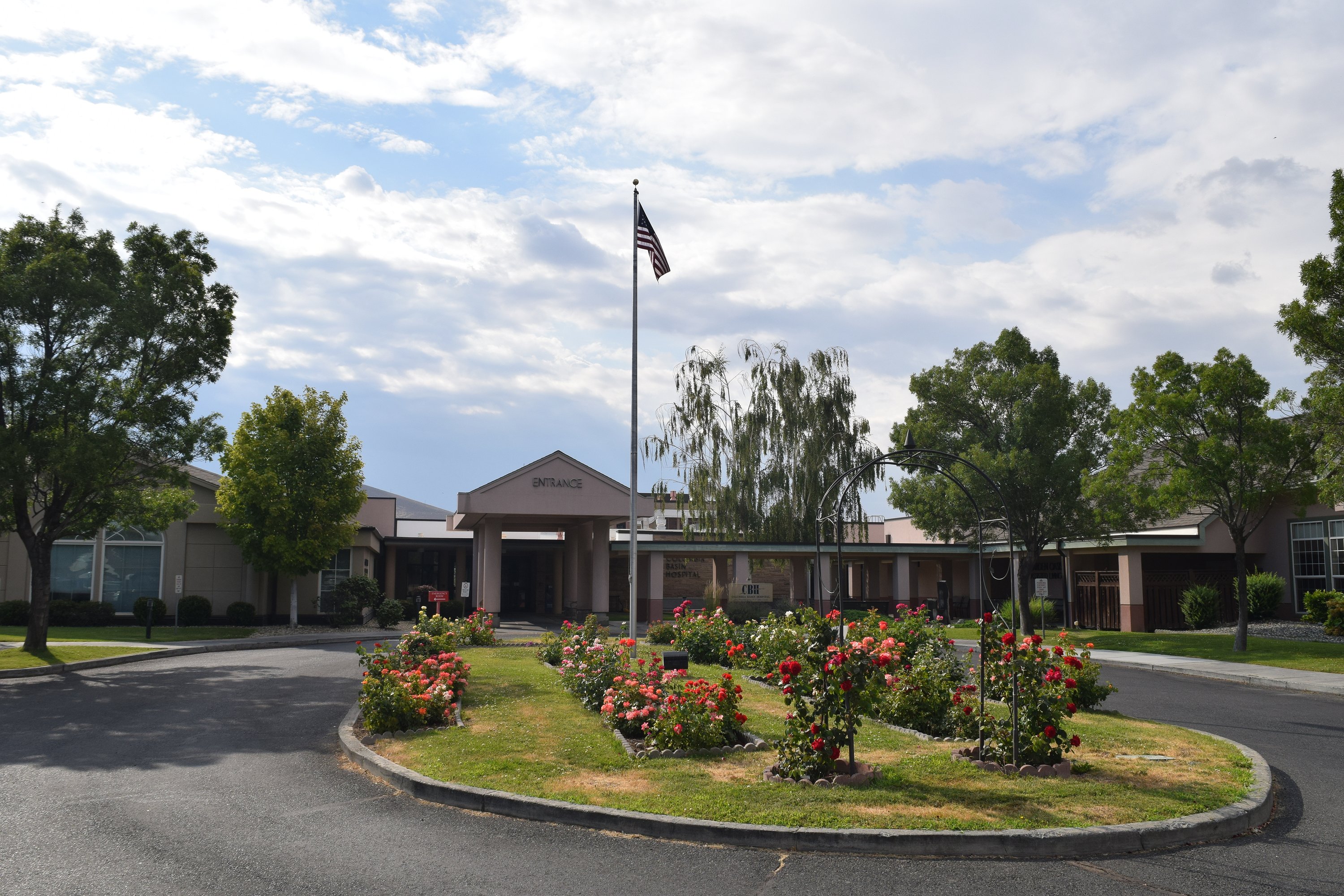 Columbia Basin Hospital is re-running a $30 million bond proposal in the general election. The district had run the proposal during the primary ballot, but it did not pass.
 Columbia Basin Hospital Administrator Rosalinda Kibby said the district is investing in itself by asking for the bond measure. She said she feels as if she is investing in her grandchildren and the growing community in Ephrata by trying to expand services.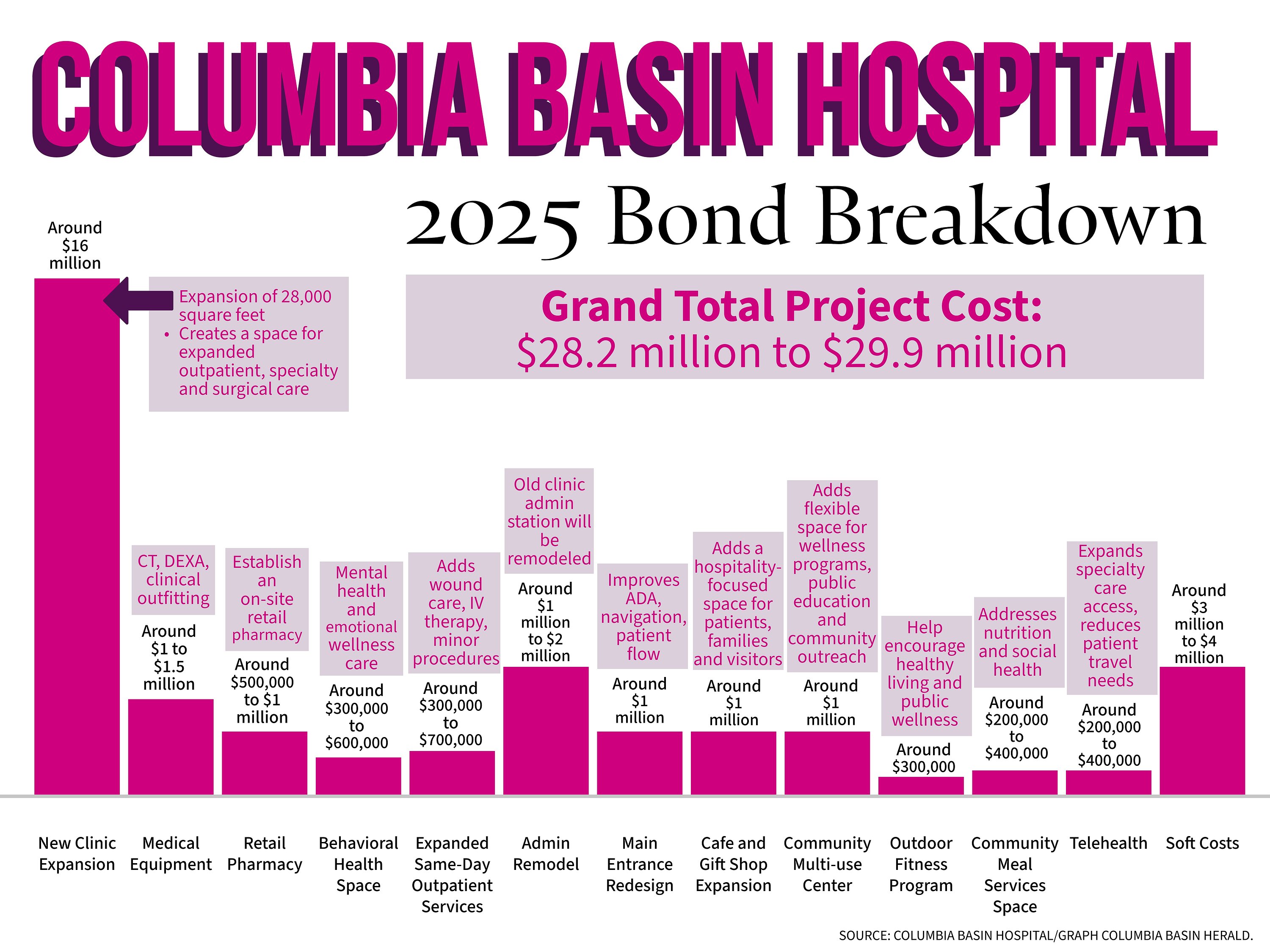
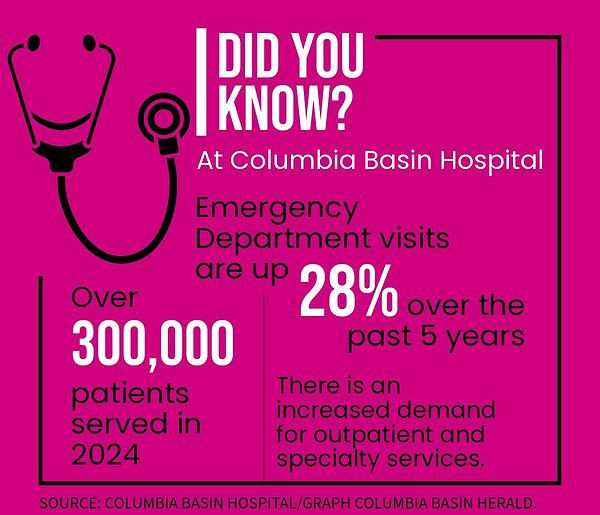
ARTICLES BY NANCE BESTON
1 arrested after Highway 17 stop; detectives recover fentanyl, firearms
MOSES LAKE — The Moses Lake Street Crimes Unit conducted a traffic stop on Highway 17 near Randolph Road and executed a search warrant Friday morning as part of an ongoing narcotics investigation.

4th-year drought declaration in WA, subtle effects in the Columbia Basin
EPHRATA — Washington’s fourth straight year of drought is expected to hit some regions hard, but in Grant and Adams counties, the impacts will look different – quieter, less visible and centered underground. Statewide, the Department of Ecology issued an emergency drought declaration after a warm winter left Washington with about half its usual snowpack, raising concerns about low summer streamflows, stressed fish populations and heightened wildfire risk. Seven of the past 10 years have included drought somewhere in the state. “If you look at our mountains, the challenge we are facing is clear,” Gov. Bob Ferguson said during a press conference Wednesday. “We’re taking emergency action to protect fish, farmers and communities across Washington.”
Sleep Diagnostic Center to close after doctor’s sentencing
MOSES LAKE — The Central Washington Sleep Diagnostic Center announced it will be closing its doors effective April 30. This includes locations in Moses Lake, Spokane Valley, Brewster and Wenatchee. The announcement follows the March 25 guilty plea from Dr. Eric Edward Haeger, 57, in United States District Court to adulterating and misbranding medical devices with the intent to defraud or mislead, according to a statement from the U.S. Attorney’s Office. “The adulterations by Dr Haeger show a dangerous disregard for the safety of his patients,” Washington Attorney General Nick Brown said in a statement. “This is a win for patient safety, for protecting public dollars from fraud, and for ensuring citizens of Washington get necessary healthcare. This case exemplifies the great work our team is doing in collaboration with our federal partners to fight fraud and protect Washingtonians.”