
Paul Thomas Anderson meets the moment with ‘One Battle After Another’
TYLER WILSON/Coeur Voice contributor | Coeur d'Alene Press | UPDATED 5 months, 1 week AGO
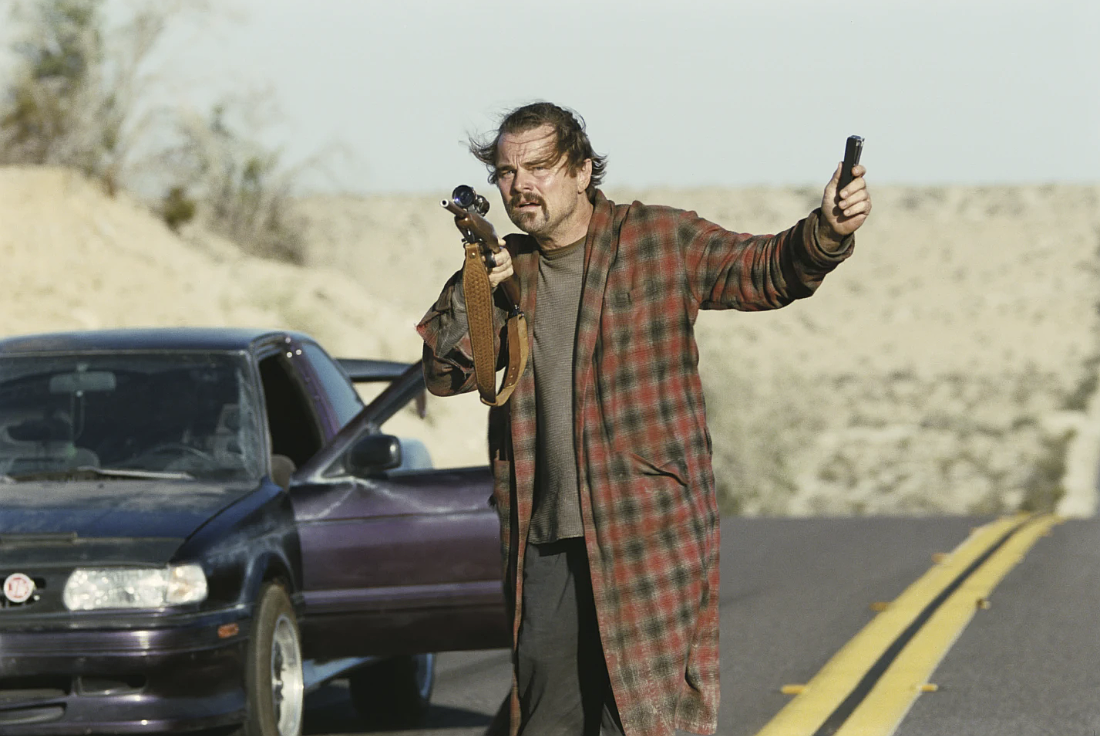
Writer/director Paul Thomas Anderson tried to adapt Thomas Pynchon’s “Vineland” for a few years before he made what would become “One Battle After Another,” a movie inspired by the novel that takes its own creative swings.
Even after all that development time, “One Battle After Another” feels like a movie made for this exact moment in 2025. Provocative, thrilling and often absurdly hilarious, the film stitches together the best elements from each of Anderson’s distinct eras as a filmmaker into one masterful, cohesive achievement. It carries the sprawling narrative ambition of “Magnolia,” the propulsive and precise editing of “Punch-Drunk Love,” the shaggy paranoia of “Inherent Vice,” the focused character work of “Phantom Thread” and the thematic heft of “There Will Be Blood.” Plus, bonus! A car chase that’s distinctly P.T. Anderson.
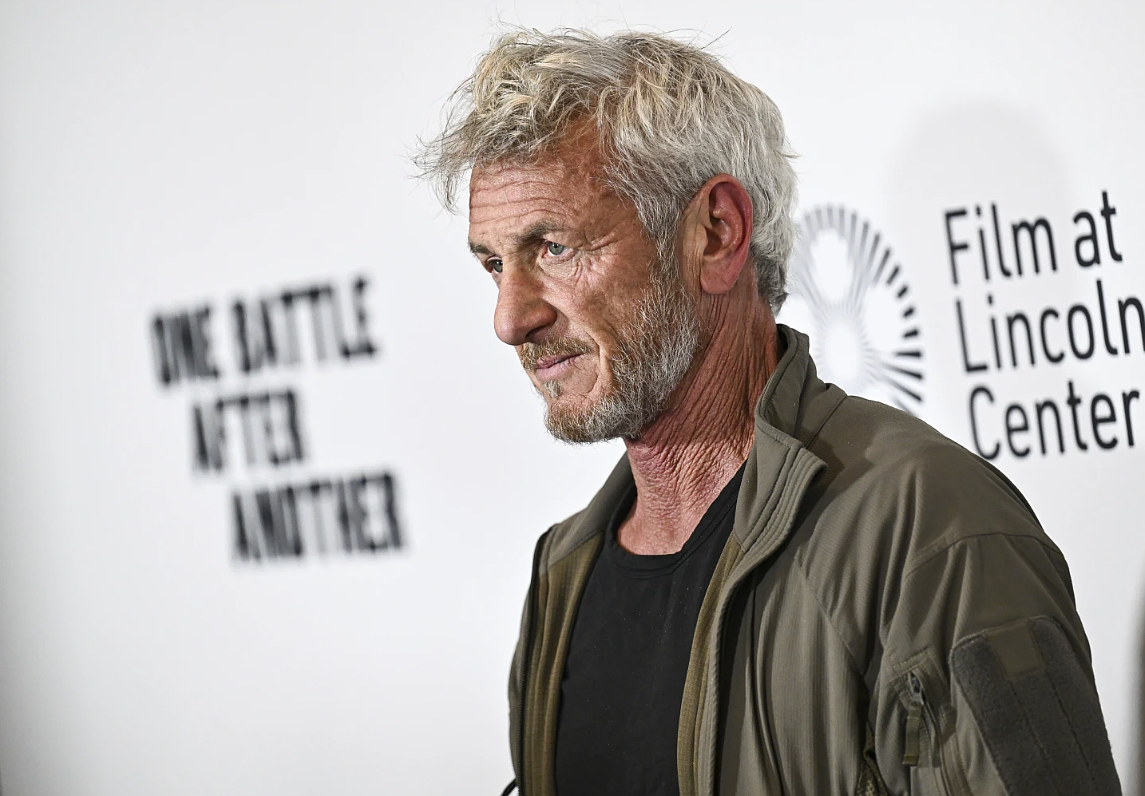
Though headlined by Leonardo DiCaprio, “One Battle After Another” begins as a story about an activist (Teyana Taylor, sensational with limited screen time) who catches the eye of ruthless military commander Col. Lockjaw (Sean Penn, playing it exactly how you’d expect a man named Lockjaw to be) who oversees an immigration detainment center. The story jumps forward several years to focus on the activist’s teenage daughter, Willa (Chase Infiniti), who’s been shielded from her mother’s illegal extracurriculars, at least until Lockjaw suddenly returns with a vengeance.
DiCaprio serves as the through-line between the two stories, playing “Bob,” a former explosives expert who settles down to become a paranoid, overly protective father trying to give Willa a normal life away from his youthful acts of sorta-domestic terrorism. His survival instincts, unfortunately, have severely eroded thanks to multiple years of, um, indulgences.
Lockjaw, driven by his desire to join a secret society of white supremacists known as the Christmas Adventurers (really), returns with the might of the entire military to purge Willa and Bob from the Earth. When father and daughter are separated, Bob must tap back into his old life as a revolutionary. If only he could remember all those pesky secret passcodes.
If all that plot sounds a little too politically prickly, then take comfort in that “One Battle After Another” is fiercely funny and filled with dynamic, morally complicated characters. Lockjaw is a vile human, sure, but Penn makes him a complex, magnetic adversary. Infiniti, in a star-making turn, quickly becomes the mesmerizing moral center of the story.
DiCaprio, in a role that intentionally puts his character three steps behind everyone else in the story, ventures into one of the most memorable performances of his career, even as his character hilariously stumbles further away from narrative. He’s a terrible revolutionary and a mediocre father, but darn it, he’s showing up and making the effort.
While “One Battle After Another” shifts its perspectives often, Anderson never loses control of the tone. The film contains multiple, sprawling “action” sequences that are impeccably assembled, with highlights that include a military siege on a small town (anchored by the wonderful Benicio del Toro as a karate instructor/do-it-all strategist) and a climactic car chase that effortlessly builds tension with every rolling hill of open highway.
It should be noted that Warner Bros. spent considerable money on “One Battle After Another,” allowing Anderson to make perhaps his most ambitious film to date. It opened well enough last weekend but needs a long, steady run to offset its budget. This is the kind of movie, made by a visionary director and telling an urgent, original story, that deserves big-screen success. The studios won’t make them anymore if we don’t go see them.
•••
Tyler Wilson can be reached at [email protected].
 Sean Penn attends a special screening of "One Battle After Another" at the Walter Reade Theater on Sept. 21, 2025 in New York.