
A Homeowner's Guide to Generator Capacity
Shikha Dhawan | Coeur d'Alene Press | UPDATED 5 months, 3 weeks AGO
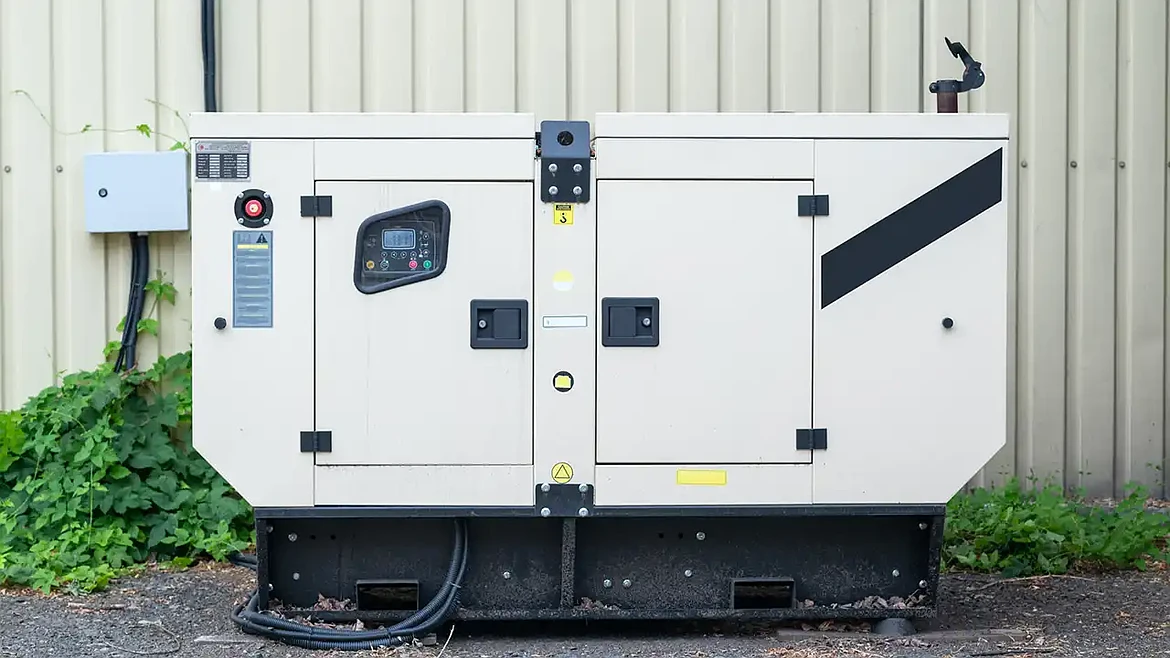
Many homeowners are turning to generators to ensure that power outages don't disrupt their daily routines, but there are numerous capacities to choose from.
28.3% of homeowners and 19.9% of renters reported a power outage, according to Census.gov.
A power outage can quickly disrupt daily life, compromise safety, and damage appliances. Whether caused by storms, grid failures, or seasonal overloads, losing electricity is more than an inconvenience; it can affect your comfort, food supply, and essential devices.
That's why many homeowners turn to generators. But choosing the right one starts with understanding generator capacity and how it aligns with your household needs.
What Does Generator Capacity Mean?
Generator capacity is the total amount of electrical power the unit can supply, measured in watts (W) or kilowatts (kW). Most household devices require a combination of running watts (the power needed for continuous operation) and starting watts (a higher power burst required to start certain appliances).
A generator must cover both, especially for appliances with motors, like refrigerators, air conditioners, or sump pumps. If your generator can't handle surge needs, it may shut down or overload.
What Are Your Power Priorities?
Start by listing what you want to power during an outage. Not every homeowner needs full coverage. Consider your electricity consumption year over year.
Some prioritize essentials such as:
- Refrigerator or freezer
- Lights
- Wi-Fi router
- Sump pump
- Furnace fan
- Phone chargers
Others want to maintain near-normal conditions with:
- Central air or heat
- Electric stove
- Water heater
- Entertainment systems
Your goals directly influence the generator size you'll need.
Common Appliance Wattage Estimates
Understanding typical wattage helps in estimating generator needs. Here are some common ones to consider:
Essential Appliances
- Refrigerator: 600-800 W (up to 2,200 surge)
- Microwave: 800-1,200 W
- Sump pump: 800-1,500 W (2,000 surge)
- Gas furnace blower: 500-700 W
Comfort and Electronics
- Lights: 60-100 W each
- TV: 100-300 W
- Window AC: 1,000-1,500 W (2,000+ surge)
- Central AC: 3,500-5,000 W (7,000+ surge)
Other Devices
- Laptop: 50-100 W
- Well pump: 1,000-2,000 W (up to 3,000 surge)
- Electric water heater: 3,000-4,500 W
Add the running watts of everything you plan to use at once, then factor in the highest starting wattage.
Home Generator Types and Their Capacities
Not all generators serve the same purpose. Understanding the three main types will help you match capacity with expectations.
1. Portable Generators (2,000-8,000 W)
These are the most common and affordable. They're suitable for powering a few essential devices.
Advantages:
- Budget-friendly
- Easy to store and move
- Great for temporary outages
Drawbacks:
- Manual startup
- Gasoline-dependent
- Limited wattage and run time
2. Inverter Generators (1,000-7,000 W)
These are ideal for sensitive electronics, since these generators produce cleaner, quieter power. They also have the following features:
Pros:
- Quiet operation
- Fuel-efficient
- Safe for laptops and medical devices
Cons:
- Higher cost per watt
- Lower maximum output
3. Standby Generators (7,000-48,000 W)
Permanently installed, these systems automatically power your home during outages. Some of their benefits and limitations are:
Benefits:
- Whole-home capability
- Runs on natural gas or propane
- Automatic transfer and startup
Limitations:
- High upfront cost
- Requires generator installation and maintenance
Sizing a Generator
A basic method for sizing is as follows:
- List essential devices you'll use during outages.
- Add total running watts.
- Include the highest surge watts among the appliances.
For example:
- Refrigerator: 800 W
- Lights: 300 W
- Furnace fan: 600 W
- Devices/chargers: 100 W
- Running total: 1,800 W
- Surge: 2,000 W (from sump pump or fridge)
- Generator size needed: ~4,000 W
For moderate whole-home needs, a 7,500-12,000 W model may suffice. Large houses with central air or electric heating may require 15,000-25,000 W.
Whole-House Generator Guidelines
Approximate sizing by home size for whole home generators Portland Oregon:
- Small homes (under 1,500 sq. ft.): 7-10 kW
- Medium homes (1,500-3,000 sq. ft.): 12-20 kW
- Large homes (3,000+ sq. ft.): 22-48 kW
A professional load calculation ensures accuracy.
Fuel Sources and Capacity Planning
Choosing fuel affects convenience and generator performance:
- Gasoline: Portable use, limited storage life
- Propane: Clean burning, long-term storage
- Natural Gas: Continuous supply, ideal for standby units
- Diesel: Efficient but louder; less residential use
Transfer Switches: A Safety Must
To connect a generator to your home's circuits safely, a transfer switch is essential. It prevents dangerous backfeeding into the grid.
Types:
- Manual transfer switch for portable units
- Automatic transfer switch (ATS) for standby generators
Never connect a generator directly to an outlet.
Don't Forget Maintenance
A well-sized generator still needs care to perform when needed:
- Test monthly
- Change oil as recommended
- Use fuel stabilizers
- Replace filters
- Inspect batteries for standby units
- Schedule annual service
Choose a generator at least 20% above your estimated power needs for safe performance and growth.
Frequently Asked Questions
How Do I Determine What Generator Size I Need?
Start by listing the appliances and devices you want to run during an outage. Add their running watts and include the highest starting wattage. Choose a generator that provides at least 20% more than this total to prevent overload.
Can a Portable Generator Power My Whole House?
Generally, no. Portable generators usually range from 2,000 to 8,000 watts, which is enough for essentials like:
- Refrigerators
- Lights
- Small devices
Whole-home coverage typically requires a standby generator of 10,000 to 25,000 watts or more.
What's the Difference Between Running and Starting Watts?
Running watts are the continuous power required to operate an appliance. Starting watts are the brief surge needed to start devices with motors. Your generator must handle both to avoid tripping or damage.
Is a Standby Generator Worth the Cost?
For homeowners in areas with frequent or long outages, a standby generator offers reliability, automatic activation, and whole-house coverage. It also adds property value but comes with higher upfront costs.
Do I Need a Transfer Switch?
Yes. A transfer switch safely connects the generator to your home's electrical panel and prevents backfeeding, which can endanger utility workers and damage equipment.
How Often Should I Maintain My Generator?
Basic maintenance should be done at least once a year or after extended use. Monthly test runs, oil changes, and fuel system checks keep your generator ready when needed.
Consider Your Power Backup Options
No one likes to be without power, even for a minute or two, let alone hour upon hour. That's why learning about generator capacity and then choosing the right generator for your home is crucial.
If you enjoyed this article, please do check out related articles on home, lifestyle, outdoors, and other such topics on our news website.
This article was prepared by an independent contributor which helps us continue delivering quality content to our audiences.