
Plasma Cut vs. Laser Cut: Pros, Cons, and Cost Comparison
Billie Pollisotto | Coeur d'Alene Press | UPDATED 5 months, 4 weeks AGO
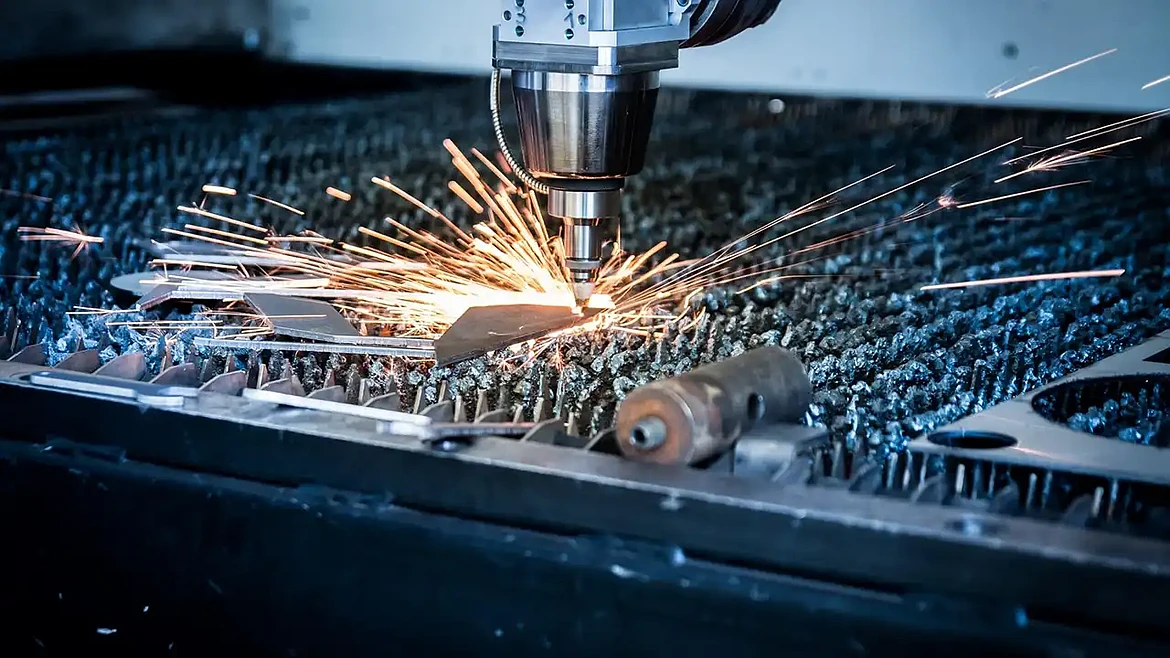
The best choice between plasma cut vs laser cut depends on your project's priorities. Plasma is faster and more affordable for thick metals, while laser offers unmatched accuracy for thinner materials. By weighing cost, speed, and precision, you can select the right method for your specific application.
In the world of manufacturing and metal fabrication processes, how you cut material can make or break the final result.
Today's industries rely on advanced cutting technology to balance speed, precision, and cost. The two most common options, plasma cutting and laser cutting, often spark debate. Both are powerful industrial cutting methods, yet they differ in accuracy, affordability, and ideal uses.
If you want to understand the pros and cons of plasma cut vs laser cut, it helps to explore how each works, what materials they handle best, and which offers the most value for your project.
Why Is Plasma Cutting Preferred?
CNC plasma cutting services are often preferred in heavy industries because of their ability to cut through thicker materials quickly at a lower cost. The process uses an electrical arc and compressed gas to create plasma, which melts through metals with ease. This makes it a favorite in construction, shipbuilding, and large-scale metal fabrication processes.
For projects that require speed more than precision cutting, plasma is an excellent choice. It is also more forgiving when cutting dirty or painted metals, which would slow down or damage other material cutting techniques.
How Thick of Metal Can Plasma Cutters Cut?
One of the biggest strengths of plasma cutters is their ability to cut very thick metals. Depending on the machine, they can handle anything from thin sheet metal up to several inches thick.
Industrial plasma systems are known to cut steel that exceeds two inches in thickness, making them one of the strongest industrial cutting methods available.
This thickness capability is why plasma is often chosen for heavy-duty work, where laser cutters may struggle. While lasers offer more detail and tighter tolerances, plasma dominates when brute force cutting power is required.
Pros and Cons of Plasma Cutting
Plasma cutting offers fast and affordable results, especially for thicker metals. However, it sacrifices some precision and may require extra finishing, making it less ideal for projects where clean edges are essential.
Pros:
- Lower equipment and operating costs compared to laser cutting
- Faster cutting speeds on thicker metals
- Works on painted, rusty, or dirty surfaces
- Portable machines available for field work
Cons:
- Less precise than laser cutting, especially on thin metals
- Produces a wider kerf (cut line)
- Generates more heat, which can affect edge quality
- Limited ability for fine detail work
Plasma cutting excels in heavy-duty metal fabrication processes but may not deliver the clean edges needed for decorative or high-precision projects.
Pros and Cons of Laser Cutting
Laser cutting delivers unmatched precision and clean edges, perfect for detailed designs and thinner materials. Yet, it comes with higher equipment and maintenance costs, and it's slower when handling very thick metals.
Pros:
- Superior accuracy and precision cutting
- Narrow kerf, allowing for intricate designs and tight tolerances
- Excellent edge quality with minimal finishing required
- Works on a wide range of metals and non-metals
Cons:
- Higher initial investment and operating costs
- Slower than plasma on very thick metals
- Requires cleaner material surfaces
- Limited portability due to large machine size
Laser cutting is often used for detailed material cutting techniques in industries such as aerospace, automotive, and electronics, where clean, precise cuts are essential.
Cost Comparison: Plasma Cut vs Laser Cut
When comparing the costs of plasma cut vs laser cut, plasma usually wins in affordability. Plasma cutters cost less to purchase, maintain, and operate, making them a budget-friendly choice for many shops. They also cut faster on thicker metals, which reduces labor costs.
Laser cutters, however, cost more upfront and require more maintenance. Operating costs are also higher due to electricity use and replacement parts.
That said, lasers often reduce finishing costs because their cuts are cleaner and more precise. If you need to manage exact tolerances, laser cutting may save money in post-processing even though it costs more initially.
Ultimately, the cost advantage depends on your priorities. Plasma is ideal for volume and thickness, while laser is best for precision and detailed designs.
FAQ: Plasma Cut vs Laser Cut Explained
Choosing between plasma and laser cutting can be confusing if you are new to material cutting techniques. The following answers cover common questions to help you make informed decisions.
Which Is More Accurate, Plasma or Laser?
Laser cutting is more accurate. It offers tight tolerances and smoother edges, making it ideal for precision parts and decorative designs.
Which Is Faster?
Plasma cutting is faster on thick metals. Laser cutting is efficient on thin materials but slows down significantly with thicker metals.
Which Method Is Cheaper?
Plasma cutting is generally cheaper to purchase and operate. However, laser cutting may reduce costs in finishing work because of its cleaner edges.
Can Both Cut Non-Metals?
Plasma cutters are limited to conductive metals, while laser cutters can handle metals, plastics, wood, and composites.
Which Produces Better Edge Quality?
Laser cutting produces smoother and cleaner edges with little to no finishing required. Plasma cutting leaves rougher edges that may need grinding or sanding.
What Industries Use Each Method?
Plasma cutting is common in construction, shipbuilding, and heavy fabrication. Laser cutting is popular in aerospace, automotive, electronics, and custom design work.
Can a Shop Use Both Methods?
Yes. Many shops invest in both plasma and laser machines to cover a wider range of projects, from heavy-duty cutting to fine-detail work.
By understanding the differences and common questions, you can select the cutting method that best fits your project's needs and long-term goals.
Choose the Right Cut You Need
The debate of plasma cut vs laser cut comes down to what matters most for your project. Plasma offers speed, affordability, and strength for thicker metals, while laser delivers unmatched accuracy and detail for thinner materials.
Both cutting technology options play vital roles in modern metal fabrication processes, and many shops benefit from using both.
If you are exploring industrial cutting methods or comparing material cutting techniques, weigh your needs carefully.
For more insights into precision, cost savings, and efficiency in fabrication, explore our blog.
This article was prepared by an independent contributor which helps us continue delivering quality content to our audiences.