
Transforming Cities: Commercial Construction Innovations
Billie Pollisotto | Coeur d'Alene Press | UPDATED 11 months, 2 weeks AGO
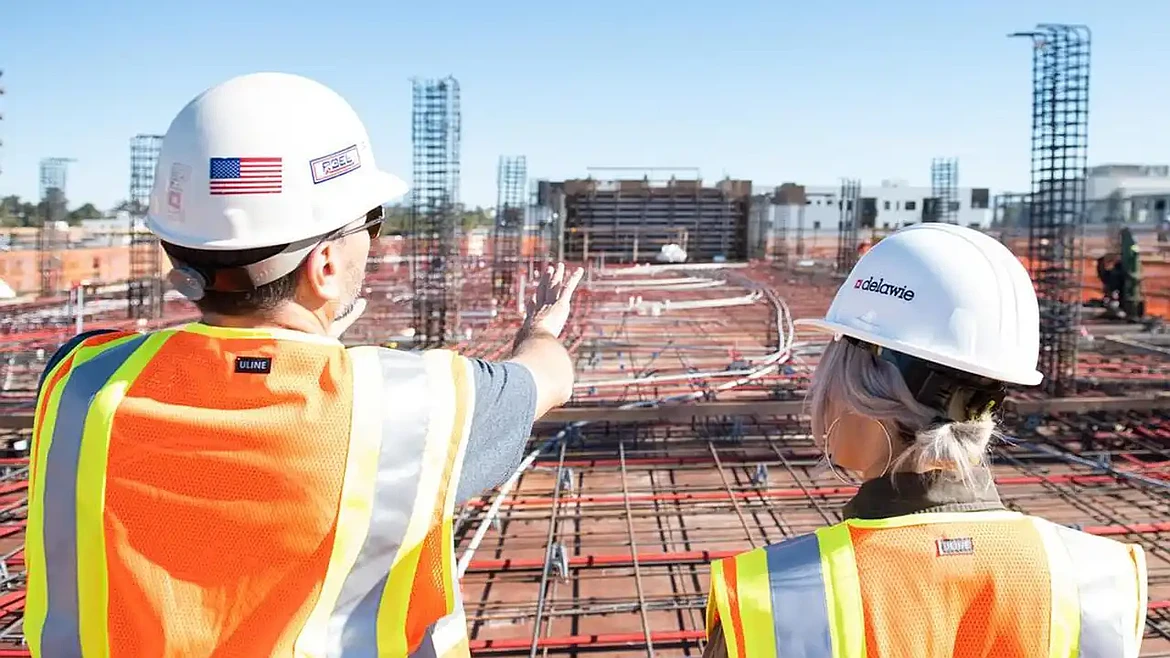
Cities around the world are evolving to meet modern demands, and commercial construction plays a pivotal role in that transformation. From towering business hubs to mixed-use developments, new technologies and design philosophies are reshaping how buildings are created, used, and sustained.
Commercial construction is seeing innovation like never before. Construction spending just in July 2025 was around $2.139 billion, according to the US Census Bureau.
Innovations in materials, automation, sustainability, and urban planning are not only accelerating construction but redefining the skyline and functionality of urban environments.
What Is Smart Building Technology?
Smart buildings are at the forefront of commercial construction innovation. These structures use sensors and automation systems to optimize energy use, indoor air quality, security, and maintenance.
HVAC systems can adjust based on occupancy, while lighting can respond to daylight and presence. Smart elevators, digital monitoring, and connected controls increase efficiency and reduce long-term costs.
With the integration of the Internet of Things (IoT), buildings can now "talk" to each other and city infrastructure, supporting smarter transportation, energy grids, and public services. This connectivity enhances tenant experience and supports sustainability goals.
What Is Modular and Prefabricated Construction?
Prefabrication and modular construction are accelerating project timelines while reducing waste. Instead of traditional site-built methods, entire components, such as walls, rooms, and structural modules, are manufactured off-site and assembled on location. This approach minimizes:
- Weather delays
- Labor bottlenecks
- Material inefficiencies
For commercial developments like offices, hotels, and hospitals, modular construction companies like Stream Modular offer flexibility, faster occupancy, and consistent quality control. It also reduces disruption in dense urban environments where space and accessibility are limited.
What Are Some Sustainable Construction Practices?
Sustainability is no longer an option; it's an expectation. Innovations in eco-friendly materials, renewable energy integration, and low-carbon construction practices are transforming commercial projects.
Green roofs, solar facades, cross-laminated timber (CLT), recycled steel, and energy-efficient glass are replacing traditional building materials. Many developers aim to achieve certifications like LEED, BREEAM, or WELL to demonstrate environmental responsibility and enhance property value.
Water recycling systems, rainwater harvesting, and smart irrigation further reduce resource usage. Commercial buildings are increasingly designed to generate more energy than they consume, moving toward "net-zero" capabilities.
3D Printing and Additive Manufacturing
3D printing is emerging as a groundbreaking approach in commercial construction. Using robotics and specialized printing materials, builders can create structural elements, façades, and even entire small buildings in a fraction of the time.
This technology reduces labor demands and material waste while allowing for complex architectural designs that would be too expensive or difficult to execute traditionally. For large-scale commercial applications, 3D printing is still evolving, but pilot projects in offices and retail structures are showing promising results.
Autonomous and AI-Driven Construction
Automation and artificial intelligence are revolutionizing job sites. Drones conduct surveys and inspections, offering real-time updates on project progress. Robotics assists with repetitive or dangerous tasks, enhancing safety and accelerating schedules.
AI software optimizes design layouts, monitors supply chains, and predicts maintenance issues before they arise. These tools:
- Improve accuracy
- Reduce delays
- Support lean construction methods
Digital twins-virtual models of buildings-allow engineers to simulate construction, test systems, and identify potential issues before breaking ground. This minimizes costly errors and enhances performance outcomes.
Vertical Expansion and Space Optimization
As urban land becomes scarce, building upward is the most practical solution. Skyscrapers and multi-functional high-rises now incorporate:
- Coworking spaces
- Shopping centers
- Hotels
- Medical facilities
- Green areas
Engineered advancements allow developers to build taller and safer structures using lightweight materials, aerodynamic design, and enhanced seismic and wind resistance technologies.
Energy-Efficient Infrastructure and Smart Grids
Energy efficiency is a major focus in new commercial builds. You can reduce energy consumption by using:
- Advanced insulation
- Passive cooling
- High-efficiency HVAC
- Smart windows
Buildings increasingly integrate with smart grids to store or distribute power intelligently.
Some structures include on-site energy generation through wind turbines, geothermal systems, or building-integrated photovoltaics. These upgrades lower operating costs and align with global climate goals.
Construction Management Software and BIM
Building Information Modeling (BIM) has become integral to commercial construction. It creates 3D digital representations of buildings and systems, allowing teams to coordinate work across:
- Architecture
- Engineering
- Construction disciplines
Project management software tracks timelines, budgets, and resources, ensuring accountability and collaboration across stakeholders. Cloud-based platforms enable remote coordination, enhancing productivity and decision-making.
Smart Cities and Future Growth
Commercial project innovations align with the broader development of smart cities. Urban development projects now consider walkability, green space, transit connectivity, and infrastructure resilience.
Urban planners and developers collaborate to create:
- Eco-districts
- Innovation hubs
- Tech campuses
- Revitalized commercial zones
With sustainability and digital integration at the core, these spaces foster economic opportunity and long-term livability.
Frequently Asked Questions
What Are the Biggest Innovations in Commercial Construction Today?
Construction industry trends include modular building, smart technology, green materials, AI-driven design, 3D printing, and digital project management through BIM. This is only the beginning for commercial construction.
How Does Modular Construction Benefit Commercial Projects?
Modular construction speeds up timelines, reduces waste, lowers costs, and offers high-quality control. This is because components are made in factory settings and assembled on-site.
Are Smart Buildings More Expensive to Build?
While initial costs may be higher, smart buildings save money over time. They do this through energy efficiency, reduced maintenance, and automated systems.
How Does Sustainability Impact Commercial Construction?
Sustainable practices reduce environmental impact and operating costs. Builders now use recycled materials, renewable energy, and eco-friendly systems to meet green standards.
What Role Do Drones and Robotics Play in Construction?
Drones handle surveying and inspections, while robots assist with repetitive or hazardous tasks. These technologies improve safety and project accuracy.
What Is BIM and Why Is It Important?
Building Information Modeling (BIM) creates detailed digital models. These are used to coordinate construction teams, prevent design conflicts, and streamline project execution.
Modern Building Technologies Are Changing Fast
The future of commercial construction is shaped by a fusion of technology, sustainability, and human-centered design. There are going to be major innovations in the next few years and decades to come in the field of urban development projects.
If you enjoyed reading this article, then please check out related articles on our website and keep learning.
This article was prepared by an independent contributor which helps us continue delivering quality content to our audiences.