
Montana Counseling Services offers classes, counseling, peer support
BERL TISKUS | Hagadone News Network | UPDATED 4 months, 2 weeks AGO
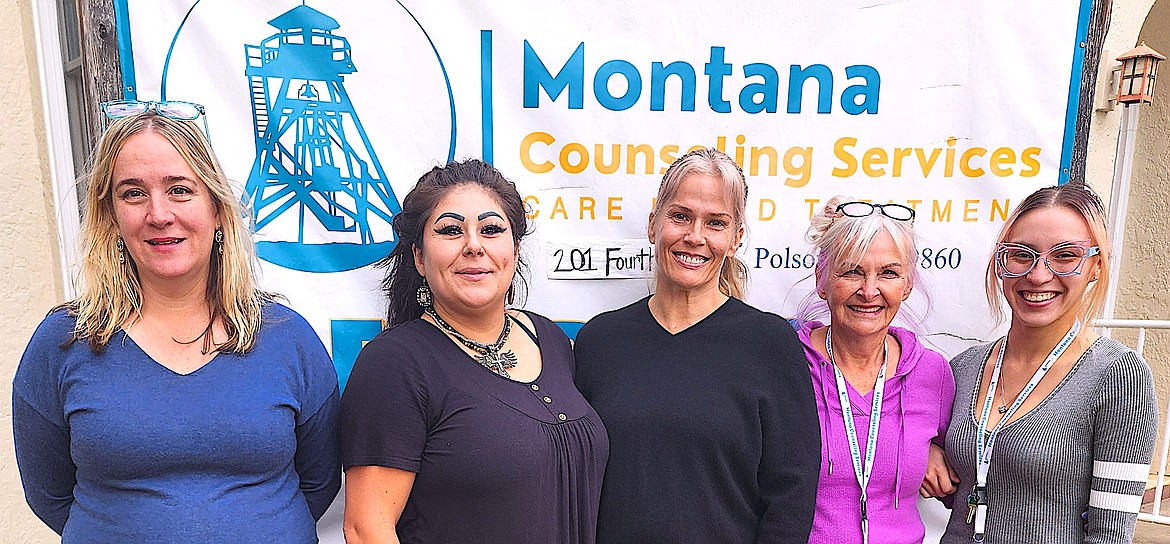
Montana Counseling Services staff are Bonnie Wolfe, l, clinician, Ramah McDonald Vulles, manager, Megan Fogle, clinician, Roxana Colman-Herak, case manager, and Megan Highley, administrative assistant. (Berl Tiskus/Leader)
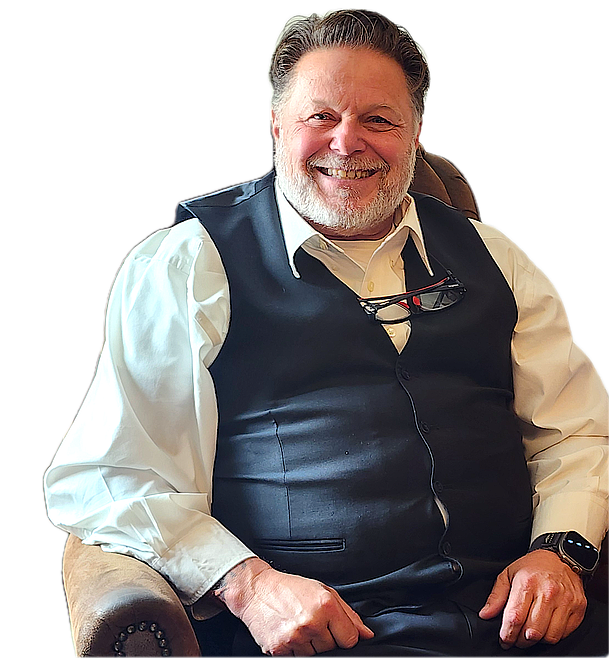
Marvin Colman, head of Montana Counseling Services, works at the Polson clinic office on Tuesday. (Berl Tiskus/Leader)
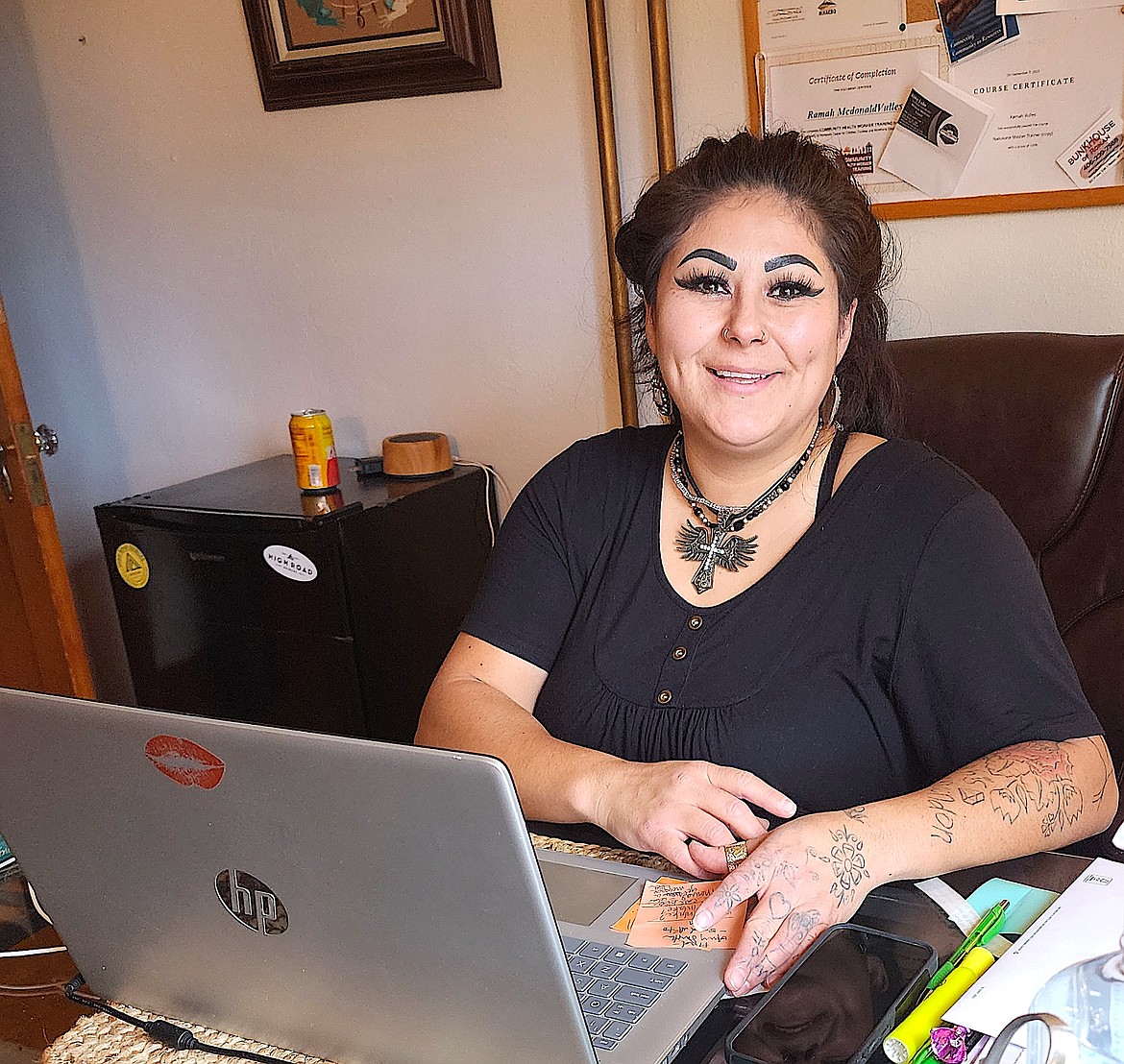
Ramah McDonald Vullis, manager, works at her desk in Montana Counseling Services new office in police. (Berl Tiskus/Leader)
Reporter Berl Tiskus joined the Lake County Leader team in early March 2023, and covers Ronan City Council, schools, ag and business. Berl grew up on a ranch in Wyoming and earned a degree in English education from MSU-Billings and a degree in elementary education from the University of Montana. Since moving to Polson three decades ago, she’s worked as a substitute teacher, a reporter for the Valley Journal and a secretary for Lake County Extension. Contact her at [email protected] or 406-883-4343. | October 23, 2025 12:00 AM
Montana Counseling Services is the new kid in town, and one of owner Marvin Colman’s messages to prospective clients is, “We are just here to help you; we are not here for anybody else but the people walking through the door.”
Colman, who has another clinic in Helena, said they opened a satellite clinic in Polson because, “1. I’m from there; I was up here with my sister, and there are no services up here. Kalispell and Ronan have services, but Polson had none. MCS came here with literally every class you could ever need to be compliant with the court.”
MCS offers services such as court-ordered classes on anger management, batterers intervention, and moral reconation as well as mental health issues with a staff of three counselors, three peer counselors, an administrator and an administrative assistant.
Colman is passionate about his clinics and tells their story well.
“What we did is we decided we would offer it all in one place … we don’t have a waiting list because we are a tele-health clinic. It doesn’t matter if we’re full; we have another clinic where you can go, so there’s no wait list with us,” he said, explaining the MCS philosophy in
“We don’t punish here. We hold you accountable,” Colman said. “We don’t give up on you until you give up on us. We don’t discharge people for no-shows; we just keep them coming because eventually they’ll get it. That’s the whole purpose of us being here — for them to get it. All we do is convince them there’s a better life out there.
As for being a counselor or peer support, he’s gung-ho about this advice.
“You cannot do this job sitting across a desk, looking at somebody and saying, ‘Tell me about your past,’” Colman said. “It’s not gonna work. You gotta get up; you gotta get up; you gotta move; you gotta help them; you gotta teach them what it even means to be sober because they do not know.”
And there are rocks and ruts in the road.
Colman explains the problems. “They get out (of jail, prison, or rehabilitation), and they have no resources. There are gaps in everything. Now rent is $1,200 for a one-bedroom, and they just lose hope. And most addiction, honestly, is the addict losing hope, and saying ‘Life was easier high because at least I didn’t realize how poor and crappy everything was.’”
Colman paused. “Then you gotta try to overcome all the challenges that someone who’s lost everything has, because it was hard enough in 2020; I can’t even imagine trying to get out now and make it.”
Colman has a LCSW masters from Simmons University in clinical social work. He just entered his Ph.d. program in October; but he traveled the addiction trail himself before he got his social work degree.
“In ’08 I was released from prison. I had burned all my bridges. I was an addict. I was homeless,” he said. “In fact I lived about two blocks from the clinic I know own in Helena. I used to walk by it all the time. I got a job cleaning cars, and then it took me more than 10 years to get on my feet, believe it or not. It took me three years just to get a car,” Colman said, clearly remembering. “It took a long time.”
“When I went back to college, I was 48. When I took my placement test after all that time, I had about an 8th grade math education; and I actually walked out. The teacher grabbed me and pulled me back in. She’s like, ‘What are you doing?’”
“I can’t even finish the math portion; I don’t belong in college,” Colman told her.
“She luckily pulled me in, sat me down and said, ‘But look at all you did finish.’”
He said anything practical he could do because he had done construction his whole life.
“She convinced me to stay, and I took a semester of remedial courses and got up to snuff. I had a very hard time that first year with schooling. Everything went fine after that, but I came very close to not even continuing,” he said.
He paused. “Finally I decided I could help people. I’m a disabled veteran as well —Iraq — which is kind of how the addiction came about — PTSD. I just felt like there was a better way to do it;(work with people with substance abuse and mental health issues), and so we tried it. So far, it’s been working out, not without its difficulties, but it has been working. “
Another reason was because even after he earned his master’s degree “they wanted to pay me $22 an hour, which wouldn’t even cover my damn student loan, so I decided to start my own clinic.”
“That’s why our staff is as close as it is. We aren’t a regular agency, and we don’t allow backbiting or talking about other agencies … We don’t make a lot of money. If we make more money, everyone gets a raise,” he said, adding that lots of family members work for him. It’s hard to find good staff, and it’s mostly word of mouth recommendations from someone who already works here.
“It’s a family organization in every sense of the word,” Colman added.
Roxanna Colman-Herak, Colman’s sister, works at the Polson MCS. Manager Ara worked with Colman when he did an internship for his Master’s at Good Sam’s in Helena, a mission and thrift store. Good Sam’s ran on donations and grants, and the mission members pitched in, mopping floors, cleaning, doing dishes, etc.
“Marvin had it running the best it ever did,” she said.
“He’s a get-er-done kind of guy,” Colman-Herak added.
Staff members discussed the tele-health aspect of MCS. It’s a plus because many people don’t have transportation, either their car needs fixing or they don’t have a car or they live too far away so telehealth takes one worry from their list.
“I’m so excited for this place. This is the one I feel is really gonna fit,” Colman-Herak said,
Colman, nudged by his sister, said he received a TRIO award last year, “a national award for people who basically struggle and for achievement.”
Achievements such as his clinic completing 300 free chemical dependency evaluations at the Lewis and Clark Jail.
“We got 300 people out of jail and didn’t charge them, just stuff like that,” he said.
Colman is articulate and knowledgeable about the chemical dependency evaluations.
“If you’re in jail and you want to go to treatment, you need a chemical dependency evaluation. The gap in the system is that there’s no way to pay for it — grants won’t pay for it, Medicaid won’t pay for it, private insurance won’t pay for it; so, unless you can get a family member to pony up $300 that will never happen. You will sit there indefinitely until they let you out or pay someone to do it. That isn’t happening in Lewis and Clark County any more, and it better not be happening in Polson anymore.”
As far as how clients come to MCS, Colman said people may come because their life has become unmanageable and they’ll get in trouble or they’re on probation to get out of prison.
Again word-of mouth helps as clients spread the word that MCS “will assess you for what you really have, not what will make them the most money ... We have a really strict rule about diagnosing. If you do not need that treatment, MCS does not give you that treatment.”
MCS has so many options for services, and every client automatically has case management and peer support.
As an example, Colman said, “If we see you, we might send you to inpatient care if you need it or to intensive outpatient which is nine hours of treatment per week, or you might just need to come see us once a week. If you get your second DUI, we’d see you for a year; that’s mandatory.”
Colman ended with advice, “I’m telling you, if you can convince people that life is better without it (substance abuse); they’ll go for it.”
Montana Counseling Services is located at 201 Fourth Ave. E., Polson or call 406-505-4377.
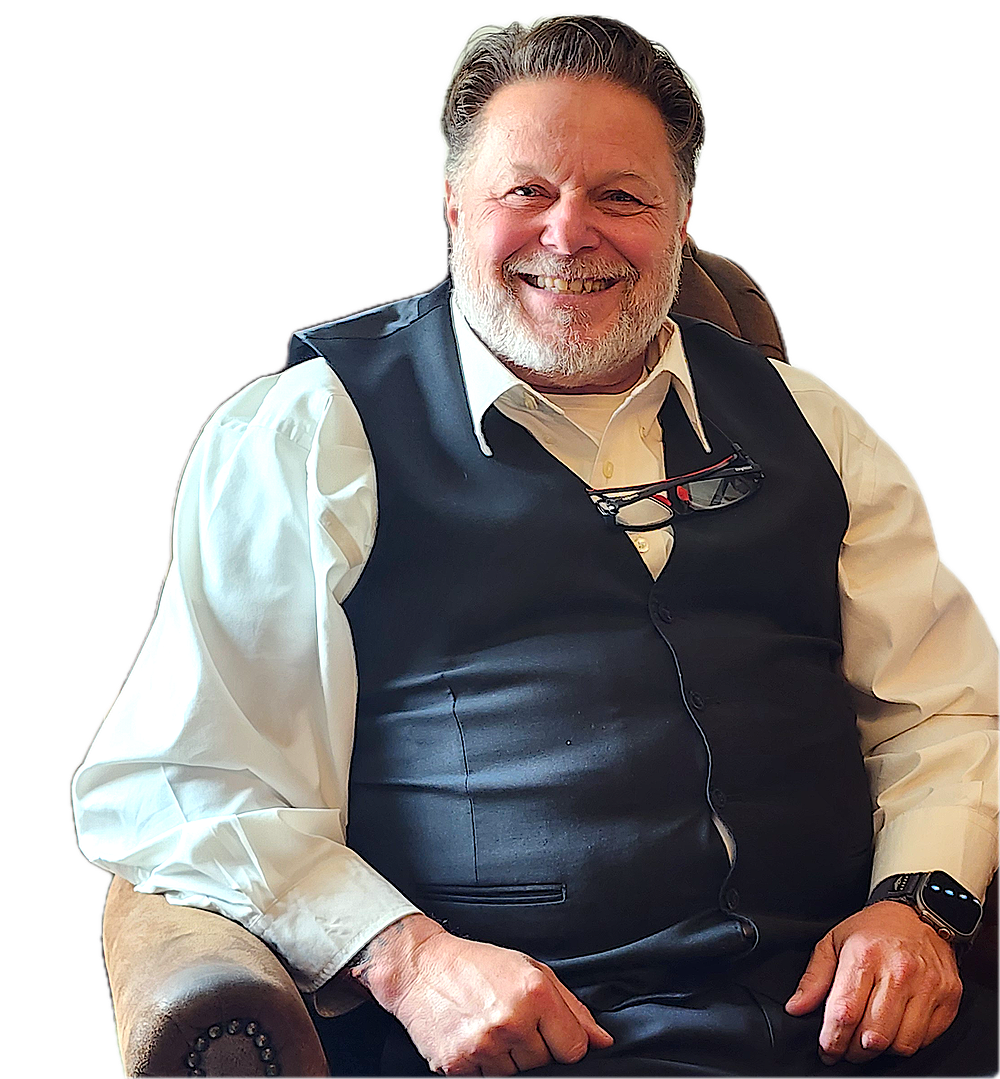 Marvin Colman, head of Montana Counseling Services, works at the Polson clinic office on Tuesday. (Berl Tiskus/Leader)
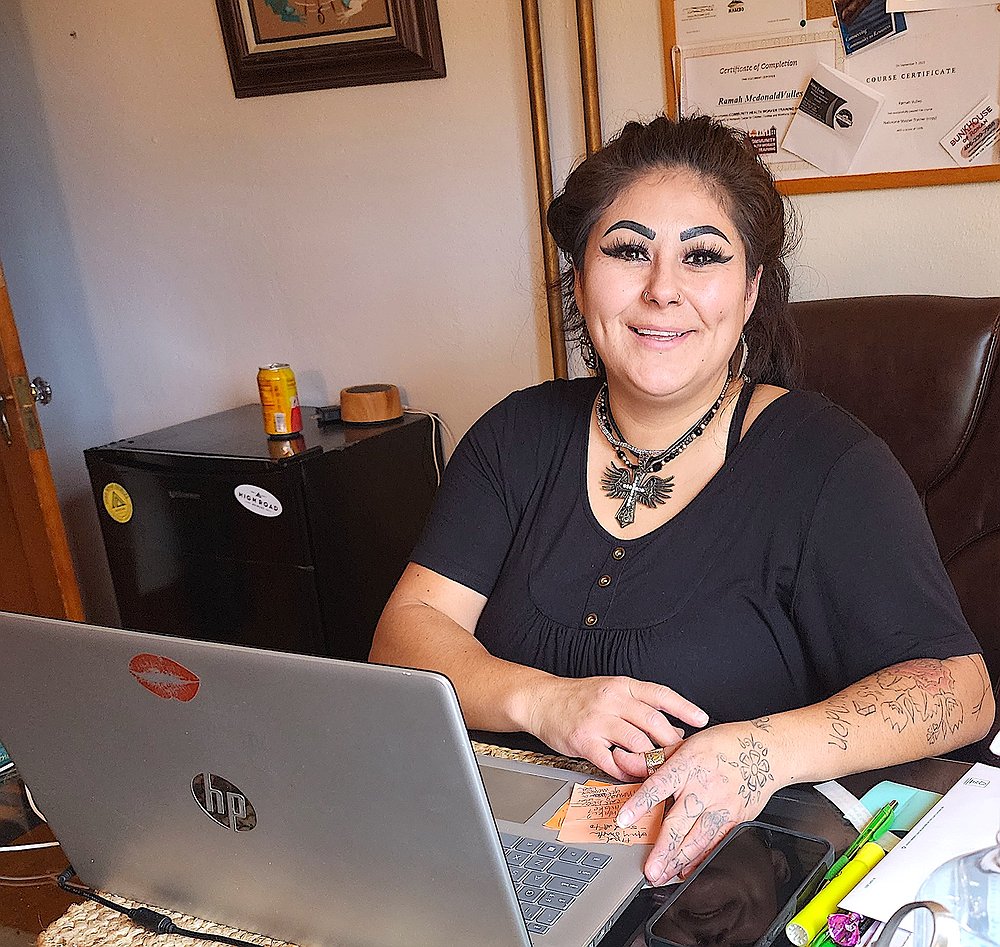 Ramah McDonald Vullis, manager, works at her desk in Montana Counseling Services new office in police. (Berl Tiskus/Leader)
ARTICLES BY BERL TISKUS
Water, sewer issues discussed at Ronan Council meeting
Mayor Ryan Corum told the Ronan City Council at its meeting Feb. 11 that U.S. Rep. Ryan Zinke’s staffers, John Bockmeyer and Steve Hauk, came through town recently and asked the mayor if Ronan had any projects it needed help with. Corum told them about issues with the community's sewer treatment plant, and has since sent an informational letter to Zinke’s Kalispell office, which forwarded the request to Washington, D.C.
Mission Valley FFA members compete for slots at State
Mission Valley FFA members from Ronan, Charlo, and Polson are readying for the state FFA Convention March 31 through April 4 in Great Falls. To advance to the state competition, kids need to finish in the top six in district competition.

Ronan ag teacher, FFA advisor is sowing seeds for the future
Jason Frost is the ag teacher at Ronan High School and Mission Valley FFA Chapter advisor for Ronan, Charlo and Polson High Schools. “I teach many things,” he said, and he does.