
Proposed beaver transplant program could restore waterways
EMILY HEIMARK | Hagadone News Network | UPDATED 1 year AGO
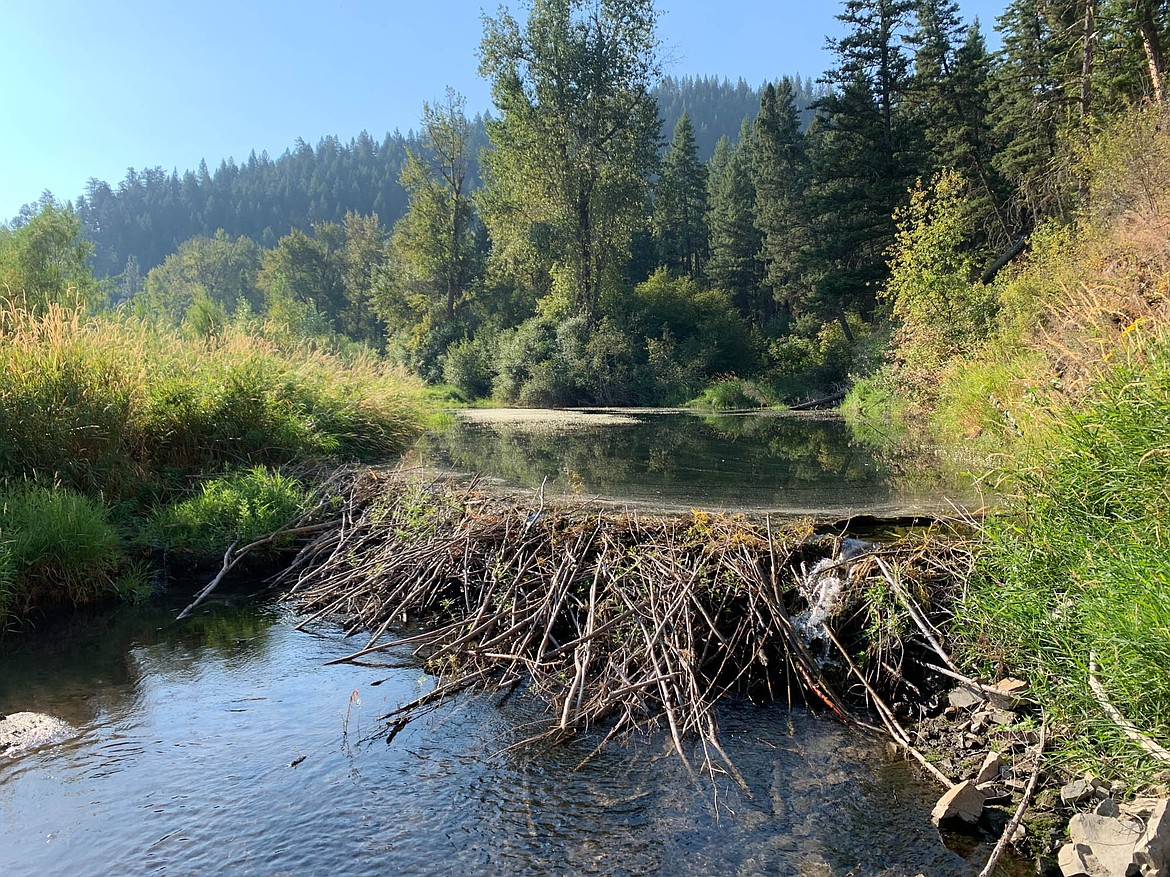
Beaver dam on a tributary to the Clark Fork River near Missoula. (Torrey Ritter)
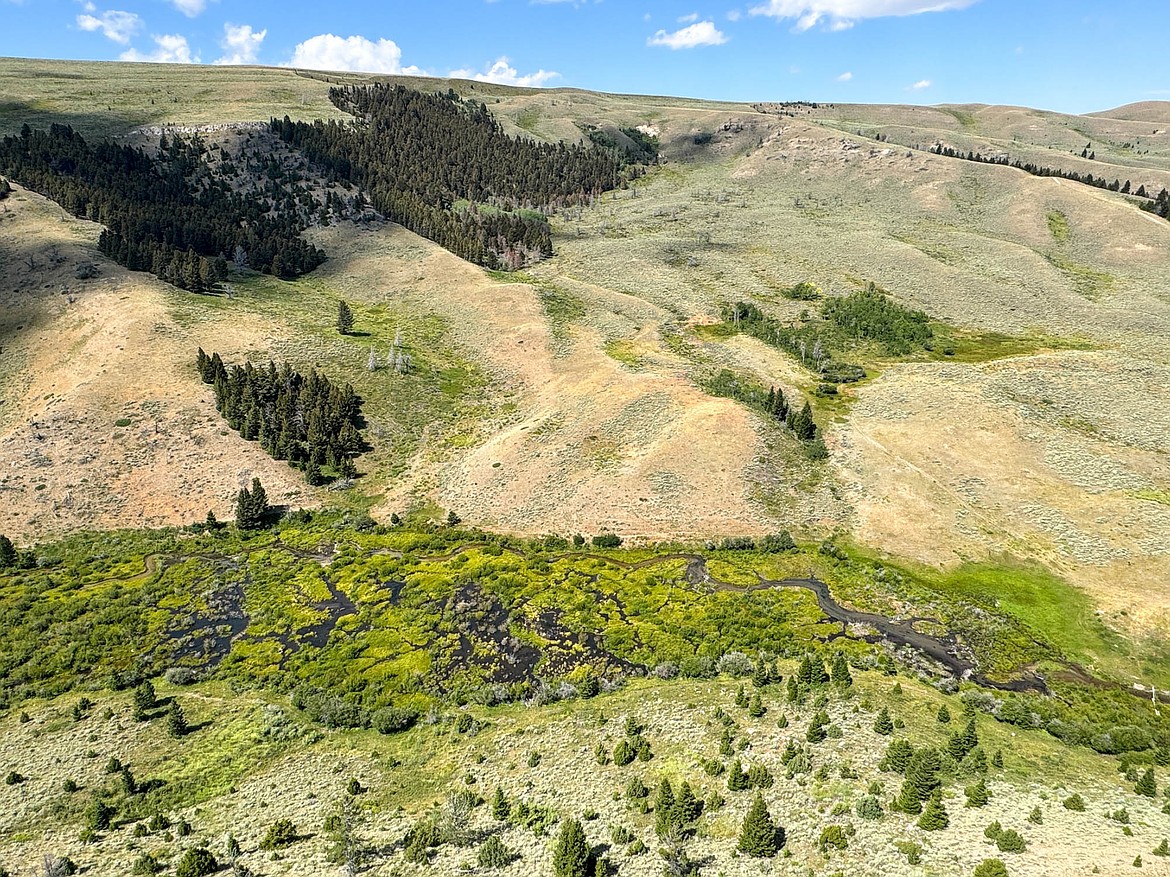
Beaver colonies on the Robb-Ledford Wildlife Management Area in southwest Montana. (Torrey Ritter Photo)
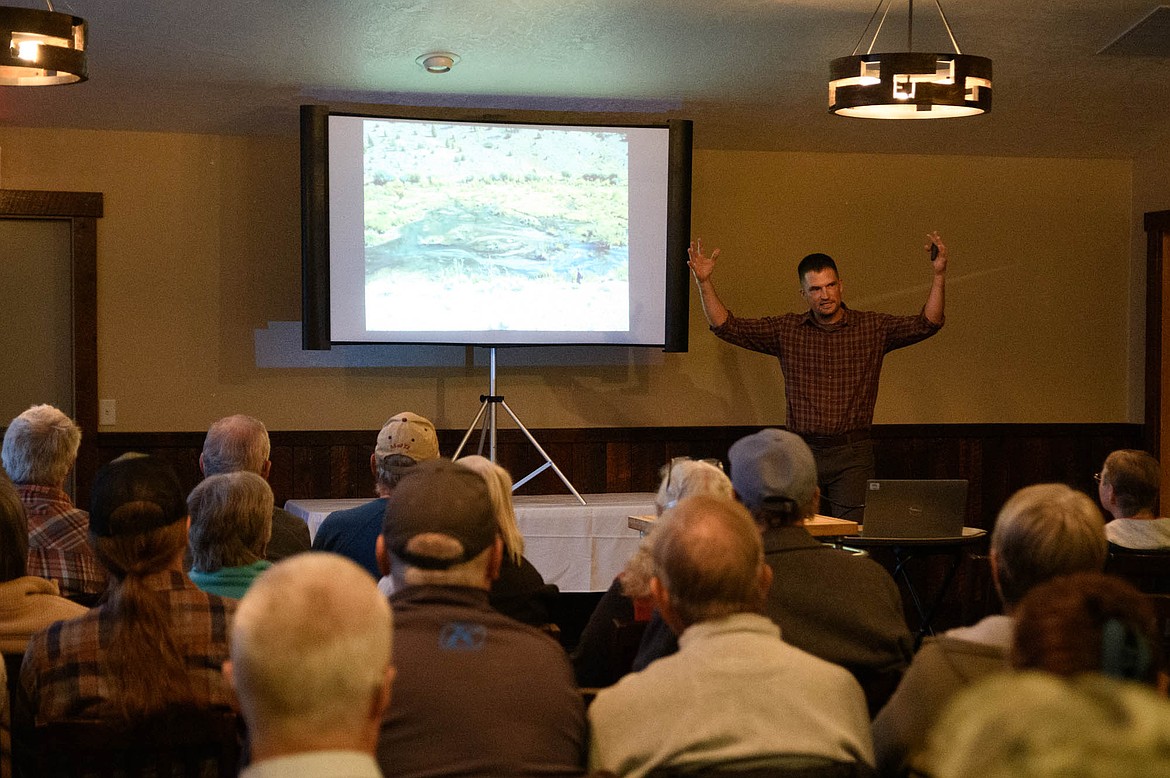
Torrey Ritter gives his presentation at Ninepipes Lodge about beavers in Montana waterways. (Emily Messer/Leader)
Emily Heimark (Messer) joined the Lake County Leader in July of 2025 after earning a B.A. degree in Journalism from the University of Montana. Emily grew up in the rolling hills of southeast Missouri. She's lived in Montana since 2022 and honed her reporting craft through the UM J-School newspaper and internships at the RMEF Bugle Magazine and the Missoulian. At the Leader, she covers government, business, education, agriculture and community news. Contact Emily Heimark at [email protected] or 406.883.4343 | October 23, 2025 12:00 AM
Montana Fish, Wildlife & Parks is considering a new program that provides guidance on how beavers could be transplanted to different areas and ecosystems across the state and is asking for public comment.
FWP's regional nongame wildlife biologist and beaver expert Torrey Ritter hosted a beaver presentation at Ninepipes Lodge last Wednesday. Before the fur trade, North American populations of beavers from anywhere from 300 to 600 million; and Ritter now estimates that population at 10 million.
Ritter explained that the foundation of beaver population is water. Water is critical for humans, and as it moves across the landscape, its distribution determines what water there is for agriculture, municipalities and fish and wildlife resources.
He described the difference between vertical erosion where the stream cuts into the river bottom compared to vertical erosion where the stream meanders widely. When beavers build a dam, they essentially build a wall in the waterway, which causes sediment to build up behind the dam, raising the creek bed and causing it to meander and rebuild the riparian and wetland habitats.
“So, the Beavers are taking this system that was water and sediment moving down a single thread channel, spreading it out, slowing it down, and soaking it into that valley,” Ritter said during the presentation.
Ritter explained that it would take 10,000 years for the stream to be restored, but beavers can be “boots on the ground” to restore these waterways. Ritter showed examples of beaver dam locations where the habitat around the waterway is lush compared to the other areas further away.
Along with these examples he showed areas where wildfires had burned both sides of a waterway, but the flourishing riparian habitat around it was not burned.
“We get a certain amount of snowpack in the mountains each year, but it's not really about how much snowpack we get,” Ritter said. “It's how quickly it melts off, runs down to the rivers and on out of state or off our landscapes; that's what really determines how bad our droughts are and what we have for water resources and how negatively impacted fish and wildlife are.”
Ritter explained how beaver dams hold water, slow it down, and bolster water resources for the dry season. He said not one beaver dam or one colony of beavers can fix these stream issues, but thousands to millions of beavers placed on headwater streams can help the distribution of snowmelt.
Ritter said there are a couple ways to fix these streams, such as humans building a dam like beavers or encouraging natural settlements. Currently FWP does some transplants in the state; however, it takes four months of necessary red tape to transplant a beaver.
Beavers can cause conflict with humans but through the transplant program FWP is hoping to resolve those conflicts by moving beavers into other habitats that can benefit the waterways.
FWP staff developed a draft Environmental Assessment (EA) that evaluates the proposed Montana Beaver Transplant Program. Public review and comment are open through Oct. 27. To review the FWP program visit their website at fwp.mt.gov under the section “News and Public Notices.” Requests for information and comments can be mailed, phoned or emailed to: FWP, Attn: Torrey Ritter; 3201 Spurgin Rd., Missoula 59804; by phoning 406-381-2339; or by emailing [email protected].
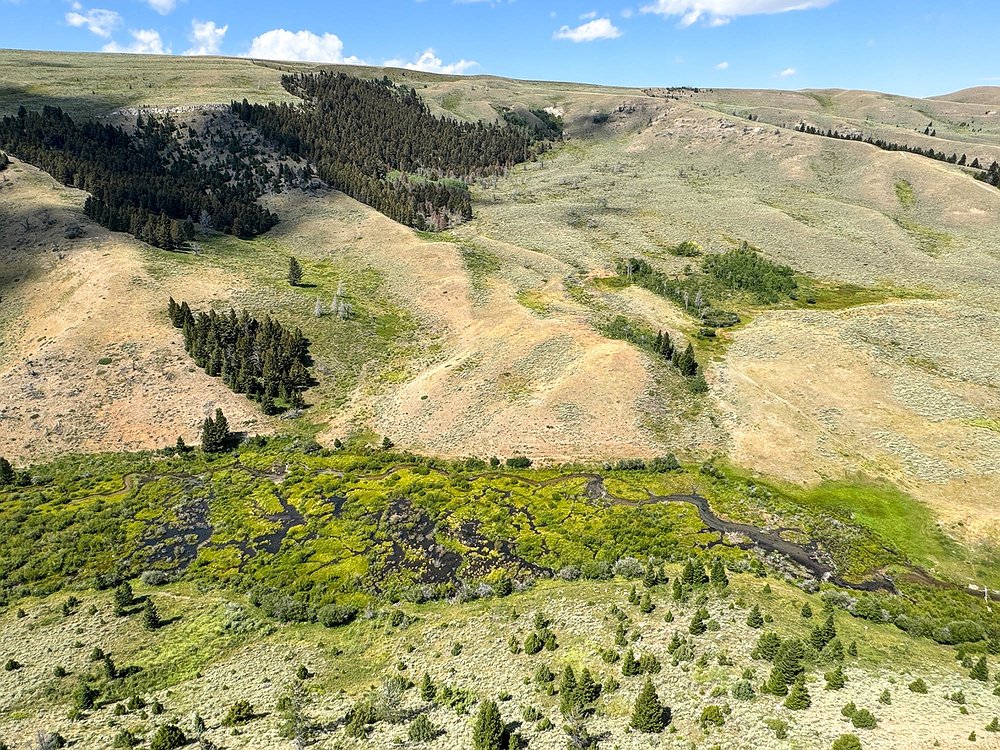 Beaver colonies on the Robb-Ledford Wildlife Management Area in southwest Montana. (Torrey Ritter Photo)
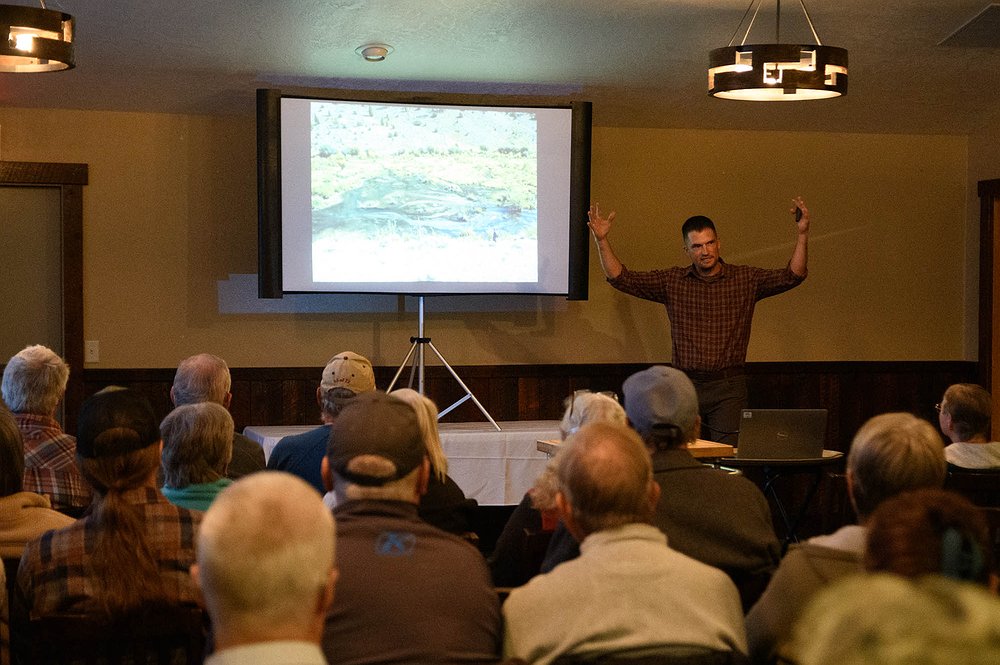 Torrey Ritter gives his presentation at Ninepipes Lodge about beavers in Montana waterways. (Emily Messer/Leader)
ARTICLES BY EMILY HEIMARK
Proposed changes to City of Polson government to appear on ballot
The Polson Local Government Review Study Commission completed its report earlier this year, and the proposed changes to the city charter and supplementary report of action to be taken will appear on the November ballot.

Native cowboy from Mission Valley travels to Kyrgyzstan for Nomad World Games
Reaching down from the back of his horse, he grabs the goat carcass, a total of 80 pounds of dead weight, as dust strikes him in the face; the adrenaline rush is never-ending, and the physical demands on his body are unreal.

Rollins Fire completes community-funded addition and remodel
After outgrowing its space, the Rollins Volunteer Fire Department sought support from the community and raised $2.2 million to fund necessary upgrades and a station addition.