
A crowning achievement: Champion larch tree tells stories of stewardship in the Swan Valley
HAILEY SMALLEY | Hagadone News Network | UPDATED 5 months AGO
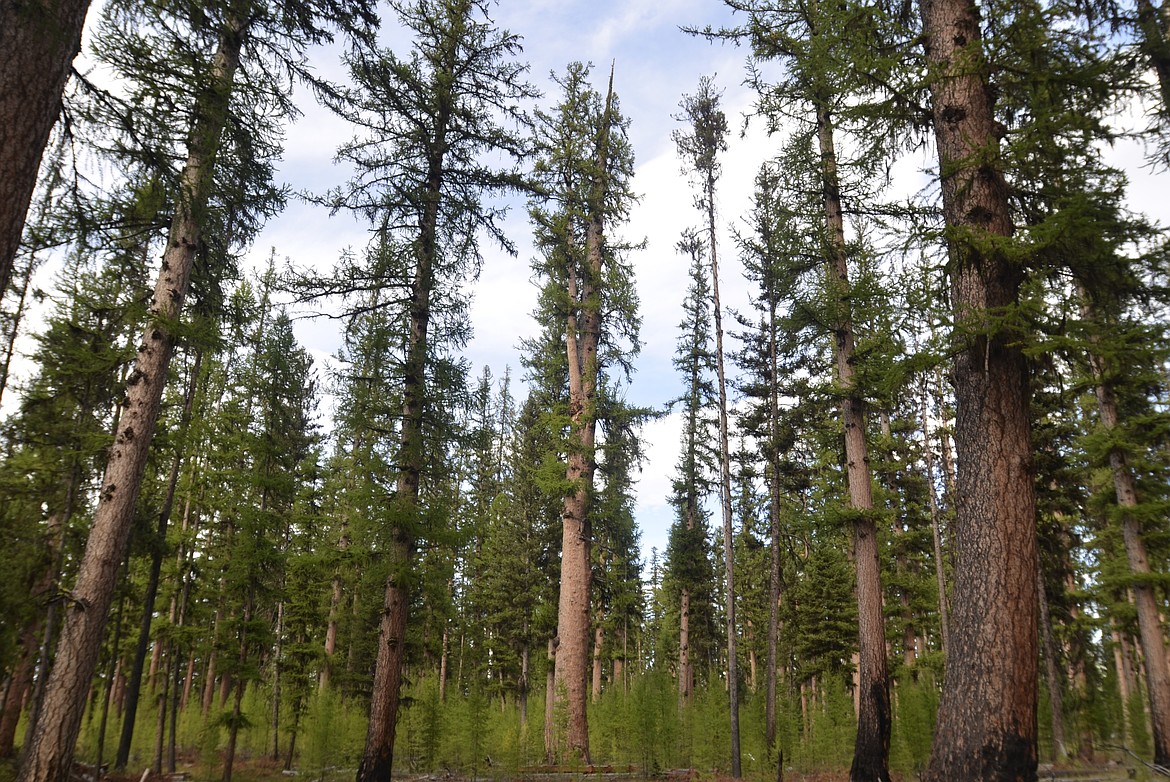
Gus, center, stands in a Jim Girard Memorial Grove in Lolo National Forest. (Hailey Smalley/Daily Inter Lake)
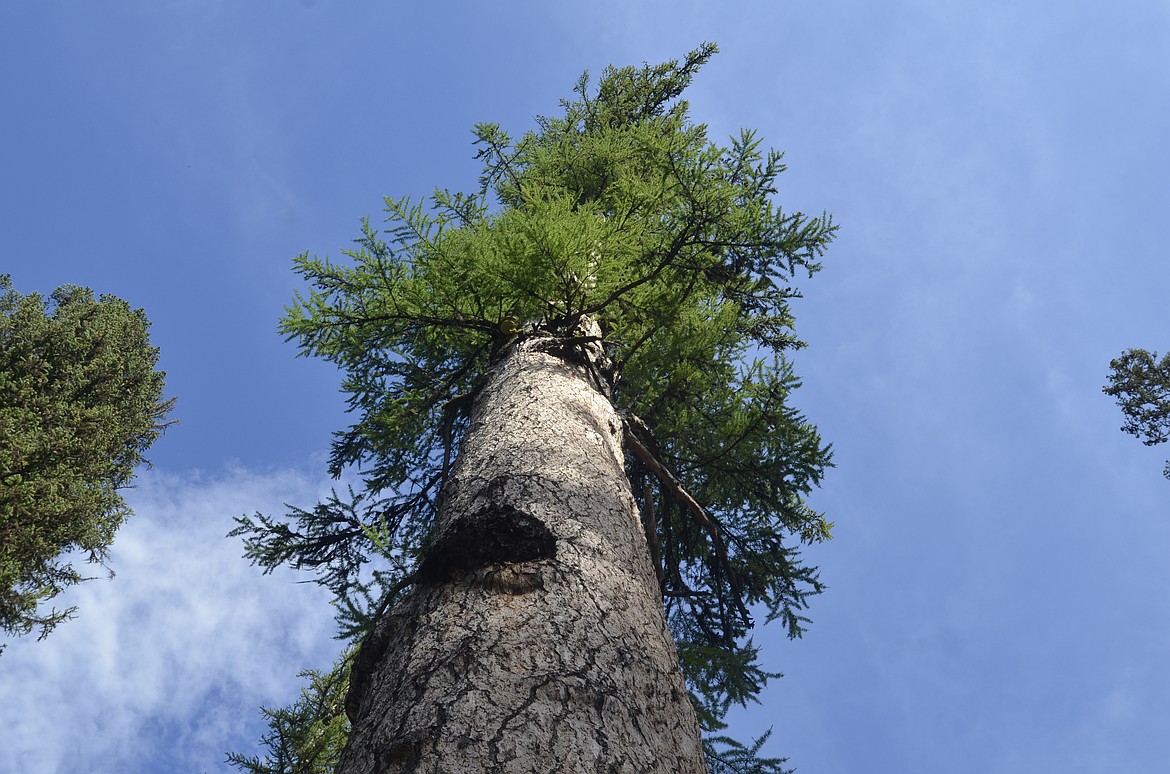
Gus is the largest known western larch tree in the world, standing 154 feet tall. (Hailey Smalley/Dailey Inter Lake)
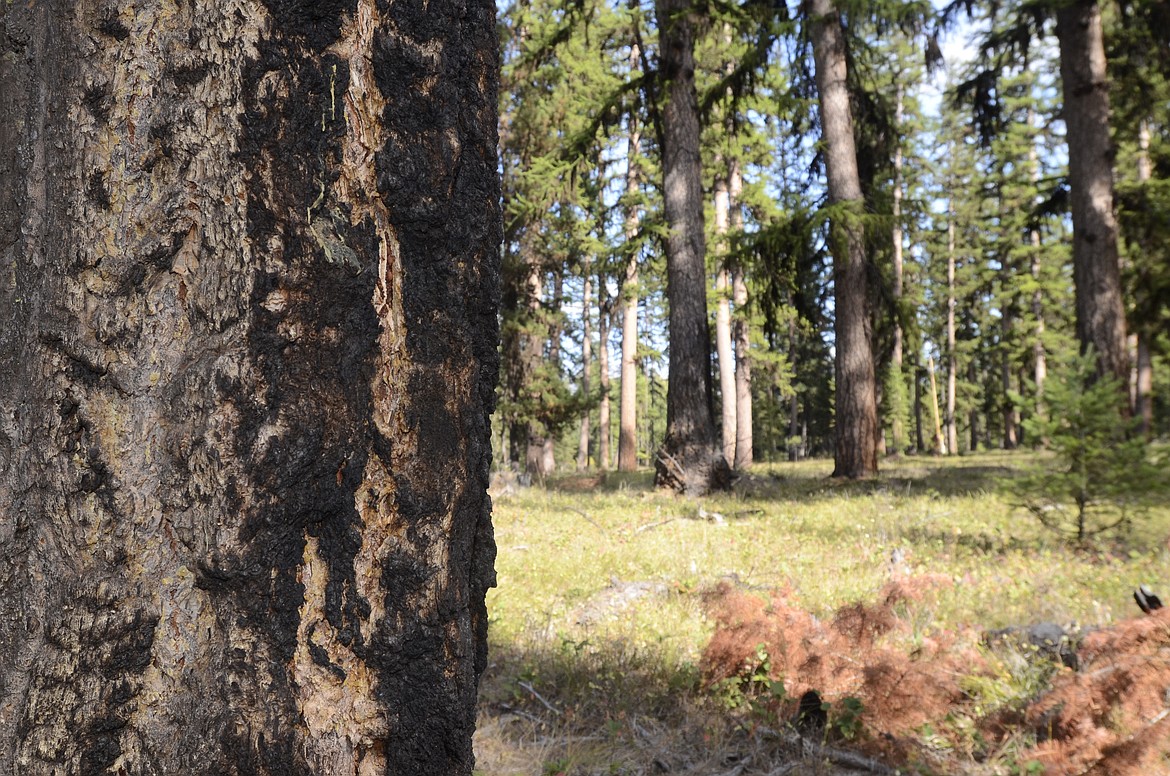
Several trees in Jim Girard Memorial Grove bear scars from the prescribed fire set by forest officials in 2003. (Hailey Smalley/Daily Inter Lake)
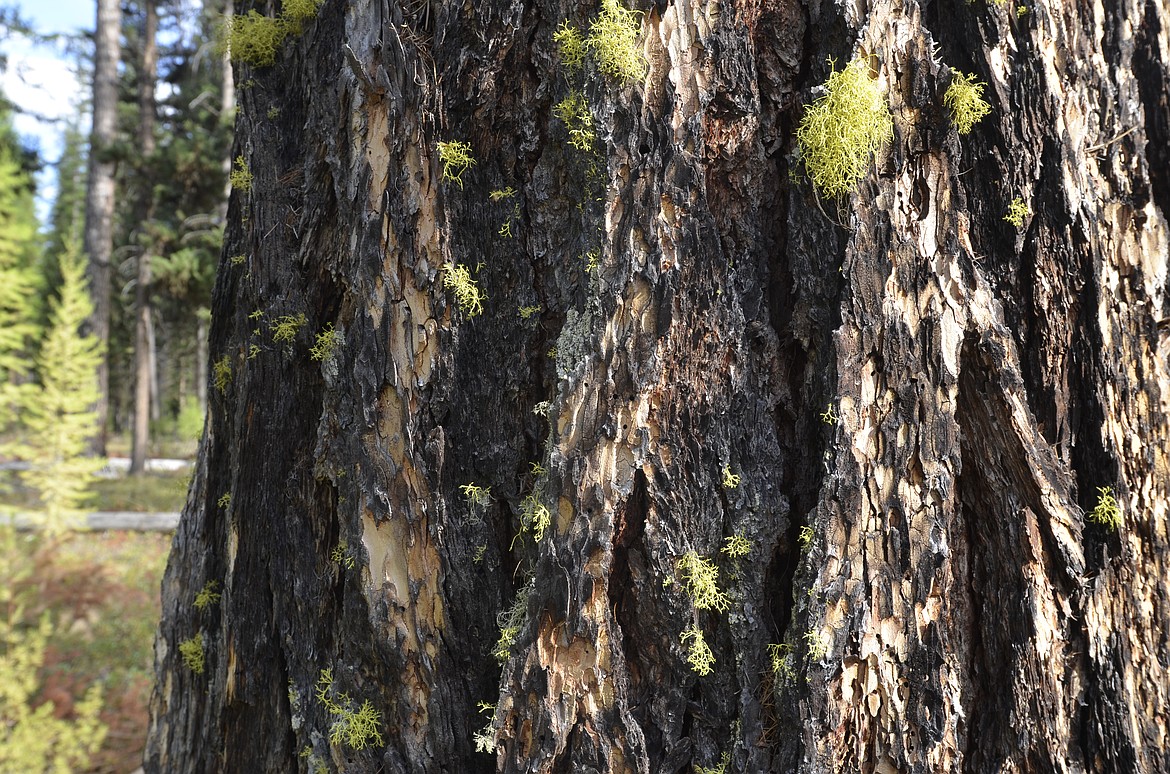
Lichen grows on the trunk of an old-growth western larch tree in Jim Girard Memorial Grove. (Hailey Smalley/Daily Inter Lake)
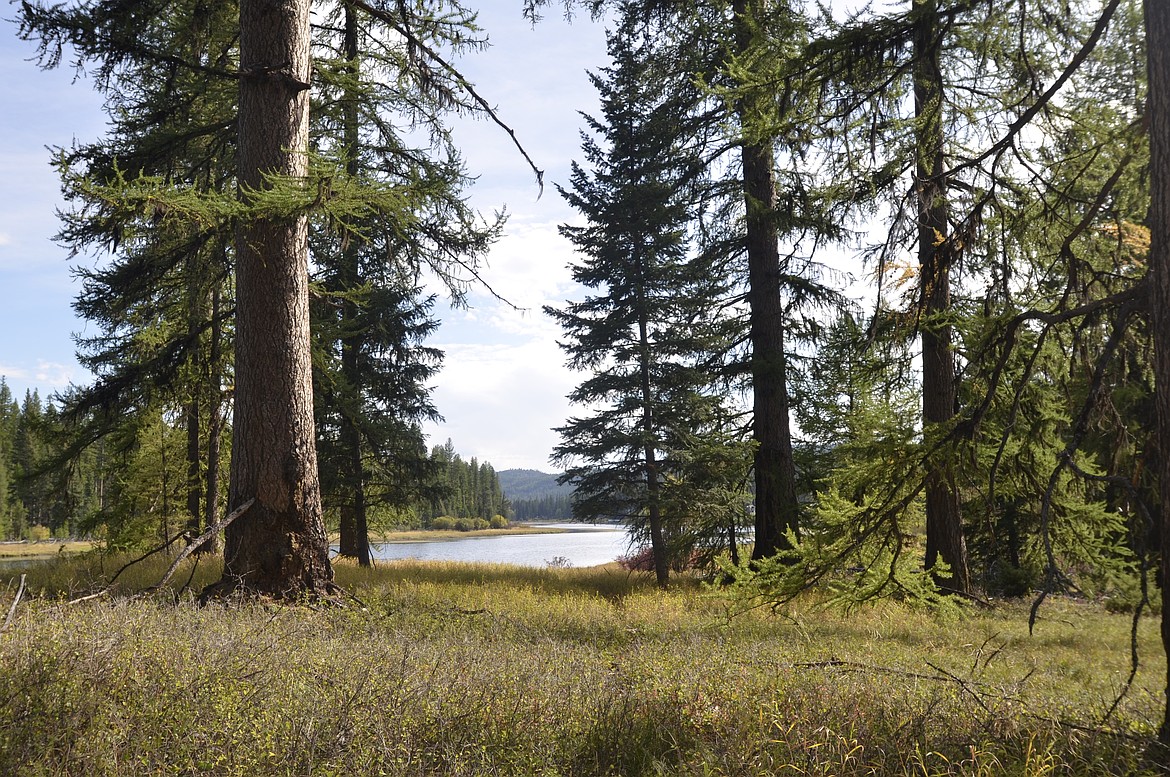
Jim Girard Memorial Grove spans 60 acres near the inlet of the Clearwater River and Seeley Lake. (Hailey Smalley/Daily Inter Lake)
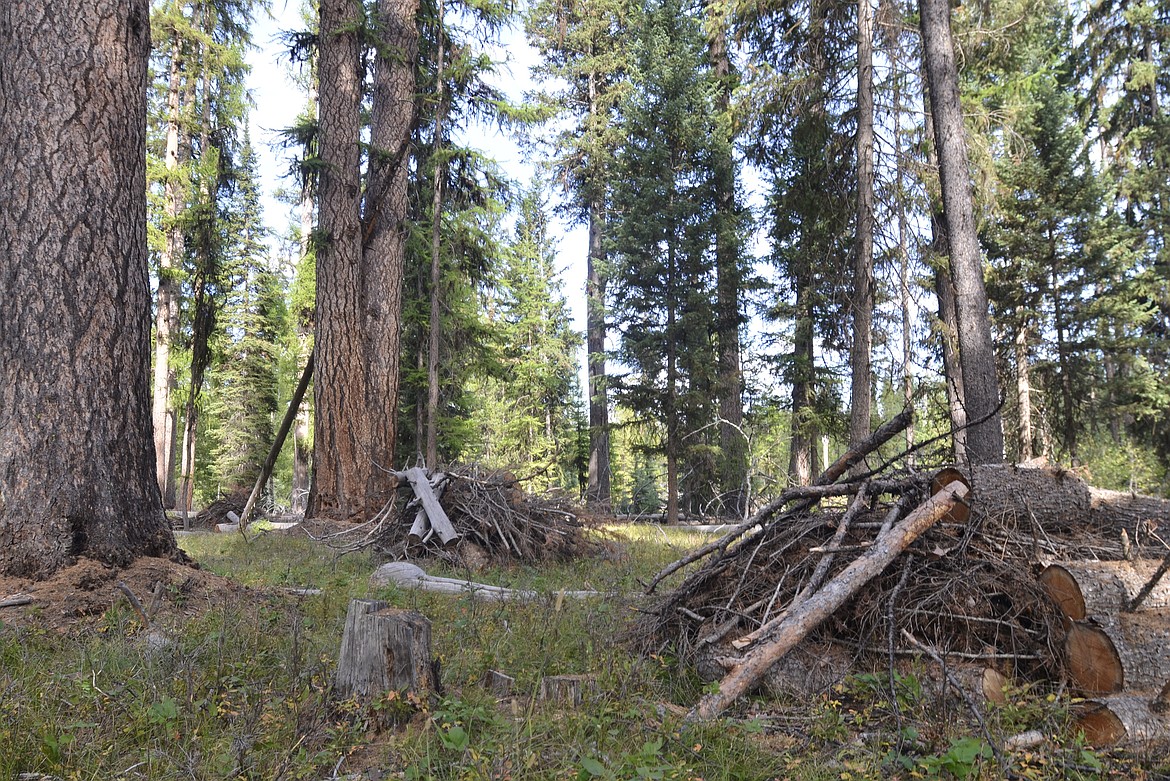
Slash piles from recent thinning work dot the Jim Girard Memorial Grove on September 29, 2025. (Hailey Smalley/Daily Inter Lake)
Autumn in western Montana is like a warm-hued sunset. Fields turn yellow in the last throes of summer heat as golden eagles and red-tailed hawks soar far overhead. Mushrooms in every shade of brown, amber and orange sprout from the forest floor. Aspens and birches blush saffron and Rocky Mountain maples fade to auburn.
Perhaps the most telltale sign of the coming winter is the gilding of Montana’s western larch forests. Pines, firs, hemlocks, cedars and spruces skip out on the annual show of autumn colors and stay evergreen year-round. Not so for the western larch, which crowns itself with golden needles every fall.
As one of only 20 deciduous conifers in the world, the western larch is a rare jewel in the plant world. The indisputable king among kings is ‘Gus,’ a 1,000-year-old larch on the western shore of Seeley Lake. At last tally, Gus measured 154 feet tall with a trunk circumference of 267 inches and a crown spread of 34 feet, earning him the title of National Champion for his species.
Currently run by the University of Tennessee, the National Champion Tree Program records the largest known specimen of more than 560 tree species in North America. The trees “serve as a testament to the rich history and diversity of the American landscape,” according to the program’s website, forming “a bridge between the past and the future.”
Gus is certainly a tribute to those ideals. His massive size is a credit, not only to his species, but to centuries of stewardship that transcended the boundaries of the natural and man-made worlds.
Gus was first ushered into existence some 1,000 years ago with the help of native Salish and Kootenai tribes that frequented the forests surrounding Missoula. Scarring on trees near Seeley Lake suggests that fires historically occurred in the area about once every 20 or 30 years, far more often than would typically be expected in such a damp cool microclimate. That data, along with the oral histories and traditions of native tribes, suggests native tribes initially set fire to the area as a means of forest management.
The frequent low-intensity fires cleared away potential wildfire fuels like leaf litter and overgrown brush, creating sunny openings where young seedlings could thrive. The flames also broke down sowed fresh nutrients back into the soil, giving Gus an over-abundance of everything he needed to grow.
And grow he did. Up and out, adding inches to both his height and girth, despite the ample ecological dangers that threaten young seedlings. Studies show that less than 40% of western larch seedlings survive their first three seasons, with most succumbing to fungi or poor weather conditions.
The western larch seedlings that do survive grow faster than almost any other conifer in the West, allowing them to outcompete other young trees for sunlight. At 4 years old, Gus was already about a foot tall.
By the time the next prescribed fire was set, some 20-30 years later, Gus likely topped 20 feet. Armored in thick corky bark and adorned with deciduous leaves that retained more moisture than most pine needles, Gus would have been able to ride out the flames with ease. In total, Gus is believed to have weathered about 40 fires.
Arriving in the 1800s, early European settlers took note of the old-growth forests around Seeley Lake as a source of beauty and a potential timber mine. An 1880 survey of the nation’s timber described forests full of “considerable larch — fine trees 2 feet in diameter or more and 100 feet high,” surrounding Missoula.
In 1907, the recently established U.S. Forest Service partnered with Big Blackfoot Milling Company for one of its first forays into the timber market. The target was about 50 million board feet of western larch, ponderosa pine and Douglas-fir on the shores of Seeley Lake.
Despite his enormous size, Gus’s advanced age put him out of the running for the project. As western larches age, they become especially susceptible to heart rot, which hollows out the inside of a tree, and ring shake, which separates the wood along the tree rings. Both conditions make for low-quality lumber.
Gus’s retirement was sealed in 1952, when the U.S. Forest Service dedicated 60 acres of Lolo National Forest as the Jim Girard Memorial Grove. The renowned forester began a storied career with the U.S. Forest Service as a timber cruiser in the western larch groves surrounding Seeley Lake.
While the designation helped safeguard Gus and his neighbors from timber extraction, the U.S. Forest Service’s aggressive fire suppression policies were quickly teeing up new dangers. Sun-speckled larch groves transformed into thick tangles of brush. Logs nestled in a decades-dense mat of dried pine needles dried into brittle tinder. Every year, the amount of fuel in the forest grew, as did the chances of a catastrophic wildfire.
To solve the problem, foresters turned to the native tradition of prescribed burning. In 2002, managers stripped the old-growth forest of saplings that could serve as ladder fuels and cut back some of the dense undergrowth. The following fall, officials set the grove ablaze for the first time in more than a century.
Scars from that fire are still visible on many of the western larch trees that populate Jim Girard Memorial Grove. Today, the federal agency continues to manage the stand with a combination of prescribed burning and thinning, according to public affairs specialist Kevin Farmer.
There was ample evidence of this latest chapter in the stewardship of Montana’s western larch forests when I visited Jim Girard Memorial Grove on a sunlit day in late September. Walking along the narrow trail towards Gus, I spotted branches and severed logs piled beneath the canopy, waiting to be burned.
They would have to wait a few more weeks. It was still summer in spirit. The canopy overhead was lively and green, without even a blush of yellow to hint at the coming season. I squinted against the sunlight and cupped a hand over my eyes to better take in the giant before me.
The longer I looked, the more I realized that I am not only looking at a tree. Like a sun in a miniature galaxy, Gus draws life to him. Lichens and mushrooms sprout from his beetle-gnawed bark. Birds use fallen needles to construct nests in cavities punched through his trunk. There, too, was evidence of the centuries-long communion between Gus and the human residents of this valley.
I lingered, looking up into the distant canopy and feeling small, just one more string in the web of connections that gave rise to the western larch king’s 1,000-year reign.
Reporter Hailey Smalley can be reached at 758-4433 or [email protected].
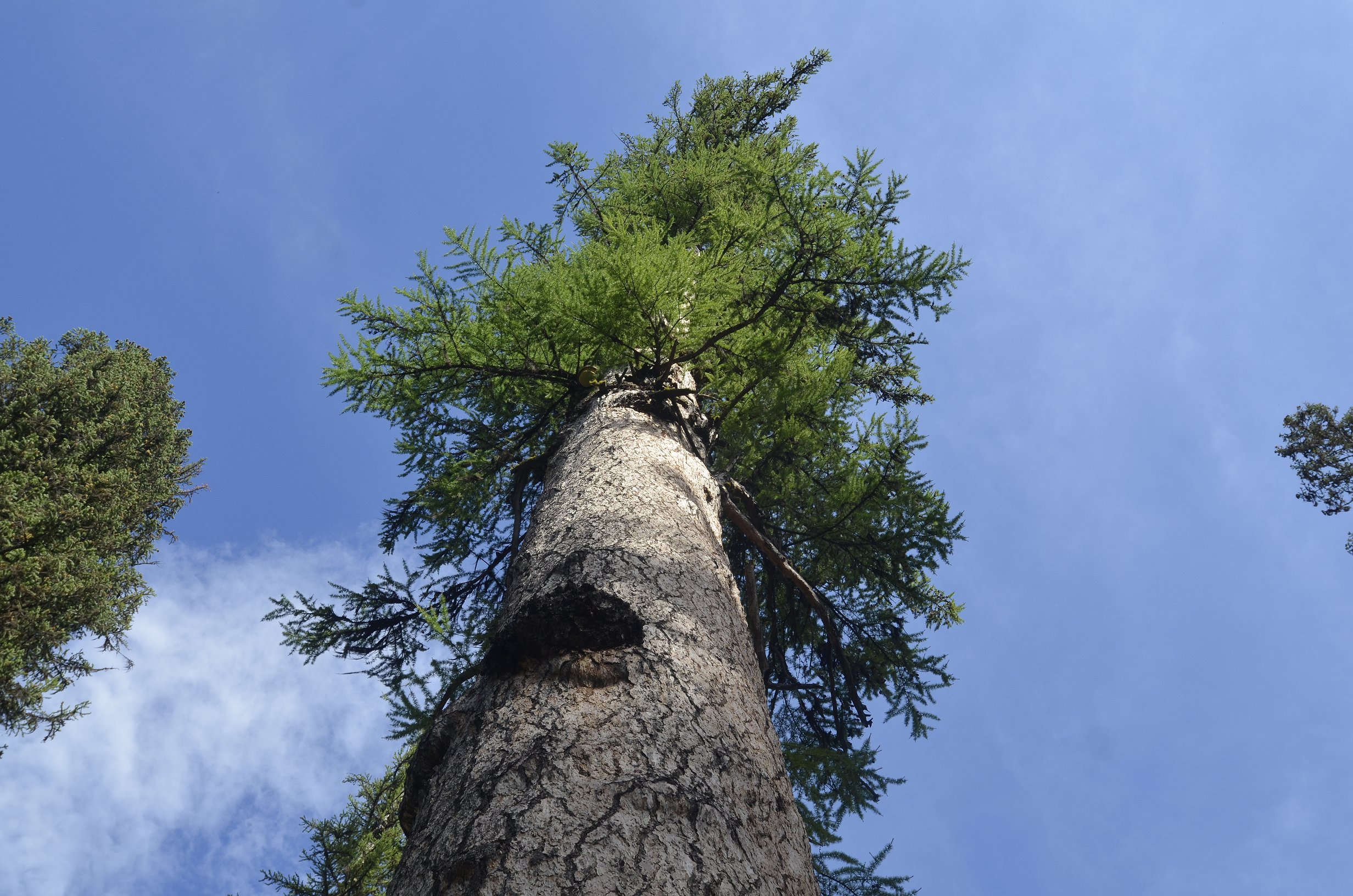 Gus is the largest known western larch tree in the world, standing 154 feet tall. (Hailey Smalley/Dailey Inter Lake)
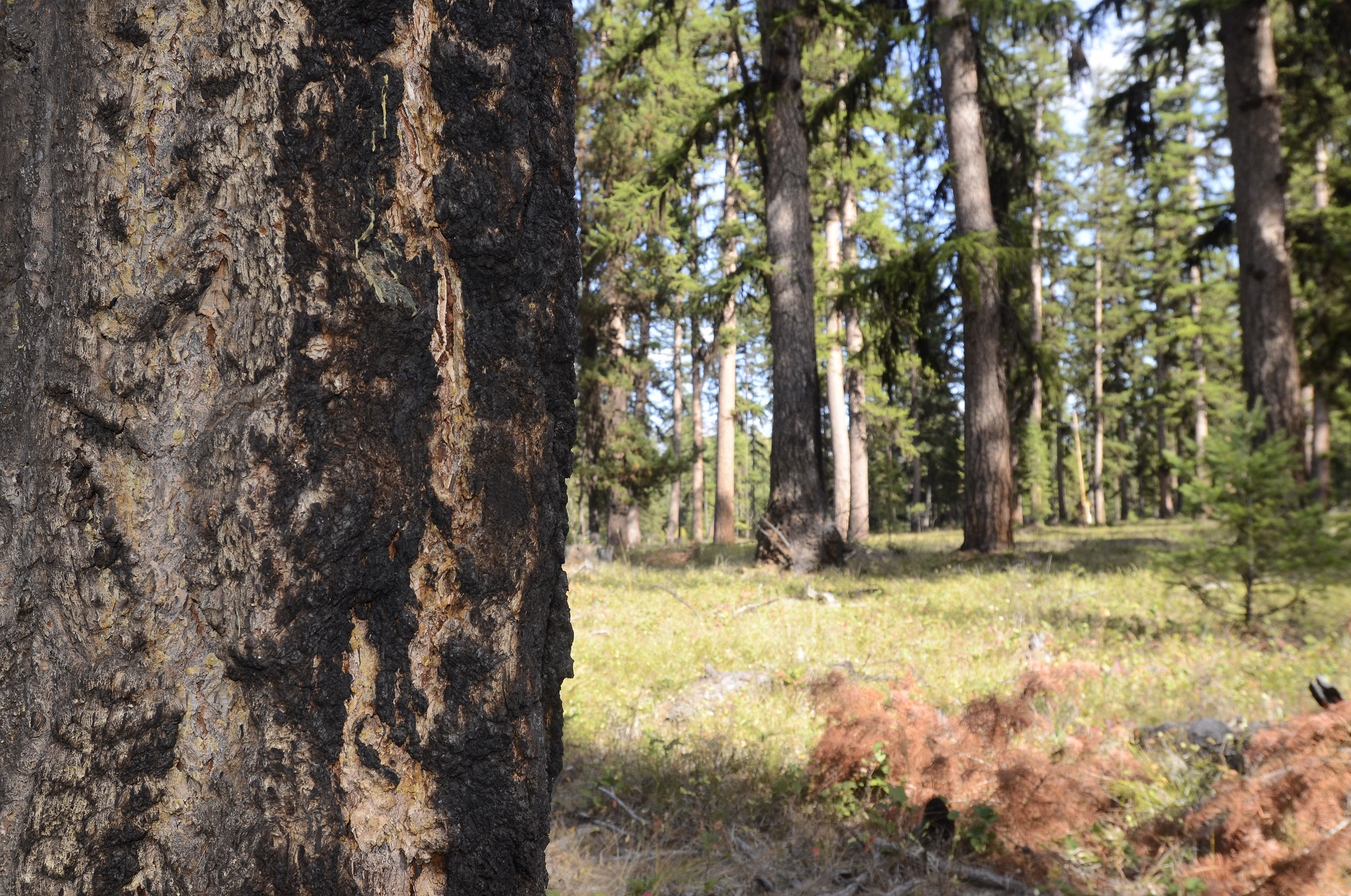 Several trees in Jim Girard Memorial Grove bear scars from the prescribed fire set by forest officials in 2003. (Hailey Smalley/Daily Inter Lake)
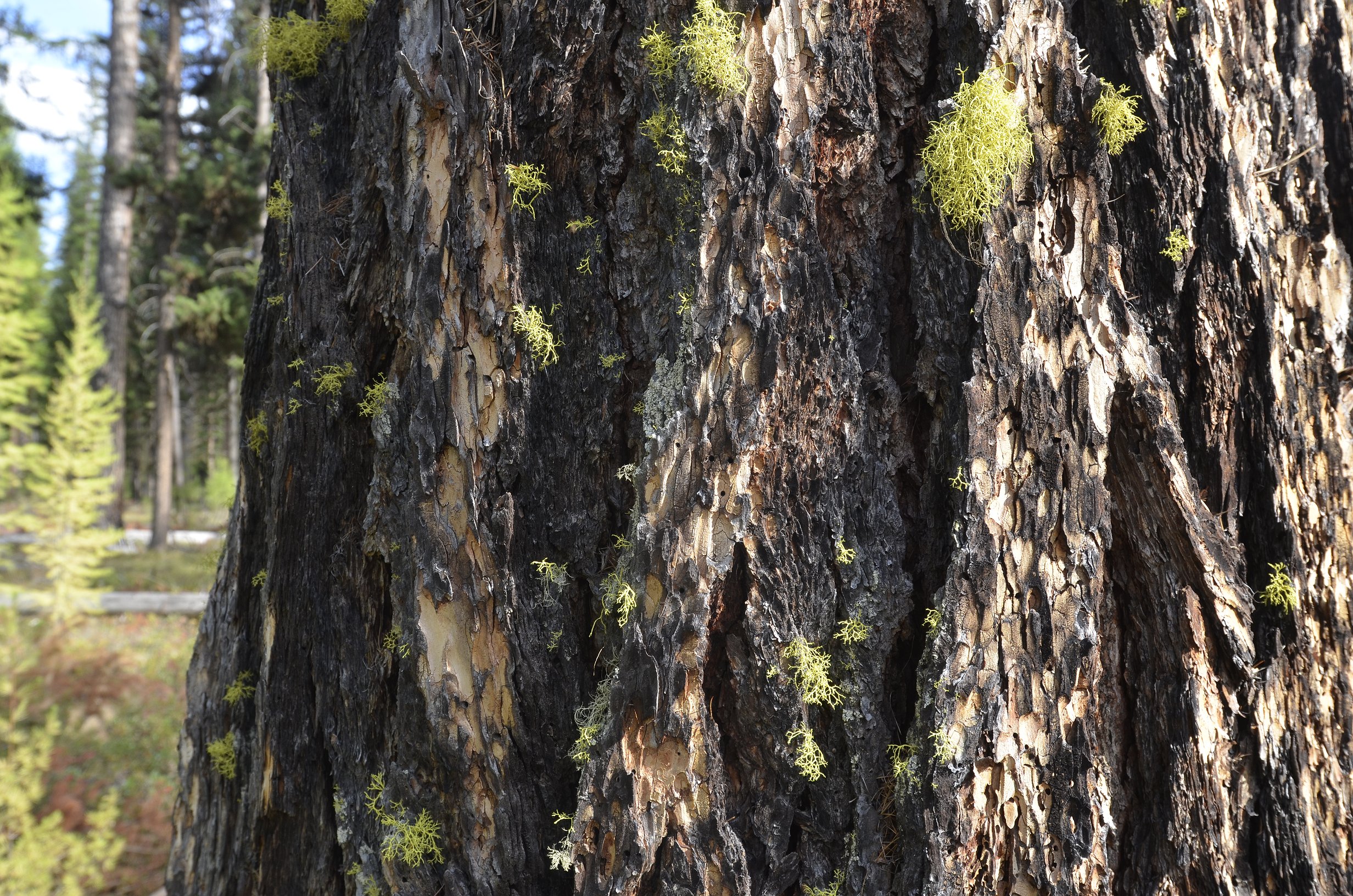 Lichen grows on the trunk of an old-growth western larch tree in Jim Girard Memorial Grove. (Hailey Smalley/Daily Inter Lake)
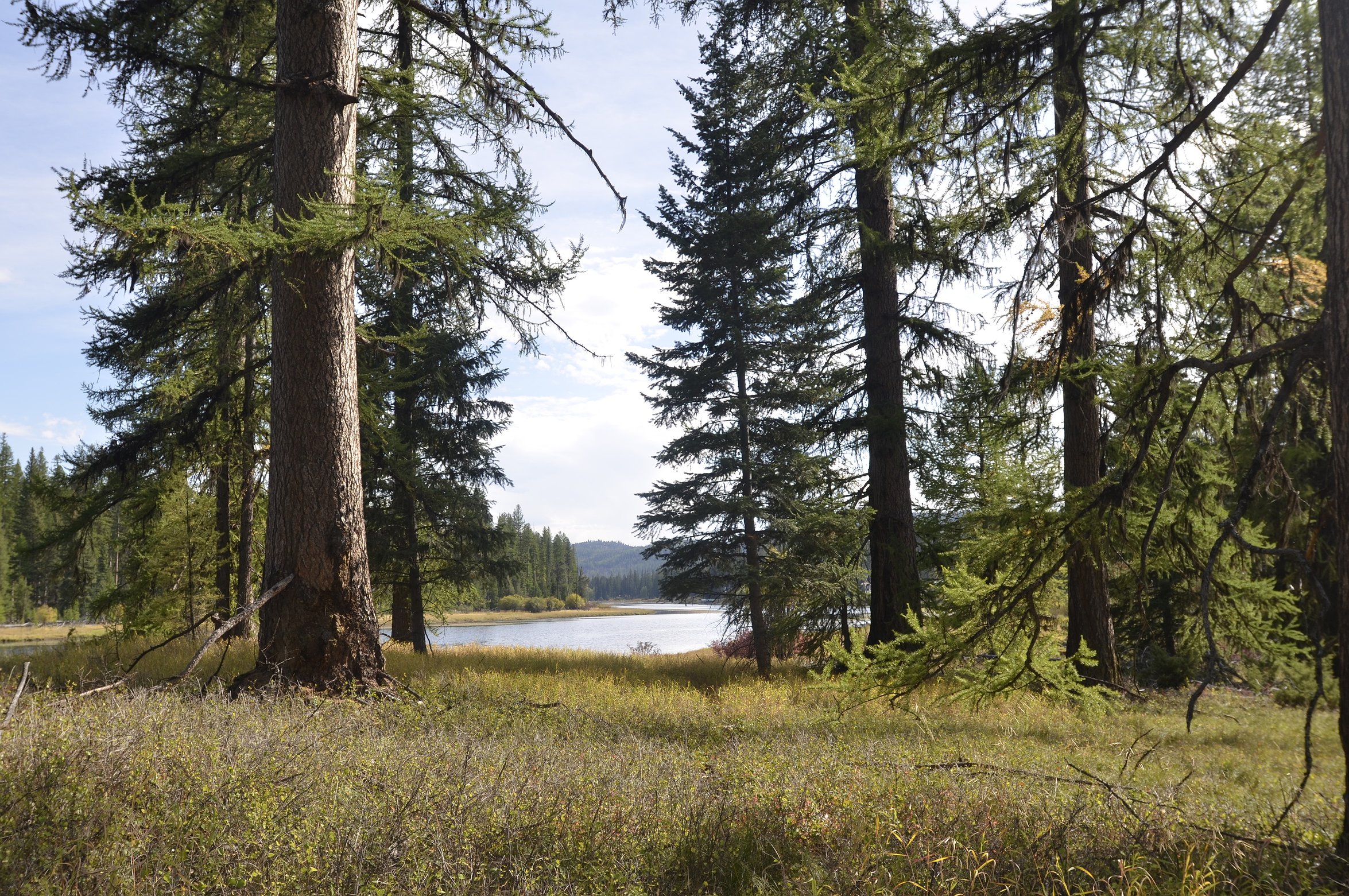 Jim Girard Memorial Grove spans 60 acres near the inlet of the Clearwater River and Seeley Lake. (Hailey Smalley/Daily Inter Lake)
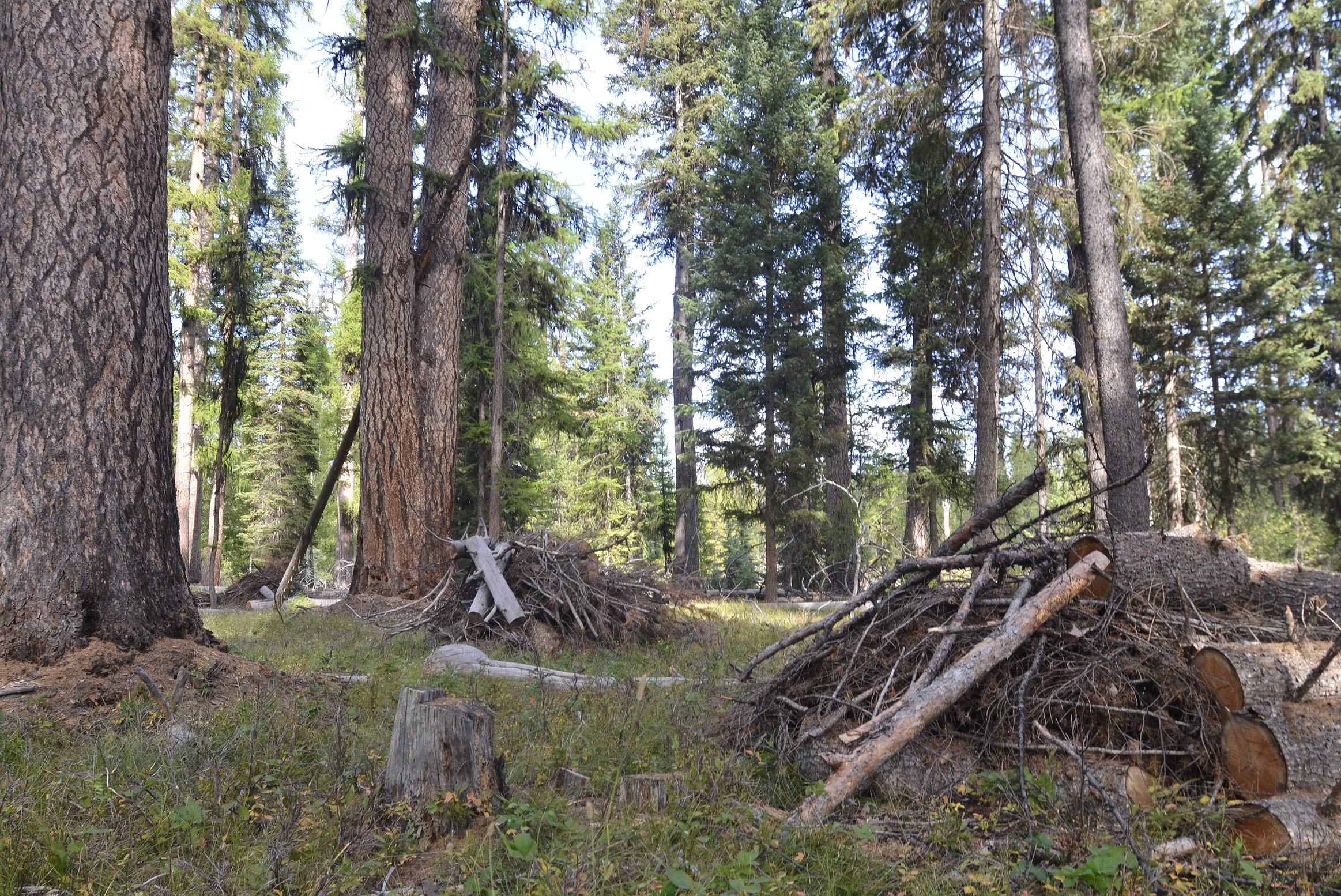 Slash piles from recent thinning work dot the Jim Girard Memorial Grove on September 29, 2025. (Hailey Smalley/Daily Inter Lake)
ARTICLES BY HAILEY SMALLEY
Winging it through winter: Rare Anna's hummingbird finds shelter in Bigfork backyard
The bird turned out to be an Anna’s hummingbird — a rare find in western Montana. The Montana Natural Heritage Program’s bird distribution database has logged only 158 sightings of Anna’s hummingbirds in the state, including 21 sightings in Flathead County.

Business groups sue to stop proposed ban on political spending in Montana
The Kalispell Chamber of Commerce is one of several organizations to file suit over a proposed ballot initiative to ban corporate spending in politics, arguing it infringes on the free speech rights of businesses.

Mexican man who led deputies on high-speed chase in Kalispell receives federal prison sentence
A Mexican national arrested after a high-speed chase through Kalispell in June 2025 received an 18-month sentence for illegal reentry in federal court last week.