
New BBCC greenhouse expands Ag program for the Fall
CALEB PEREZ | Hagadone News Network | UPDATED 11 months, 3 weeks AGO

Construction of the BBCC Greenhouse was completed in the first week of July. Since its completion, students have been able to utilize the greenhouse for a variety of projects that expand what they were previously capable of learning.
CALEB PEREZ/COLUMBIA BASIN HERALD
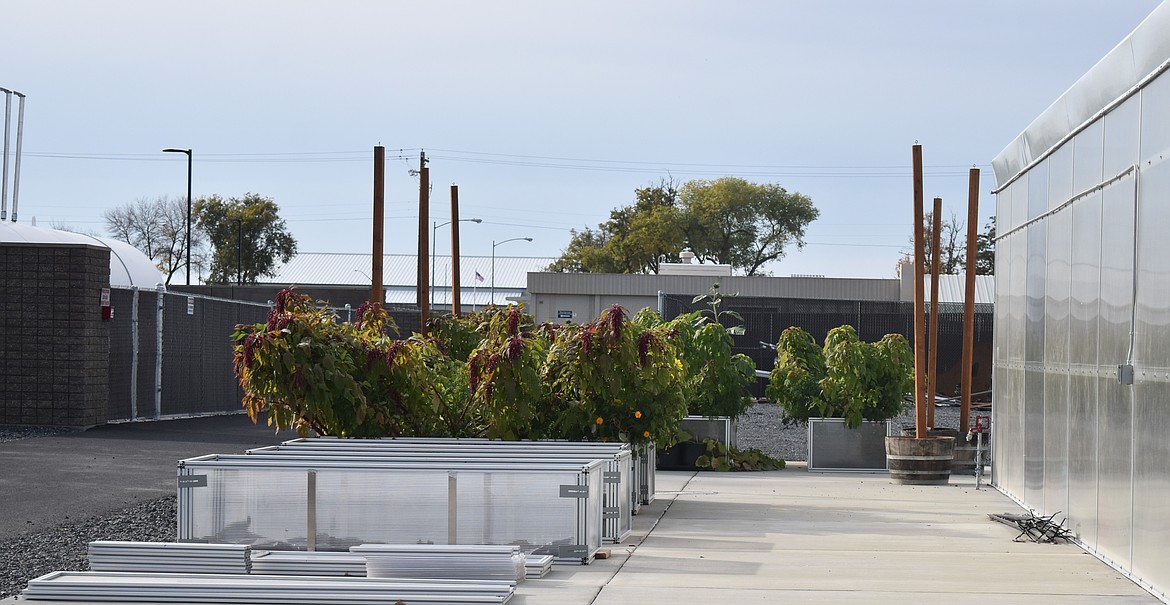
The raised beds outside the greenhouse are all made from recycled materials from around the college. Around 30 of these beds will be built and will be added on either side of the greenhouse.
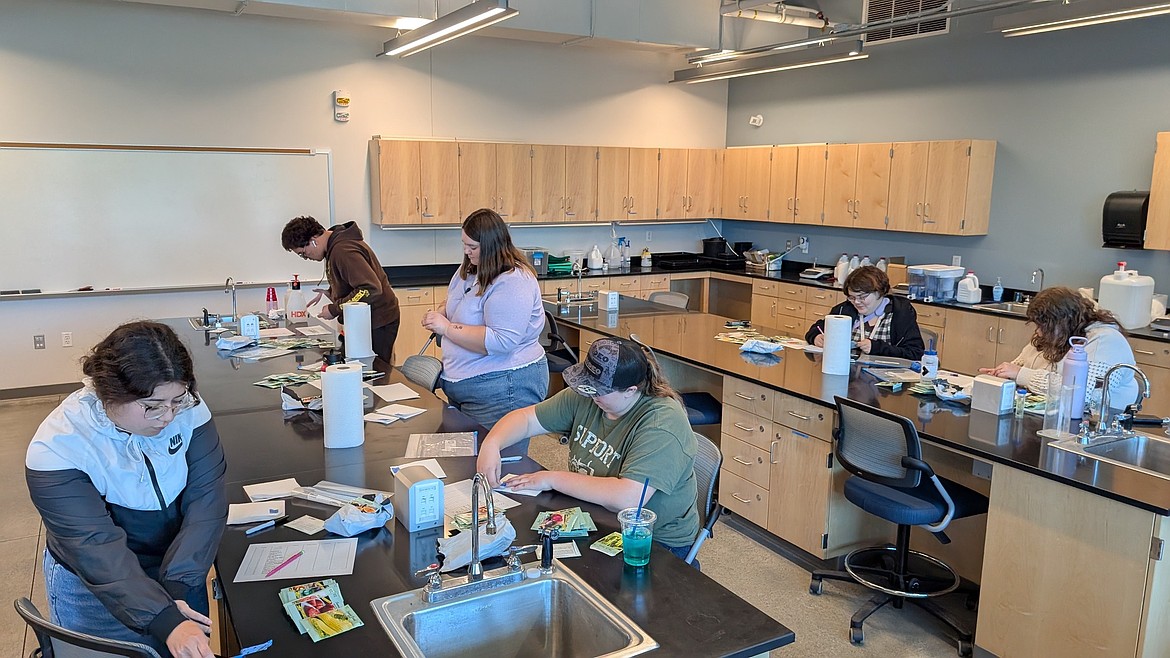
Students work with a variety of seeds during one of their classes this semester. BBCC Agriculture Professor Aaron Mahoney said the addition of the greenhouse allowed students to have greater success in the growth of crops this year.
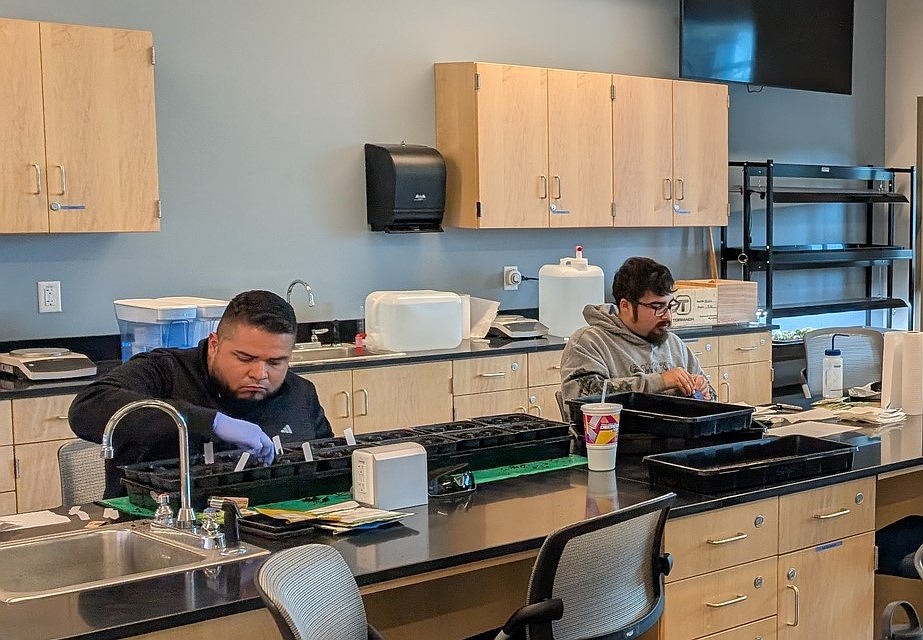
Two BBCC students place seeds into starting pots to grow in the greenhouse. Students grow a variety of the major commodities in the basin, such as corn, wheat, alfalfa, peas, beans, carrots, onions and sunflowers.
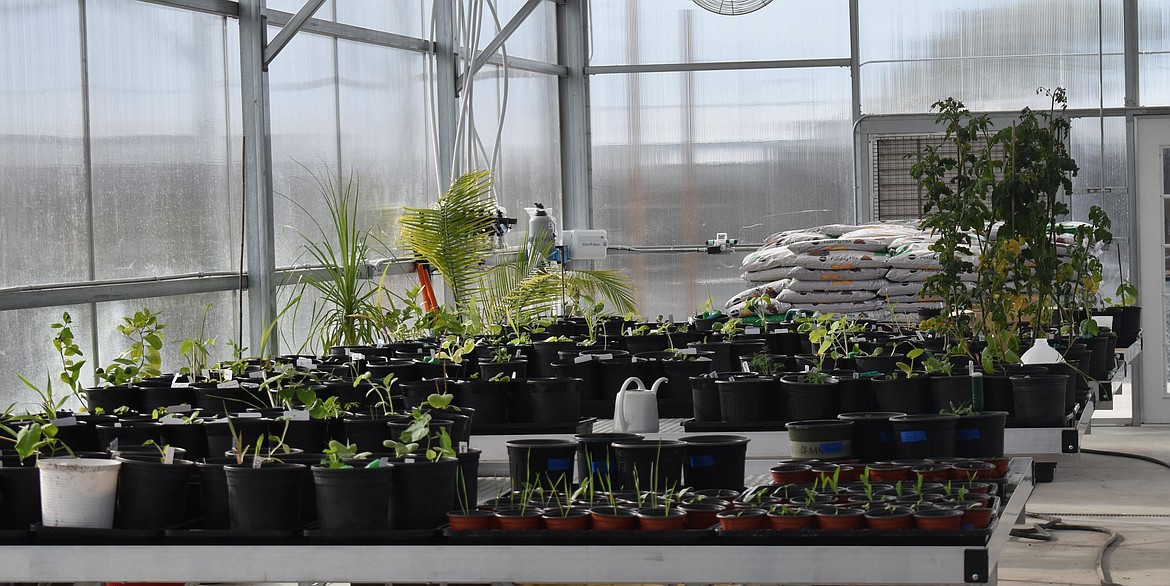
Pots of different crops being grown inside the greenhouse. These crops include varieties such as cauliflower, broccoli, spinach, lettuce, peppers, tomatoes and even wildflowers.
MOSES LAKE – The Big Bend Community College’s Greenhouse project finished construction mid-summer, and students in the Agricultural program have been able to utilize the building to assist in their projects. The BBCC Board of Trustees was taken on a tour of the building Thursday during a board meeting.
“I think that they’re learning sustainability through their soils classes and other different classes,” said LeAnne Parton, Director of Development and Executive Director of the BBCC Foundation. “It’s just been a real wonderful addition to our Ag program.”
The greenhouse was funded by a grant from the Paul Lozier Foundation, which funded $300,000; the Kubata Foundation funded another $150,000 for a total of $450,000 in grants, said Parton.
She said part of the greenhouse project was the addition of sustainable raised beds, and all the produce grown by the students will be used for the Viking Pantry to help feed the students. The plan is to have about 30 raised beds built for this purpose.
Aaron Mahoney, an Agriculture Professor at BBCC, said this semester, students in the Ag program have put the raised beds to use by studying cover cropping and looking at the late-season progression of some of the crops that were started in the summer. This allows the students to look at the yield traits and the physical appearance of crops toward the end of the harvest.
Inside the greenhouse, the students have recently started their crop production plant system, where classes grow 32 different crops. Mahoney said the students bred some of the crops to select the best lines and best-looking varieties.
“From there, they transplanted those into about 15 pots, and then they took those out and they’re going to be monitoring those in the greenhouse until the end of the quarter,” he said.
The students will also monitor the plants over the next few months using technology such as soil sensors and doing research on soil fertility, where they calculate how much fertilizer each plant might need, said Mahoney.
Last year at this time, the students were doing all of these tests in the lab using grow lights, and the plants did not grow very successfully under those conditions, he said.
“We couldn’t really get some of the different developmental stages, so they couldn’t really understand the progression of crops,” said Mahoney.
Another major difference that the students have this year is more space to grow the crops. He said now the students have an area where they can focus more on the agronomy aspect of the classes, which was harder to do in a lab setting.
The focus for the students will be to grow the major commodities in the basin, such as corn, wheat, alfalfa, peas, beans, carrots, onions and sunflowers. Students are also invited to grow 12 other crops that they’re interested in as well.
“A big part of that for me is just so they get comfortable working with plants,” said Mahoney. “The more plants they get to look at, the more that they can grasp the idea of the agronomy side of things.”
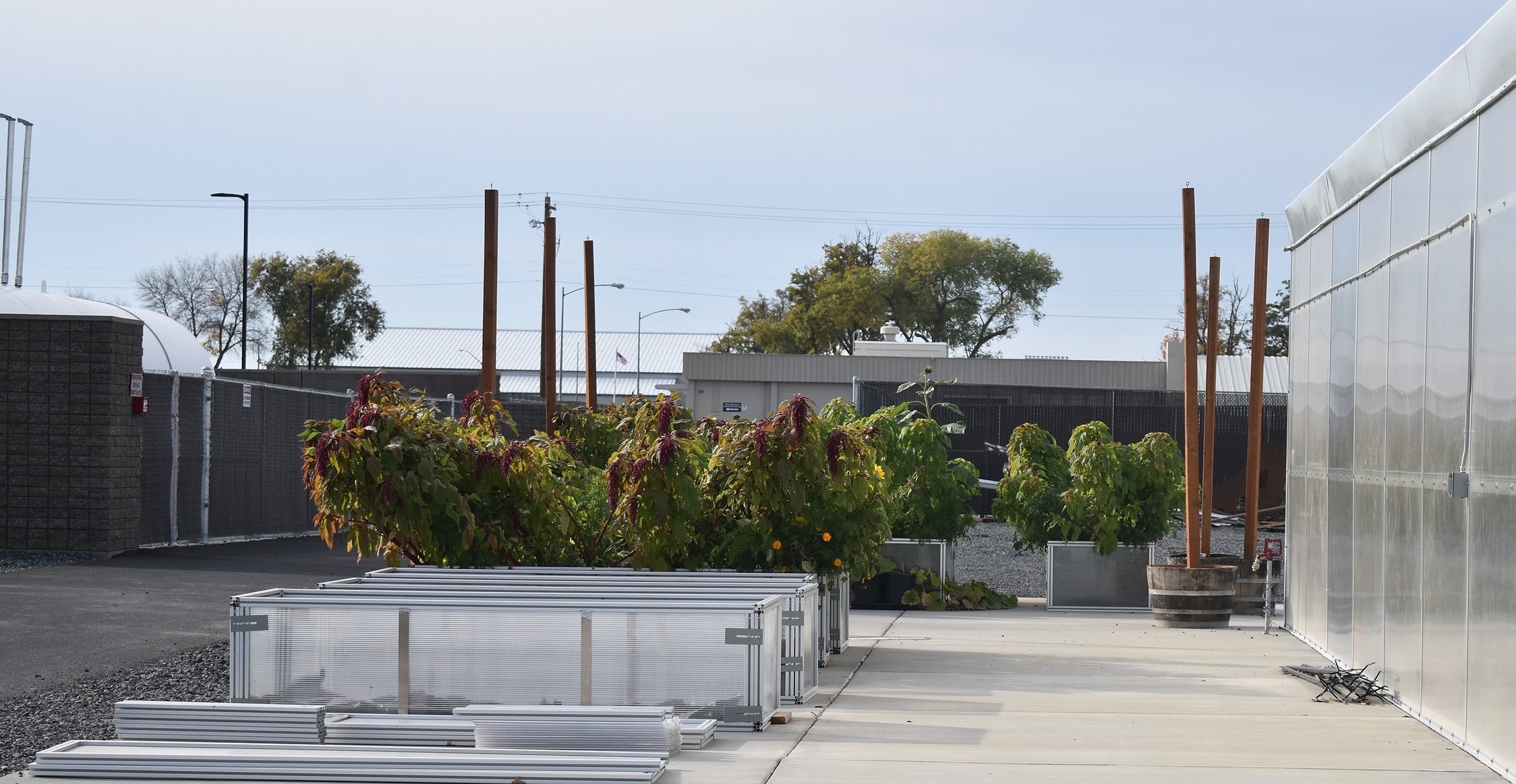 The raised beds outside the greenhouse are all made from recycled materials from around the college. Around 30 of these beds will be built and will be added on either side of the greenhouse.
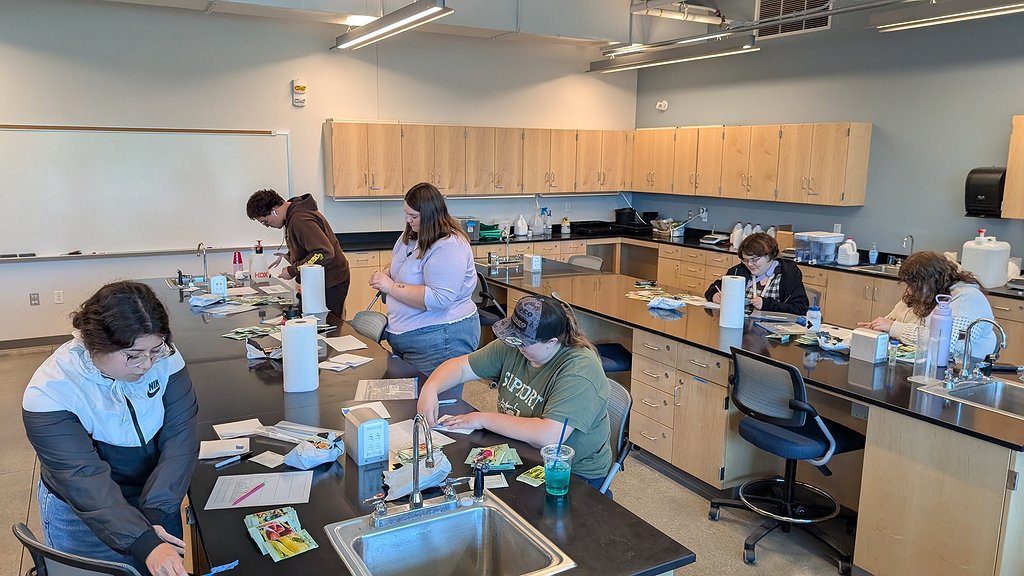 Students work with a variety of seeds during one of their classes this semester. BBCC Agriculture Professor Aaron Mahoney said the addition of the greenhouse allowed students to have greater success in the growth of crops this year.
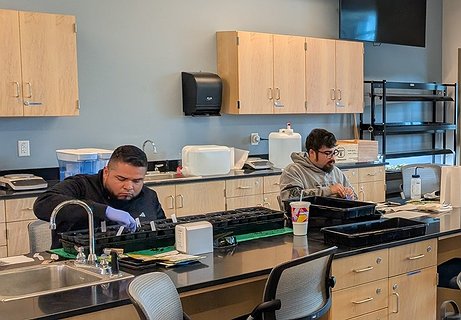 Two BBCC students place seeds into starting pots to grow in the greenhouse. Students grow a variety of the major commodities in the basin, such as corn, wheat, alfalfa, peas, beans, carrots, onions and sunflowers.
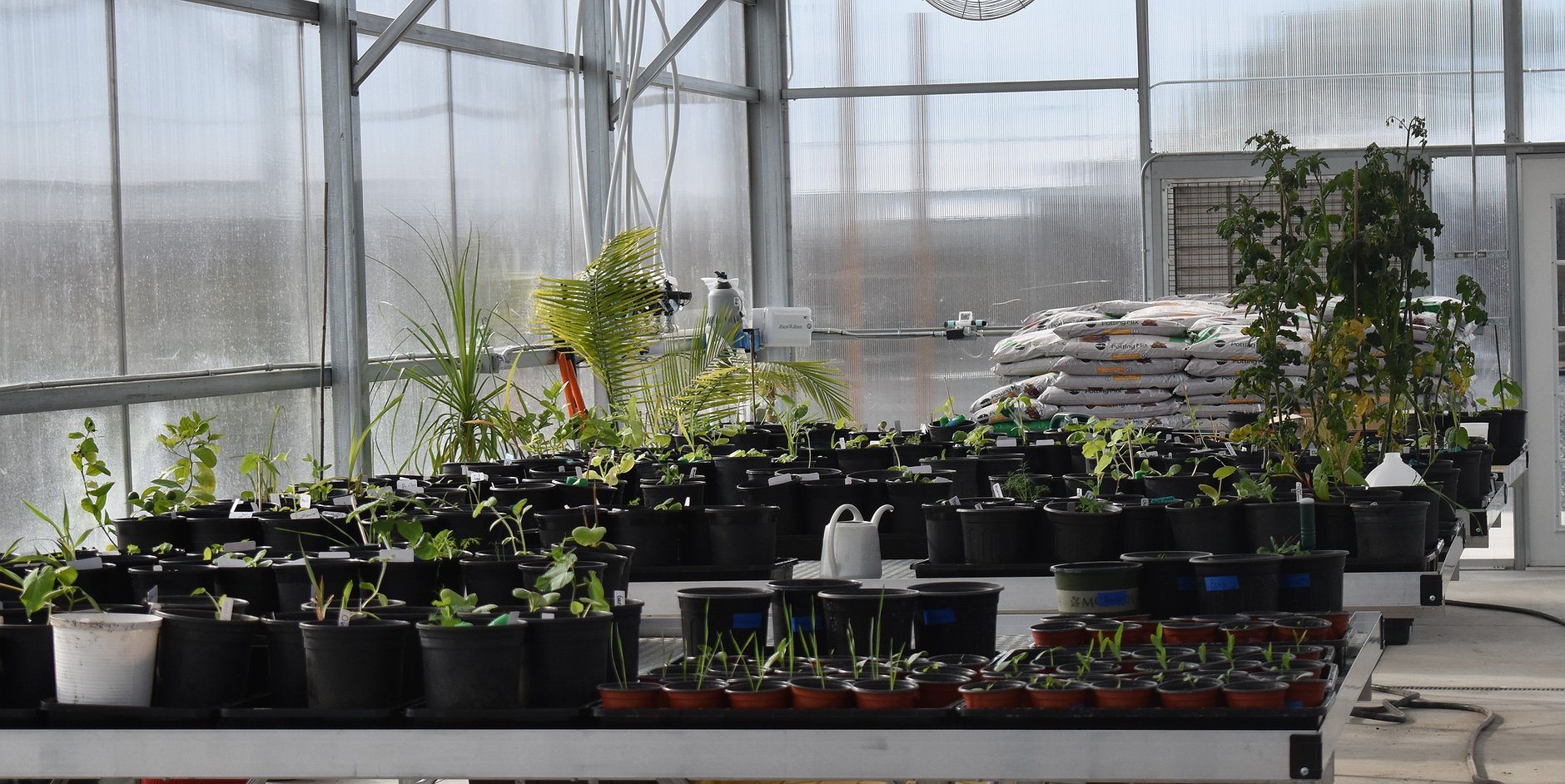 Pots of different crops being grown inside the greenhouse. These crops include varieties such as cauliflower, broccoli, spinach, lettuce, peppers, tomatoes and even wildflowers.
ARTICLES BY CALEB PEREZ

WA COLLEGE SPORTS SCHEDULE: Oct. 15-22, 2026
MOSES LAKE — The college sports world continues to be hot with competition deep in the month of October. See where your favorite teams are heading this week.

Tigers pull off OT victory over Huskies
OTHELLO — The Ephrata Tigers (4-7-2) earned a competitive 3-2 overtime victory on the road against the Othello Huskies (5-6) Tuesday evening. Both teams are now looking to close out the regular season on high notes. “Great game, we had a tough first half trying to match them, they’re so fast up top and they have some really great through balls,” said Tigers Head Coach Gary Keplec. “We had trouble matching that and then we mixed things up in the second half, brought girls in and put girls in different places. We went back out and we challenged them.” The first half was strongly in favor of the Huskies. Othello held control of the ball for much of the time, putting pressure on Tigers goalkeeper junior Aiyana Valle, who made multiple key stops.

Vikings earn road victory over Wenatchee Friday
WENATCHEE — The Big Bend Community College Vikings (5-8) gained a competitive road win over the Wenatchee Valley College Knights (3-17). Both teams were looking to come back from losses, and the Vikings got back in the win column 3-0. “It was very exciting,” said Vikings Head Coach Lindsey Linthicum. “Our girls just came in with a fire in their belly, ready to compete and ready to take on Wenatchee.” The first set showed BBCC’s strength as they had nine total kills. While Wenatchee Valley battled hard, the Vikings gained a 25-20 victory to start the match.