
Dangerous landing habits preceded Kalispell airport crash, experts say
JACK UNDERHILL | Hagadone News Network | UPDATED 5 months AGO
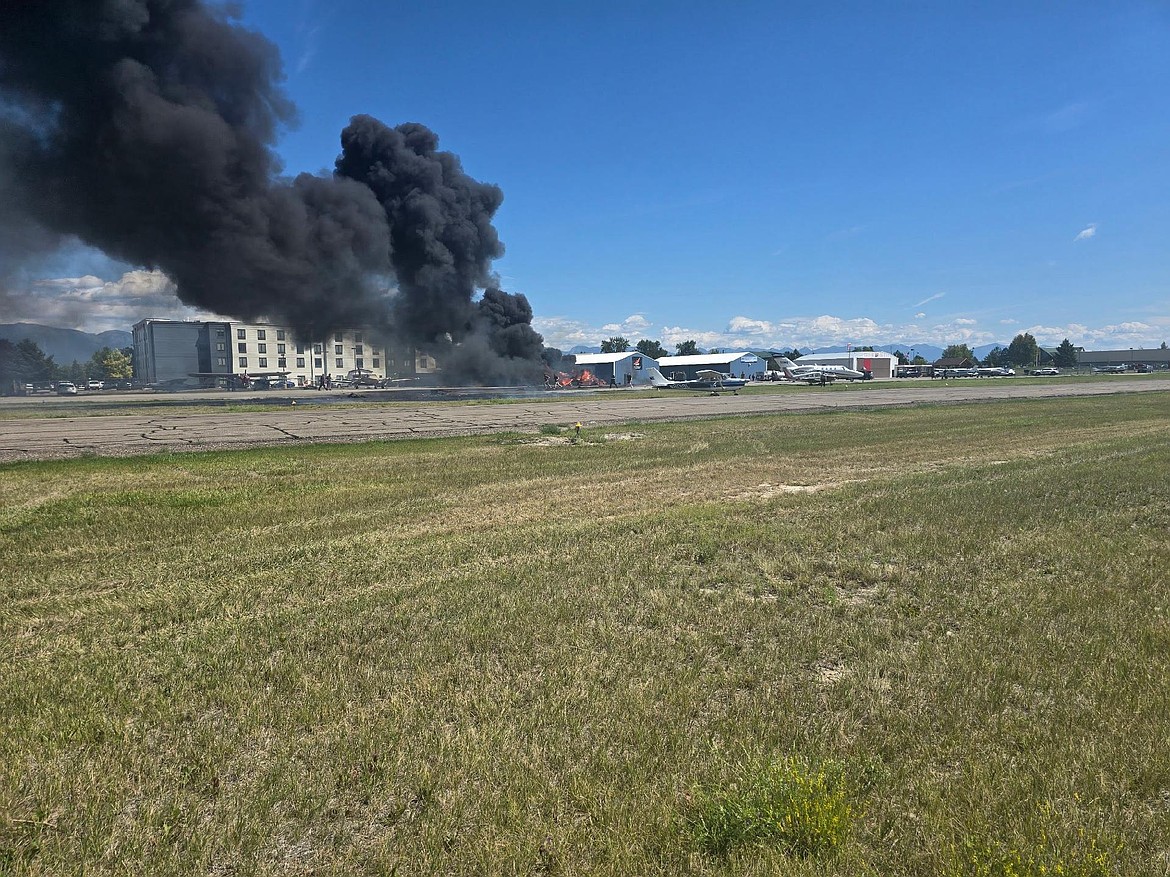
Smoke billows up from a fire following an aviation crash near the Kalispell City Airport on Monday, Aug. 11, 2025. (Photo courtesy the Flathead County Sheriff's Office)
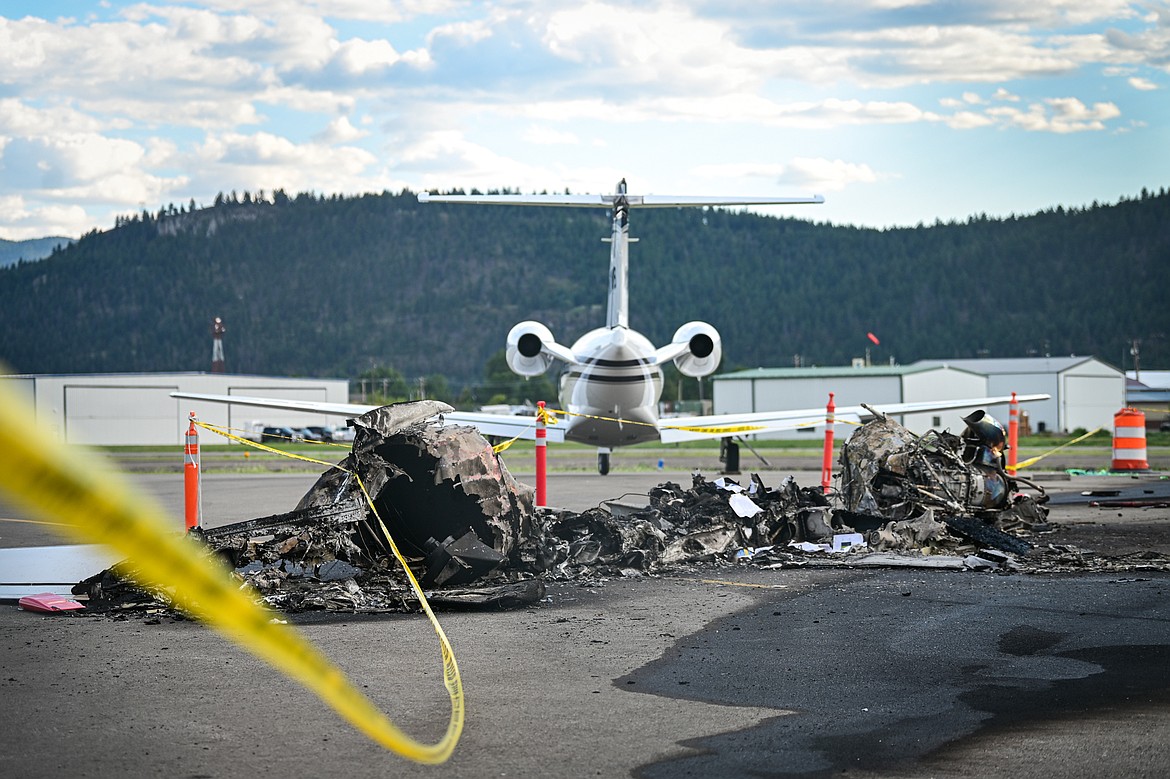
Wreckage from a collision involving two small airplanes is shown at Kalispell City Airport on Monday, Aug. 11. (Casey Kreider/Daily Inter Lake)
Casey Kreider
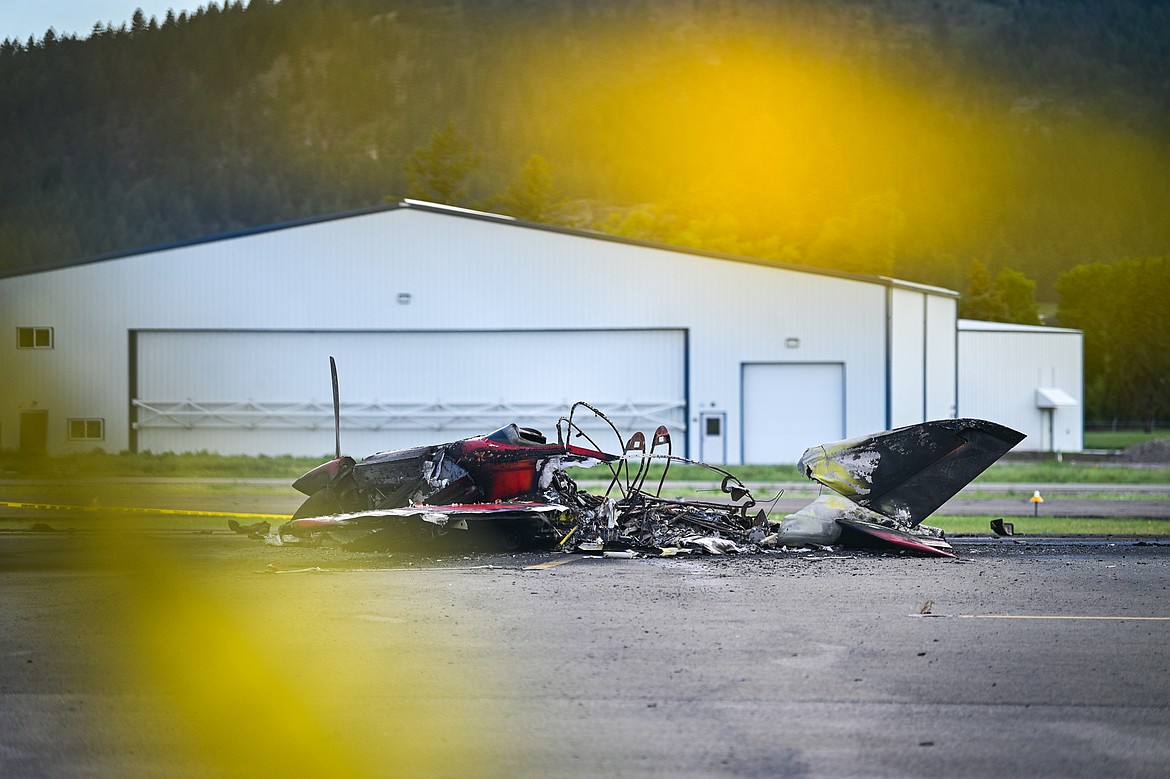
Wreckage from a collision involving two small airplanes is shown at Kalispell City Airport on Monday, Aug. 11. (Casey Kreider/Daily Inter Lake)
Casey Kreider
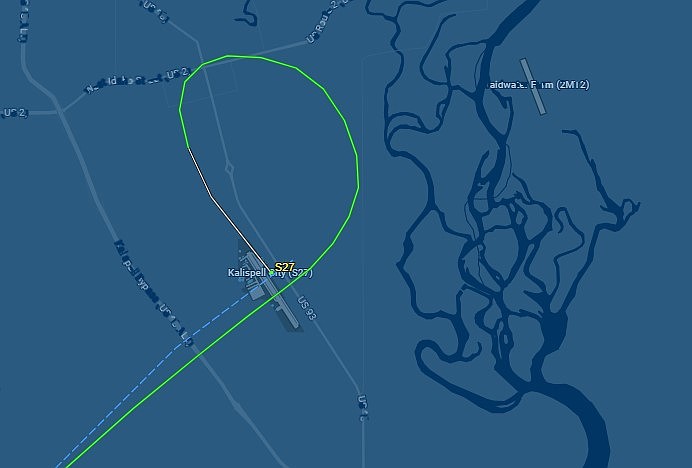
The path the Socata TBM 700 turboprop took as it attempted to land at Kalispell City Airport on Monday, Aug. 11, 2025. (Image via FlightAware)
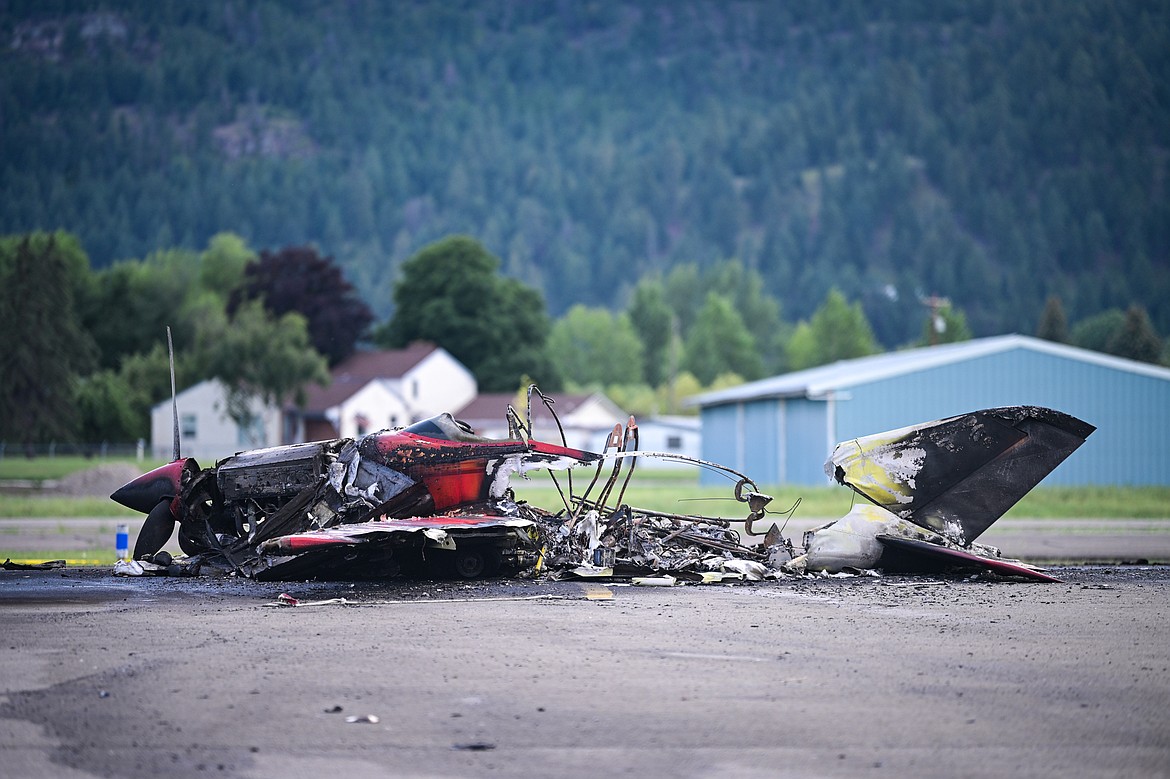
Wreckage from a collision involving two small airplanes is shown at Kalispell City Airport on Monday, Aug. 11. (Casey Kreider/Daily Inter Lake)
Casey Kreider
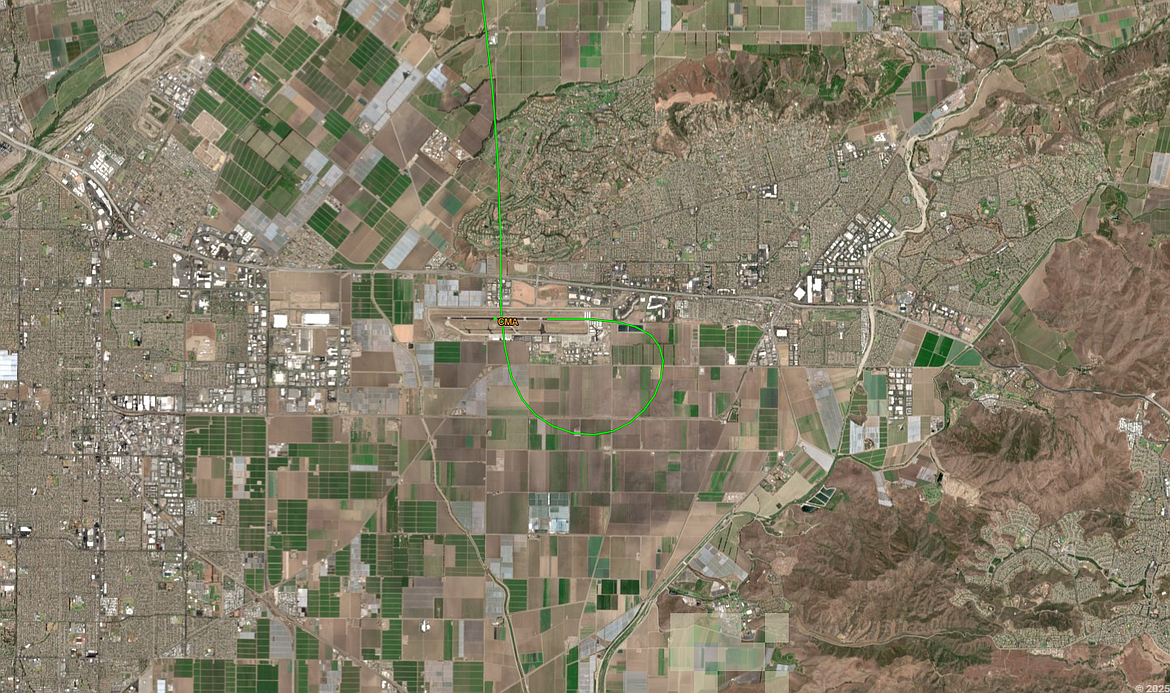
The path the Socata TBM 700 turboprop took as it landed at to land at Camarillo Airport in California on City Airport on Aug. 4, 2025.(Image via FlightAware)
KALISPELL GOVERNMENT, HOUSING AND TRANSPORTATION REPORTER Jack Underhill covers Kalispell city government, housing and transportation for the Daily Inter Lake. His reporting focuses on how local policy decisions affect residents and the rapidly growing Flathead Valley. Underhill has reported on housing challenges, infrastructure issues and regional service providers across Montana. His work also includes accountability reporting on complex community issues and public institutions. Originally from Massachusetts, Underhill graduated from the University of Massachusetts, Amherst with a degree in Journalism before joining the Inter Lake. In his free time, Underhill enjoys mountain biking around the valley, skiing up on Big Mountain or exploring Glacier National Park. IMPACT: Jack’s work helps residents understand how growth, housing and infrastructure decisions affect the future of their community. | October 26, 2025 12:00 AM
The small plane that crashed at the Kalispell City Airport in August had a history of making dangerous landing approaches, aviation experts say.
The Aug. 11 wreck sent black smoke up over South Kalispell and damaged several parked planes. The pilot, identified as Scott Campbell by airport officials, and the three other people aboard walked away from the crash largely unscathed. Two of the passengers suffered minor injuries, according to city officials.
The plane, a fixed-wing single-engine Socata TBM 700 turboprop, was registered to Pullman, Washington-based Meter Sky LLC, according to federal records.
Campbell was piloting the aircraft when it suffered engine trouble in the last moments of its final approach on the runway, according to the Federal Aviation Administration’s preliminary accident and incident notice.
But aviation experts say that pilot error caused the crash. They called the pilot’s landing approach dangerous and unstable, causing the airplane to stall and subsequently crash.
“That was just a guy that was flying in a way that no pilot should ever fly,” said John Paul Noyes, the general manager and director of operations for Red Eagle Aviation, which manages the city airport.
The Daily Inter Lake made multiple unsuccessful attempts to reach Campbell for comment, including through Meter Sky LLC.
PUBLICLY AVAILABLE data shows the plane flying perpendicularly over the municipal airport's runway from the southwest before making a sharp loop over downtown Kalispell to align with the runway.
“It’s just not stabilized. He’s coming in too tight, too fast,” said Juane Browne, a longtime general aviation pilot who has been flying for 50 years. Browne is widely known for his YouTube channel, “Bloncolirio,” where he provides in-depth analysis of aviation accidents, including the one in Kalispell.
Flight records show Campbell flying over the runway at 170 mph before rapidly dropping to what Browne described as “stalling speed” at 100 mph while making the turn.
The erratic changes in speed meant the plane flew too fast before flying too slow in a short amount of time, according to Browne.
“He’s coming in too hot,” Browne said. “And he’s not getting himself enough time to slow down.”
The pilot had to slow down so quickly because the tight turn did not provide enough space and time to achieve a steady landing speed, according to Noyes.
A fast plane like Campbell’s needs space for at least a three-mile final approach so it can properly prepare to land, and “he was well within that,” Noyes said.
Noyes argued that blaming the crash on engine trouble was inaccurate.
“I think the arrogance was very clear in both meeting that individual and trying to work with him through this process, his arrogance and his lack of consideration for people, his lack of responsibility of his act. He is a spoiled brat, bottom line,” Noyes said.
“It’s not necessary to maneuver an airplane like that,” said Robert Katz, a commercial pilot and flight instructor with more than four decades of experience.
“If there was an engine problem and he needed to get down in a hurry, you wouldn’t want to maneuver that way. You would want to turn directly to the runway and land,” he said.
The last tracked flight data shows the plane reached a descent of over 1,000 feet per minute while flying at 97 mph, which Browne said indicates that the plane stalled.
“Because of a lack of a stabilized approach, his airspeed was all over the place. He did not manage his airspeed correctly, and he simply got too slow and stalled it in,” Browne said.
THIS WAS not the first time the plane engaged in what experts describe as a reckless landing. Flight data shows similar approaches several times at other airports over the summer, according to flight data history.
Just days before the crash on Aug. 6, the plane made a fast, short left-based landing entry into Pullman-Moscow Regional Airport in Washington. He made a similar landing into the same airport on July 26.
On Aug. 4, the plane flew over the top of Camarillo Airport in Southern California at 190 miles per hour before making a sharp turn to land.
“This pilot exhibits a history of flying these hotdog un-stabilized approaches,” Browne said.
Hotdogging is slang term referring to flying recklessly or showing off, which Browne said has been an on-going issue in aviation for years, particularly with bigger single engine turboprop airplanes like the one that crashed.
“They need to be flown more professionally using these stabilized approach criteria, and the majority of these crashes are a result of unstabilized approaches,” he said.
Reporter Jack Underhill can be reached at 758-4407 and [email protected].
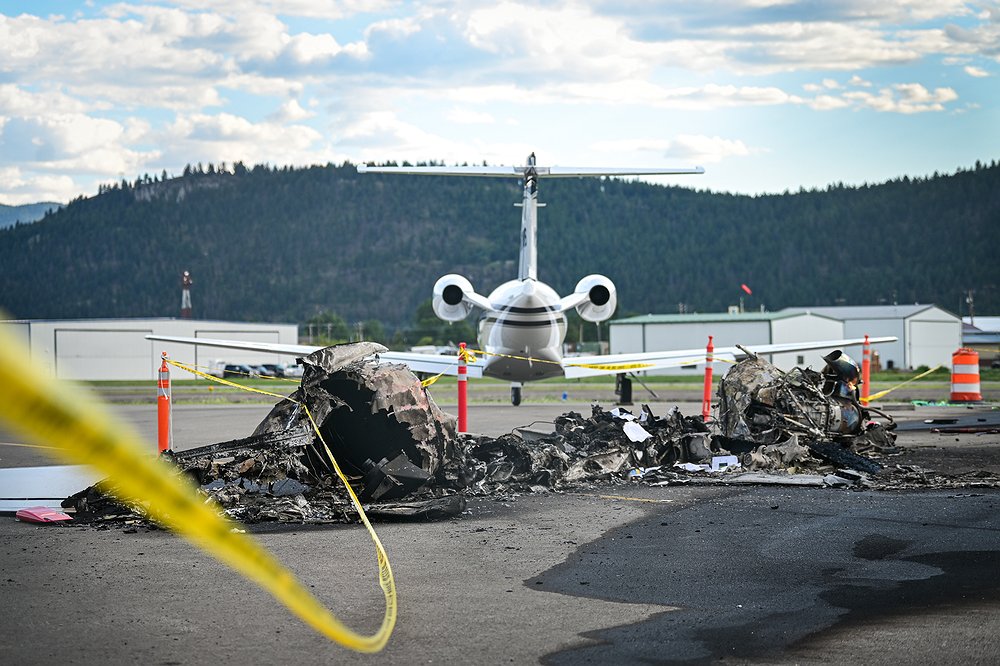 Wreckage from a collision involving two small airplanes is shown at Kalispell City Airport on Monday, Aug. 11. (Casey Kreider/Daily Inter Lake)
Casey Kreider
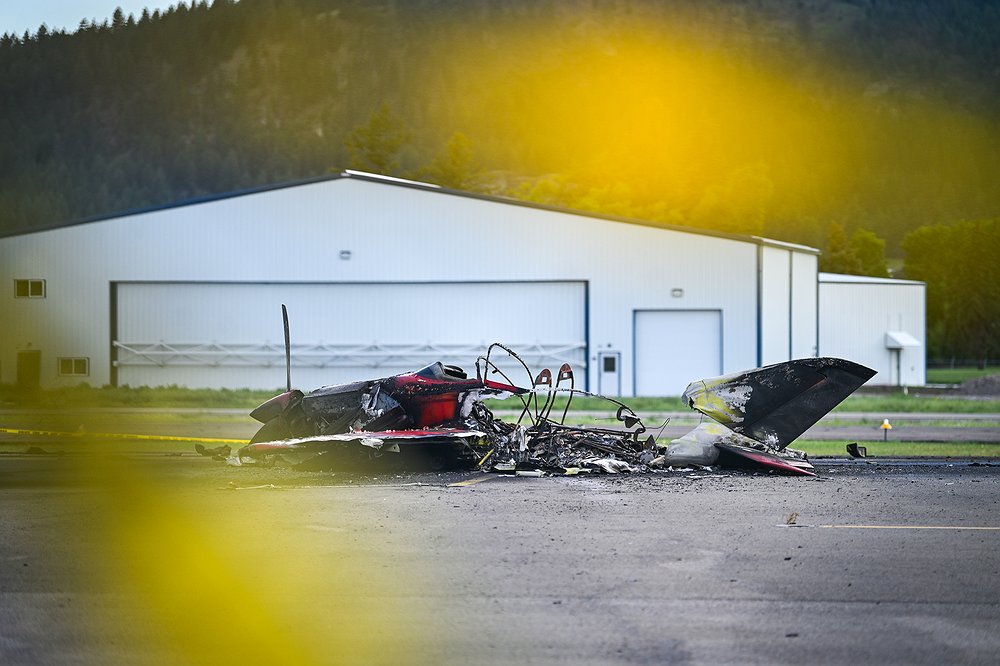 Wreckage from a collision involving two small airplanes is shown at Kalispell City Airport on Monday, Aug. 11. (Casey Kreider/Daily Inter Lake)
Casey Kreider
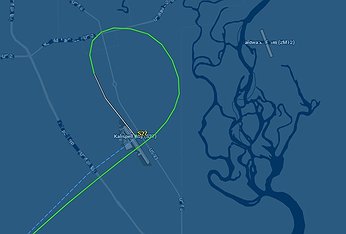 The path the Socata TBM 700 turboprop took as it attempted to land at Kalispell City Airport on Monday, Aug. 11, 2025. (Image via FlightAware)
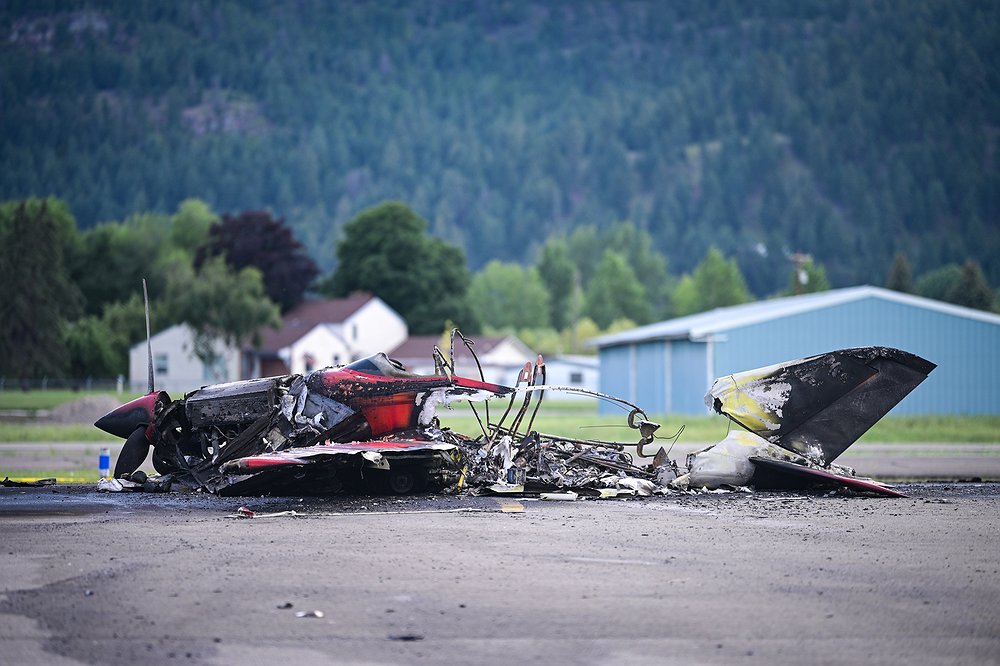 Wreckage from a collision involving two small airplanes is shown at Kalispell City Airport on Monday, Aug. 11. (Casey Kreider/Daily Inter Lake)
Casey Kreider
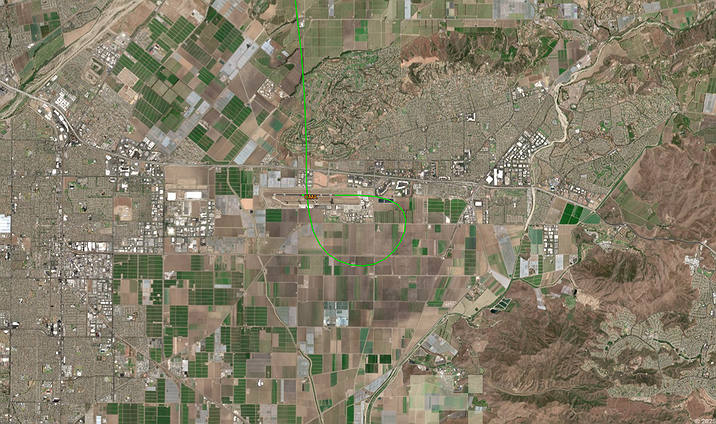 The path the Socata TBM 700 turboprop took as it landed at to land at Camarillo Airport in California on City Airport on Aug. 4, 2025.(Image via FlightAware)
ARTICLES BY JACK UNDERHILL
With Woodland Park pond’s skating future on thin ice, Council looks to recast its use
Skating on Woodland Park pond is becoming a memory of winters past.

Updated stormwater plan identifies system shortfalls in Kalispell
Public Works staff on Monday presented Kalispell City Council with new data they say will help upgrade the stormwater system to prevent flooding.

Kalispell City Council reviews updated stormwater plan
Kalispell City Council on Monday will review the city’s updated stormwater facility plan.