
Opioid-like substance kratom remains unregulated in Montana despite warnings
KATE HESTON | Hagadone News Network | UPDATED 4 months, 1 week AGO
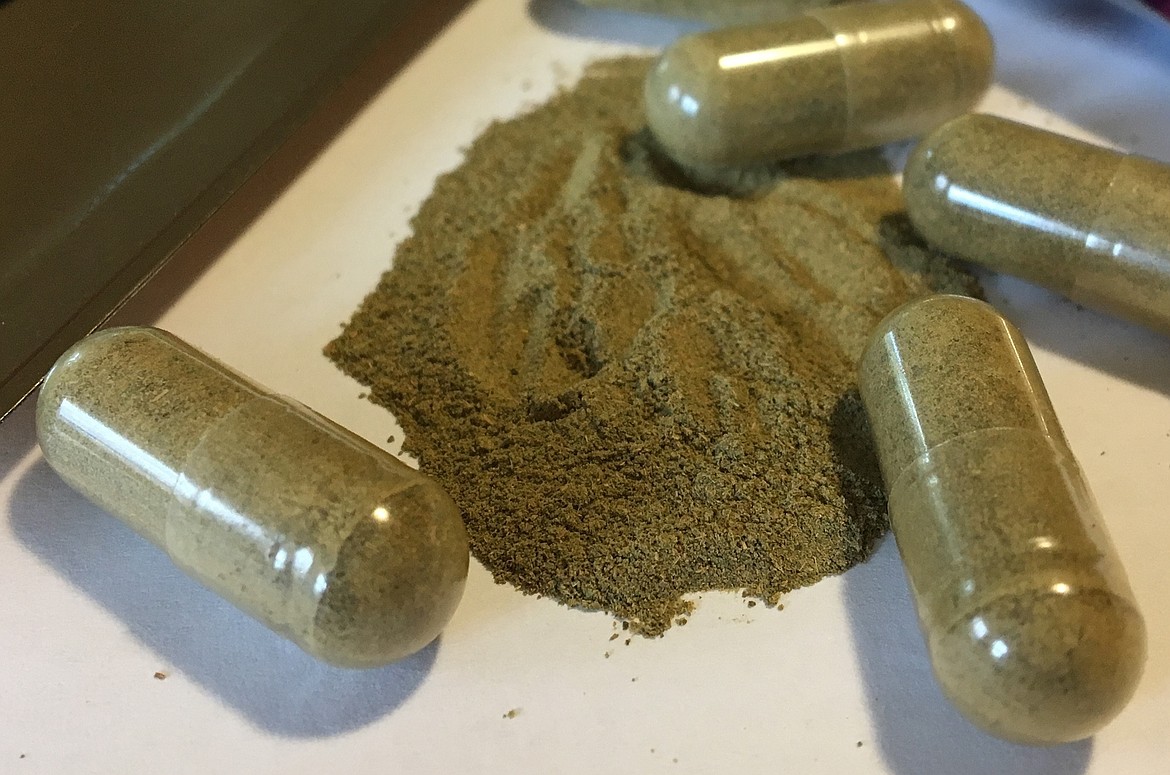
This file photo shows kratom capsules. (AP Photo/Mary Esch, File)
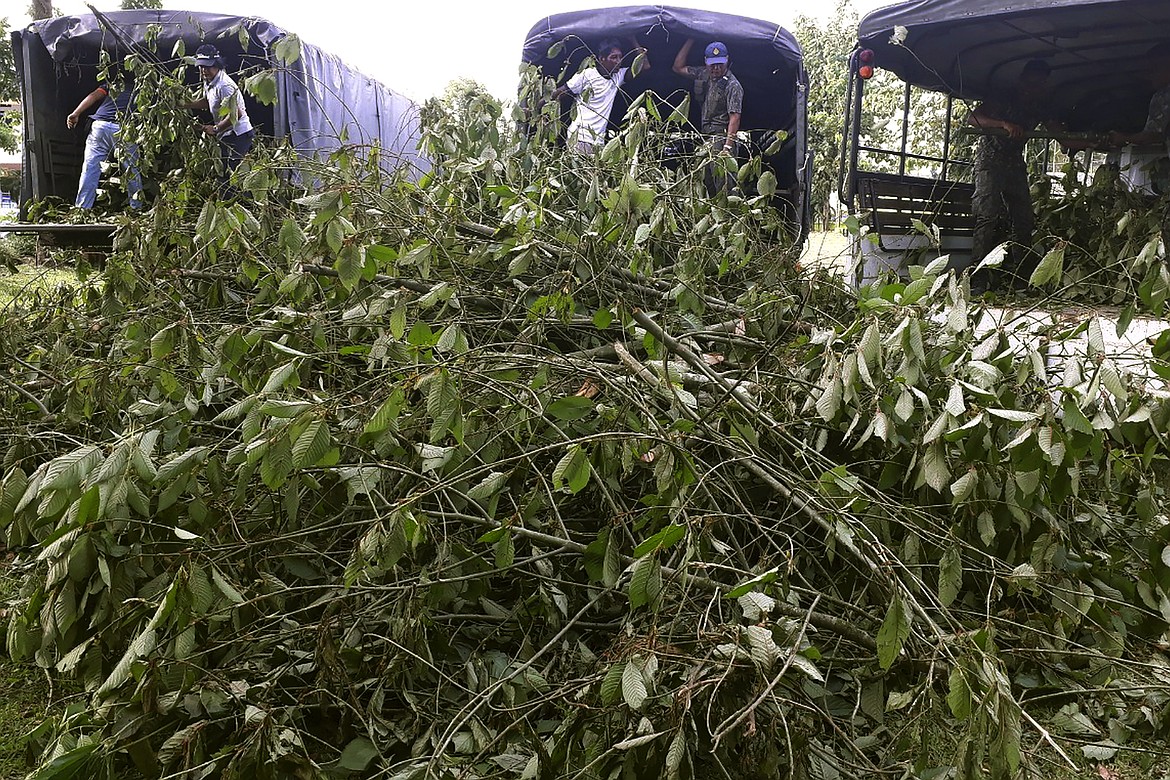
In this July 30, 2019, photo, officers gather illegally-grown kratom plants in Phang Nha province, Thailand. Thailand on Tuesday, Aug. 24, 2021, decriminalized the possession and sale of kratom, a plant native to Southeast Asia whose leaves are used as a mild stimulant and which has a following in the United States for its pain-relieving qualities. (AP Photo)
Kate Heston covers politics and natural resources for the Daily Inter Lake. She is a graduate of the University of Iowa's journalism program, previously worked as photo editor at the Daily Iowan and was a News21 fellow in Phoenix. She can be reached at [email protected] or 406-758-4459. | October 28, 2025 12:05 AM
Variations of kratom with alluring flavors — blue raspberry, rocket pop, mango — line the shelves of a Kalispell convenience store. From pills to powder to drinks to capsules, the products are displayed in a locked cabinet.
Despite recent efforts to regulate sales, anyone can purchase these products.
Kratom, which is usually marketed as a supplement, has become more common in recent years and is now found in many vape shops and convenience stores, and is available for purchase online. The herbal leaf of the Mitragyna speciosa tree native to Southeast Asia is used to treat pain and drug dependence but is considered dangerous due to its potential for abuse and adverse effects, according to the Food and Drug Administration.
To make kratom, the leaves are harvested, dried out and ground into a fine powder. Consumers can use the powder to make capsule pills, teas or drink mixes. Prices vary by strain, with the average cost per ounce of $6 to $12.
During Montana's 2025 legislative session, several lawmakers drafted bills to study and regulate kratom, but all attempts failed.
Rep. Curtis Schomer, R-Billings, sponsored House Joint Resolution 60, which would have formed an interim study on the effects and regulations of kratom. The bill passed a House vote but died in the Senate.
“This is bad stuff; it’s hurting people,” Schomer told the Inter Lake earlier this month.
In September, the Blackfeet Tribal Business Council banned the usage and sale of kratom on the Northwest Montana reservation, citing concerns over the potentially addictive product.
Federal health officials warned against the substance in July, specifically noting an opioid-like component in the leaf known as 7-hydroxymiragynine, or 7-OH. When the leaves are manipulated, the 7-OH content is amplified, generating greater potencies.
Some products aren’t labeled as kratom but rather are marketed as 7-hydroxymiragynine.
People can overdose on kratom, although it’s rare, according to the Mayo Clinic, which lists the product as “unsafe and ineffective.”
Usage has led to reports of death, although most deaths from kratom also involved other drugs or substances, according to the Mayo Clinic. Reported side effects include high blood pressure, confusion and seizures.
Still, use of kratom has increased nationwide in past decades.
More than 2 million people in the United States use kratom annually, according to Drug Enforcement Administration report from 2024.
THE ISSUE ISN’T pure kratom but rather the synthetic, unregulated market, contends Mac Haddow, a senior fellow on public policy for the American Kratom Association, a nonprofit dedicated to protecting the legal consumption of pure kratom.
Pure kratom has benefits, Haddow said. People will use it to alleviate chronic pain or as a harm reduction method for symptoms of opioid withdrawal.
When kratom was first introduced in the U.S., it was a pure product, Haddow said. But the substance has changed as it is manipulated to create different products like 7-OH.
“From that emerged a substantial adulterated market where kratom is not kratom,” Haddow said.
The American Kratom Association has lobbied for states to pass the Kratom Consumer Protection Act, which looks to establish safety guidelines and manufacturing practices for kratom vendors. As of October, 18 states have passed the legislation.
Montana state Rep. Nelly Nicol, R-Billings, brought the act forward this past session, but it was voted down by the House in May. The proposal would have barred kratom sales to people under 18 years old and prohibited marketing a product as kratom if it contains a higher potency of 7-OH.
Haddow told Montana lawmakers during the session that, at a minimum, they should pass the legislation to fill a regulatory gap on the federal level.
“This product should not be available to kids; this product should not be the wild west in terms of production,” Haddow said earlier this month.
“We think people should be very careful because right now the market is not regulated in Montana. We tried. We will continue to try.”
Opposing the American Kratom Association's stance, some health care providers and those who have experienced negative effects of the supplement argue that pure kratom is just as dangerous. Pure kratom can also lead to addiction, negative side effects and in some cases, death, the Mayo Clinic warns.
Wendy Chamberlain, who lives in New York, lost her son in August 2020 after he used kratom for over two years as an energy supplement, determining it was healthier than alternative energy drinks. He was found dead with Mitragyna toxicity with no other substances in his system.*
Chamberlain, in her grief, founded Kratom Danger Awareness, Inc., which has over 2,000 members, many of whom share a similar story.
“We want a federal ban,” Chamberlain said, stating that a powerful substance should be something only accessible as a prescription.
Chamberlain disagrees with efforts to pass the Kratom Consumer Protection Act, stating that it supports the kratom industry, not consumers. Slapping an age restriction and label on the product won’t do much, she said.
“It's just like the tobacco playbook all over again” she said, calling the act a loophole. “It gives kratom a false sense of safety while doing nothing to stop products.”
KALISPELL'S BIG Sky Treatment has a kratom addiction program. Whitney Harrah, a licensed addiction and mental health clinician at the outpatient rehab center, said she's seen kratom usage in a handful of patients, mainly combined with other substances. She advises staying away from the product entirely.
“The danger in using chemicals to regulate your mood and your mind is you never learn to be a human being,” Harrah said. “Part of the mindset that I’ve noticed is there is a belief here that if it’s legal, it’s good. You see that with alcohol, with pot, with kratom. It’s all just continued use of a chemical to assault and injure your brain.”
The issue with kratom, Harrah echoed, is that there is just not enough research or regulation to affirm its usage when not prescribed.
“I believe in people’s freedom,” Schomer, the Billings lawmaker, said. “But this is bad stuff being sold. It seems to have a lot of mixed reactions, but I care about it. I care about our children, and I think it’s important that the bad stuff gets stopped.”
Reporter Kate Heston may be reached at 758-4459 or [email protected].
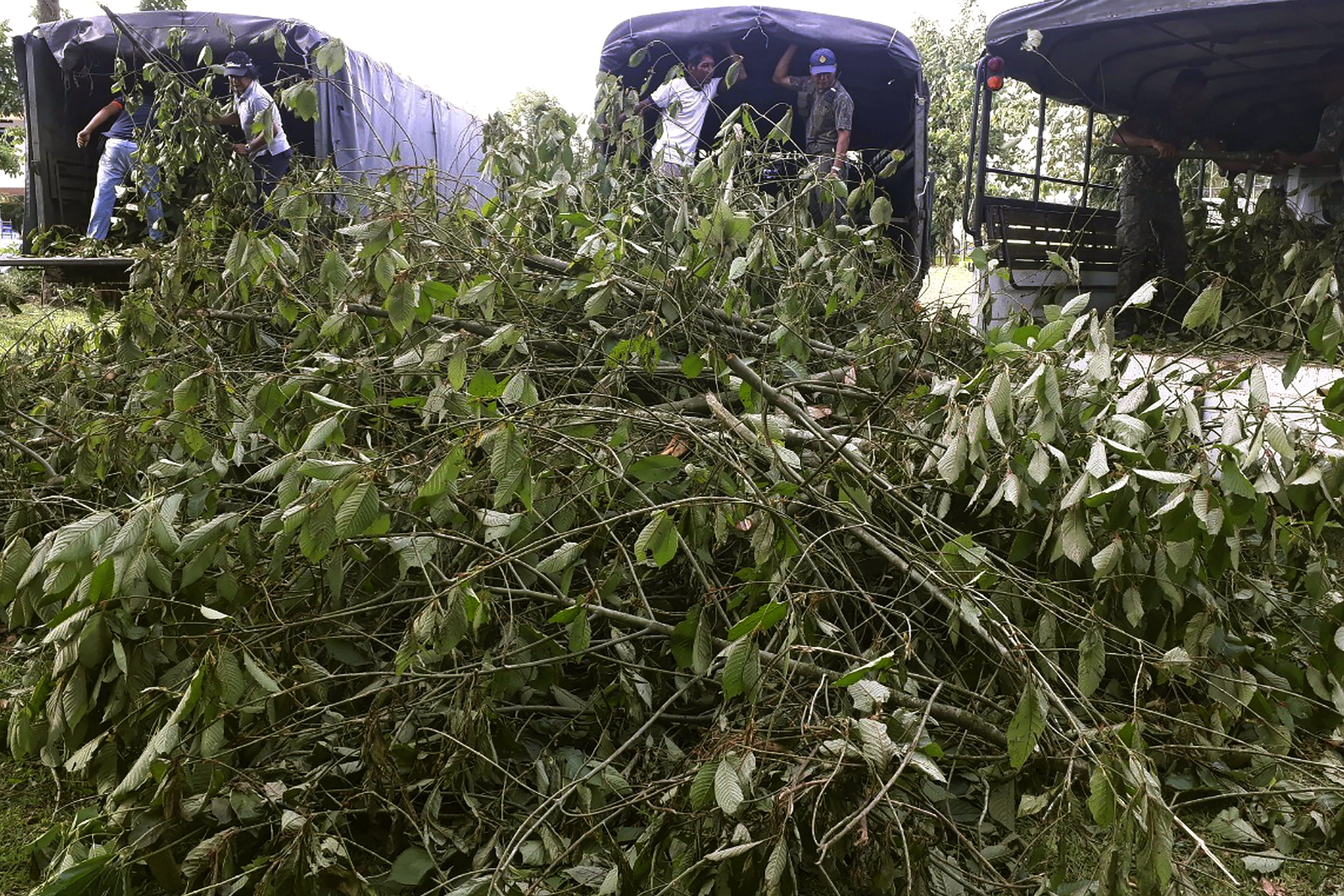 In this July 30, 2019, photo, officers gather illegally-grown kratom plants in Phang Nha province, Thailand. Thailand on Tuesday, Aug. 24, 2021, decriminalized the possession and sale of kratom, a plant native to Southeast Asia whose leaves are used as a mild stimulant and which has a following in the United States for its pain-relieving qualities. (AP Photo)
* This story was updated to clarify that Joesph Lumbrazo's cause of death was Mitragyna toxicity.
ARTICLES BY KATE HESTON

Veteran-owned mobile boat repair service anchors down in the Flathead Valley
The Kramers launched Flathead Mobile Marine to use their skills — they have decades of experience performing routine maintenance checks on a variety of boats as well as working with engines and electrical systems — and help boaters in the community.

Design with a purpose: Dire Design Haus awarded for sustainability
Dire Design Haus is reinventing the way apparel is designed.

With ski season near, resort reaches deal with staff
After 18 months of negotiations, Whitefish Mountain Resort executives and the resort’s ski patrol union are finalizing a one-year contract for the upcoming season.