
COLUMN: Experiencing dementia: my simulated journey to better understanding
NANCE BESTON | Hagadone News Network | UPDATED 8 months, 3 weeks AGO
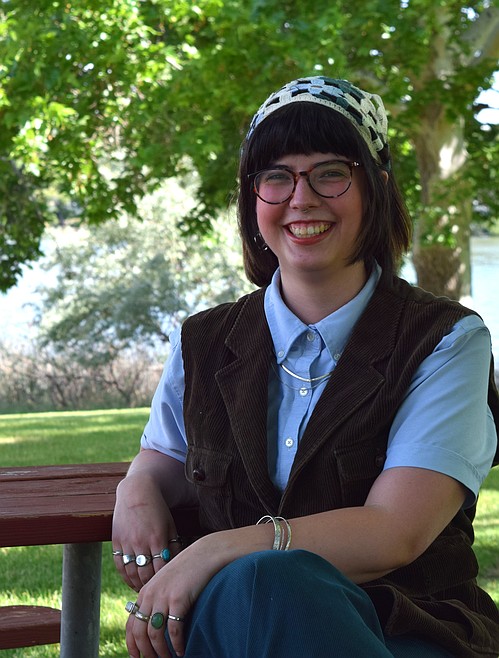
NANCE BESTON
Recently, I had the opportunity to participate in a unique and thought-provoking simulation designed to help participants experience the challenges faced by individuals living with dementia at the Monroe House in Moses Lake.
The event aimed to foster understanding and empathy towards those who navigate daily life while coping with the debilitating effects of dementia. The experience was enlightening, revealing just how easily one can forget the difficulties that others might encounter.
I was outfitted with a combination of tools that simulated various symptoms associated with dementia.
First, I donned shoe inserts that replicated neuropathy, causing discomfort and forcing me to constantly shift my weight from one foot to the other. While I was able to give each foot brief relief, I realized that such a luxury is not afforded to older adults, who may struggle with their balance and stability. This initial discomfort set the tone for the challenges ahead.
Next came the specialized glasses designed to represent vision loss. The foggy and obscured lenses blurred my surroundings, making it difficult to engage with others or comprehend visual cues. I found myself frustrated when I had to remove these glasses while conversing before the simulation, as I was unable to see the faces of those I was speaking with, heightening my feelings of isolation.
The gloves I wore were perhaps the most challenging of all. The thumbs were sewn to the first fingers, mimicking the loss of fine motor skills common in those suffering from dementia. Simple tasks that I had taken for granted became Herculean challenges. I struggled to hold items and manipulate them as my dexterity diminished—a true eye-opener to the immense difficulties those with hand mobility issues face daily.
Finally, the headphones I wore played a cacophony of loud static interjected with alarms and slamming doors, all while stifling surrounding sounds. The overwhelming noise made it difficult to concentrate, mirroring the sensory overload many individuals with dementia experience.
Guided into a designated room, I was presented with a series of tasks to complete within five minutes: find a white sweater and put it on, write a note to family and place it in an envelope, set the table, fold towels and fill a cup halfway before attempting to drink.
I was aware that the organizers were observing me to gauge my responses — whether I left the room, vocalized my difficulties or exhibited signs of agitation.
As I stepped inside the room, the instructions were lost in the chaotic backdrop created by my simulation tools.
I spotted a notepad and envelope first, grasping them without much thought. After fumbling with the pen and a first attempt to write my name with it closed. I unsuccessfully attempted to write my name — a near-impossible task with my limited dexterity and impaired vision. Even as I finally succeeded in figuring out if the pen was open and scribbling the letters “Nance,” the frustration was palpable.
Next, I turned to the pile of fabric on the bed, unsure of what I was supposed to do. Folding towels soon became an exhausting struggle. My hands barely slid along the edges of the fabric, and I could not tell if the corners lined up correctly.
The moment an alarm blared through my headphones sent shockwaves through me, intensifying the frustration I felt, as I questioned the very foundation of my cognitive processes.
Out of sheer need for self-guidance, I began speaking aloud to myself, trying to navigate the tasks in an unsteady haze.
Eventually, my five minutes were up, and I was left with the stark realization that I had only partially completed two tasks: writing my name and folding towels — tasks that, in their simplicity, exposed the profound challenges endured by those living with dementia.
Even with the simulation only representing a handful of the challenges people with dementia face, the inadequacy I felt during the simulation led me to reflect on my prior experiences while working at a dementia and Alzheimer’s care facility from 2018 to 2020.
Previously, I had witnessed family members accuse their loved ones of purposeful forgetfulness or of acting inappropriately as they struggled with basic tasks. I knew, even at 18 years old and prior to this simulation, the families' reactions were unfair to clients.
I worked with my clients almost daily, as it was my first full-time job. I saw them at their best — days where they could recall their youth, silly memories, the farms they grew up on, loved ones and even play music on the piano for staff and other patients. I also saw them on their hardest days — unsure where they were, what was happening and even sometimes not knowing who they were.
I knew the daily battle they were going through wasn’t easy. I saw it. What I didn’t realize is to what extreme each and every single one of my clients was going through. I believe this training, or something similar, should be offered to all caregivers. I also think it should be offered to family members of those struggling with dementia.
I wish my facility had offered it.
Maybe if it had been offered, I wouldn’t have gotten so frustrated with a client who asked me to put her socks on 10 different times because “they felt wrong.” Maybe I would have realized that a resident being combative wasn’t personal but instead a result of the various daily struggles and overstimulating challenges they were wrestling with. Maybe I would be able to see the world, even just for five minutes, from their perspective, which would have allowed me to provide better care.
With this fresh perspective from my simulated experience, I recognize the urgency of cultivating patience and understanding. It is essential to embrace compassion for those facing cognitive decline.
Living with dementia is an uphill battle, fraught with daily frustrations and challenges that many people may never fully comprehend. My brief simulation was an eye-opening reminder that we often take our physical abilities and cognitive clarity for granted.
As we navigate our daily lives, we must remember that everyone is fighting their own unseen battles. The experience highlighted not just the importance of patience, but also the necessity of empathy, particularly towards those grappling with dementia.
After all, we never know what struggles others are experiencing behind their calm exteriors.
ARTICLES BY NANCE BESTON
Grant County Sheriff candidates discuss transparency, trust
EPHRATA — As Grant County voters prepare to submit their primary ballots, three candidates are vying for the position as Grant County Sheriff including incumbent Joey Kriete and challengers Josh Sainsbury and Darrick Gregg are competing in the upcoming primary election. To help readers compare the candidates' priorities, qualifications and plans for the office, each was asked the same question and given an equal opportunity to respond.
Grant County Commissioner candidates deliberate fiscal responsibility, budgeting
EPHRATA — Four Republicans are seeking election to Grant County Commissioner Position 3 in the upcoming primary: Shannon Durfee, Kelly Raap, Seth Weeks and Janice Flynn. To give voters a clear comparison of the candidates' positions and priorities, each was asked the same set of questions and provided the same deadline to respond. Durfee, Raap and Flynn submitted responses by the deadline; Weeks did not respond.

Sheriff candidates discuss staffing, retention
EPHRATA — As Grant County voters prepare to select their next sheriff, incumbent Joey Kriete and challengers Josh Sainsbury and Darrick Gregg are competing in the upcoming primary election. To help readers compare the candidates' priorities, qualifications and plans for the office, each was asked the same question and given an equal opportunity to respond. This installment focuses on one of the most pressing challenges facing law enforcement agencies: recruiting, retaining and supporting qualified staff within the Grant County Sheriff's Office.