
Impact fees implementation delayed to Jan. 1, council decides
JACK FREEMAN | Hagadone News Network | UPDATED 7 months AGO
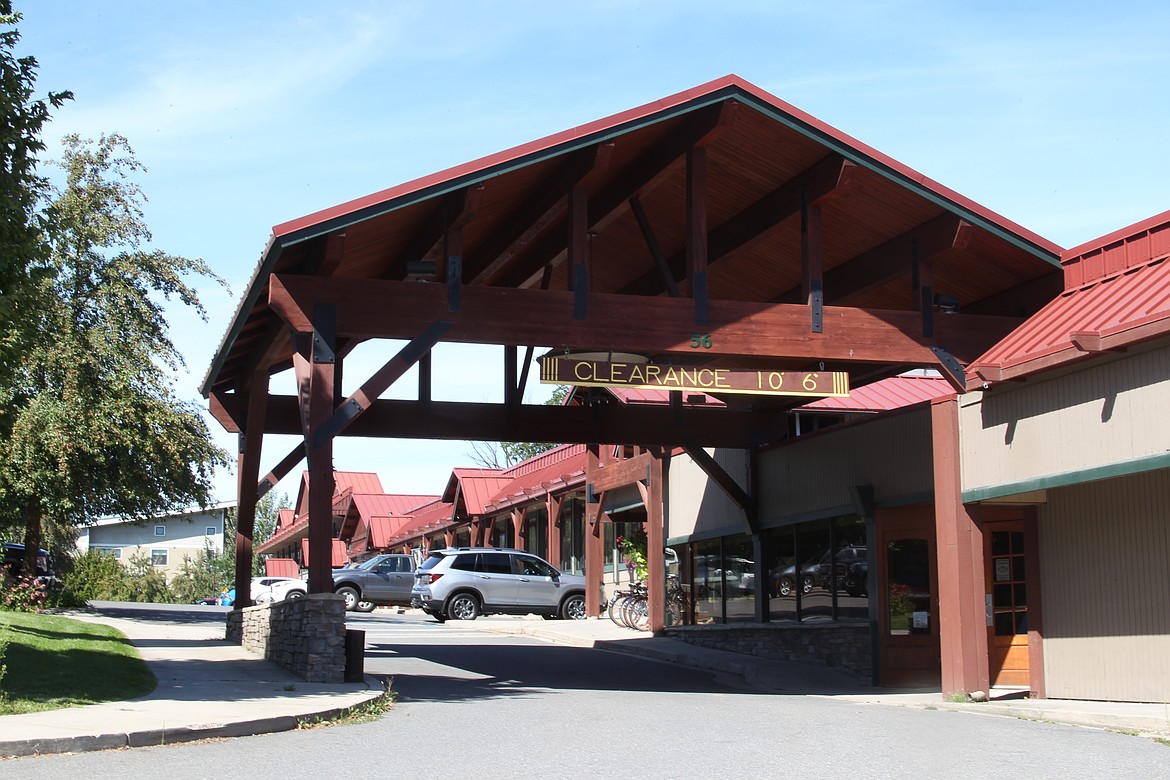
Front of the current Best Western Edgewater hotel.
Photo by JACK FREEMAN
SANDPOINT — City councilors voted to delay the implementation of the city’s new development impact fees to Jan. 1, 2026.
The decision on amending the ordinance to change the date was split 4-2 with councilors Rick Howarth and Justin Dick dissenting. The vote came after a split public hearing, which saw several Sandpoint residents urge the council to implement the fees as soon as possible.
"If this new fee schedule is what the city assesses will be needed to build for the future, then why would we give a break on a project that carries so much impact?” Sandpoint resident Jace Bordenave said.
The Jan. 1 date was selected after Council President Deb Ruehle asked Community Planning and Development Director Jason Welker if the city staff needed more time to properly implement the fee changes. Welker said that the staff person typically responsible for adding those changes into the system is on maternity leave for the next 11 weeks, leaving the city short staffed.
"If we agree tonight to extend it, to any time we desire, that would benefit anybody paying impact fees,” Councilor Joel Aispuro said. “It seems like the idea is that this council, the mayor or staff focused on a particular project and nothing else, but that’s not my understanding.”
During the public hearing, the council was asked by Ben McGrann, a representative of Averill Hospitality, to delay the impact fees to August 2026. McGrann said that Averill Hospitality will continue to pursue the current plan, in hopes of working under in the current fees.
In order to pay the current fees, Averill Hospitality needs its building permit application to pass the preliminary review phase, ensuring that it has a complete building permit before Jan. 1. Once a complete building permit is turned in, the impact fees lock in place, but Welker said further review of permits will continue after that.
McGrann has said previously that the fee increase would total around $1 million and make the current project unviable. If Averill Hospitality cannot get a complete building permit turned in before Jan. 1 McGrann told the Daily Bee that the project will shift to renovations on the current Best Western Edgewater property.
"It's going to be a challenge for us to get there, but we are going to do our best," McGrann said. "If we can't the project will likely fold and go under due to the financing and capital requirements, we would look at a different type of project, probably a renovation."
The dissent from Howarth and Dick stemmed from the significant increases posed by the new fee schedule. The update to the impact fees is the first for Sandpoint since 2011 and will almost double many of the fees from the current amount.
Dick said that the city needs development, especially more affordable housing, to ensure that locals are not forced out of the area. Throughout the process of discussing the fees, Dick has voiced his support for a phased approach to the increases.
"We need to be looking at better development. How can we phase this to get better housing, get better design,” Dick said. “I think it’s too much, too quickly right now and I think it has the ability to bring drastic problems and a very slippery slope we may incur in the next 20 years.”
Welker said that the increase in impact fees for a single-family home, which makes up most of the current development in the city, is only around $4,000, unlike the $1 million jump that Averill Hospitality is facing for its current hotel plan.
Ruehle emphasized that the city’s infrastructure needs renovations and that the burden should not fall solely on taxpayers. Councilor Kyle Schrieber agreed, saying that waiting to implement the fees won’t fix the burden left on the residents of the city.
Dave Eacret, a long-time Sandpoint resident and real estate consultant, spoke out during the public hearing in favor of delaying the fees to accommodate Averill Hospitality. He said that the city would be trading a short-term boost of the fees, over the long-term benefits of the hotel’s occupancy tax and the tourism it would bring.
"If we’ve got a project of this magnitude and we look at the opportunity cost of it not occurring, think what that does to this community,” Eacret said. “How often do you see a $100 million-dollar private sector project that will change the complexion of the waterfront and community?”
Sandpoint city staff estimates the fees will generate $7.4 million for the Parks and Recreation Department, $1.4 million for expanding non-motorized pathways, $5 million for roadway improvements, $551,000 for expansion of the police station and $908,000 for expansion of the fire station.
McGrann said that the hotel was expected to bring in between $12-17 million in occupancy tax fees and $80-100 million per year in guest spending to the city. He said that the new impact fee amount is near double compared to the amount in neighboring cities like Coeur d'Alene and Post Falls.
No matter the fate of the current hotel plan, McGrann said that Averill Hospitality plans to continue operating the Edgewater moving forward.
ARTICLES BY JACK FREEMAN

Outgoing POP executive director wins statewide award
That effort combined with the construction of nearly 20 miles of new trail and a new trail management plan has earned her the 2026 Professional Award for Parks, Trails, or Conservation from the Idaho Recreation and Parks Association.

APRIL NIBJ: Nonprofits help people follow their life’s compass
Kanning’s story isn’t unique, ask any worker at one of the 500 nonprofits in Bonner County are you’ll likely hear the same reason for working: it feels right.

Ponderay to begin Black Rock clean-up project
With the approval of a memorandum of agreement with Sandpoint on Wednesday evening, the city of Ponderay is now able to begin its Black Rock clean-up project next week.