
Remote patient monitoring shows potential for rural health care
Daily Inter-Lake | UPDATED 6 months AGO
Rural Montana has long wrestled with barriers to healthcare: long drives to the nearest hospital, provider shortages, limited specialty care, and clinic closures that leave entire counties underserved. For Medicaid-enrolled households — the very populations most in need — these challenges create a cycle of delayed treatment, avoidable emergency visits, higher costs, and worsening health outcomes. The result is not just individual hardship, but broader economic strain and instability for rural communities.
Remote patient monitoring (RPM) offers a practical and transformative solution. By allowing patients to track vital signs from home and share them directly with care teams, RPM reduces unnecessary hospitalizations, supports chronic disease management, and ensures continuity of care where geography too often gets in the way. For Montana’s rural Medicaid population, this isn’t simply a technological upgrade — it’s a lifeline to access that might otherwise remain out of reach.
As an assistant clinical professor of management and entrepreneurship at the University of Montana College of Business, and cofounder of PatientOne, a software company that enables health care providers to optimize resources, reduce costs, and improve patient outcomes, I’ve teamed up with the UM L.S. Skaggs Institute for Health Innovation (SIHI) to conduct a grant-funded research study on RPM in rural Montana. Our goal is to test how RPM can strengthen health access while also fueling local economies.
The potential benefits extend well beyond improved patient care. By bringing RPM into rural communities, we can create high-quality jobs for registered nurses, pharmacists, and care coordinators who can deliver services virtually without leaving their hometowns. Licensed nurses, for example, can serve as “VirtualNurses,” monitoring patients remotely while staying in their communities. Pharmacists, too, can take on expanded roles in chronic disease management and medication oversight, offering critical support to rural patients and providers.
At the same time, RPM adoption drives demand for technology-oriented roles — device setup specialists, onboarding staff, software support technicians, and care coordination assistants. These jobs, anchored in rural Montana, open new career pathways and strengthen the region’s workforce. Moreover, the expansion of RPM encourages digital inclusion by boosting broadband demand and digital literacy, creating ripple effects in community development.
Most importantly, RPM strengthens community resilience. By shifting routine monitoring to virtual platforms, RPM relieves pressure on overstretched rural clinics and hospitals, freeing up in-person capacity for urgent needs. Families gain peace of mind through earlier interventions and better disease management, while communities build stronger networks among local providers, pharmacies, home care agencies, and health departments. With Medicaid reimbursement pathways in place, digital care models like RPM can become sustainable, long-term solutions rather than short-lived pilot projects.
While our study is still in the data collection phase, our goals are clear: to understand RPM readiness among Medicaid beneficiaries in underserved areas; to identify access barriers like connectivity gaps, technology challenges, and health literacy issues; to pinpoint the chronic and acute conditions most relevant to rural Montana; to build lasting partnerships with local clinics, pharmacists, and home care agencies; and ultimately, to create a roadmap for sustainable RPM delivery and reimbursement.
Montana’s rural communities deserve healthcare that is timely, affordable, and reliable. RPM can deliver that — and in doing so, transform not only individual health outcomes but the economic future of our state.
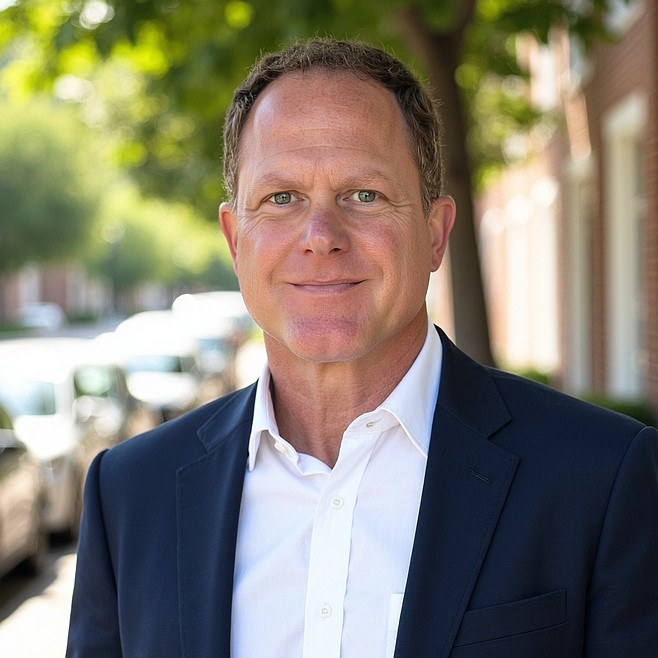
Erik Guzik is the assistant clinical professor of Management and Entrepreneurship at the University of Montana College of Business.