
City wastewater treatment plant violated permit 6 times in 2024, ICL says
JACK FREEMAN | Hagadone News Network | UPDATED 6 months, 4 weeks AGO
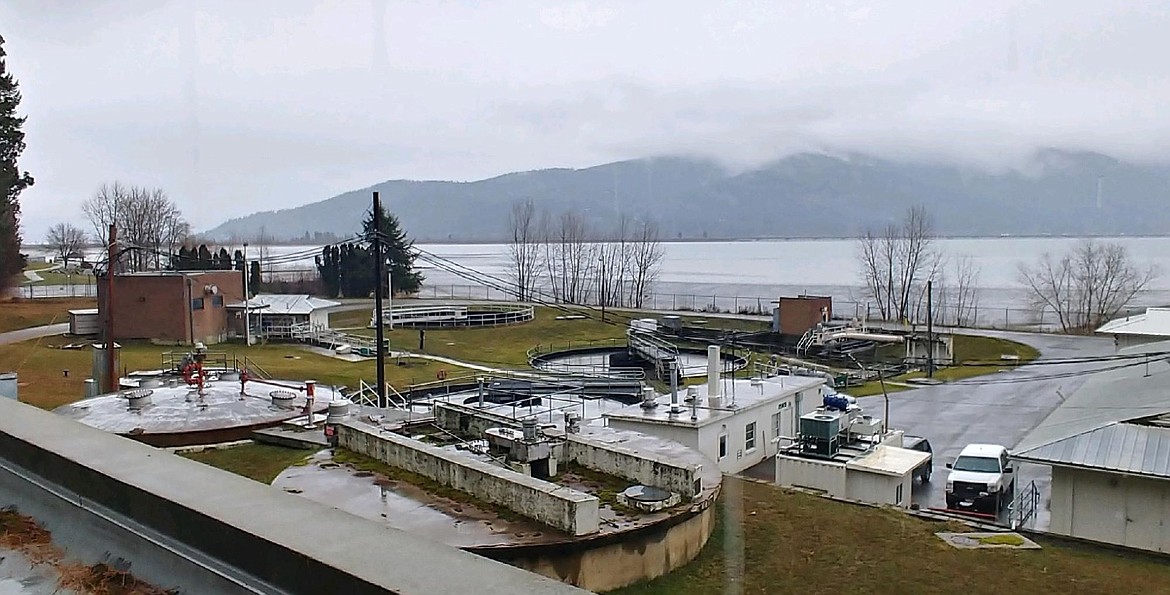
Sandpoint's wastewater treatment plant.
(Courtesy photo city website)
SANDPOINT — The city’s wastewater treatment plant committed six discharge violations in 2024, according to an annual report by the Idaho Conservation League.
The plant performed slightly worse than last year, violating its national pollution discharge elimination system permit one more time than in 2023. Despite the number of violations slightly rising, ICL’s Central Idaho Director Josh Johnson said that the plant succeeded at maintaining zero pounds of pollutant load over the plant’s limit.
“We wouldn’t expect those violations to have had a noticeable impact on the local water quality,” Johnson said. “In that case it’s just making sure that these facilities are following the permits and the law to make sure we don’t have a bigger issue down the road."
The load over limit is calculated by the average content of a pollutant in the water, while violations are based off one single measurement. So even though the plant was found to have violations, on average it's in compliance with its permitted amounts, Johnson explained.
Of the six violations, two of the worst came early in the year, when a breezeway pump failed, releasing 300-600 gallons of partially treated waste into the parking lot, Pend Oreille River and chlorine contact chamber. The failure was deemed an upset event and triggered an audit from the Idaho Department of Environment Quality.
"When that pump failed, I cannot speak highly enough of our operators, because we have a really outdated SCADA system,” Ellis said. “There wasn’t actually an alert that went to our phones or computers... they responded really quickly. It could have been a much worse event if our crews had not seen it.”
The audit found several parts of the plant were out of compliance with the city’s NPDES permit, which governs the plant. After an investigation, the cause of the pump failure could not be determined, but Sandpoint’s Director of Public Works Holly Ellis said that the city has taken several steps to get the facility back into compliance with the permit.
"The bulk of our more serious violations were related to infrastructure,” Ellis said. “We are patching old concrete in our clarifiers, a contractor who is fixing electrical issues, a contractor remediating mold, [our crews] are out there themselves troubleshooting things themselves, working hard every day to keep this plant operating.”
The city agreed to a settlement with the federal Enviornmental Protection Agency and paid $3,450 fine for the violations found in DEQ’s audit in July 2024.
The other violations from last year were violations of the biological oxygen demand requirements. The BOD is a measure the level of oxygen microorganisms need to remove waste from water.
At three different times last year, the plant’s percent removal fell below the amount required by permit by 2%, 5% and 3%. At the end of last year, the weekly average concentration of oxygen consumed by microorganisms exceeded the permitted limit by 2%.
Sandpoint’s plant is far from the worst preforming plant in the state, falling in the lower half of the plants which had violations. According to the report, 12 facilities accounted for two-thirds of the 474 violations in Idaho with the Preston and Driggs plants accounting for close to a fourth of all violations.
The Sandpoint wastewater treatment plant has been a focus for the city in 2025, with a $130 million bond initiative to fund a full modernization of the facility appearing on the Nov. 4 ballot. Ellis said that there are critical parts of the current facility that are over 60 years old and far past their usable life span.
"Without replacing this plant, we won’t be able to treat wastewater before it enters the Pend Oreille River, it’s really critical infrastructure,” Ellis said. “All of the equipment and the actual infrastructure, the concrete, the buildings, so much of it is beyond its useful life.”
That hasn’t stopped city staff from doing all they can to keep the plant running in compliance with the Clean Water Act, Ellis said. She applauded Devin Hall, the plant’s manager, and his team for keeping the plant running.
Johnson said that the violations remain a danger to the public’s health and that the ICL looks forward to working with smaller cities like Sandpoint to ensure an end to WWTP violations.
“These facilities are very expensive and it’s expensive to treat wastewater properly,” Johnson said. “Our first approach is to work very collaboratively with those facilities and figure out what issues they are facing and see if we can get state money or other resources headed their way.”
ARTICLES BY JACK FREEMAN

Outgoing POP executive director wins statewide award
That effort combined with the construction of nearly 20 miles of new trail and a new trail management plan has earned her the 2026 Professional Award for Parks, Trails, or Conservation from the Idaho Recreation and Parks Association.

APRIL NIBJ: Nonprofits help people follow their life’s compass
Kanning’s story isn’t unique, ask any worker at one of the 500 nonprofits in Bonner County are you’ll likely hear the same reason for working: it feels right.

Ponderay to begin Black Rock clean-up project
With the approval of a memorandum of agreement with Sandpoint on Wednesday evening, the city of Ponderay is now able to begin its Black Rock clean-up project next week.