
6 DIY plumbing mistakes that cost Chicago homeowners thousands
Rob Mc Manus | Coeur d'Alene Press | UPDATED 1 year AGO
This story was produced by Rob McManus and distributed by Next Net.
You probably have thought of fixing a leaky sink or unclogging a drain without calling the pros for help. While you may save money with DIY plumbing, it's not always the best option because you may end up causing costly damage.
According to AAMAX, about 55% of plumbing work comes from residential customers. The number shows us that many homeowners run into plumbing issues, and some of these cases are due to fixing damage on their own.
As a Chicago homeowner, you're already dealing with high property taxes and winters that are tough on your system. Don't drain your savings or flood your home by making costly plumbing errors.
What Tool Do Plumbers Use the Most?
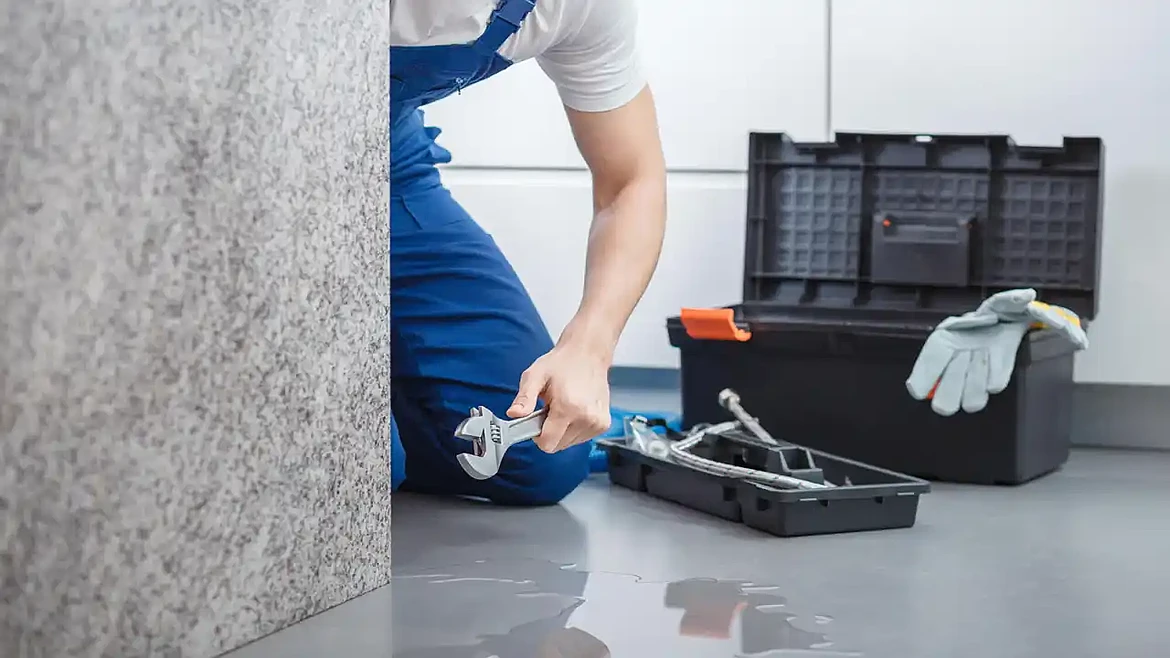
The pipe wrench is one of the tools they use a lot when turning pipes and gripping them. Even if you get the tool for your DIY plumbing projects, you still need some expertise to use it. Many plumbers who serve homeowners in Chicago know the following:
- The right amount of pressure to use
- The right angle to hold a pipe wrench
- When to switch to a different tool
If you grab a pipe wrench without a lot of experience, one wrong twist can crack your pipes and damage fittings.
What's the Easiest Type of Plumbing?
Cross-linked polyethylene or PEX piping. It's easy for beginners because it's flexible and easy to cut.
If you're researching how to do small-scale repairs on your own, you'll find that many DIY plumbing solutions suggest using PEX. Even if it's quite easy to work with, mistakes can pile up if you aren't careful.
All across the country, from Chicago to the Finger Lakes Region in Upstate New York, many homeowners often find it easier to leave plumbing work to the experts.
6 DIY Plumbing Mistakes Chicago Homeowners Must Avoid
You may feel proud of yourself when you do DIY plumbing repairs during your home improvement in Chicago. However, you might end up making some mistakes and not realize until it's too late.
1. Over-Tightening Connections
When a pipe is leaking in your home, your first instinct may be to tighten it as much as you can. Overdoing it can cause:
- Cracks
- Stripped threads
- Broken fixtures
A snug fit will stop a leak, and you should always stop there. Doing anything more will cause trouble.
2. Using the Wrong Type of Pipe
Older homes in areas like Logan Square and Bronzeville may have plumbing systems with copper and PVC. Some even have galvanized steel. If you do DIY plumbing in one area and use the wrong material, your entire system may become weak and fail quickly.
Call an expert who offers plumbing services in your area because they'll research your home's history and can give you plumbing tips to avoid more damage.
3. Ignoring Chicago's Harsh Winters
Harsh winters often cause pipes to crack after freezing. When doing a Chicago home repair, you may make these errors:
- Fail to seal drafts
- Use the wrong frost-proof fittings
- Fail to use insulating pipes
Once freezing winters come along, they'll magnify even the most minor errors.
4. Using Drain Cleaners Too Often
Chemical drain cleaners feel like magic, especially when you need them to work quickly, but they're a shortcut with serious risks. If you misuse them, they can damage older pipes, and you'll be left with more damage in the long run.
It's better to use a plunger or a manual snake. You can also call plumbers who have the best tools, like hydro-jetting equipment.
5. Skipping Permits and Inspections
You might think you're saving by skipping permits for plumbing projects. Chicago is strict when it comes to building codes, so that mistake may haunt you later when you sell your home. Your insurer may also fail to cover you if some of the work you did wasn't approved.
6. Using Too Much Plumber's Tape
Teflon or plumbers' tape will help you seal pipes, but you shouldn't use too much. Many homeowners make this mistake, which then prevents fittings from threading correctly.
Two to three wraps are usually enough in many cases.
Frequently Asked Questions
What is better than PVC for plumbing?
PEX and copper. They are often better choices because of their durability.
PEX is flexible, so you won't have to worry about your pipes freezing and bursting. You can also trust copper because it will stay in great condition for over 50 years.
How do I know when to call a plumber?
It's always a good idea to call a plumber if you're dealing with a major leak or when the pipes you want to work on are hidden behind walls. Other signs are:
- You're unsure where your water shut-off valve is
- You need special tools that you don't own
- You have been dealing with recurring leaks
Calling a plumber may end up being cheaper and safer in the long run.
What is the best pipe for DIY plumbing?
PEX piping. You won't need to solder it or make many cuts to navigate joints around your home.
The flexibility of PEX is what makes it more friendly for beginners since it reduces the risk of making mistakes. Always use a crimping tool with PEX to ensure your connections are secure.
What Tools Do I Need for Plumbing DIY?
The tools you need can depend on the type of project you have. You often require:
- A pipe wrench
- Pliers
- Plunger
- Drain snake
- Teflon tape
- Hacksaw
Instead of going through the stress of buying all these tools and learning how to use each one, you can consider working with professional plumbers. They have all the tools you need to ensure your Chicago home is safe from leaks and water damage.
Avoid Costly DIY Plumbing Mistakes
DIY plumbing projects can empower you, but if you make a mistake, you may end up spending thousands to fix it. Even if a material or tool feels pretty easy to use, you can still mess up, so you should leave no room for error by calling experts.
Professional plumbers will save you money by fixing hidden errors that have been stressing you and draining your wallet. Protect your home and have peace of mind by hiring pros.
Visit our news page for more tips on home upkeep.
This article was contributed by Next Net and published on cdapress.com as part of our contributed content program. Contributed content provides perspectives from businesses and organizations. These contributions help support local journalism through financial support, ensuring we can continue delivering trusted local reporting to our readers.