
Why doctors warn against newborn sleeping on their stomach
Arin Barry | Coeur d'Alene Press | UPDATED 2 months, 4 weeks AGO
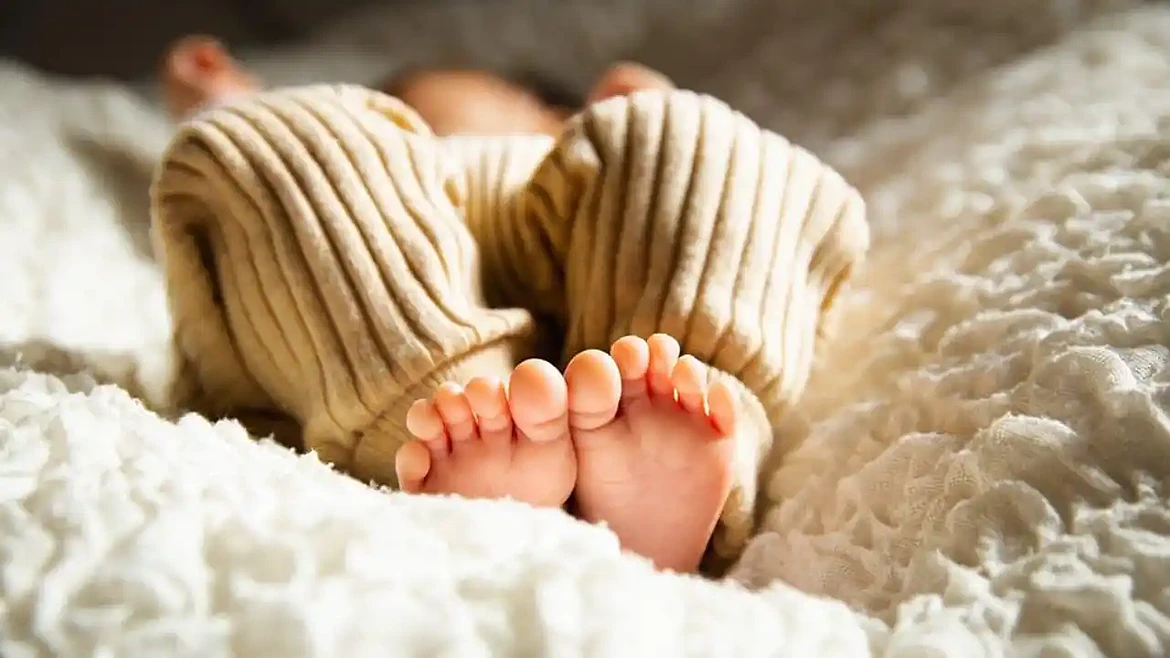
A newborn sleeping on their stomach can be dangerous, even if the baby looks calm and comfortable. When a tiny face presses against a soft mattress or blanket, breathing can become difficult without anyone noticing.
Research indicates that over 90% of all SIDS deaths occur before 7 months of age, with the risk peaking between 1 and 4 months (Boston Children's Hospital). That's why doctors always recommend placing babies on their backs for every nap or nighttime sleep.
It may seem simple, but this one habit can make a huge difference during those first vulnerable months. Learning how to make a crib safe and following tried and tested sleep routines can help keep your baby comfortable and protected.
Keeping Your Baby Safe While They Sleep
Sudden Infant Death Syndrome (SIDS) occurs when a baby, who seems healthy, dies unexpectedly, often during sleep and typically before their first birthday. While the precise cause of SIDS isn't fully understood, experts believe it may result from a mix of factors, such as:
- Brain development
- Breathing control
- Sleep arousal mechanisms
What's clear is that studies show that setting up a safe sleep environment can lower your baby's risk.
Back sleeping keeps the airway open and reduces the chance of rebreathing carbon dioxide. Infants who sleep on their stomachs tend to sleep more deeply, which sounds good, but it can prevent them from waking up if something goes wrong, like a blocked airway.
Side sleeping might seem harmless, but babies can easily roll onto their stomachs before they develop strong motor control.
How to Make a Crib Safe
The mattress should be solid and fit snugly so there's no space for little arms or legs to get trapped. Skip the extras. Only a tight-fitting sheet, no pillows, blankets, bumper pads, or stuffed animals, even if they seem harmless.
Better still, many parents use this organic baby bamboo sleeping bag as a safe, comfortable alternative.
Watch the room temperature. Babies can overheat easily, which raises the risk of SIDS. Keep the sleep area smoke-free, and check the crib regularly.
Slats should be close enough to prevent accidents, and any loose screws or broken parts should be fixed right away.
How Long Should Babies Sleep by Age?
Baby sleep guidelines can be different for each child.
Newborn sleep can be all over the place. They often sleep 14 to 17 hours a day, but it comes in short chunks of just a few hours at a time. This is normal, and it takes a little while for their sleep patterns to settle.
By the time babies are 4 to 11 months, sleep starts to consolidate. They usually get 12 to 15 hours in 24 hours, including nighttime sleep and a couple of daytime naps. Some infants begin sleeping longer at night, giving parents slightly more rest, but naps remain essential.
Toddlers between 1 and 2 years old usually need about 11 to 14 hours of daily sleep. Many still take a nap or two, but nights start to become more predictable.
Tips for Promoting Safe Baby Sleep
Getting a baby to sleep isn't always straightforward. One night, they drift off easily; the next, they fight every minute. It's completely normal, and definitely tiring, but these tips may be the game-changer you need:
Wind Down the Right Way
Start with a bedtime routine that feels calm and familiar. Maybe it's a warm bath, a quiet song, or a few minutes of rocking in a dim room. The goal isn't perfection, it's consistency.
Block out light if you can, and consider using soft background noise to mask household sounds. A white noise machine can help, but even a fan or gentle hum works.
Spot the Signs Before Sleep Meltdowns
Pay attention to your baby's signals. If they start staring off, rubbing their eyes, or getting fussy, that's your cue.
Waiting too long can backfire; an overtired baby may be harder to settle or wake up frequently. Try the "5 S's" method:
- Swaddle: Helps babies feel secure
- Side/Stomach hold: Only for soothing while awake, never for sleep
- Shush: Mimics womb sounds
- Swing: Gentle rocking calms the nervous system
- Suck: Pacifiers can soothe
Keep Nighttime Calm
When your baby wakes in the middle of the night, keep things low-key. Dim the lights, speak softly, and skip the playtime. This helps them learn that nighttime is for resting, not for social hour.
As your baby grows, try to separate feeding from falling asleep. That way, they learn to drift off without needing a bottle or breast every time.
FAQ Section
Can babies sleep on their stomachs once they can roll over?
Once babies can roll both ways on their own, usually around four to six months, they may settle into different positions during sleep. Always place them on their back to start, and follow crib safety rules.
Are sleep sacks safer than blankets?
Yes. Sleep sacks keep babies cozy without the risk of loose fabric covering their faces.
Can newborns sleep on their stomach on their mom's chest?
No. While it may seem comforting, it still carries the risk of suffocation or overheating. If a baby falls asleep on the chest after feeding or cuddling, the safest approach is to move them to a crib or bassinet gently.
Will babies turn their heads if they can't breathe?
Babies do have a reflex to turn their heads, but it isn't always strong or fast enough to prevent suffocation. That's why back sleeping is an essential safety precaution.
What is the 3-3-3 rule for baby sleep?
If your baby is fed, safe, and comfortable, wait three minutes before going in. Often, they'll fall back asleep on their own, helping them learn to self-soothe.
When is SIDS no longer a concern?
The risk becomes much lower once a baby is around 8 months old. However, it's still important to keep following these infant sleep safety habits until their first birthday.
Newborn Sleeping on their Stomach: What Parents Need to Know
A newborn sleeping on their stomach is at a higher risk for breathing difficulties and SIDS. Keeping babies in safe sleeping positions is the best way to protect them. Consistent sleep habits and careful attention to the sleep environment will ensure peace of mind for parents.
For more guidance on keeping your newborn safe and healthy, visit our health section for practical tips and resources.
This article was contributed by Next Net and published on cdapress.com as part of our contributed content program. Contributed content provides perspectives from businesses and organizations. These contributions help support local journalism through financial support, ensuring we can continue delivering trusted local reporting to our readers.