
5 natural antibiotic foods you can find in your kitchen
Arin Barry | Coeur d'Alene Press | UPDATED 1 year AGO
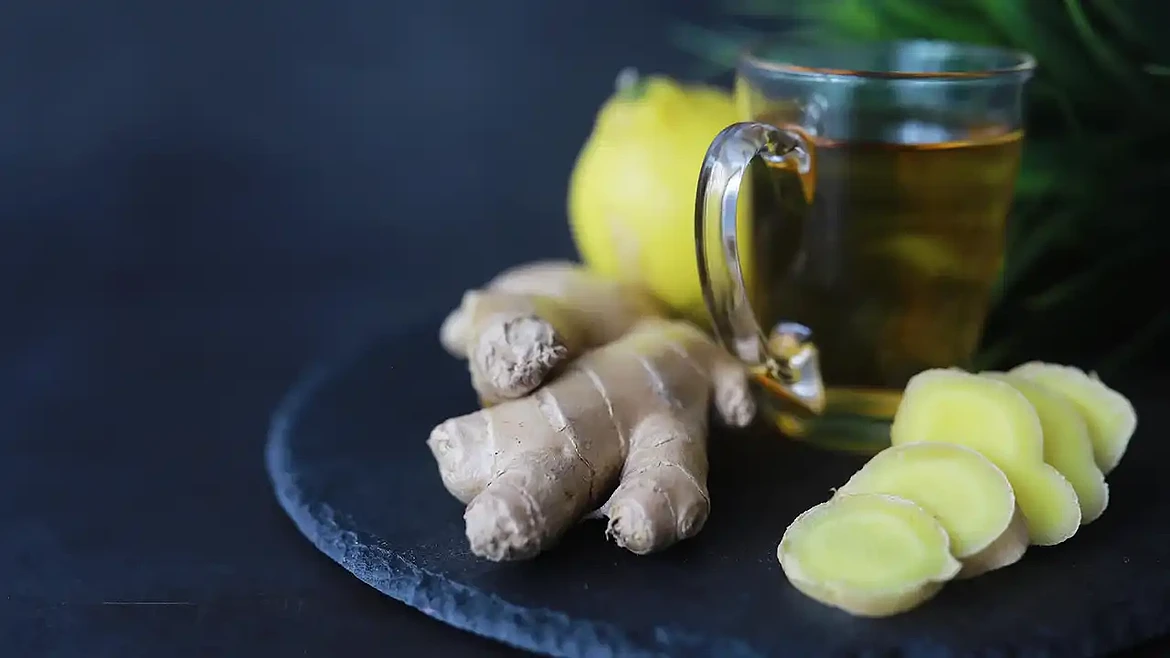
What if the answer to staying healthier was already sitting in your kitchen? The truth is that natural antibiotic foods like garlic, honey, and ginger have been used for centuries to fight infections and protect the body, offering support long before prescription antibiotics were discovered. Unlike synthetic drugs, these foods often come with added nutrients that boost overall health while helping to keep harmful bacteria in check.
This matters now more than ever, as a study from the GBD Antimicrobial Resistance Collaborators warns that antibiotic-resistant infections could cause up to 1.9 million deaths per year by 2050 if overuse continues. Natural remedies cannot replace prescribed antibiotics for serious illnesses, but they can help strengthen the immune system and reduce dependence on medication for everyday wellness. Many of these ingredients double as staples in everyday cooking, which makes them easy to add to your routine.
Exploring these foods gives you an accessible way to care for your body without reaching for a pill bottle each time you feel run-down. When you understand the natural antibiotic qualities of common kitchen ingredients, you unlock a new perspective on what it means to eat with purpose.
How Can You Treat an Infection Without Antibiotics?
When it comes to mild cases, you can fight infections without resorting to medication. Natural remedies can aid recovery, but serious infections may still require prescription antibiotics. By incorporating natural antibiotic foods into your diet, you can help your body combat harmful microbes without losing all of your good gut bacteria.
Natural antibiotics can only do so much on their own. You need to support your immune system by getting plenty of rest, staying hydrated, and eating well.
What Are the Most Effective Natural Antibiotic Foods?
Garlic, honey, myrrh, ginger, and turmeric have all earned their place in kitchens and medicine cabinets around the world thanks to their antibacterial and immune-supportive qualities. Let's take a closer look at how each of these natural antibiotic foods works and the unique ways they support health.
1. Garlic: Nature's Powerful Infection Fighter
Garlic isn't just a great ingredient to flavor your meals; it's also your secret weapon.
How does garlic impact health? Garlic is one of the most effective natural antibiotic foods due to its active compound allicin. This is because allicin has been shown to fight a wide range of bacteria, including some that are resistant to conventional drugs.
2. Honey: Sweet Protection Against Bacteria
Honey is one of the oldest and most widely used immune-boosting foods. For example, Ancient Egyptians used honey as a skin protectant as well as a natural antibiotic.
The hydrogen peroxide in honey is what gives it its antibacterial properties. The high sugar content also stops the growth of certain bacteria. Honey also has a low pH level, which helps pull moisture out of the bacteria.
Honey should be applied to a wounded or infected area, as it needs to be able to access the bacteria. In this instance, eating it won't do much unless you have an internal infection.
3. Myrrh Extract: An Ancient Remedy with Modern Value
Myrrh extract is a popular choice when it comes to fighting bacteria such as E. coli and Staphylococcus aureus. This extract is generally found in mouth rinses as it's effective when dealing with oral health and gum inflammation.
4. Ginger: Spicy Support for Immunity and Healing
Ginger contains natural compounds that work against a wide range of harmful microbes. It may even help fight off bacteria linked to gum disease, as well as strains like E. coli and staph infections.
Fresh ginger, extracts, tinctures, oils, and capsules are all good options if you're looking to incorporate ginger into your diet.
5. Turmeric: Golden Root with Antibacterial Strength
Turmeric's active compound, curcumin, helps fight harmful bacteria while reducing inflammation in the body. Unlike synthetic drugs, turmeric also provides antioxidants that boost overall wellness. By adding turmeric to meals, teas, or golden milk, you not only enhance flavor but also tap into a natural defense that supports long-term health.
Frequently Asked Questions
What risks come with using natural antibiotics?
The biggest risk when using antibacterial herbs and foods is that they might interact with medications. They could also cause potential allergic reactions.
Relying only on natural remedies for serious infections is also risky, as it may delay proper treatment and allow the illness to worsen.
What side effects can natural antibiotics cause?
Potential side effects depend on the specific ingredients and how much of them you use.
For example, garlic can cause some bloating or digestive issues, and strong herbal extracts like oregano oil or myrrh can irritate the stomach or skin if overused. Ginger is generally safe, but it can cause heartburn, gas, or interfere with blood-thinning medications. Turmeric in high doses can cause nausea, dizziness, and increase the risk of developing kidney stones.
Honey doesn't have many side effects, but it should never be given to children under the age of one, as it can cause botulism.
Can you take natural antibiotics every day?
Most natural antibiotic foods are also considered immune-boosting foods that support general wellness, which can be taken every day.
Concentrated supplements and oils aren't meant for long-term use without professional guidance. A food-based approach is usually safer than relying on high-dose extracts each day.
When should you use prescription antibiotics?
Natural infection fighters aren't meant to replace prescription antibiotics. Prescription antibiotics are essential when an infection is severe, spreading, or life-threatening.
Using natural options for minor wellness support is fine. When symptoms escalate, prescription antibiotics are the safest and most effective choice.
Bringing Natural Antibiotic Foods into Everyday Life
Bringing natural antibiotic foods into your daily routine is a simple way to support health with ingredients you already know and trust. While these natural antibiotics cannot take the place of prescribed antibiotics in serious cases, they can play a meaningful role in prevention and everyday care.
These healing foods naturally remind us that nourishment and protection often go hand in hand. For more tips and tricks to ensure you're living your life to the fullest, check out our health section.
This article was contributed by Next Net and published on cdapress.com as part of our contributed content program. Contributed content provides perspectives from businesses and organizations. These contributions help support local journalism through financial support, ensuring we can continue delivering trusted local reporting to our readers.