
How pilots discover hidden gems with bush flying
Amy Kang | Coeur d'Alene Press | UPDATED 12 months AGO
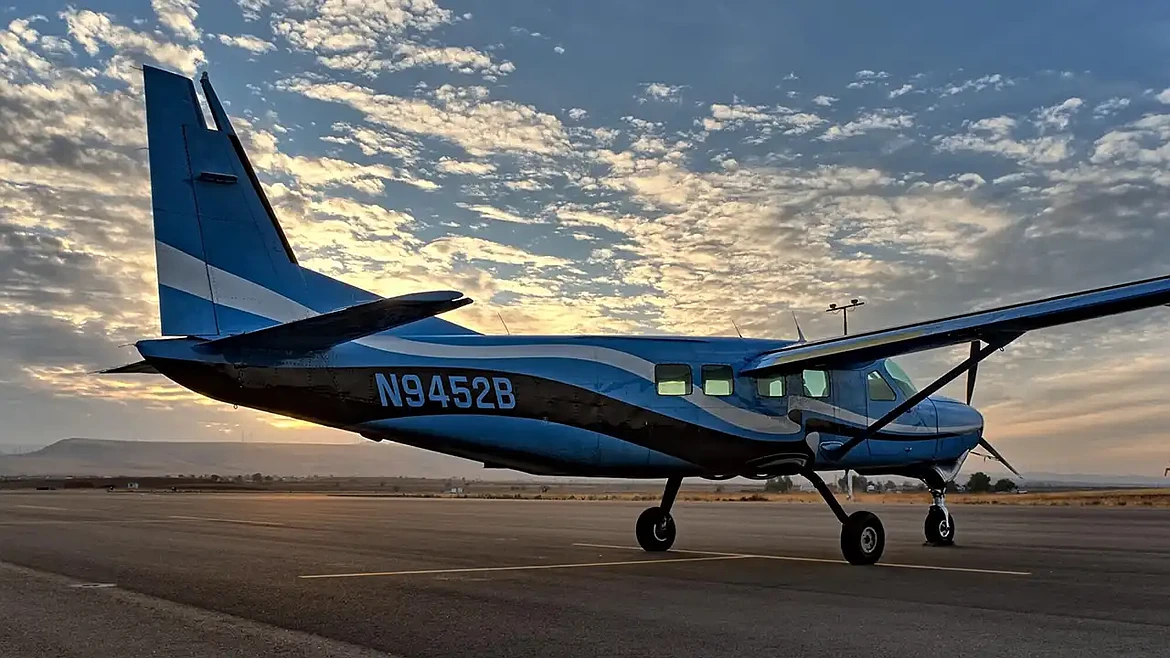
Bush flying allows pilots to visit untouched places by flying small planes without the need for normal runways. As a bush pilot, you can access untouched mountain valleys and lakes that few people ever experience. These expert aviators are modern-day explorers, discovering hidden locations through specialized aircraft and skills.
Reports from the World Meteorological Organization show that the global accident rate when flying decreased from 1.87 accidents per million departures to 1.13. This is a 36.8% improvement in safety. With robust safety improvements, bush pilots can continue with remote exploration.
Our article uncovers how bush flying offers exclusive flying experiences. Keep reading to know what it means to explore our planet's wild places.
What Is Bush Flying?
Bush flying involves operations in remote wilderness regions where traditional runways don't exist. It is the primary method of access across
- Alaska
- Northern Canada
- Western Canada
- Parts of Antarctica
- The Australian Outback
- Greenland and the Arctic
This flying style gives you the freedom to access pristine destinations. Pilots can land on dirt, grass strips, lakes, or unmarked areas to reach these isolated locations.
Features of a Bush Plane
Bush planes fit the demands of flying in rugged, remote environments. This is because of special features such as:
High-Mounted Wings for Superior Ground Clearance
Bush planes feature high-mounted wings placed on top of the fuselage. This design gives the plane better clearance from ground obstacles such as trees during takeoff and landing. The high wings also help reduce risks of damage during loading and ground handling in remote areas.
Oversized Tundra Tires, Floats, Or Skis for Various Terrain
Bush aircraft often have oversized tundra tires for soft or rocky soil. This allows pilots to make smooth landings and takeoffs on unprepared surfaces.
Some bush planes have floats to land on water, or skis to operate on snowy or icy terrain. These modifications expand operational reach, allowing you to explore unseen natural wonders.
Powerful Engines With Excellent Short-Field Performance
Bush planes are powered by strong engines optimized for Short Takeoff and Landing (STOL) abilities. For example, the Kodiak STOL turboprop has:
- A 10-seat configuration
- 1,132 nautical miles range
- Short takeoff distances
These features allow bush pilots to access tiny airstrips in the wilderness. Additionally, the power allows pilots to safely operate from steep or rough strips characteristic of remote exploration.
Robust Landing Gear Designed for Rough Surfaces
The landing gear on bush planes is rugged. It often features shock absorption suited for unpaved, rocky, or uneven runways.
You will note that the Bushliner 1850 Cyclone features titanium landing gear combined with 29-inch Alaskan Bushwheels and Beringer brakes. These are features that ensure superior ground handling and reliability on rough terrain.
How Pilots Discover Hidden Gems With Bush Flying
Exploring hidden gems starts with knowing that bush flying turns each flight into a discovery mission. Here is how you can find gems through bush pilot adventures:
Weather Investigation and Scouting Flights
Weather scouting flights have dual purposes in discovery operations. While checking conditions for scheduled trips, pilots scout new landing sites and document untouched locations. They photograph GPS coordinates of promising lakes or natural clearings for upcoming exploration.
Local Knowledge Networks and Pilot Communities
Local knowledge networks help find hidden flying destinations. Expert bush pilots share information about:
- Seasonal access routes
- Water levels
- Terrain conditions
However, you can't find informal networks in official publications.
Systematic Map Study and Route Planning
Pilots develop systematic methods of exploration. They use:
- Topographic maps
- Satellite imagery
- GPS technology
They identify possible landing sites during office planning sessions. Next, they perform aerial surveys to evaluate viability.
Safety Improvements and Pilot Training
The E3 Aviation Association reports that safety is improving through better pilot training and technology advancements. This progress has led to a drop in general aviation accidents over five years.
Although Alaska -- home to some of the most challenging bush flying conditions -- is still leading in fatality numbers. These safety advances empower pilots to confidently go on adventurous bush pilot missions with better awareness and skills.
Airstrip Preservation and Development Networks
Organizations like the Recreational Aviation Foundation help pilots preserve remote exploration sites. Since 2004, RAF volunteers have worked to maintain airstrips that cater to bush flying experiences.
How Far Can Bush Planes Go?
Bush planes are built for versatility over distance. While they can't do long-haul flights, they can cover hundreds of miles in a single leg, depending on model and load. For example, Cessna 180 and 185 models offer ranges from 500 to 700 miles.
Flight length also depends on the mission needs. Some pilots fly day tours, while others perform long-range exploration across vast wilderness areas.
What Is the Best Bush Plane?
The best bush plane is one that suits your mission requirements. However, some notable models that bush pilots love are:
- Lake LA-4: Good for water landings
- Piper PA-18 Super Cub: Features excellent STOL capabilities
- Cessna 180 and 185: Offers ruggedness and floatplane adaptability
AOPA safety reports show general aviation fatal accident rates have declined below 1 per 100,000 flight hours. In Alaska, where bush flying is essential, accident rates are nearly five times the national average. With proper training in mountain techniques and decision-making, bush flying becomes safer.
Frequently Asked Questions
Can bush planes land on water?
Yes, many bush planes have floats that allow them to land on lakes or rivers. These floatplanes give you access to water-bound remote destinations that normal planes may not reach.
What is a bush pilot's salary?
Bush pilot salaries vary depending on experience, employer, and location. Entry-level bush pilots often earn between $30,000-$60,000 per year. If you are an expert pilot who flies in remote regions or specializes in charter services, you can get up to $80,000 annually.
What fuel do bush planes use?
A lot of bush planes use aviation gasoline (Avgas), precisely 100LL (low lead) for piston-engine aircraft. However, newer bush planes with turbine engines use Jet-A fuel. The fuel type you use on your plane will depend on the aircraft model and engine.
Discover the Unseen Natural Wonders of the World With Bush Flying
Bush flying makes remote exploration accessible. You can fly to secluded natural parks and well-maintained ecosystems, creating unforgettable memories.
Bush flying is an invitation to explore. If you need more unique travel tips, subscribe to our newsletter today.
This article was contributed by Next Net and published on cdapress.com as part of our contributed content program. Contributed content provides perspectives from businesses and organizations. These contributions help support local journalism through financial support, ensuring we can continue delivering trusted local reporting to our readers.