
Samaritan Hospital opening scheduled for March 2026
CHERYL SCHWEIZER | Hagadone News Network | UPDATED 11 months, 1 week AGO
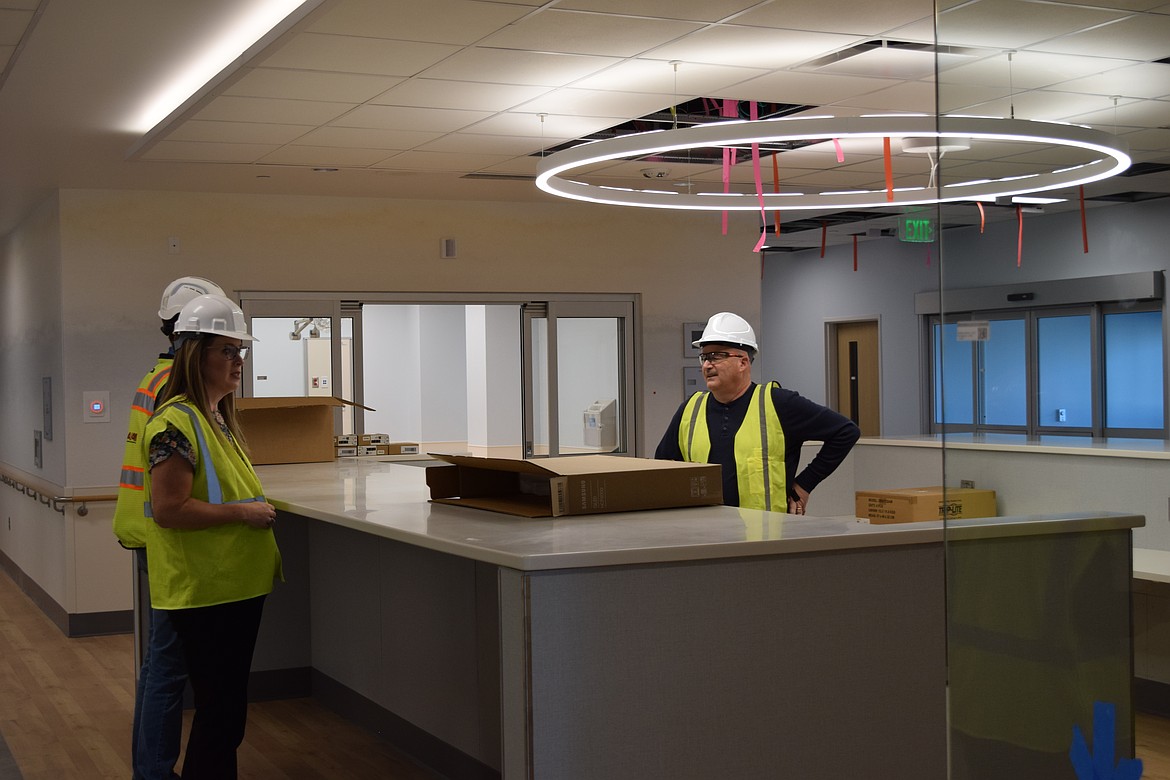
Gretchen Youngren, foreground, talks with construction workers at the new Samaritan Hospital.
R. HANS MILLER/COLUMBIA BASIN HERALD
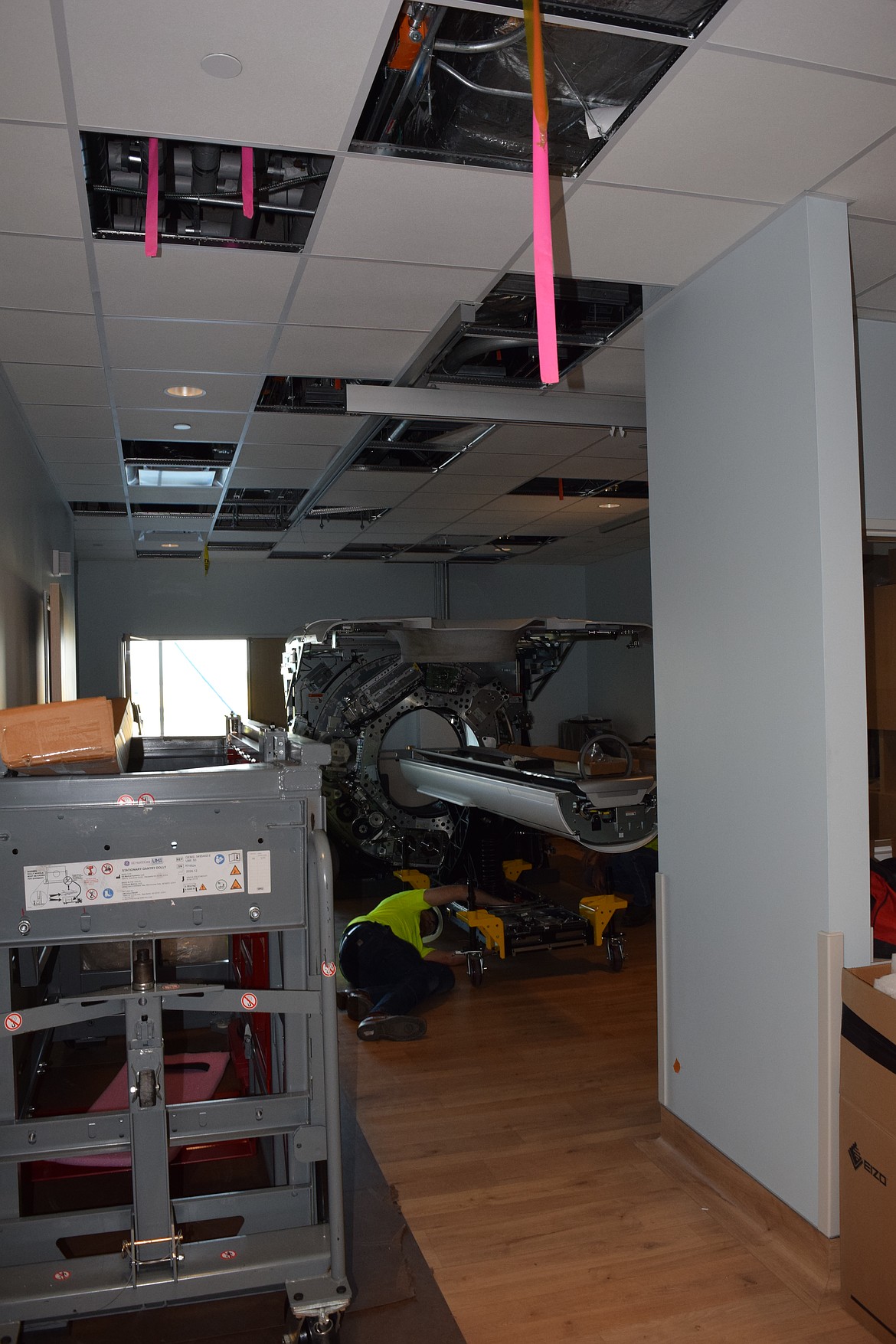
A construction worker installs equipment in the diagnostic imaging department at the new Samaritan Hospital.
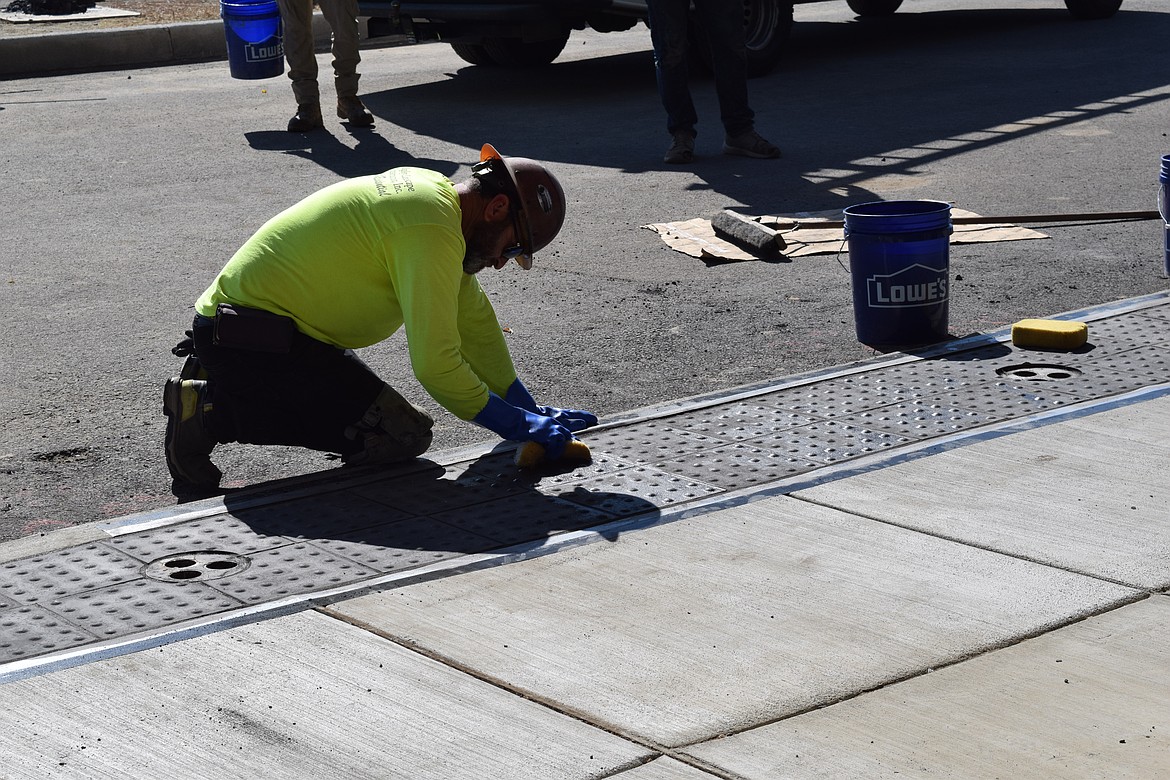
A lot of the exterior work, including sidewalks, has been completed at the new Samaritan Hospital.
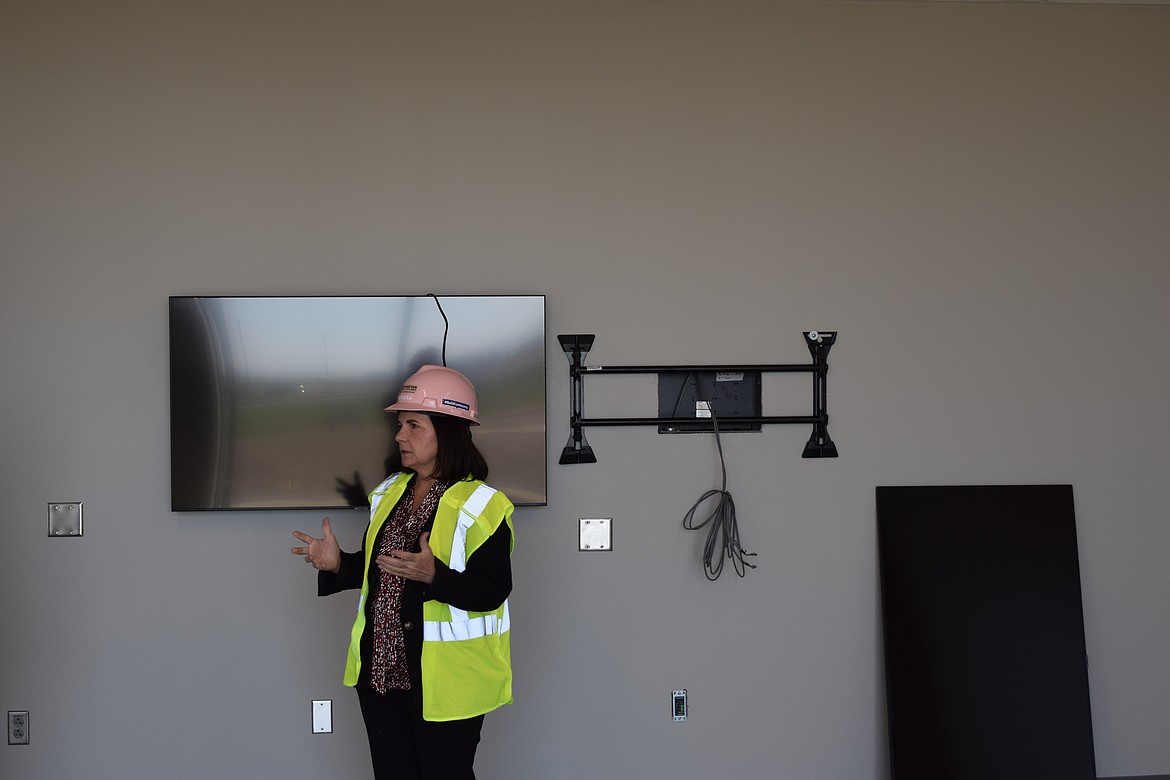
Samaritan Healthcare Chief Executive Officer Theresa Sullivan highlights some of the details in a patient room at Samaritan Hospital, which is nearing completion.
Senior Reporter Cheryl Schweizer is a journalist with more than 30 years of experience serving small communities in the Pacific Northwest. She began her post-high-school education at Treasure Valley Community College and enerned her journalism degree at Oregon State University. After working for multiple publications, she has settled down at the Columbia Basin Herald and has been a staple of the newsroom for more than a decade. Schweizer’s dedication to her communities and profession has earned her the nickname “The Baroness of Bylines.” She covers a variety of beats including health, business and various municipalities. | September 30, 2025 1:20 AM
MOSES LAKE — The projected opening day for the new Samaritan Hospital is about six months away.
“We expect that we would get the temporary certificate of occupancy Dec. 12,” said Samaritan Chief Executive Officer Theresa Sullivan. “And then the first patients March 7, 2026.”
Construction has reached the stage of painting walls, installing doors, finishing installing lights and starting to install equipment. Crews were putting together some of the imaging equipment Tuesday morning.
“Once we get the certificate of occupancy more and more equipment will be moved into the building,” Sullivan said. “New furniture and new equipment will be moving in in December. The goal is to have all of that in (place) when we start training, which will be about mid-January.”
Total project cost is about $225 million.
“We’re on time and on budget,” Sullivan said.
Along with accommodating all the changes in medicine, the new Samaritan Hospital is designed to make the experience easier for patients and their families. That includes all hospital operations, down to the elevators.
“A lot of times (in the existing hospital) we can have a patient on a gurney going up to (Intensive Care Unit), right in the same elevator where (hospital visitors) are going up to a meeting,” she said. “That won’t happen in this building.”
The ground floor will house services that patients need but that don’t require staying in the hospital.
“We tried to put all the outpatient services – lab, imaging, rehab, things you come in and out for – we tried to make all those things convenient,” Sullivan said.
She cited the hospital’s occupational, cardiac, respiratory and physical therapy services as an example. At the existing hospital some are located in a separate building. In the new hospital, they’ll all be on the ground floor not far from the entrance.
“You can literally see it from the registration (area),” Sullivan said.
The emergency room has two entrances, one designated for ambulances, to make treating ER patients easier and quicker. All other patients come to a central area just inside the front door and are directed to where they need to go.
The ER becomes the primary entrance after hours, Sullivan said. The building is designed to make it easy to move patients who need to be admitted after hours without being required to take them through the public areas.
“Let’s say I’m a mom coming in, in labor, and it’s after hours. I’ll come to the emergency department. These elevators will pop me right up into the mother-baby unit,” Sullivan said.
The second floor is the home of the obstetrics and surgical areas. Patients who need to stay for a while, whether in acute care or ICU, will be on the third floor.
There will be five surgery suites in the new hospital, with the option for a sixth, and, at 600 square feet, the new operating rooms will be bigger.
“Every room is big enough for robotics. Every room is big enough for orthopedics. We won’t have this issue of, ‘Well, we’ve got to work around the size of the room,’ which is a problem for us in our current hospital. We don’t have enough rooms that are big enough to do both robotics and orthopedics,” Sullivan said.
Three rooms are “procedure rooms” for cases where people may need anesthesia as part of a test or treatment but aren’t in actual surgery.
The existing hospital has two different rooms for labor and delivery, but in the new hospital, everything happens in one room. There’s a spot for family members to stay in the room as well.
“All the patient rooms, we tried to design with three zones in mind,” Sullivan said.
All the medical equipment is concentrated on one side of the room, the spot for family members or friends on the other side, and the patient in the middle. All rooms have their own bathroom and a lot of storage space.
“I was in the hospital last year, and I (said), ‘I don’t have a place to put my stuff.’ This is for the patient and family,” Sullivan said.
The acute care and ICU areas were designed to make it easier for people to find their way around.
“If you come up to the ICU or even to med-surge (in the existing hospital), it happens that often people come off the elevator and they’re (asking), ‘Where are the patient rooms?’ This (elevator) will bring them right up in front of the (waiting area) desk,” Sullivan said.
The ground floor has a cafeteria open to staff and patients.
“We had a little competition with Samaritan professionals to name (the cafeteria), so we don’t have the name announced yet,” she said.
There’s also a conference room on the ground floor, the spot for commission meetings – and that is, Sullivan said, an example of priorities.
“We had to look at where we are going to put the money, and even though we would have liked to have a bigger conference space, we said, ‘No, the dollars need to go into the patient care areas,’” she said.
The staff, however, do get bigger break rooms. There are staff break rooms on multiple floors.
People driving by the new facility on Yonezawa Boulevard no doubt have noticed the windows; natural light is an important part of the design, said Gretchen Youngren, chief development and communications officer.
“One of the great things our team really worked on was finding workable space, or gathering space, outdoors,” Youngren said.
The ground floor includes an outdoor garden for staff, patients and families.
“A (Samaritan) Foundation donor came forth, and their family supported the healing garden as a way to connect with nature, because there are a lot of studies that show it supports healing,” Youngren said.
There’s also a paved walking path that runs through the property, with benches along the way.
Sullivan said the question of staffing is already under consideration.
“Everybody has workforce issues,” she said. “I will say that we have really been able to decrease the amount of temporary manpower, and we’ve been able to hire a lot of people. The biggest area that we still have temporary manpower is in our mother-baby unit, and that is a national issue. We actually have plans in place that we’re being able to decrease it.”
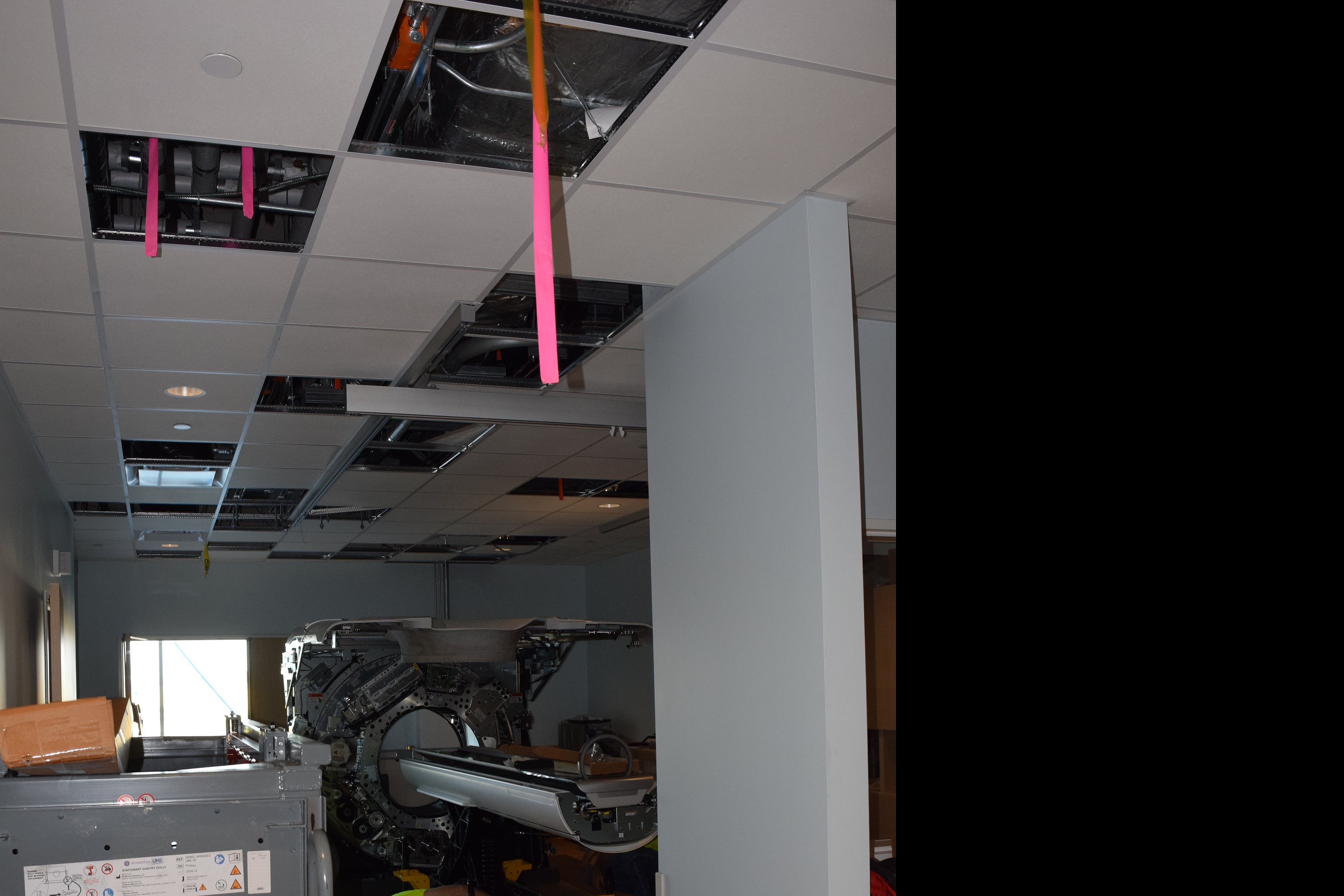 A construction worker installs equipment in the diagnostic imaging department at the new Samaritan Hospital.
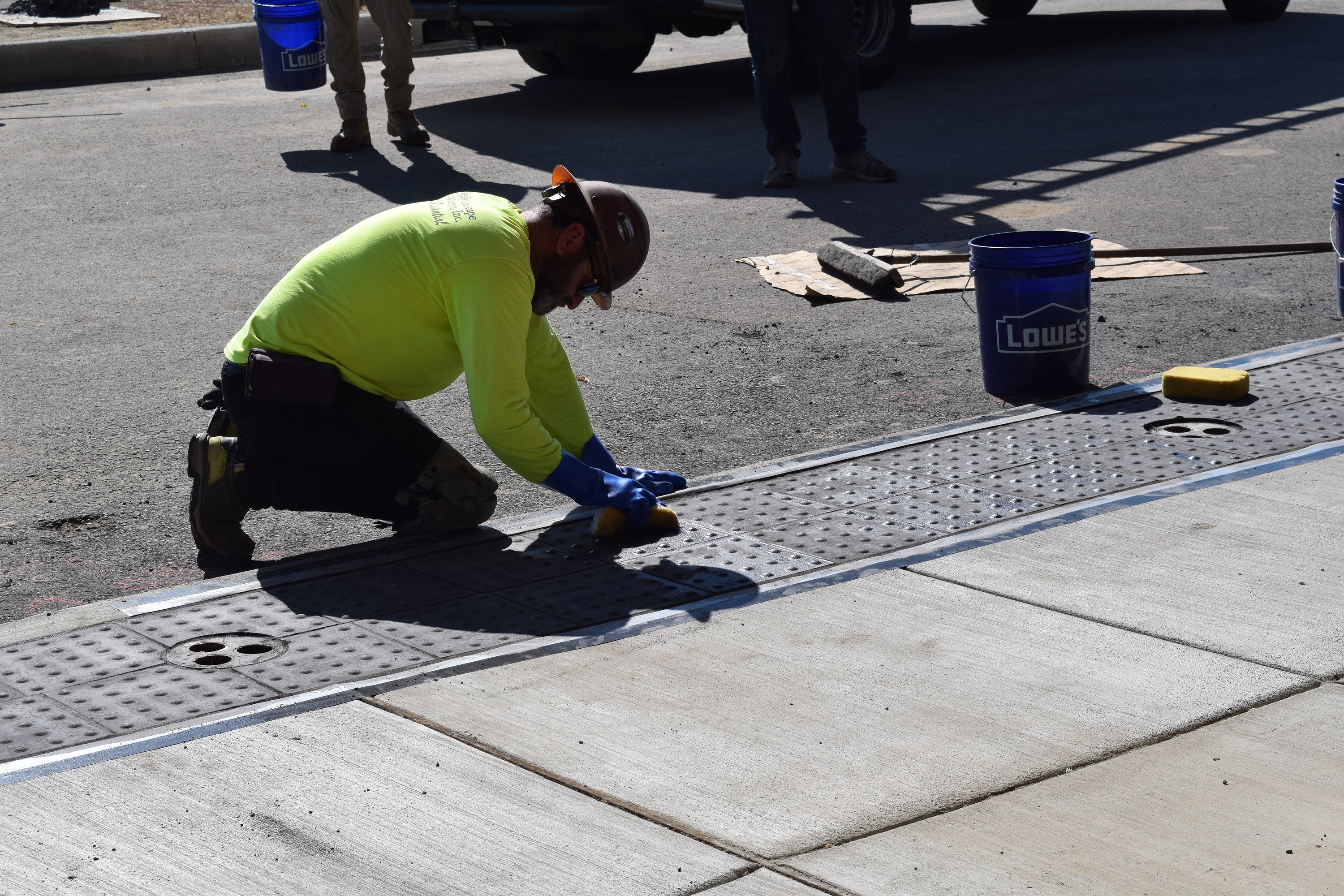 A lot of the exterior work, including sidewalks, has been completed at the new Samaritan Hospital.
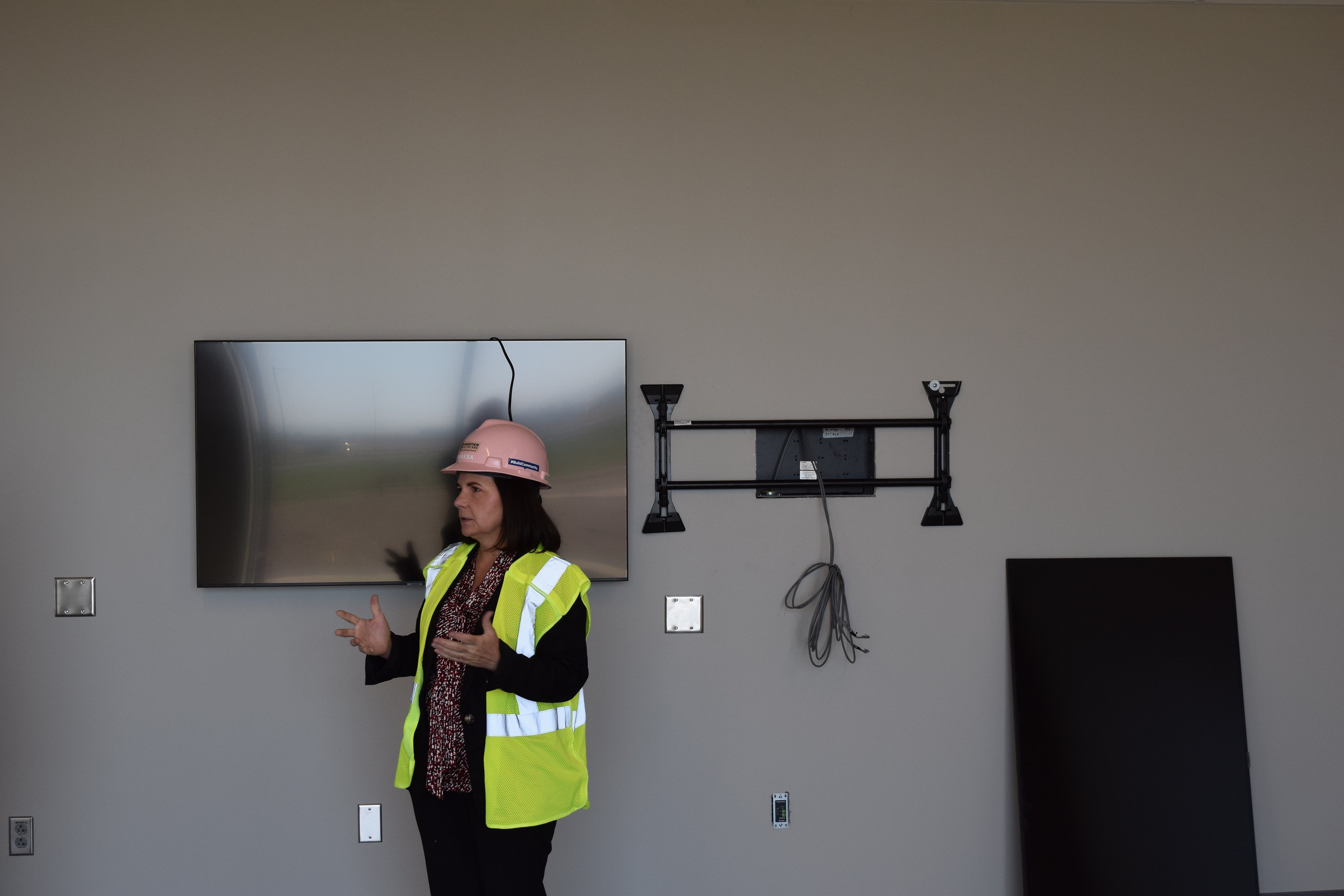 Samaritan Healthcare Chief Executive Officer Theresa Sullivan highlights some of the details in a patient room at Samaritan Hospital, which is nearing completion.
ARTICLES BY CHERYL SCHWEIZER
Road projects on hold for Labor Day weekend
MOSES LAKE — With Labor Day weekend dead ahead, drivers will be able to move freely about the state. Most road projects are on hold for the holiday weekend. Nobody will be working on the Hansen Road overpass on Interstate 90, but the lane restrictions that are in effect will continue through the end of the project.

Cost estimates for water source alternatives given to Moses Lake City Council
Protected under the U.S. Endangered Species Act, efforts are ongoing to keep it self-sufficient
MOSES LAKE — It’s going to cost a lot of money to provide alternative water sources for the city of Moses Lake, but some of the possible alternatives will cost more than others. City officials provided the Moses Lake City Council with costs for various alternatives Tuesday.

Dryer vent cleaning is important -- but often overlooked
MOSES LAKE — Not all the maintenance a house needs is visible. Sometimes a potential problem just goes unnoticed until it causes trouble, sometimes serious trouble. But a lot of potential problems give off warning signs. Clothes dryers often do when they need a good cleaning.