
How to showcase your company culture with interior design
Billie Pollisotto | Coeur d'Alene Press | UPDATED 1 month, 2 weeks AGO
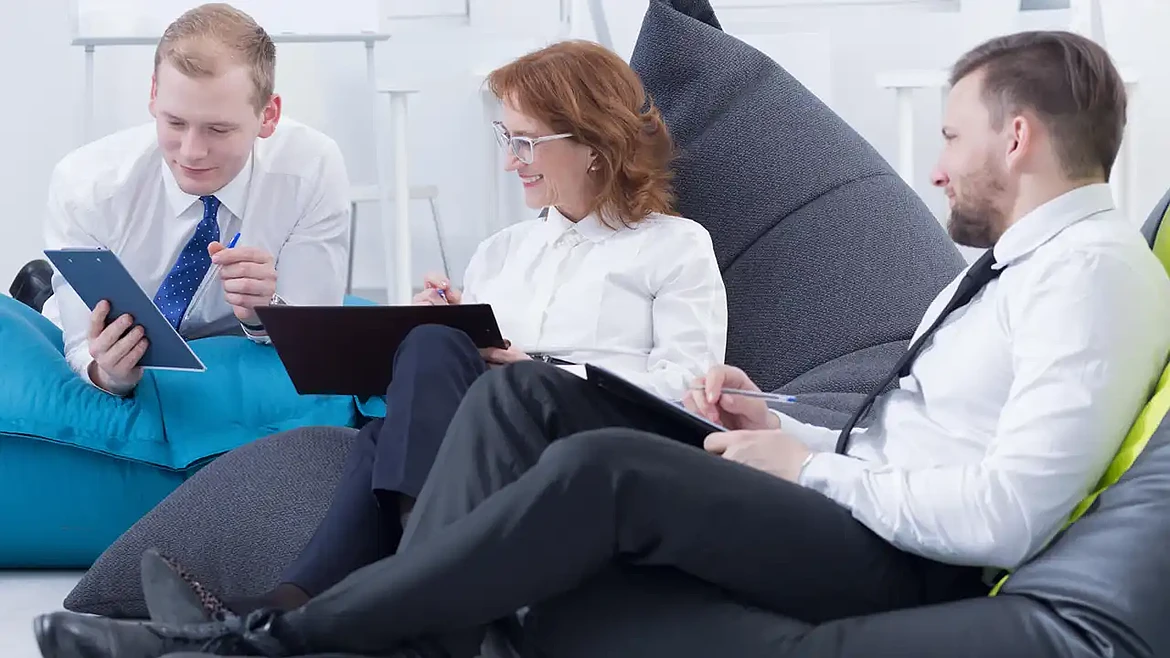
Effective interior design for office space is no longer just about aesthetics; it is a strategic business tool that can increase employee productivity by up to 15%, according to industry data. By intentionally aligning physical workspace with company culture, businesses can foster better collaboration and improve client retention from the moment they walk through the door.
Companies are investing serious capital into workspace design because the returns are real. A well-considered office shapes how employees perform, how clients perceive the brand, and how the business presents itself to investors and partners. When every design choice is made with culture in mind, the space stops being a backdrop and starts being part of the story.
Improving Client First Impressions
First impressions form fast, often within seconds of walking through the door. Before any conversation starts, the design of a space has already communicated something about the business behind it.
A well-considered environment signals professionalism and confidence without needing explanation. Clean sightlines, intuitive navigation, and a cohesive visual identity all help visitors feel comfortable and oriented from the moment they arrive. Lighting and seating play a bigger role in that experience than most people realize. A poorly lit reception area or uncomfortable waiting space can undermine an otherwise strong brand presentation before the meeting even begins.
The goal is for the space to do some of the work for you, so that clients walk in already feeling like they're in good hands.
Designing for Comfort and Productivity
Comfort influences how people show up and perform throughout the day. A workspace that feels physically and mentally supportive sends a clear message that the company values its people, and that becomes part of the culture itself.
The fundamentals matter most. Ergonomic seating, adjustable workstations, balanced lighting, and consistent temperature control all reduce the kind of physical strain that quietly chips away at focus and morale over a long shift. Acoustic design is often overlooked but equally important. A space that can't manage noise makes concentration difficult and collaboration frustrating.
Beyond individual workstations, the spaces employees use to decompress are just as important as the spaces where they work. Geoff Brand from Bean Bags R Us notes that dedicated break areas benefit significantly from flexible, comfortable seating options like bean bags, which allow employees to genuinely switch off between tasks rather than staying locked in work mode at a rigid desk chair.
Natural elements also contribute more than people expect. Access to plants, natural light, and outdoor views has a measurable impact on stress levels and general well-being, making them worth prioritizing wherever the layout allows.
Layout and Flow
The way a space is structured often says more about a company's culture than any visual branding. Layout choices shape how people interact, focus, and move throughout the day, making them one of the most consequential decisions in any office design project.
Brand notes that a 'breakout' layout is most effective when it removes the physical barriers between management and staff, fostering a culture of transparency.
An open layout signals transparency and fast-paced collaboration, which works well for creative teams that thrive on constant communication. A more structured layout supports concentration and defined workflows, which suits environments where deep focus is a daily requirement. Most offices benefit from a mix of both rather than committing entirely to one approach. Combining open areas with quiet zones and semi-private spaces allows teams to shift between collaboration and focused work without friction, which reflects a culture that values both efficiency and flexibility.
The most effective layouts are built around how teams actually operate rather than how an office is supposed to look. Clear pathways, accessible meeting areas, and intentional zoning reduce interruptions and improve the natural flow of the workday. When the layout works, people stop noticing it entirely, which is exactly the point.
Storage and Organization
Disorganized environments slow workflows, create friction, and weaken the overall experience of a space. Well-planned storage is one of the quieter contributors to a functional office, but its absence is immediately felt.
Effective storage design serves both individual and shared needs. Personal storage gives employees a sense of ownership over their immediate environment, while shared systems keep materials accessible without cluttering common areas. The goal is straightforward. Everything should be easy to find without disrupting focus or pulling people away from what they're working on.
For Geoff Brand, a clutter-free environment isn't just about looks; it's about reducing the 'cognitive load' on employees so they can focus on high-value tasks.
The best storage solutions tend to be the ones that disappear into the design. Built-in options keep surfaces clean and usable, clearly organized systems reduce the time spent searching for materials, and shared storage placed near high-use areas means people aren't crossing the office every time they need something. As teams grow and workflows shift, flexible storage that can adapt without a full redesign becomes increasingly valuable.
Workspace Transformation Tips: Consistency Is Key
Consistency turns design into a clear, recognizable experience. When every part of the office reflects the same values, culture feels intentional rather than scattered. Without it, even strong design choices can feel disconnected.
This applies to more than just visuals. Layout, materials, signage, and how spaces are used should follow a shared logic.
When employees move through the office and encounter the same tone and purpose in different areas, it reinforces what the company stands for.
Consistency also builds trust with clients and visitors. A cohesive environment signals attention to detail and clarity in how the business operates.
Future Proofing Your Design
Future-proofing starts with designing for change, not just current needs. Work styles shift, teams grow, and technology evolves, so the space should be able to adapt without requiring a full redesign.
Flexible layouts make this possible. The following allows spaces to be reconfigured as priorities change:
- Modular furniture
- Movable partitions
- Multi-purpose areas
This approach supports both short-term adjustments and long-term growth without disrupting daily operations.
Infrastructure also plays a role. Planning for scalable technology, reliable connectivity, and adaptable workstations helps prevent costly updates later.
The Office as a Strategic Culture Hub
The physical office has shifted from a mandatory daily destination to a strategic tool for connection. For companies with remote teams, the priority is creating an environment that justifies the commute. This means moving away from rows of empty desks and toward dedicated collaboration zones.
Brand highlights that the most effective hybrid offices function as "culture hubs," where flexible seating and social areas make in-person time feel purposeful rather than routine. According to recent workplace surveys, 94% of employees in high-performing offices have a choice in where they work within the building, proving that autonomy is a key driver of engagement.
Avoiding Common Pitfalls in Cultural Design
Many organizations fall into the trap of designing for how an office looks in a brochure rather than how it functions on a Tuesday morning. One of the biggest mistakes is the "copy-paste" trend, which is adopting open layouts or high-tech aesthetics without considering the noise levels or the specific workflows of the team.
Pushing brand identity too hard through rigid visuals can often feel forced. Instead, culture should be felt through the usability and comfort of the space, ensuring that aesthetics never compromise daily functionality.
Where to Start Your Redesign
When beginning a workspace transformation, the focus must be on removing friction. This starts with a deep dive into how work actually happens: identifying bottlenecks in communication and gaps in quiet work areas. A successful redesign prioritizes the foundation: layout, flow, and physical comfort.
Interior Design for Office Space: Now You Know
At the end of the day, an office is more than just a collection of desks and chairs; it is the physical manifestation of a company's heartbeat. When every choice, from the layout of the collaboration zones to the ergonomics of the seating, is made with intention, the results are seen in both the bottom line and the office morale.
For those looking to stay ahead of modern workspace trends, continuing to research and adapt your environment is essential for a thriving business. For more information on interior design for office space or other business articles, check out the rest of our website today!
This article was prepared by an independent contributor which helps us continue delivering quality content to our audiences.