
Designing for rest: how thoughtful bedrooms are redefining sleep quality
Amy Kang | Daily Inter-Lake | UPDATED 1 month, 2 weeks AGO
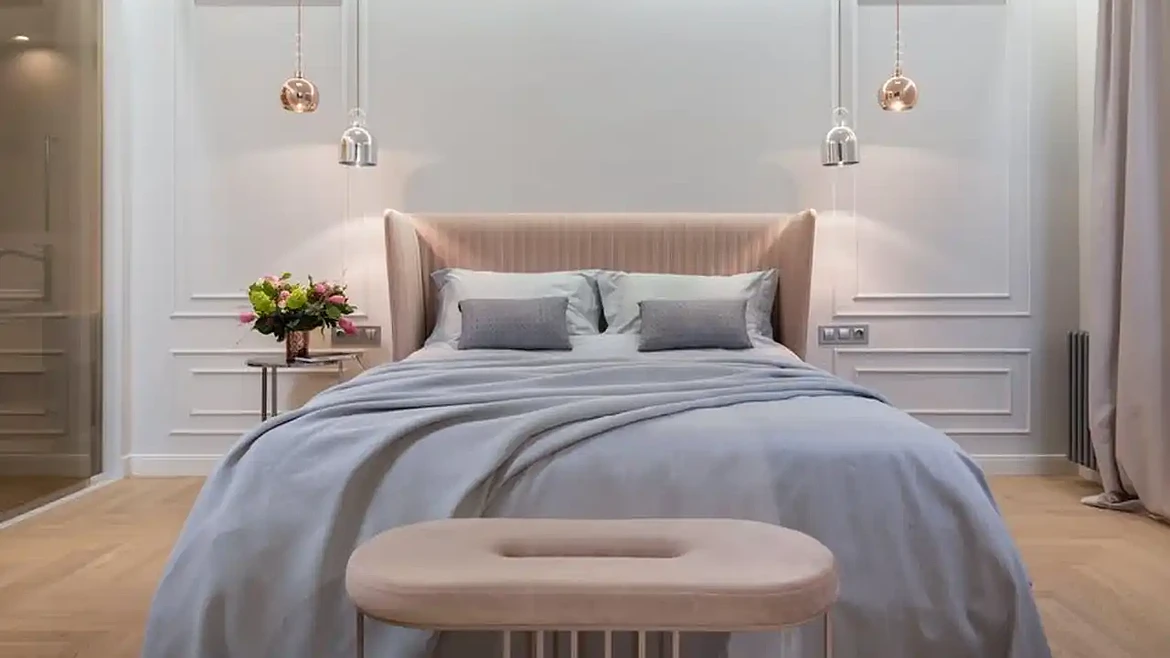
If you're conscious about your rest, your bedroom design matters. A well-designed bedroom creates a serene and relaxing space that improves your sleep quality.
As per the American Medical Association, nearly 25-30 million Americans suffer from insomnia at any given time. Dealing with insomnia can frustrate you. After several occasions, you'll have to deal with poor sleep quality that impairs your focus.
Knowing that you're not getting enough sleep is easy. However, finding out why can be a bit trickier. One of the things affecting your sleep is your bedroom design. With the right help, you can create a space that helps you get adequate and restful sleep.
What's a Good Quality Sleep?
Good quality sleep happens when you get refreshing and uninterrupted sleep. This sleep should be of adequate duration and restorative, making you feel energized when you wake up. To get quality sleep, you must go through all four sleep stages, including:
- Stage 1 (N1): The lightest stage of sleep
- Stage 2 (N2): Your body starts to relax more deeply
- Stage 3 (N3 or deep sleep): The deepest and most restorative sleep
- Stage 4 (REM sleep): Dreaming happens here
Going through all these sleep stages while you rest is important. They let your brain and body recover and grow.
How Much Sleep Do You Need?
The amount of sleep each person needs will vary. However, here is the sleep quantity that the National Sleep Foundation recommends:
- Newborns (0-3 months): 14-17 hours
- Infants (4-11 months): 12-15 hours
- 1 and 2-year-olds: 11-14 hours
- 3- to 5-year-olds: 10-13 hours
- 6- to 13-year-olds: 9-11 hours
- 14- to 17-year-olds: 8-10 hours
- Adults: 7-9 hours
- Adults 65 and older: 7-8 hours
As you sleep, your brain processes all the information it got during the day. Since babies and children get to have a lot of new experiences daily, they should get more sleep.
How Can Thoughtful Interiors Improve Your Sleep Quality?
Enhancing sleep quality starts with getting the design of your bedroom right. Here are some design features you should consider as part of your sleep improvement techniques:
Make Your Space a Sanctuary
How your bedroom looks directly affects the quality of your rest. For this reason, you need to ensure you make your space a haven of rest and relaxation.
Start by saying no to clutter in your space. Also, avoid the multifunctional use of your room. Make sure you keep gym equipment and home office tools out of your sleep area.
Next, get comfortable bedroom furnishings from Wayside Furniture & Mattress. Opt for ergonomically designed, cozy furniture. Your mattress and pillows should also support your sleep preferences.
Assess the Color Psychology of Your Bedroom
Optimize your sleep environment with color. Using vibrant colors like orange in your room may stimulate you rather than help you relax. Instead, paint your bedroom with soothing shades such as:
- Sage greens
- Light blues
- Neutral colors
These colors will help you feel peaceful and relaxed, giving you a restful atmosphere that allows you to drift to sleep.
Check the Lighting
Light has a powerful effect on your circadian rhythm, your biological clock that helps regulate sleep. When you want to sleep, make your bedroom as dark as possible to support a healthy circadian rhythm. Here is how you can optimize good lighting that improves your sleep quality:
- Use blackout curtains if your room gets a lot of exterior light
- Your bedside lamp shouldn't be too bright
- Opt for lighting with a low color temperature
These sleep improvement techniques can make it easier for you to feel drowsy. They also help you get undisturbed sleep.
Apply Texture and Comfort
If you want good rest, you want the physical feel of your bedroom to exude relaxation. The texture and comfort of the materials you choose can help.
Start with investing in breathable fabrics like bamboo and organic cotton for your beddings. These materials improve ventilation and wick away moisture. As a result, they will ensure your body temperature stays regulated all night.
Regulate Sound
External noise can disrupt your sleep. If you can't control outside noise, a white noise machine can help drown the sounds out. Additionally, set up your speakers to play comforting sounds that soothe you to sleep.
Manage Technological Boundaries
According to the Sleep Foundation, using tech devices in your bedroom can disrupt the production of melatonin, a hormone for a good night's rest. To avoid this, you can make your bedroom a tech-free area.
Enhance Air Quality and Serenity
Air quality has a big influence on sleep health. You can use aloe vera and peace lilies to clean the air in your room. Also, keep your room at 18 to 20 degrees Celsius to boost your sleep quality.
Frequently Asked Questions
What Are Signs of Poor Sleep Quality?
When you lack sleep, you'll feel the symptoms all over your body. Here are signs you should look out for:
- Persistent fatigue: Feeling tired throughout the day.
- Mood changes: Being so irritable, anxious, and depressed.
- Physical signs: Having frequent illnesses and headaches.
- Having a hard time concentrating: Trouble remembering details or focusing on a task.
When you start experiencing these signs, you'll notice your productivity reduces. Having poor sleep can also increase your risk of getting into an accident.
How Do Sleep Studies Work for Sleep Deprivation?
A sleep study can help monitor your sleep pattern, vital signs, and breathing while you sleep. If you suffer from a lack of sleep, your doctor may recommend this study. It will help them diagnose the problem.
Most sleep studies happen during your normal sleeping hours. Whether you sleep at night or during the day, inform your doctor when you'll be most comfortable.
What Organ Is Most Affected by Lack of Sleep?
Your brain is the most affected if you don't get enough sleep. It often depends on quality sleep to store your memories, remove toxins, regulate your mood, and influence decision-making. Without quality sleep, your brain can't perform these functions well.
Invest in an Innovative Bedroom Design to Improve Your Sleep
Sleep quality matters, and it's closely tied to your bedroom design. Making sure your interior design offers better sleep can be the difference between you getting restless nights and waking up feeling refreshed.
Subscribe to our email list for more quality sleep tips.
This article was prepared by an independent contributor and helps us continue to deliver quality news and information.
This article was prepared by an independent contributor which helps us continue delivering quality content to our audiences.