
The rise of mindful living and its impact on home furnishing choices
Arin Barry | Bonner County Daily Bee | UPDATED 1 month, 2 weeks AGO
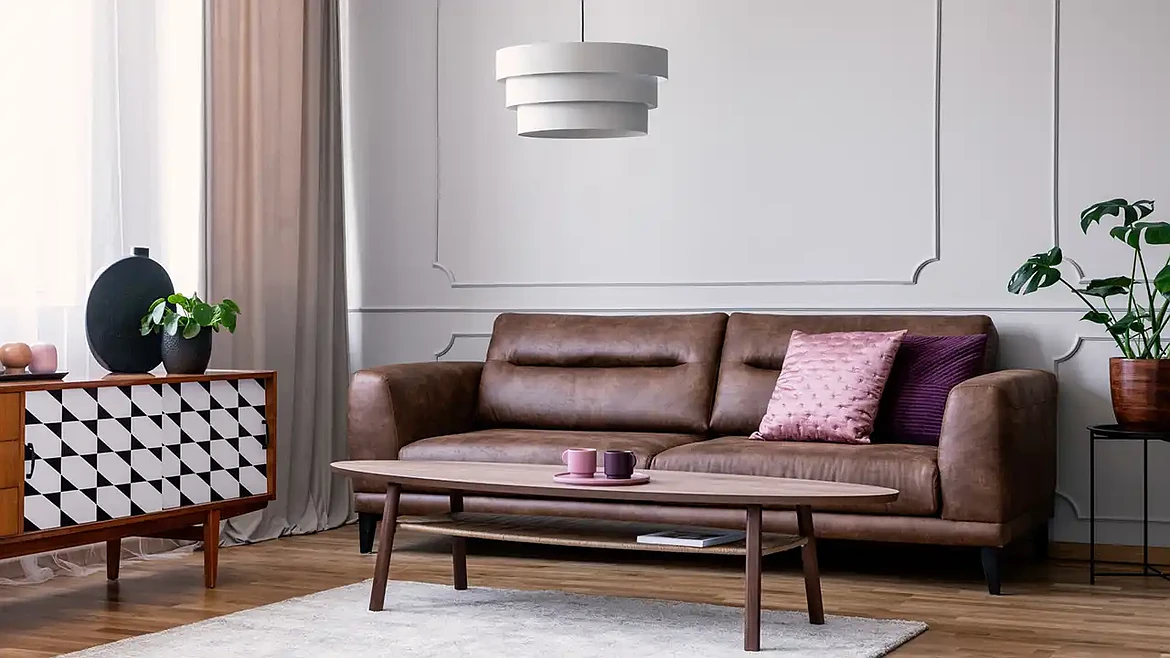
Mindful living isn't just a wellness buzzword anymore. It shows up in the way people pick a sofa, repaint a bedroom, or decide whether to buy something secondhand instead of brand-new.
A GlobeScan survey in 2025 found that nearly half of Americans had bought an eco-friendly product in the past month. That's not a passing trend, it's everyday behavior.
The change goes deeper than it looks. It's about how a space feels when you step inside: uncluttered, comfortable, and calming.
More homeowners are asking a blunt question before they buy: Does this actually make my life better? That mindset leads to rooms that feel less crowded and more personal.
Why Is Mindful Living Influencing Home Design Trends?
Mindful living is about paying attention to the choices you make and the environment you create around yourself. This way of thinking often extends to the home, where each object has a role in shaping how a space feels and works. Instead of filling rooms with things just because they look nice, more people are choosing items that serve a purpose and genuinely improve daily life.
This shift is changing how people approach decorating. Instead of following every new trend, homeowners are asking a simple question: "Does this make my life better?"
This perspective often leads to spaces that feel cleaner, calmer, and more personal.
Emotional connection has become a key consideration. People gravitate toward pieces that have meaning: a handmade table, a vintage lamp, or a family heirloom. These items give a home character and warmth, making it feel lived-in rather than staged.
Simplicity ties it all together. Softer colors, open layouts, and fewer distractions create a natural sense of calm. When a room isn't visually overwhelming, it's easier to relax-and that is exactly what people are seeking in their homes today.
Wellness-Inspired Decor and Its Growing Appeal
Wellness-inspired decor is about creating spaces that feel good to be in, not just look good. Key elements often include natural textures, indoor plants, and calming colors that bring a sense of peace and balance to any room.
Adding natural materials, even small touches like a potted plant or a wooden bowl, can lift your mood and help reduce stress throughout the day. Comfort matters too; furniture that supports the body and soft, breathable fabrics make a space feel welcoming, cozy, and restorative.
Scent and sound complete the experience. Candles, essential oils, and cozy textiles help turn a home into a retreat you actually want to spend time in and return to again and again.
The Emotional Impact of a Mindful Home
A well-designed, intentional space can have a big impact on a person's mental health. Cluttered rooms often create stress and distraction, while organized, purposeful spaces make it easier to focus and relax.
Intentional design also gives you a sense of control. In a fast-paced world, a calm, organized home can feel like a sanctuary; a place to recharge and reconnect with yourself.
Personal touches matter. A mindful home reflects who you are, not what's trendy. This authenticity can lift your mood and strengthen your sense of identity.
It also encourages healthier daily habits. When spaces are planned with care, routines like getting enough sleep, carving out quiet time, or staying focused on work feel easier to maintain. Over time, this can really improve your overall quality of life.
Finally, mindful spaces can improve relationships. Calm, organized environments make it easier to connect, communicate, and enjoy time with family or housemates.
How Are Sustainable Choices Shaping Modern Interiors?
Sustainability is one of the strongest drivers behind this shift. As awareness of environmental impact grows, eco-friendly furnishings are becoming a top priority for many households. This includes everything from responsibly sourced wood to recycled materials and low-impact manufacturing processes.
Consumers are also paying closer attention to durability. Fast furniture is losing appeal as people opt for long-lasting pieces that reduce waste over time. Investing in fewer, better-quality items aligns closely with the principles of mindful living.
Sustainable home decor extends beyond materials. It also includes production ethics, packaging, and the product's overall lifecycle. Shoppers are researching brands and choosing those that reflect their values.
Retailers are responding to this demand. Stores like Wayside Furniture & Mattress are seeing increased interest in pieces that combine comfort, longevity, and responsible sourcing. This reflects a broader industry shift toward transparency and sustainability.
Frequently Asked Questions
What Is Mindful Living in the Context of Home Design?
Mindful living in home design focuses on creating spaces that support:
- Well-being
- Functionality
- Intentional use
It involves choosing items that add value and meaning rather than simply filling space.
How Can I Balance Aesthetics With Purpose?
One of the defining features of mindful living is the balance between beauty and functionality.
This mindset encourages versatility. Multi-functional furniture is becoming popular, especially in smaller spaces. Items that can adapt to different needs help maximize both space and value.
Color choices are also more intentional. Rather than following bold trends, many people are opting for timeless palettes that promote calm and cohesion. This ensures that spaces remain relevant and soothing over time.
Are Eco-Friendly Furnishings More Expensive?
They can have a higher upfront cost, but they often last longer and provide better value over time. This makes them a more sustainable investment in the long run.
Can Mindful Living Work In Small Spaces?
Yes, mindful living is especially effective in small spaces. Intentional space planning and multi-functional furniture can help maximize both comfort and usability.
Before buying, people also ask whether an item serves a clear purpose. If it does not, it is less likely to make it into the home.
Embracing Mindful Living for a More Intentional Home
Mindful living continues to reshape how people approach home furnishing choices in meaningful and lasting ways. By prioritizing intention, sustainability, and well-being, homeowners are creating spaces that truly support their lifestyles. This shift is not about perfection, but about making conscious decisions that align with personal values.
Looking for more insights on mindful living and home design trends? Explore our website for the latest tips and inspiration.
This article was prepared by an independent contributor which helps us continue delivering quality content to our audiences.