
Trends in industrial safety: How companies are reducing gas exposure risks
Amy Kang | Coeur d'Alene Press | UPDATED 2 months, 1 week AGO
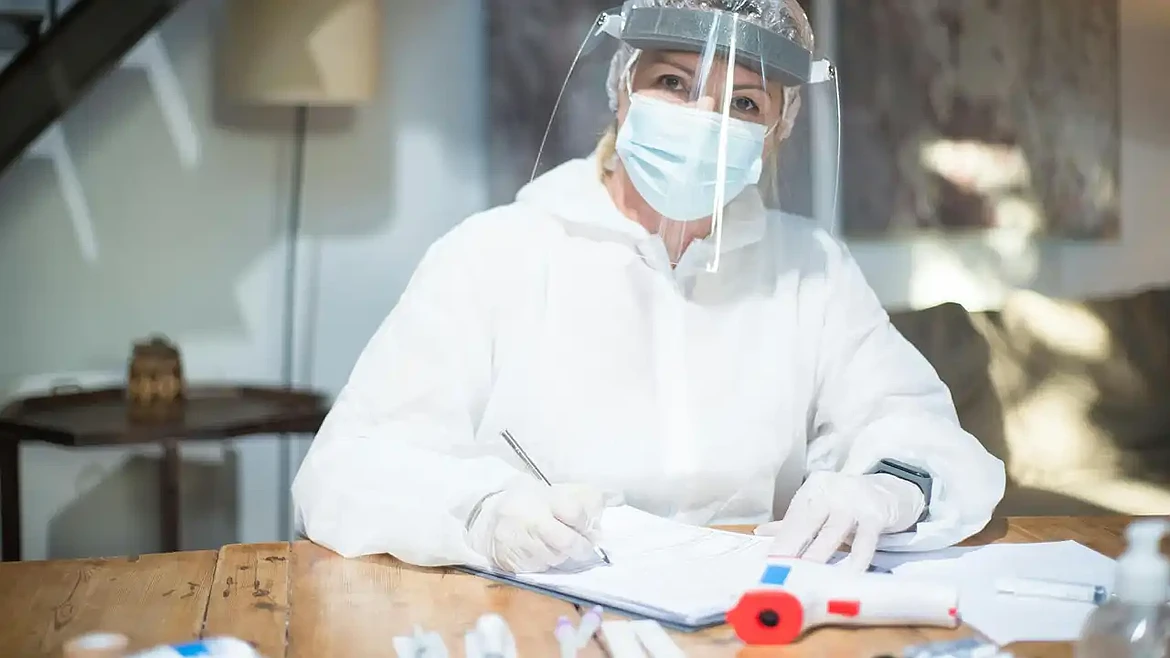
Gas exposure risks are one of the most serious hazards if you work in industrial operations. As a result, companies that value worker safety are opting for advanced systems and safety protocols to reduce these risks.
As per reports from FracTracker Alliance, an average of 1.45 pipeline accidents happened daily in 2024. These incidents may have happened due to faulty valves or corroded pipes, leading to workplace gas exposure.
Knowing the common sources of leaks is your first step toward preventing gas leak accidents. You want to ensure your business and the people working there are safe.
What Are the 4C's of Safety?
If you want to create a secure work environment, you need the 4C's of safety measures in your industry. These include:
Communication
Effective communication helps your employees understand hazards and procedures to help you deal with gas risks. When your team has information, they can respond well in case of an accident. Strong communication can help you:
- Stop misinterpretation
- Focus on early problem-solving
- Create a culture where your employees feel confident to speak up
It keeps everyone in your company aligned and minimizes delays in safety responses. Ensure you have accessible safety information about gas exposure.
Commitment
Commitment shapes how seriously your team approaches safety. When leaders clearly focus on the health and safety of their employees, they set the tone for the whole workforce. As a result, everyone in your company adopts this attitude.
Competence
Competence means your team has the right skills and knowledge to stay safe within the company. Employees who are competent in gas risk management can:
- Recognize hazards
- Follow safety procedures correctly
- Make informed decisions during routine and unexpected gas exposure situations
With a competent team, you don't have to worry about them relying on guesswork to stay safe. As part of industrial gas safety, they will always apply best practices.
Compliance
Compliance creates a structured framework that guides safe behavior in your workplace. When your company follows these requirements, they prevent accidents that may lead to legal liability.
What Are the Risks of Gas Safety?
If you're in industrial production, you know that gas exposure can be highly hazardous. Here are some risks of workplace gas exposure:
Explosion Accidents
An explosion happens when an element within your company undergoes a violent physical or chemical change in the shortest time. If your company deals with combustible gases, you face this risk. Some of these gases include:
- Methane
- Acetylene
- Hydrogen
When these gases leak, they form a mixture with air within their explosive limits. If you expose them to open fire, there will be an explosion.
Poisoning Accidents
Toxic gases can get into your body through the skin or respiratory tract, causing damage. You have to deal with acute poisoning because of:
- Chlorine
- Hydrogen sulfide
- Carbon monoxide
Inhaling these gases can damage your organ function. Reports from the National Institutes of Health show that involuntary exposure to carbon monoxide accounts for over 100,000 emergency department visits.
Suffocation
Gas exposure can lead to suffocation accidents. They happen when there are low oxygen levels in your space due to poor ventilation.
Suffocation happens mostly with inert gases. While they're usually non-toxic, they can reduce oxygen supply in the air.
How Can Companies Reduce Gas Exposure Risks?
If your company deals with any gas exposure, you need to optimize safe operations. Here are some gas exposure prevention strategies you can adopt to ensure safety:
Get Proper Training
One of the most important safety tips for handling dangerous gases is effective training. It helps teach your team how to handle dangerous gases.
Invest in Personal Protective Equipment
Personal protective equipment (PPE) plays an important role in ensuring safety if you work around gases. Here are some PPE items you need:
- Protective gloves
- Foot protection
- Eye protection
- Respiratory protection and ventilation equipment
This equipment can help protect workers from dangerous gas exposure. The type you will use will depend on the type of gas in your company.
Focus on Leak Detection and Monitoring
Long exposure to dangerous gases can lead to physical and neurological damage. If you want to reduce these effects, you need to invest in leak detectors.
This equipment helps you notice gas leaks before they cause extreme damage. If you're interested, you can buy RKI gas detection equipment here.
Consider Ventilation and Airflow
When exposed to heat, gases easily explode or cause fires. Part of gas risk management involves making your company a well-ventilated space to protect your employees and business.
Frequently Asked Questions
How Long Does It Take to Get Sick from Gas Exposure?
If you're exposed to high concentrations of carbon monoxide, it can take you less than five minutes to get poisoned. However, the time of poisoning may take longer under lower concentrations. Exposure for an hour to two hours can cause poisoning.
Some of the early warning signs of carbon monoxide poisoning you may experience include nausea, shortness of breath, and headaches. Visit the ER as soon as you experience any of these symptoms.
What Are the First Signs of a Gas Leak?
When gas leaks in your company, you may notice white mist or fog. It's a sign of a ruptured gas line. This situation happens when the pressurized gas escapes and quickly cools the surrounding air, causing condensation.
Hearing hissing or whistling sounds can also lead to a gas leak. Once you notice these signs, you should quickly evacuate the area and call industrial gas safety emergency services.
Can a Small Gas Leak Make You Sick?
Gas exposure can lead to short-term and long-term health conditions. You may suffer from:
- Migraines
- Dizziness
- Nausea
- Respiratory irritation and asthma
- Cardiovascular conditions, like chest pain
- Neurological conditions, like impaired motor function
- Mood disorders, such as depression and anxiety
This exposure is especially harmful to vulnerable groups, like kids, pregnant women, and the elderly.
Protect Your Business from Gas Exposure Risks
Gas exposure often goes unnoticed in companies. This situation happens because most gases are colorless and odorless. If you want to ensure workplace safety, you need to invest in specialized equipment.
Subscribe to our email list to learn more about industrial safety.
This article was prepared by an independent contributor which helps us continue delivering quality content to our audiences.