
A Life in Studio: The forgotten art of Marge Dodge
ELSA ERICKSEN | Hagadone News Network | UPDATED 7 hours, 41 minutes AGO
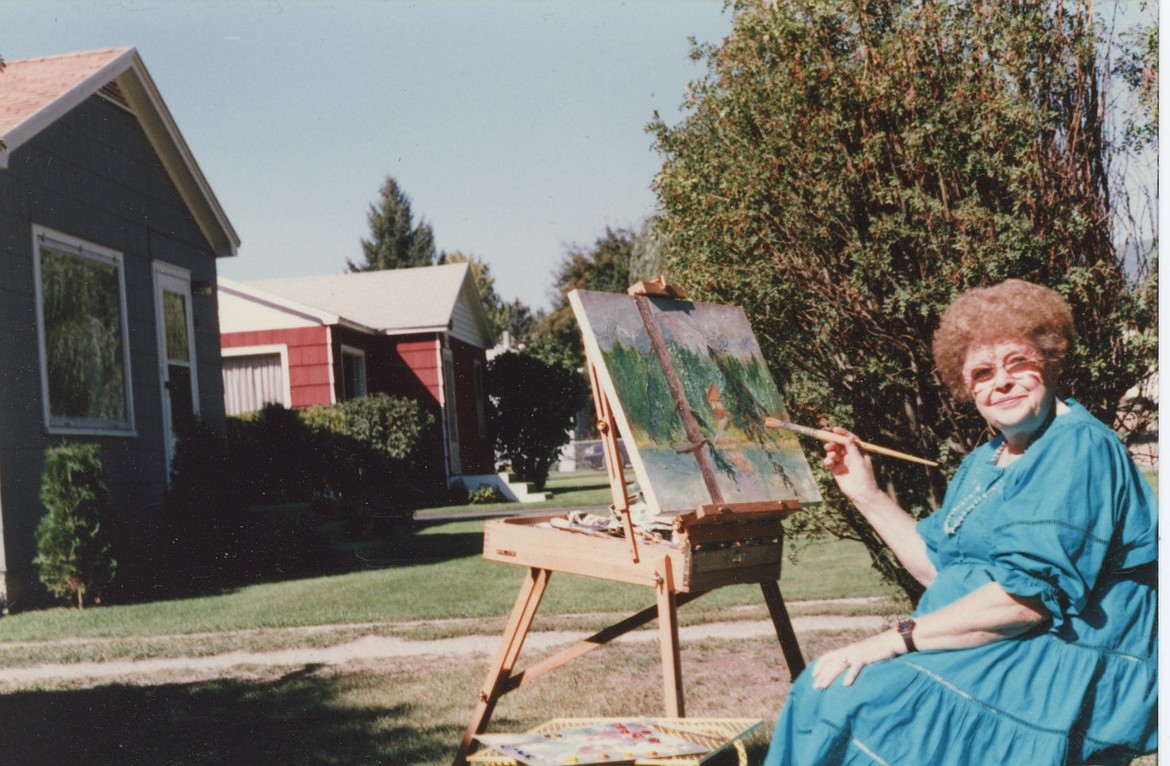
Marge Dodge painting in front of her home in Missoula in 1980 (Courtesy of the Marge Dodge Estate)
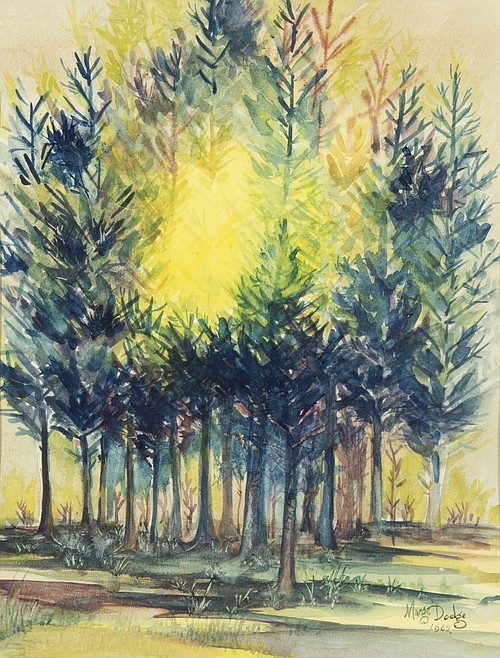
Tree Thesis Series, Blue Trees With Sun, 1962, watercolor on paper (Courtesy of the Marge Dodge Estate)
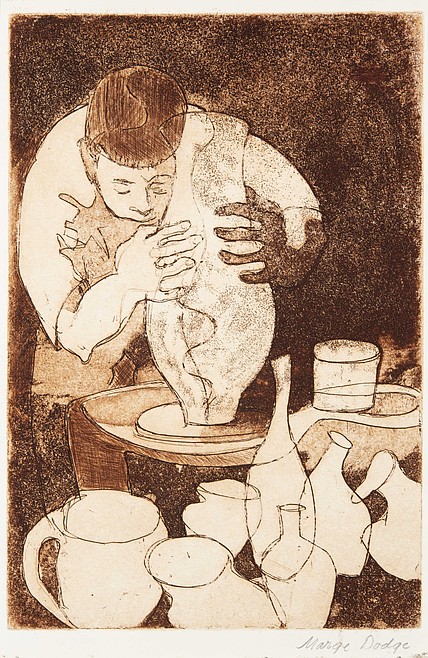
The Potter, date unknown, collograph print (Courtesy of the Marge Dodge Estate)
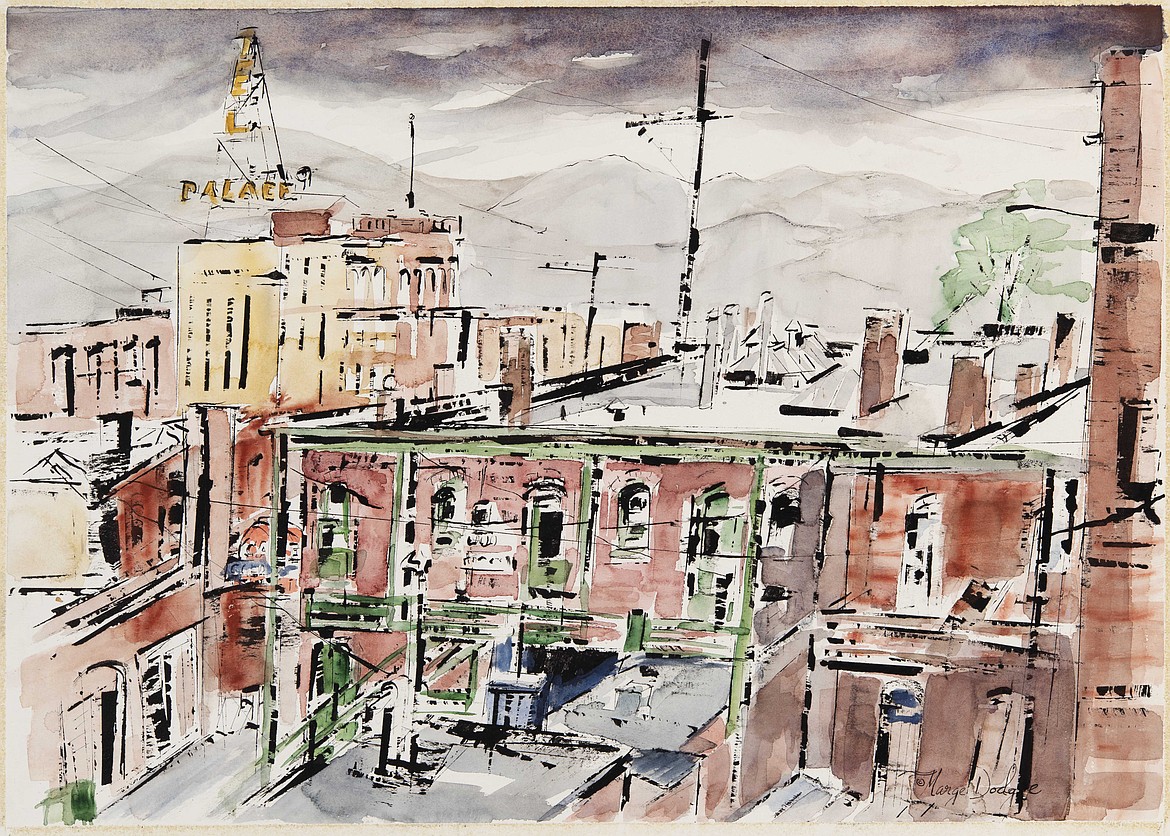
The Palace, c. 1970, watercolor on paper, (Courtesy of the Marge Dodge Estate)
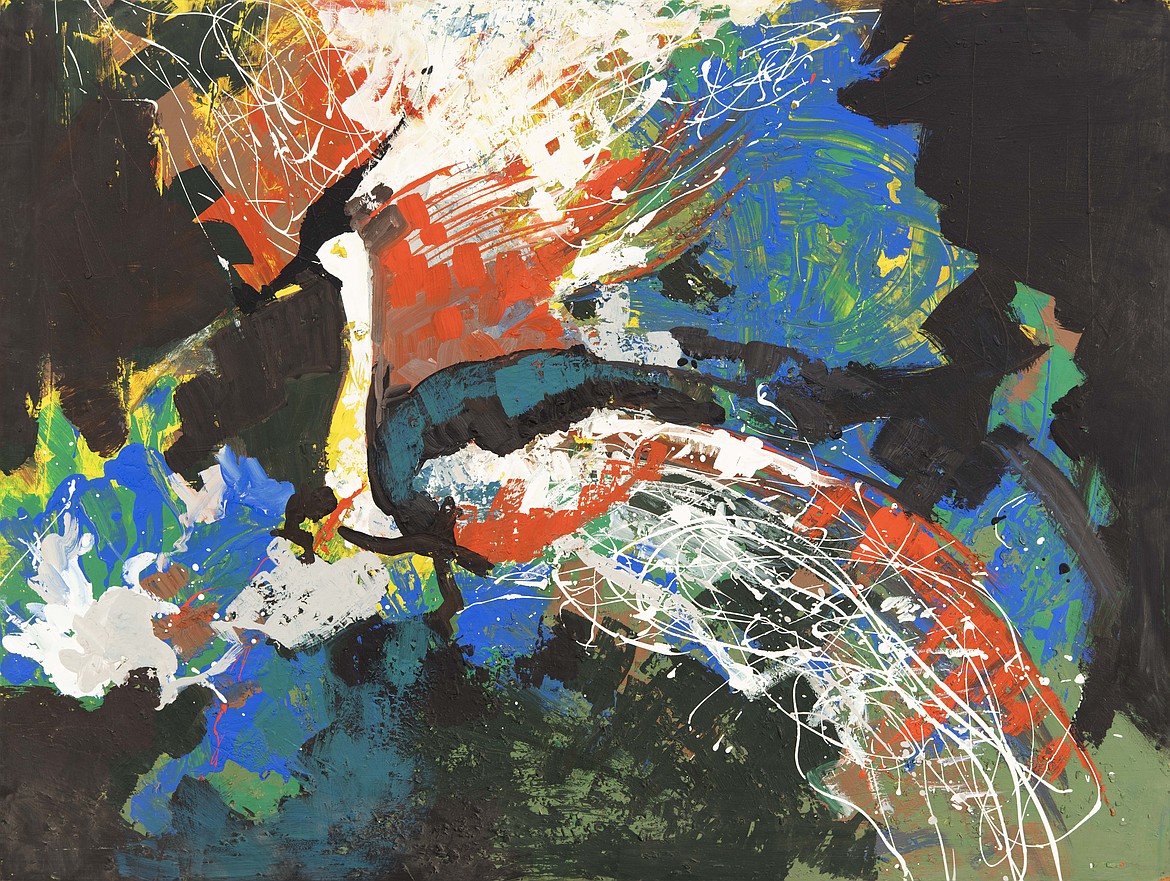
Peacock, 1959, Acrylic on Masonite (Courtesy of the Marge Dodge Estate)
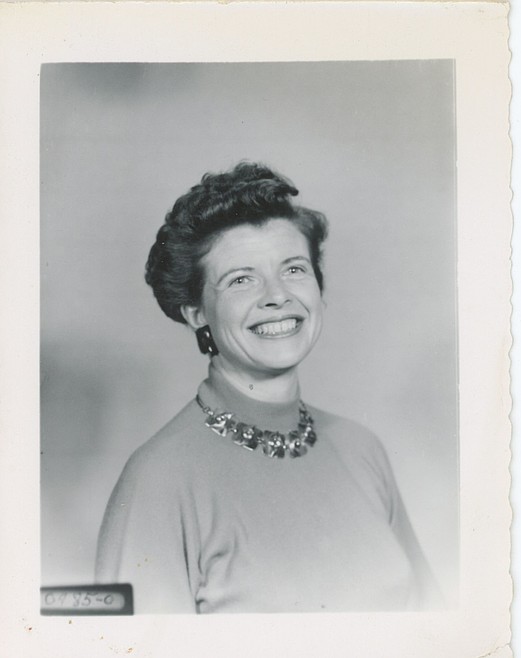
Marge Dodge was an artist and also taught at Missoula County High School (Courtesy of the Marge Dodge Estate)
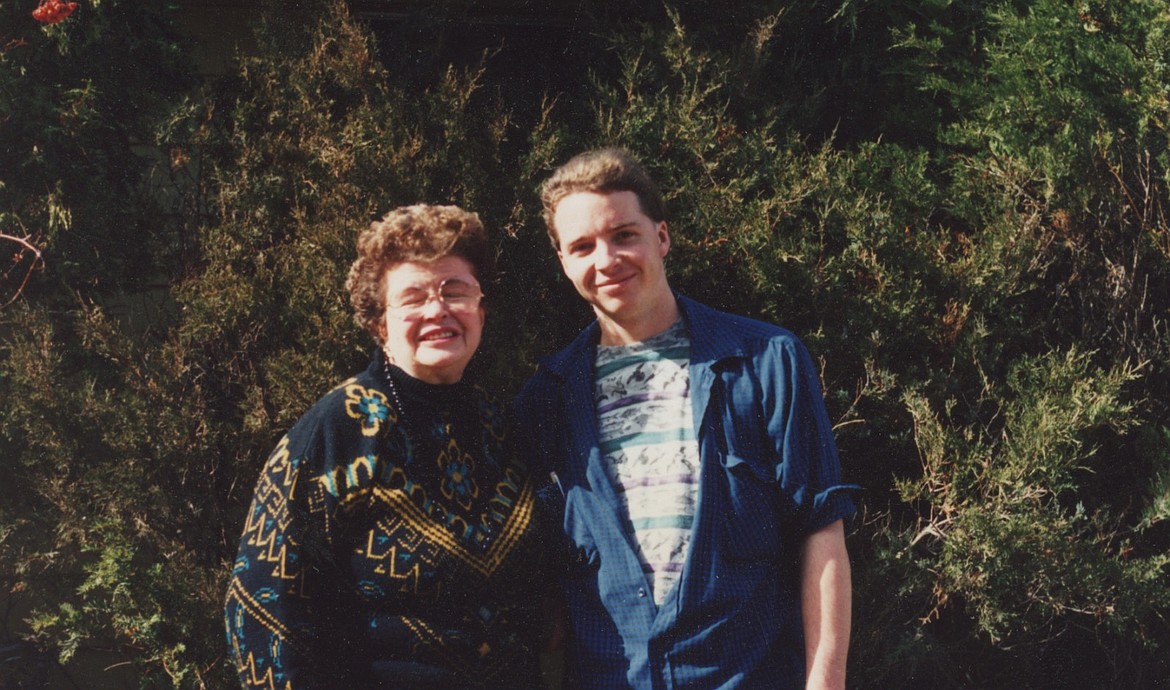
Marge Dodge and her grandson Chris LaRoche in 1990 (Courtesy of the Marge Dodge Estate)
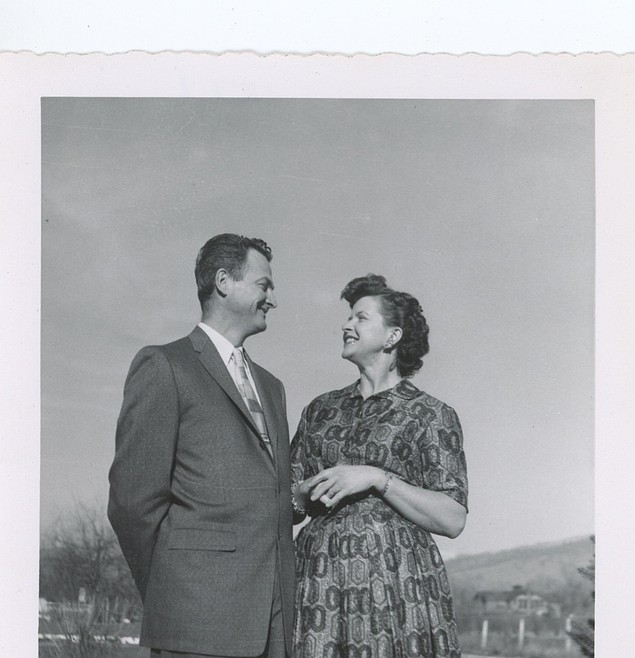
Dr. Harold "Rodney" Dodge married Marge Gilbertson in 1942 (Courtesy of the Marge Dodge Estate)
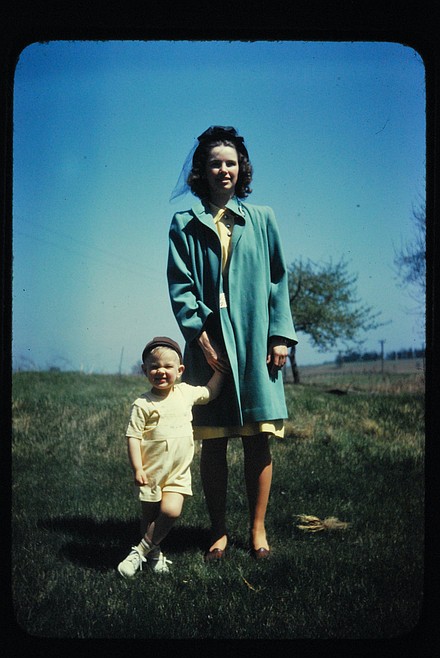
Marge Dodge and her son Don Dodge in 1943 (Courtesy of the Marge Dodge Estate)
Missoula in the 1950s was alive with a new artistic energy. Abstract expressionism emerged in New York City in the 1940s, and a decade later, this radical art form arrived on the slopes of the Rocky Mountains.
A small band of artists in Missoula embraced the new style with its bold colors and abstract subjects, marking a departure from the classical depictions of Western landscapes.
This was the pivotal moment Marge Dodge found herself in when she arrived in Montana in 1954. A prolific artist in her own right, Marge was drawn into this circle of visionary creatives. Yet while these artists would be remembered decades later as the foundation of the Montana Modernist movement, Marge’s work remained in obscurity.
That is, until her determined grandson, Chris LaRoche, uncovered more than 1,000 pieces of artwork hidden away in his grandmother’s house.
When Dodge died in 2003, LaRoche discovered the full extent of his grandmother’s artistic pursuits. Buried under decades of clutter, LaRoche rescued painting after painting. He found watercolor landscapes and oil portraits and encaustic paintings and ceramic sculptures. The growing collection traversed decades and reflected pivotal eras in American art history.
Now, a small fraction of Marge’s work is on display at the Glacier Art Museum. The exhibit, titled “A Life in Studio,” brings together roughly 70 paintings and ceramic sculptures for Marge’s first gallery showing in over 40 years.
“Her work and her story, it's kind of a missing puzzle piece telling the story of Montana artists, and particularly of women artists in that time period,” said Glacier Art Museum Executive Director Alyssa Cordova. "Her work is quite a range of different styles and mediums. You can see some of those influences of different movements through the decades in her work. So, it's kind of like a visual timeline.”
For LaRoche, these paintings fill out the edges of his grandmother’s life. Marge was charismatic, a flamboyant artist and socialite, yet LaRoche felt he didn't understand the full picture.
“This project is the culmination of a lifelong, personal quest to understand this enigmatic person in my life,” LaRoche wrote in an introduction to the exhibit. “I knew the artist as my grandmother, and we were close, but she was still a mystery. Her art has helped unravel a complex character.”
Born Marguerite Gilbertson in Stoughton, Wisconsin, in 1918, Marge’s idyllic childhood inspired early paintings of pastoral landscapes and delicate watercolors of common birds. She displayed a propensity for art from a young age and received a scholarship to attend the Layton School of Art in Wisconsin. Now defunct, the school was then considered one of the top five art schools in the country.
Marge thrived in her new creative community. While at the Layton School, she recruited three other women to form a partnership they called “The Easelists.” The four young women, unmarried and unchaperoned, traveled around the Midwest as nomadic artists. They struck up conversations with strangers and painted oil portraits of common people.
The next years of Marge’s life passed by in pastel colors and soft edges. She painted tranquil landscapes and married Harold “Rodney” Dodge in Georgia in 1942. Rodney was a brilliant entomologist and as prolific in his science as Marge was in her art. While he traveled throughout the Caribbean identifying insects, Marge studied at the Atlanta Art Institute in Savannah and painted their two children, Carole and Don, playing on sandy beaches.
AS THE calendar flipped to a new decade, though, Marge’s art shifted seismically as her personal life slipped out of her control.
In the 1950s, Rodney was at the top of his field, the world’s leading authority on the Sarcophagidae family of flies, but as the years of their marriage progressed, he suffered from increasingly frequent mental health episodes. A late diagnosis of schizophrenia provided answers but no solutions.
According to family legend, LaRoche said, Rodney accepted a job at the Forest Insect Laboratory in Missoula. He left Marge and their two young children in Georgia and told them not to follow.
Marge didn’t listen. This was, after all, the same woman who crisscrossed the Midwest painting portraits of strangers. She loaded her two young children into a station wagon and headed West in pursuit of Rodney.
Arriving in Missoula in 1954, Marge found her runaway husband and stumbled upon the nexus of a Montana art renaissance. Orbiting the University of Montana’s Art Program, a handful of bold, experimental artists were quietly challenging the stereotypical vision of art in the American West.
“A lot of Montana art was garnered toward the western landscape,” said Chris Autio, the son of prominent Montana Modernist sculptor Rudy Autio. “You've got bears, fish, buffalo... things that artists have to do to make a living. But there's also a contingency of artists who were the backbone of abstract expressionism.”
This new generation of artists didn’t literally depict the landscape around them, but they were still inspired by the lifestyles and materials of the Rocky Mountains.
“They were using materials, common materials used for craft, like clay and fiber art printmaking, and then they were merging it with fine art and these concepts, and also, you know, their unique perspective, living and working out there in Montana,” said Cordova. “Subject matters of the landscape and mountain ranges were coming into play, but it was less direct than Charlie Russell was.”
Marge immersed herself in the dynamic Montana Modernist movement. She studied art once again, enrolling at the University of Montana, where she earned her Bachelor of Arts and Master of Fine Arts degrees. For her thesis, she experimented with encaustic painting, a complex and technical process of painting with hot wax. She collaborated with Autio and Peter Voulkos to create fine art ceramic sculptures. She found kindred spirits in fellow women artists Frances Senska and Jessie Wilbur.
The diversity of Marge’s artwork expanded rapidly. She moved beyond the tranquil landscapes and classical portraits that defined her earlier work. As she grappled with the challenges of her husband’s worsening schizophrenia, Marge turned to unorthodox colors and otherworldly subjects to convey her emotions on the canvas. This was her language when Rodney took his own life in 1973.
When LaRoche looks at the paintings from that time, he sees the specter of his grandfather. Those painful years haunted his grandmother’s work.
“It’s not just her experimenting,” LaRoche said. “It’s her representing a difficult moment in her life.”
In a recurring series featuring blue trees, Marge painted desolate backdrops and shadowy figures. LaRoche sees the hardship Marge experienced as she watched her husband slip away, but in the soft glow of the sun shining through abstract leaves, he also sees a quiet resilience.
Life in Missoula continued on. Marge taught at Missoula County High School and drove her station wagon around town. She convinced a reluctant grandson to model for her on occasion. She taught art classes at the local senior center, motivated by her belief that art should be accessible to everyone.
“She was still making art through all of those stages of life,” said Cordova. “Through it all, through her life, she was in her studio, making art, working through some of that emotion, and some of that is reflected in the work style and colors of those decades."
As the years waned on, Marge returned to the watercolor paints that inspired her craft decades earlier. In the warm summer months, she packed her art supplies into her Volkswagen camper van and wandered Western Montana in search of inspiration. When the light was right and the view demanded attention, she would take out her paints and her easel and find herself in the brushstrokes.
A collection of Marge Dodge’s art is on display at the Glacier Art Museum as part of the exhibit “A Life in Studio.” The exhibit runs through June 6. The Glacier Art Museum is located at 302 2nd Avenue, Kalispell.
Reporter Elsa Ericksen can be reached at 406-758-4459 or [email protected]. If you value local journalism, pledge your support at dailyinterlake.com/support.
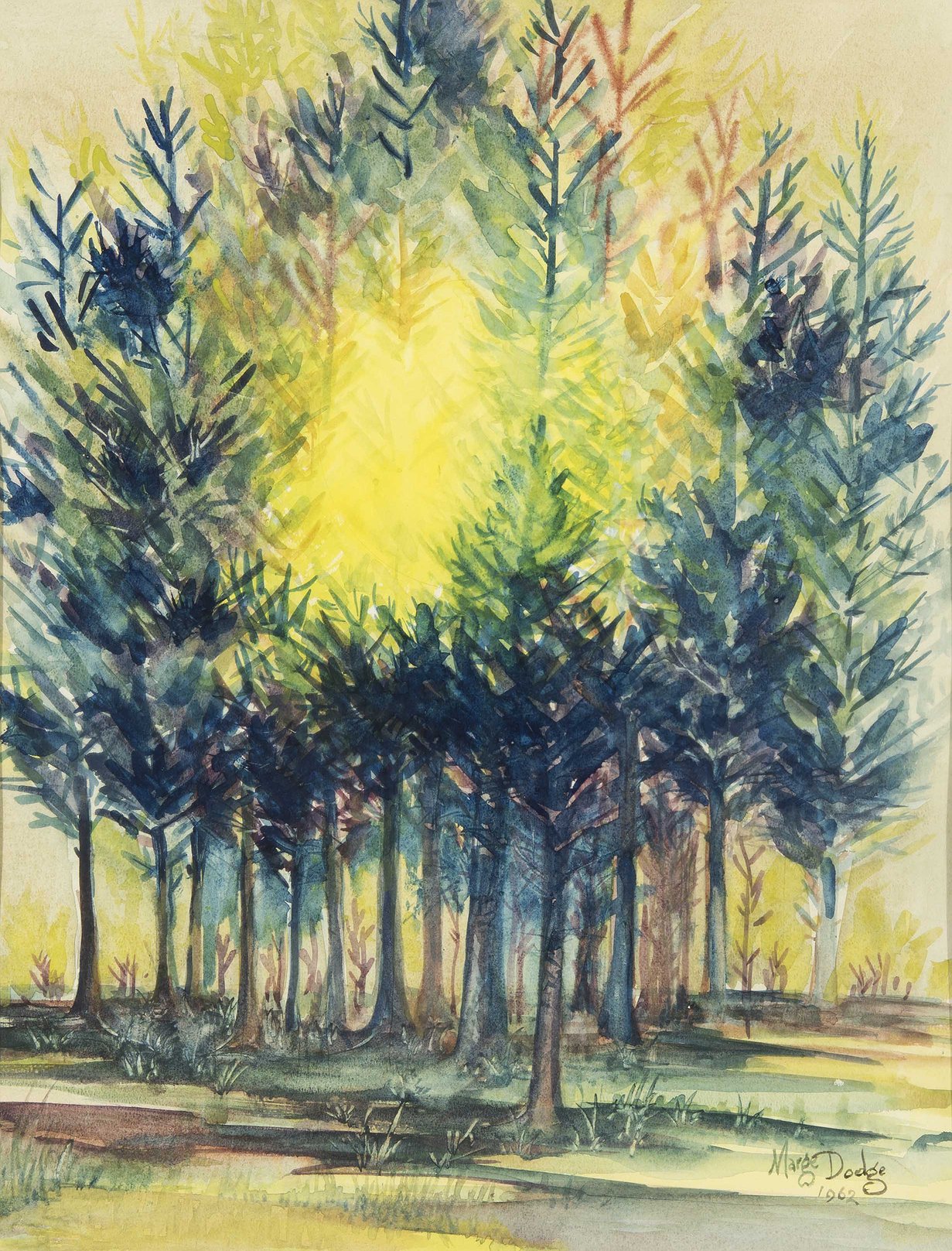 Tree Thesis Series, Blue Trees With Sun, 1962, watercolor on paper (Courtesy of the Marge Dodge Estate)
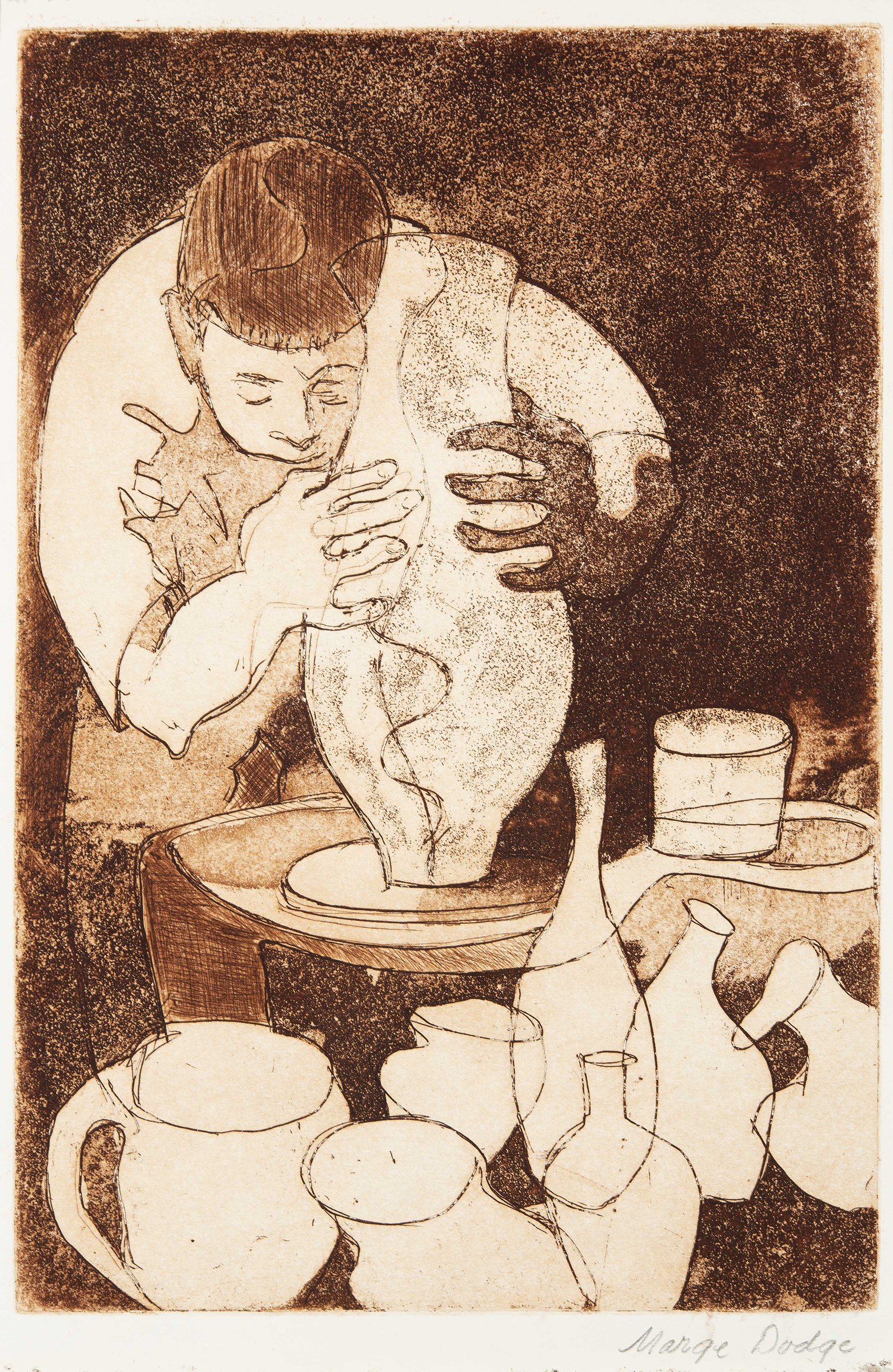 The Potter, date unknown, collograph print (Courtesy of the Marge Dodge Estate)
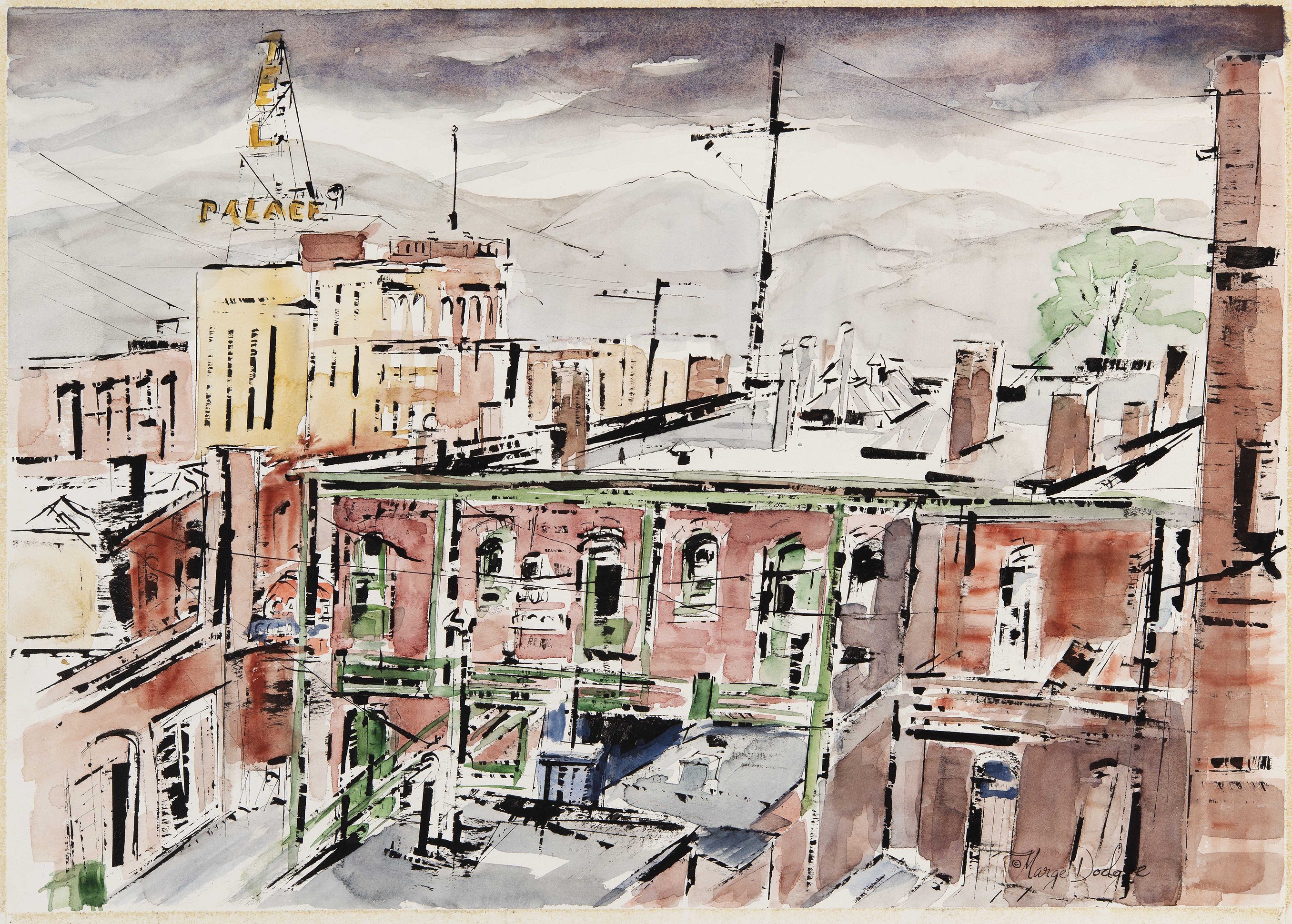 The Palace, c. 1970, watercolor on paper, (Courtesy of the Marge Dodge Estate)
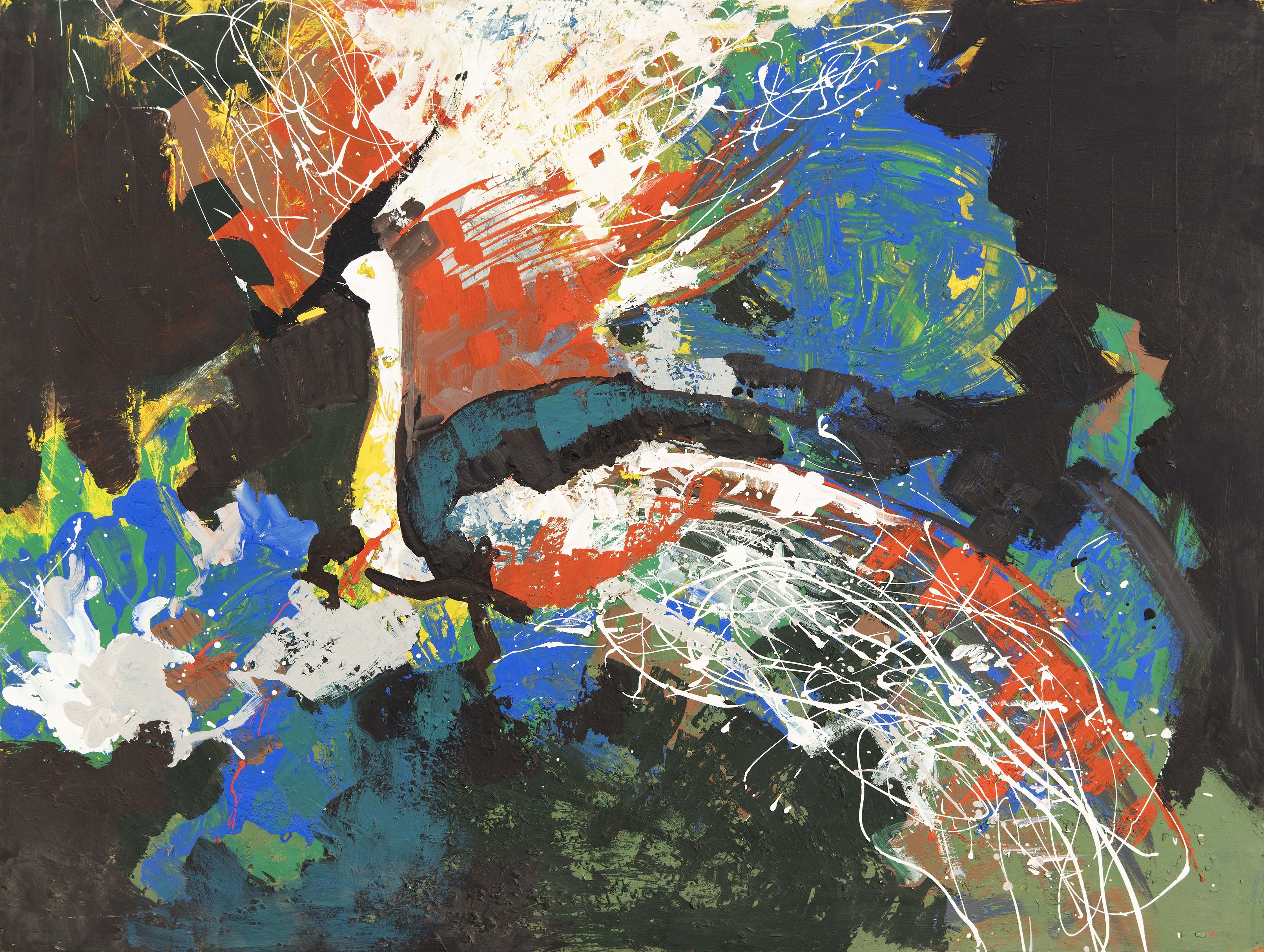 Peacock, 1959, Acrylic on Masonite (Courtesy of the Marge Dodge Estate)
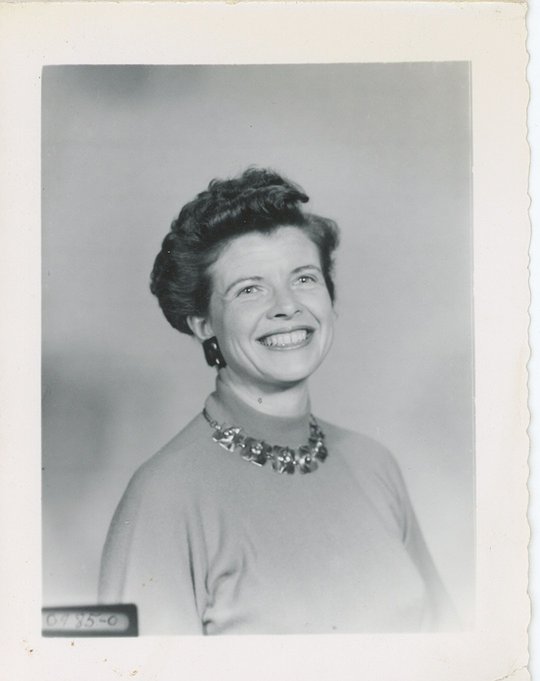 Marge Dodge was an artist and also taught at Missoula County High School (Courtesy of the Marge Dodge Estate)
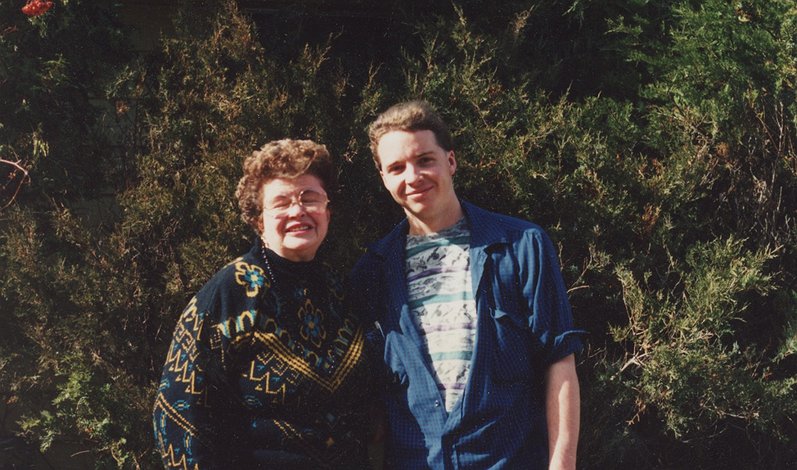 Marge Dodge and her grandson Chris LaRoche in 1990 (Courtesy of the Marge Dodge Estate)
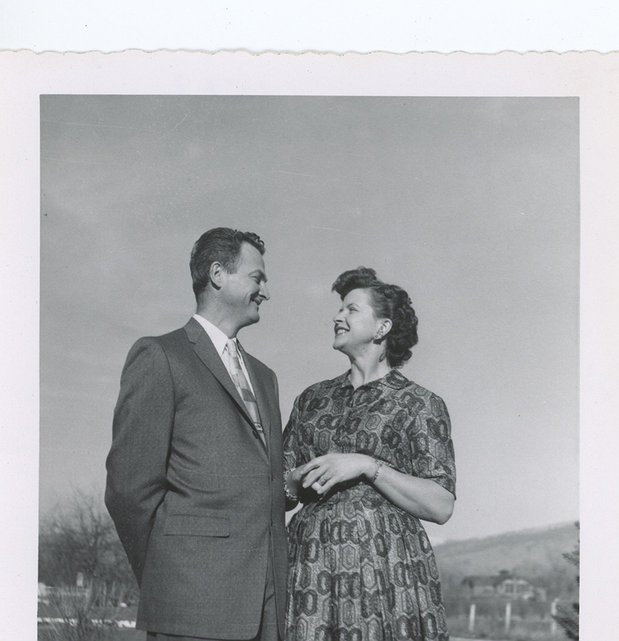 Dr. Harold "Rodney" Dodge married Marge Gilbertson in 1942 (Courtesy of the Marge Dodge Estate)
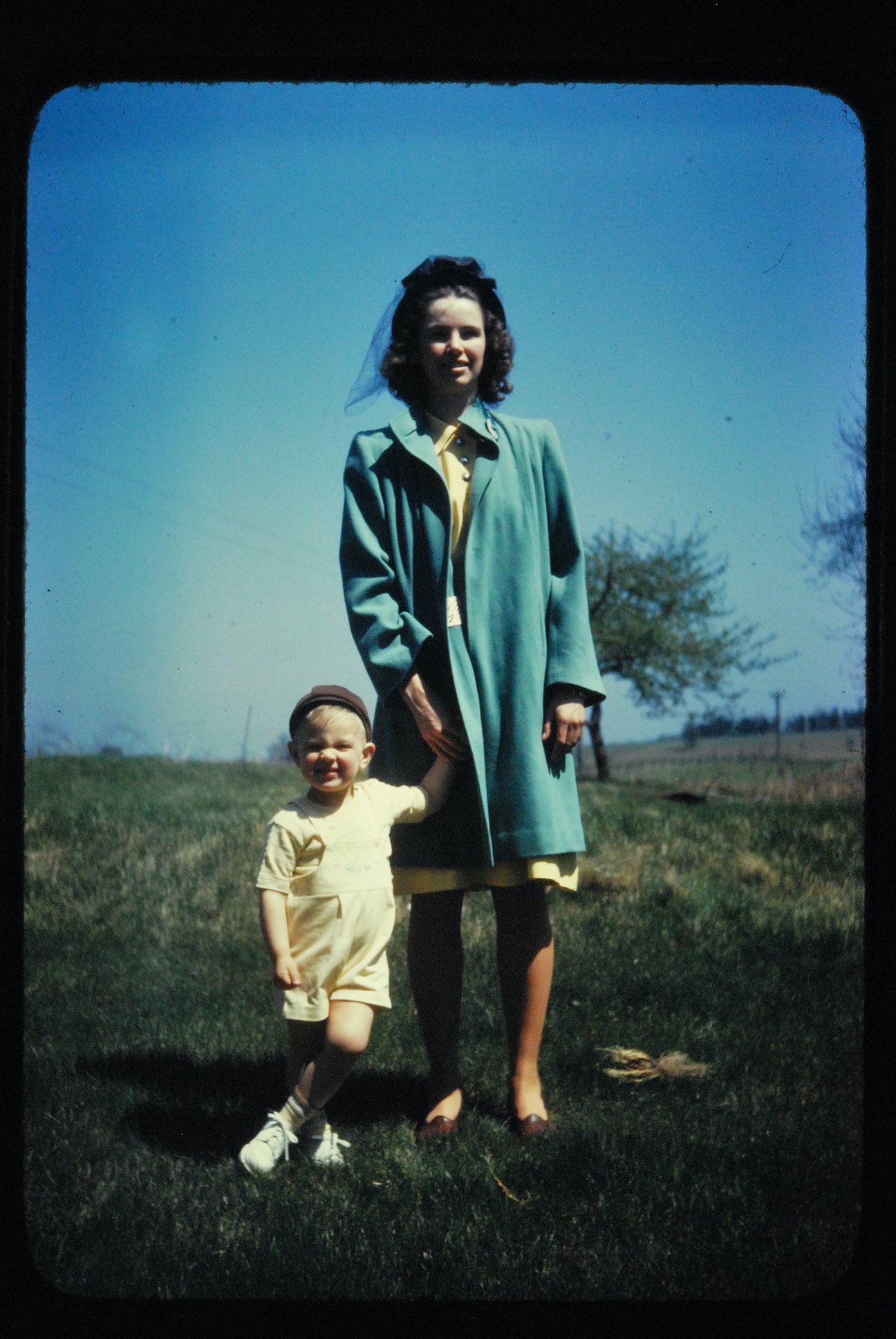 Marge Dodge and her son Don Dodge in 1943 (Courtesy of the Marge Dodge Estate)
ARTICLES BY ELSA ERICKSEN
A Life in Studio: The forgotten art of Marge Dodge
This was the pivotal moment Marge Dodge found herself in when she arrived in Montana in 1954. A prolific artist in her own right, Marge was drawn into this circle of visionary creatives. Yet while these artists would be remembered decades later as the foundation of the Montana Modernist movement, Marge’s work remained in obscurity.

Future of Sliter Park up in the air as county debates lease renewal
Flathead County commissioners are once again weighing whether to renew a lease for downtown Bigfork’s Everit L. Sliter Memorial Park.

Bigfork man accused of shooting gun in parking lot hit with felony charge
An 81-year-old man is facing a felony charge in Flathead County District Court for allegedly firing a gun in the Bigfork Harvest Foods parking lot in March.