
JFAC voted to withhold more than $50 million from general fund, opting for larger bottom line
ROYCE MCCANDLESS / Coeur d'Alene Press | Bonner County Daily Bee | UPDATED 1 month, 1 week AGO
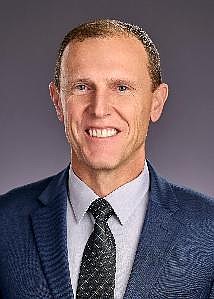
Woodward
BOISE — Throughout the legislative session, leadership on the Joint Finance-Appropriations Committee has framed 2% cuts to state agencies for the next fiscal year as a necessary action to ensure the state’s budget was in a “structurally sound” position.
On Wednesday, however, the committee voted to have tens of million in funds held in the state’s Budget Stabilization Fund that would have otherwise been automatically transferred to bolster the coming year's bottom line.
Existing code outlining the function of the Budget Stabilization Fund, also known as Idaho’s rainy day fund, states the balance shall not exceed 15% of the total general fund for the ending fiscal year. For fiscal year 2027, this amount would be based upon the fiscal year 2026 revenue, which JFAC projected at $5.51 billion.
If exceeding this 15% threshold, the state controller is directed to transfer this money to the general fund unless the legislature acts to reduce the amount of the transfer, which JFAC initiated on Wednesday.
This stabilization fund balance currently sits at $880.2 million. When compared to a projected general fund revenue of $5.51 billion for fiscal year 2026, this amounts to a difference of $53.7 million beyond the 15% cap.
“It makes no sense to me that we would set aside code and not put this money in the general fund, especially when we have cut budgets to the bone and then some,” Sen. Janie Ward-Engelking, D-Boise, said.
This amount of budget stabilization funds that would have otherwise been moved automatically is well above the $30.1 million in ongoing 2% cuts JFAC initially approved for most state agencies in fiscal year 2027. Though several restorations, including those for wildfire suppression, were fully or partially enacted by the body in the time since, this was not true for every agency.
In the case of Idaho's colleges and universities, JFAC voted against restoring a 2% ongoing cut, or $7.3 million general fund reduction for these institutions.
“We should have been budgeting for this on the green sheet from the start of session,” Keith Bybee, budget and policy division manager of the Legislative Services Office said in reference to the daily budget update form issued by LSO. “… With the revenue number that the legislature adopted, that would have triggered an automatic transfer from the budget stabilization fund in 2027 back to the general fund.”
Bybee said this has not been an issue until the last two sessions when the legislature saw hundreds of millions of dollars in budget surpluses that resulted in this stabilization fund hitting the 15% cap. These were both years that did not see broad agency cuts to state agencies, as was the case this legislative session.
Sen. Melissa Wintrow, D-Boise, questioned why the body wouldn't want the excess funds automatically transferring to the general fund, given the budget constraints of this session. Bybee responded it was a policy decision by the body to leave excess funds on the bottom line for the coming fiscal year.
Last week JFAC advanced a series of cash transfers that will only take place if the state’s general fund balance falls below $150 million. JFAC co-chairs Sen. Scott Grow, R-Eagle, and Rep. Josh Tanner, R-Eagle, said the intent is to ensure the state has a "cushion" heading into next year.
Sen. Jim Woodward, R-Sagle, took issue with the committee's course of action and said the 15% cap on the budget stabilization fund was in place to ensure current taxpayers have their dollars appropriately utilized in the present.
"We are asking today's taxpayers to take care of tomorrow's taxpayers' problems," Woodward said. "The people who are putting money in this budget stabilization fund today may not be Idahoans when it gets spent."
Despite reservations voiced by several committee members on not allowing for the automatic transfer to take place, JFAC voted 16-4 to hold the excess budget stabilization funds for the next fiscal year. Ward-Engelking, Wintrow, Rep. Brooke Green, D-Boise, and Rep. Rod Furniss, R-Rigby, each voted against.