
Recycling is not limited to what’s in household bins
SUZANNE TILLEMAN University of Montana | Daily Inter-Lake | UPDATED 4 days, 7 hours AGO
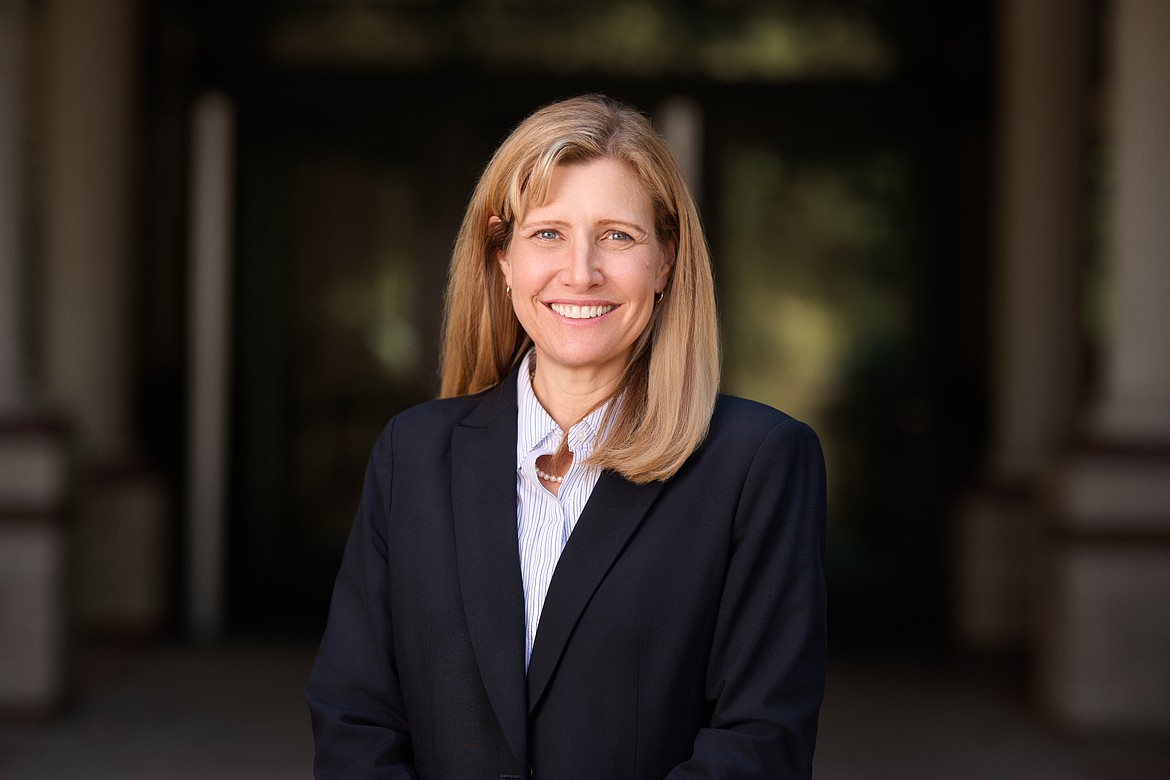
Suzanne Tilleman
In addition to being Dean at the UM College of Business, I am also a mechanical engineer and have conducted research on alternative energy supply chains. My research explores creating value from waste through industrial symbiosis, in which one organization’s excess resources become another’s useful inputs. I study the combined economic, environmental, and regional development benefits.
So, what does the research say? Is there cash in that trash?
My own research with co-authors says yes. We studied companies in the United Kingdom and found financial gains in supply chains through increased sales, cost savings, employment, and business development. We also found that wood-based exchanges were especially likely to produce gains in sales, cost savings, and business growth.
This is a familiar idea in the Flathead. Anyone in the timber industry knows what happens when you turn a round tree into a square beam: you produce lumber and residue. Chips, sawdust, bark, and shavings are part of the process. These materials then move into other product streams, including pulp and paper, engineered wood products like particleboard, pellets, and other biofuels. In an industry with narrow margins, these byproducts generate significant revenue.
That is one reason recycling deserves a broader definition. It is not limited to what households sort into bins each week. It includes practical work to capture value from existing materials, reduce disposal costs, lower demand for new inputs, and extend the life of resources already moving through the economy.
In a place like Northwest Montana, that matters.
Responsible forest management supports housing, jobs, and forest health. It also supports fire management. Full use of harvested timber strengthens the connection between active forest management and the industries that depend on it. Less waste in the process means more value from the same resource base.
Montana offers another example, and it is a striking one.
Most people in our corner of the state think of blue water and picture Flathead Lake. Another blue lake sits in Butte. The Berkeley Pit has long been known as an environmental problem. It is now also part of research into recovering rare earth elements from mine waste. Those materials matter for medical technology, electric vehicles, magnets, satellites, and defense systems. That makes recycling and recovery part of a larger national conversation about supply chains and security.
That point is getting harder to ignore
The United States depends heavily on foreign sources for many critical minerals.
Recovering valuable materials from waste streams, mine tailings, and discarded electronics helps build domestic supply. It also reduces pressure on new extraction and builds resilience in the system. Recycling, in that sense, reaches beyond environmental stewardship. It supports manufacturing capacity and national security. That is why this issue deserves more attention than it usually gets. Recycling lowers costs.
Recycling creates revenue. Recycling strengthens supply chains. Recycling helps industries like timber use every input more fully. Recycling also helps the country recover materials it needs for manufacturing and our digitally enabled lives.
There really is cash in that trash.
Suzanne Tilleman is the Sprunk and Burnham Endowed Dean at the College of Business at the University of Montana.