
How traditional classrooms foster peer collaboration and academic discipline
Haley Crim | Bonner County Daily Bee | UPDATED 1 month, 1 week AGO
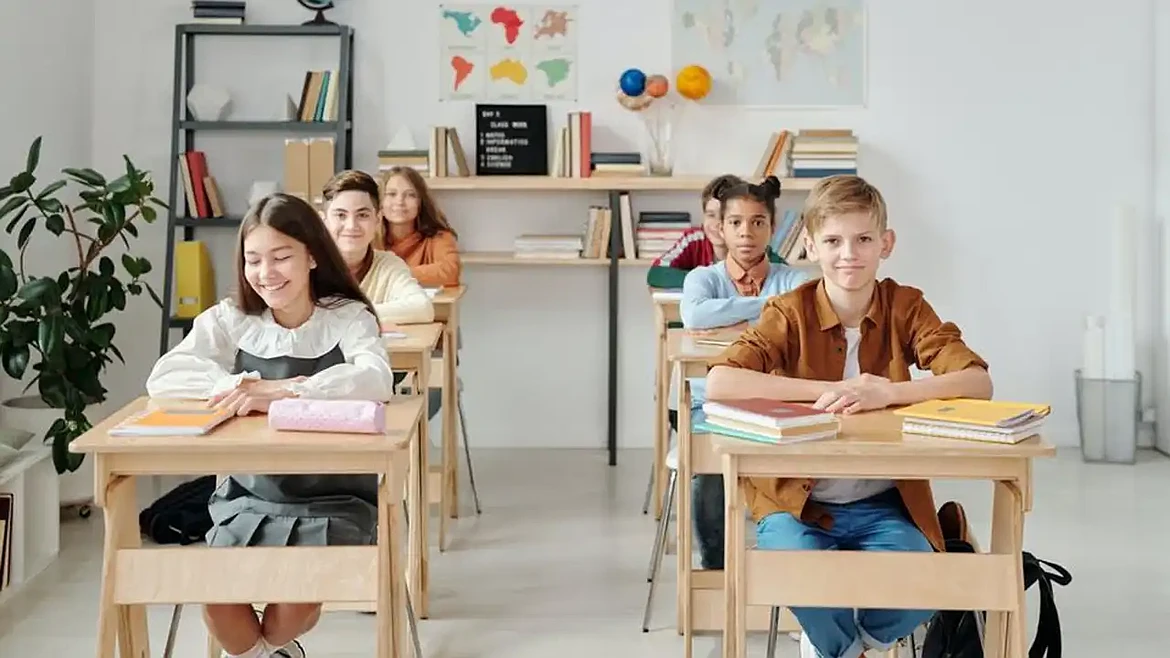
Traditional classrooms are making a comeback in American education. Traditional schooling offers more student engagement in classrooms, better classroom discipline techniques, and numerous other benefits that appeal to families who want a simplified, structured education for their children.
The Hechinger Report stresses that there has been a significant uptick in bad student behavior. As a result, teachers struggle more than ever to maintain their classrooms, but controlling wayward students can result in disruptions and lost learning time.
Enter traditional schooling, which is a method that stresses back-to-basics and allows students to learn in a rigorous, engaging environment.
What Is the Difference Between Traditional and Modern Classrooms?
Traditional classrooms have key differences from modern approaches to education. While newer methods heavily integrate technology and alternative learning methods, traditional education focuses on core learning and cultivating a safe environment for students.
What Are Five Traditional Approaches in the Classroom?
What exactly makes a classroom traditional? Here are five features that you may notice in a traditional classroom setting.
1. Limited Technology Usage
Traditional schools understand the importance of technology in everyday life, but do not use it beyond its basic functions. Training students in computer skills is crucial for school and career development.
However, tablets and other forms of digital learning can be hindrances, rather than advantages. Students work with laptops that have limited functions, such as Chromebooks, to work on assignments without distractions.
Devices often have security measures to promote safe computer use and help students stay focused on coursework, rather than social media or gaming websites.
2. Focus on Core Subjects
Much of modern schooling has become overly complicated, focusing on complex educational programs rather than the basics. Traditional schools implement a curriculum that emphasizes subjects such as:
- English learning and language arts
- Math
- Science
- Music
- Art
- Physical science
3. Meaningful Extracurriculars
Traditional schools understand the importance of extracurricular activities for a well-rounded education. Activities such as art class encourage students to express their creativity while learning about art history and foundational elements of art theory.
Students who are interested in music can take advantage of programs that teach music theory and history, as well as classical musical education. In-school music teachers incorporate lessons into the day, making it easier for students to practice.
Physical fitness is vital to students' overall health. Traditional schooling features a multitude of physical education classes, from aerobic conditioning to healthy life skills.
4. Comprehensive English Language Arts Programs
With the emphasis on STEM programs in recent years, soft skills and liberal arts subjects have taken a hit in modern education. Traditional schools have plenty of resources to equip students with a solid foundation for English and language arts.
Traditional schools understand that students must excel in reading and writing as a base for all other areas of academia. English education includes:
- Vocabulary
- Reading
- Oral communication
- Composition and writing
- Reading literature
5. A Safe Schooling Environment
A safe campus is crucial with the number of threats that schools face every day. Traditional schools keep students on campus all day long, ensuring both safety and security.
At traditional schools, cleanliness is as important as any other feature. Clean learning areas help reduce accidents and injuries, and also limit the spread of infections and viruses.
The Benefits of Traditional Education
If you are considering traditional education for your child, you may wonder about the specific benefits that it has over regular school. Advantages help students to thrive in school, not just survive.
Fewer Distractions
Limited technology usage means that students can focus more on the curriculum. Doing activities by hand rather than constantly using a computer or tablet encourages muscle memory and helps students retain information.
Opportunities for Socialization
Traditional education emphasizes group and partner activities for student engagement in classrooms. Peers can work together to achieve a common goal, or work with students they may not usually talk to.
A Solid Educational Foundation
Focusing on core subjects allows students to obtain a wide breadth of knowledge that serves as a foundation for their future, whether that is going straight into their careers or going to college.
Frequently Asked Questions
Why Are More Parents Opting for Traditional Schooling?
While there have been many innovations in education over the past few decades, they have delivered somewhat mixed results. Many parents find that modern methods do not give children the level of instruction and discipline required to succeed academically and prepare for further learning or careers.
Lenient parenting trends have also led to more disruptive students in the classroom, which can negatively affect those who want to learn. In a traditional setting, classroom discipline techniques reinforce rules and discourage students from negative actions.
Traditional schools also promote lifelong learning, encouraging students to discover their passions and interests both inside and outside of school. They instill good morals and values in students to create well-rounded citizens, which can positively affect student behavior at home.
Does Traditional Schooling Adequately Prepare Students for College?
Yes. Traditional schools give students a well-rounded education, which can prepare them for a variety of different college classes.
Additionally, many of the soft skills acquired in traditional schools can help students advocate for themselves and form connections in college and beyond. Encouraging independence allows students to rely on their skills, rather than asking teachers or parents for help.
Teachers who provide rigorous deadlines and structure for their students help those students to develop skills that will serve them in more flexible college environments. Study habits are ingrained, making the transition from high school to college easier.
Traditional education in Laveen offers accelerated coursework for students who need advanced classes. A higher level of learning better prepares traditional students for college-level coursework.
Consider Traditional Classrooms for Your Child's Education
Traditional classrooms are a back-to-basics option for parents who seek a more streamlined focus for their children's education. With this guide, you can determine if traditional learning is the right solution for your child.
Would you like to learn more about how to shape your child's education? Take a look around our website for more tips and guides.
This article was prepared by an independent contributor which helps us continue delivering quality content to our audiences.