
How weather, water, and terrain can change farmland projects
Amy Kang | Bonner County Daily Bee | UPDATED 6 months AGO
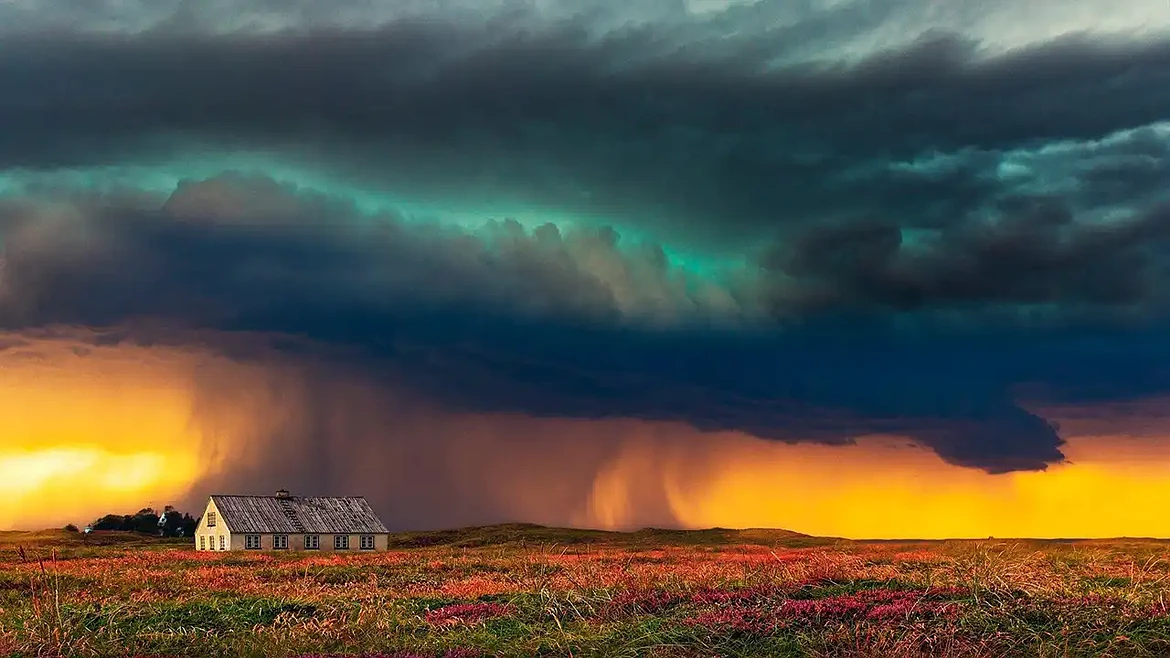
Water, weather, and terrain often dictate infrastructure needs, crop suitability, and long-term sustainability. These factors can change how you handle farmland projects. Before you start your projects, consider the drainage, the land's topography, and the soil quality to ensure your land developments are feasible.
As per Deloitte, the construction market worldwide is expected to reach US$16.11 trillion by 2030. If you're embarking on agricultural construction, you're contributing to this growth. Farmland construction projects can excite and overwhelm you.
Whether you're building a greenhouse or a new barn, you need to assess the weather, water, and terrain. This careful planning is vital for the success of your project.
What Is the Meaning of Farmland Construction Projects?
Farmland construction projects are a series of construction tasks you undertake over a temporary timeframe. This modern farming system offers the right infrastructure to support your agricultural activities. Some constructions you can erect on your space include:
- Barn construction
- Greenhouse construction
- Storage buildings
- Livestock facilities
- Equipment sheds
Having these facilities can improve your productivity, efficiency, and sustainability. However, before you get Ring-O-Matic vacuum excavation to clear the construction site, you must evaluate your terrain, drainage, and the impact of the elements.
How Does Weather Affect Agricultural Construction Projects?
Weather conditions play an important role in every phase of a new construction project. From start to finish, the elements will determine whether you have a smooth process or bring in challenges. Here are the weather factors that can affect your farmland projects:
Temperature
Too much cold or heat can affect how your materials perform. For example, concrete curing is sensitive to temperature changes, affecting its stability. Temperature can also impact the productivity of associated builders and contractors.
Rain and Snow
Rainfall and snow can delay your construction activities. During these situations, it may be hard to do outdoor work, such as foundation laying, framing, and roofing. Snow and rain also create a lot of moisture that can compromise your new construction building materials and structures.
Wind
High winds can pose serious safety risks on construction sites. The Occupational Safety and Health Administration considers high winds to be those above 40 miles per hour.
Humidity
High humidity levels can impact the drying times of plaster, concrete, and paint. As a result, you may experience delays on your projects.
How Does Water Influence Farmland Projects?
When you're working on your construction project, water can be your enemy. Here is how:
Flood Risk and Soil Saturation
Constructing in flood-prone areas means you have to worry about water damage affecting your structure. If you want to build in clay-rich soils and high water tables, you need to think about soil saturation issues.
You need to address these concerns before you start your land renovation to avoid trouble down the line. Before breaking ground, conduct proper site selection and preparation. If your spot is prone to floods and soil saturation, set up measures to ensure stability and safety.
Foundation and Structural Integrity
Your foundation is the cornerstone of your farmland construction project. Unfortunately, water can pose a big threat to its integrity through erosion and hydrostatic pressure.
Material Degradation
Water can negatively impact construction materials, causing degradation. If your construction materials face prolonged exposure to moisture, they can cause molds and wood rot. Metals exposed to moisture also corrode.
As you plan your land developments, use treated lumber. You can also use corrosion-resistant materials and protective coatings to reduce the risk of moisture damage.
How Does Topography Impact Architectural Design?
When it comes to constructing buildings on your farmland, the terrain is important. Here is how it can impact your building plans:
Site Analysis and Design Integration
Your terrain gives architects information about your land's slopes, contours, and elevation changes. Site analysis is important because it will help your contractors to integrate these natural features into your construction design. Topographical surveys can help with land restoration and finding ways your building will harmonize with the farmland.
Foundation Design
The terrain directly affects the foundation design of your farm building. If your land is on uneven terrain, associated builders and contractors must make foundations that support your building's structure and distribute its weight effectively. For steeper slopes, you may need deep foundation systems and retaining walls for safety and stability.
Drainage and Erosion Control
Your terrain also affects water flow and drainage patterns on your farmland. Builders must consider how rain and runoff will affect the surroundings of the building. With good drainage systems, you can stop:
- Erosion
- Flooding
- Water damage to the structure
Use drainage solutions that focus on your terrain. It can help you maintain the building's integrity. This process also ensures the safety of its occupants.
Frequently Asked Questions
What Is Farmland Development?
Farmland development involves changing or improving the use of agricultural land. This process helps it become productive, valuable, and more useful. Some processes of farmland development include:
- Cutting down the overgrown fields
- Boosting the soil conditions
- Adding infrastructure
- Diversifying land use, such as renewable energy projects
With proactive farmland development, you can get financial returns. Additionally, you get to build a sustainable future.
What Is the Best Method of Maintaining Farm Buildings?
Agricultural buildings are an important aspect of your farm. They help shelter your crop yield, livestock, and equipment. Over time, you need to maintain these structures to ensure they perform efficiently.
Routine inspections will help you identify any problems before they worsen. You should also perform pest control to reduce damage from termites.
How Can You Make Your Farm More Efficient?
If you're a farmer, you don't have enough time or money to handle everything. To make things easier, you can mechanize planting and harvesting.
You can also invest in a flame weeder. This equipment can burn developing weeds with a small flame. As a result, it causes damage at the cellular level and stops growth.
For your compost, you can use a compost accelerator. This tool helps shorten organic decomposition time. Aside from compost, you can plant cover crops to boost fertility.
Elevate Your Farmland Projects With Modern Construction Practices
Farmland projects take your farm to the next level. They can help you boost agricultural productivity, sustainability, and land value through renovations. With land developments, you can increase your ROI.
Subscribe to our newsletter for more farmland tips.
This article was prepared by an independent contributor which helps us continue delivering quality content to our audiences.