
Why direct mail is making a comeback in offline marketing
Boom Shikha | Coeur d'Alene Press | UPDATED 1 month, 1 week AGO
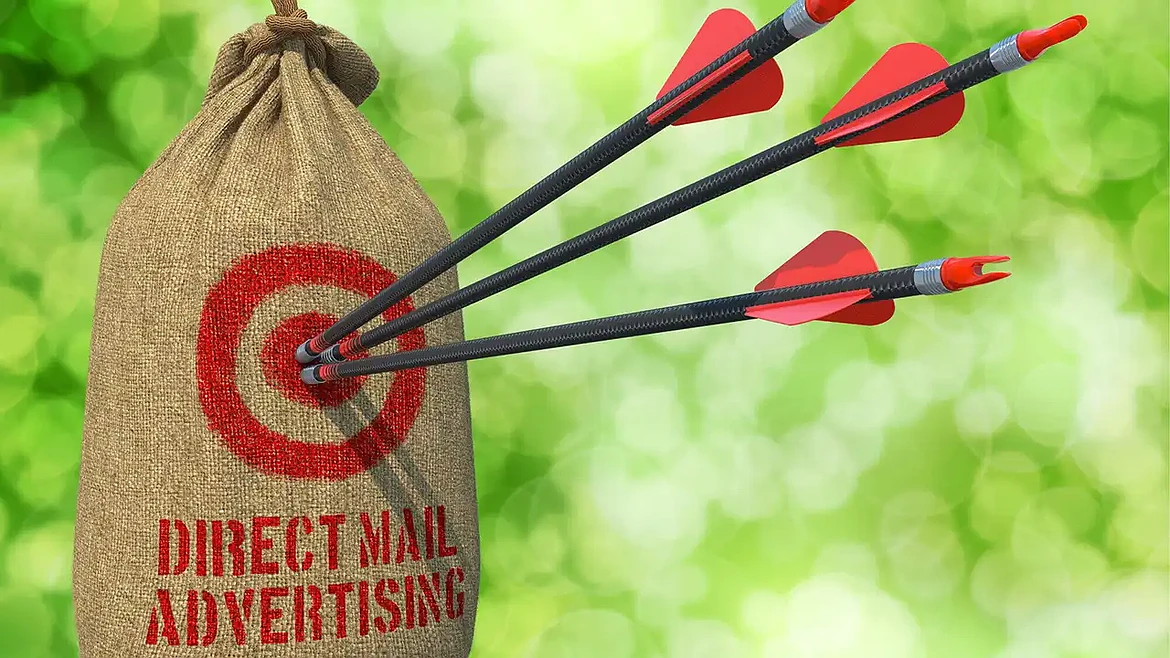
Some factors that play into offline marketing becoming more widespread are the need to cut through digital noise, trying to provide a more tangible experience, and the ease of integration with digital marketing.
It's interesting to think that a few years ago, everyone imagined that the age of paper was dead. Everyone imagined that online marketing would predominate and people would stop using mailings altogether.
However, the world always comes full circle, and direct mail advertising is gaining popularity again among marketing strategists across the US. There are many reasons for this, and marketing teams need to stand up and take notice.
Cutting Through Digital Noise
How much time do you think your target audience spends online? According to Fox News, Americans spend over 10 hours every day online, 5.4 hours browsing and 5 hours streaming.
In that time, audiences are targeted with hundreds of ads from many different businesses, all clamoring to get a fraction of their attention. It can be quite overwhelming. No wonder a lot of folks turn off ads on their computers or phones using ad blockers and other such digital tools.
If you are feeling like you are advertising to your target audience, but no one's paying attention, it could be that the digital noise is just getting to them. It's time to move to offline marketing to make a difference.
Your customers aren't used to receiving mailings from businesses, so it's a great way to get to them without competing with all that digital noise.
A Tangible and Memorable Experience
When was the last time you received a postcard or a letter from a friend or business? You probably felt quite awestruck by the experience, as it's definitely not common nowadays.
That's the kind of tangible and memorable experience you want to create for your customers using direct mail advertising. There are many examples of direct marketing online that folks share with delight because they are just such a rare experience for the modern populace.
If you can send out postcards that look like they came from a friend or a letter that looks handwritten, that would be even more enticing to your target audience.
Improved Targeting and Personalization
Yes, you probably received emails from businesses that had your name on them, and a bit of personalization, but it feels fake from the get-go.
That's why it's important to utilize the power of direct mail advertising and personalize mailings as much as you can. Personalization can increase engagement rates and improve response rates.
Advances in data analytics allow businesses to target specific audiences with precision. Companies can tailor messages based on demographics, purchasing behavior, and customer preferences.
Audiences don't just feel like another name on a mailing list, but more akin to a friend or acquaintance with the businesses that send them these kinds of personalized mailings.
Integration with Digital Marketing
The brilliant thing about direct mail is that you don't have to give up on digital marketing completely. Of course, digital marketing still has to be a major part of your marketing strategy, but you can make the online and offline bits work together.
For example, you could have a QR code on your postcard mailings that directs people over to a website that allows them to sign up for a free offer or an email list. The integration of the two worlds is what makes offline marketing so much more successful than before.
By bridging the gap between offline and online marketing, direct mail becomes part of a broader, more cohesive strategy.
Higher Trust and Credibility
Online scams are on the rise, and audiences are wary of receiving emails, even if they seem like they are coming from legitimate businesses. It's important to protect consumers from such trepidation or anxiety by using offline marketing.
Receiving a professionally designed mail piece from a legitimate business can create a sense of credibility. This is especially important for industries where trust plays a major role in decision-making, such as finance, healthcare, and real estate.
It's important to reassure your target audience that their information is safe with you and not to abuse their home address, phone number, or other such information by spamming them with mailings or emails.
Unsure where to start with your offline marketing campaign? Here are some EDDM postcard mailing campaign tips for you to incorporate into your marketing strategy.
Frequently Asked Questions
Is There Less Competition in the Mailbox?
Yes, indeed, there is! Most businesses have moved over to online marketing because it's cheaper and easier in some ways. However, they aren't getting the same results as they did ten years ago.
If you wish to avoid wasting time on sending out emails that aren't converting, it's important to switch over to offline marketing before it becomes overflooded with businesses as well.
How Often Should a Business Send Direct Mail to a Customer?
Spam is very possible with direct mail as well. You do not want your customers to feel overwhelmed with your direct mail campaigns and start throwing out your mailings as soon as they see your business name on it.
Keep your direct mailings to once a month at most, or even every three to six months for best results. This will keep you on top of your target audience's minds, but not make them feel like you are spamming them with the same message over and over again.
Changing the kind of mailings you use will also help. You can use postcards in one mailing, and then, in the next, try a brochure or a letter.
Offline Marketing Is the Next Big Thing
It's important to stay on top of marketing trends as consumers get bored quickly and move on to the next big thing. If you wish to get to your audience without giving in to the digital noise and overwhelm, then it's time to try offline marketing.
Direct mail advertising is easy to add to your marketing strategy, and you can start sending out mailings in a few days.
Please check out related articles on our website for more interesting content.
This article was prepared by an independent contributor which helps us continue delivering quality content to our audiences.