
Sleep Diagnostic Center to close after doctor’s sentencing
NANCE BESTON | Hagadone News Network | UPDATED 3 months, 2 weeks AGO

MOSES LAKE — The Central Washington Sleep Diagnostic Center announced it will be closing its doors effective April 30. This includes locations in Moses Lake, Spokane Valley, Brewster and Wenatchee.
The announcement follows the March 25 guilty plea from Dr. Eric Edward Haeger, 57, in United States District Court to adulterating and misbranding medical devices with the intent to defraud or mislead, according to a statement from the U.S. Attorney’s Office.
“The adulterations by Dr Haeger show a dangerous disregard for the safety of his patients,” Washington Attorney General Nick Brown said in a statement. “This is a win for patient safety, for protecting public dollars from fraud, and for ensuring citizens of Washington get necessary healthcare. This case exemplifies the great work our team is doing in collaboration with our federal partners to fight fraud and protect Washingtonians.”
Judge Rebecca L. Pennell sentenced Haeger to 366 days in federal prison, followed by a one-year term of supervised release. Haeger must also pay a $60,000 fine and around $350,000 in restitution.
“Dr. Haeger’s whole mission was trying to serve underserved communities in rural Washington,” Haeger’s attorney Jeff Coopersmith said. “He is devastated he will not be able to do that anymore.”
Beginning in June 2021, Philips Respironics initiated a recall of specific CPAP and BiPAP devices due to potential risks associated with the foam used for sound reduction. The potential health risks identified at the time included inflammatory response, asthma, nausea, vomiting, and toxic or cancer-causing effects, according to the statement from the U.S. Attorney’s Office.
Based on documents provided to the court, between July 2021 and July 2023, Haeger purchased over 500 used CPAP and BiPAP devices through online resellers.
“Dr. Haeger purchased these devices and he received legal advice that if he removed the foam, which had caused the recall, the devices would be okay to give to patients,” Coopersmith said. “However, the problem is changing a medical device is an adulteration offense.”
According to the U.S. Attorney’s Office statement, Haeger had others open the devices, remove the foam using various tools and then put the devices back together. The conduct had occurred in spaces that were not designed or operated as clean rooms for the purpose of manufacturing medical devices.
“The FDA is committed to protecting patients from adulterated and misbranded medical devices that may compromise health and safety,” Special Agent in Charge Robert Iwanicki, FDA Office of Criminal Investigations, Los Angeles Field Office wrote in a statement. “This case demonstrates the serious consequences of altering recalled medical devices and misrepresenting them to patients and healthcare programs.”
Following that, under Haeger’s direction, staff would provide used, recalled and adulterated devices to patients, including Medicaid patients, according to the U.S. Attorney’s Office.
“Dr. Haeger violated the trust of his patients who were misled into believing Dr. Haeger was providing them with safe and reliable medical equipment,” First Assistant United States Attorney Pete Serrano said in a statement. “Instead, Dr. Haeger devised an extensive scheme to defraud his patients and Medicaid, prioritizing profit over patient health and safety. Conduct that puts profits over patients is egregious, and my office will continue to prosecute such cases.”
Staff at the sleep clinic, under his direction, billed the used devices to Medicaid with false representation that they were new devices in good working order, according to the U.S. Attorney’s Office.
“Dr. Haeger believed this benefited patients and at the time, did not realize he was in violation of FDA laws,” Coopersmith said. “Dr. Haeger was not ensuring staff were billing the devices correctly.”
During sentencing, the court concluded Haeger had adulterated and provided 440 devices to patients. These devices were then billed to Medicaid for over $600,000, of which around $440,000 was paid to Haeger.
Prosecutors argued each of these devices presented potential harm to patients because the adulteration increased the chance of inhaling harmful particles. They also argued the devices were altered from the FDA approved standard, which could have caused additional problems including overheating.
“As a physician, Dr. Haeger knew he had a responsibility to act in the best interest of patients who trusted him with their health,” W. Mike Herrington, Special Agent in Charge of the FBI Seattle field office, said in a statement. “Instead, he risked the safety of hundreds of Medicaid patients by issuing them recalled medical devices he had tampered with, then fraudulently billing Medicaid representing the machines as new. Even worse, these Medicaid patients had limited treatment options, and he took advantage of their vulnerability for his own gain. Together with our state and federal partners, the FBI will hold accountable fraudsters who choose greed over their patients’ health.”
During the sentencing, Judge Pennell said Haeger’s conduct was ongoing and extensive. She said he continued to blame others for his own decisions. She said his conduct created potential harm for his patients with the potential for contamination. She also stated his conduct could undermine confidence in medical professionals and medical institutions, which could heighten anxiety for those seeking medical treatment when they are unsure they can trust their own doctors, according to the statement from the U.S. Attorney’s Office.
“The whole situation is really unfortunate; he got legal advice that told him this would be okay. No patients were harmed directly, and the end result is that these underserved communities won’t be served by these sleep clinics anymore,” Coopersmith said.
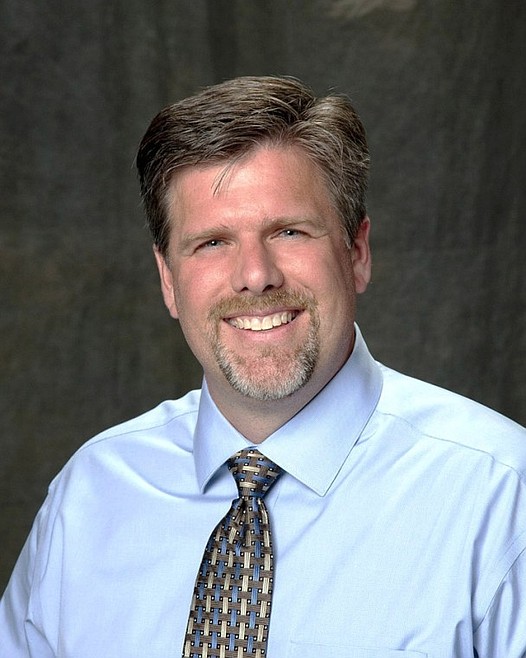
 Dr. Eric Haeger
ARTICLES BY NANCE BESTON

Grant County Sheriff candidates discuss transparency, trust
EPHRATA — As Grant County voters prepare to submit their primary ballots, three candidates are vying for the position as Grant County Sheriff including incumbent Joey Kriete and challengers Josh Sainsbury and Darrick Gregg are competing in the upcoming primary election. To help readers compare the candidates' priorities, qualifications and plans for the office, each was asked the same question and given an equal opportunity to respond.

Grant County Commissioner candidates deliberate fiscal responsibility, budgeting
EPHRATA — Four Republicans are seeking election to Grant County Commissioner Position 3 in the upcoming primary: Shannon Durfee, Kelly Raap, Seth Weeks and Janice Flynn. To give voters a clear comparison of the candidates' positions and priorities, each was asked the same set of questions and provided the same deadline to respond. Durfee, Raap and Flynn submitted responses by the deadline; Weeks did not respond.

Sheriff candidates discuss staffing, retention
EPHRATA — As Grant County voters prepare to select their next sheriff, incumbent Joey Kriete and challengers Josh Sainsbury and Darrick Gregg are competing in the upcoming primary election. To help readers compare the candidates' priorities, qualifications and plans for the office, each was asked the same question and given an equal opportunity to respond. This installment focuses on one of the most pressing challenges facing law enforcement agencies: recruiting, retaining and supporting qualified staff within the Grant County Sheriff's Office.