
The psychology of clutter: How a tidy space boosts mental health
April D. Lee | Bonner County Daily Bee | UPDATED 1 month AGO
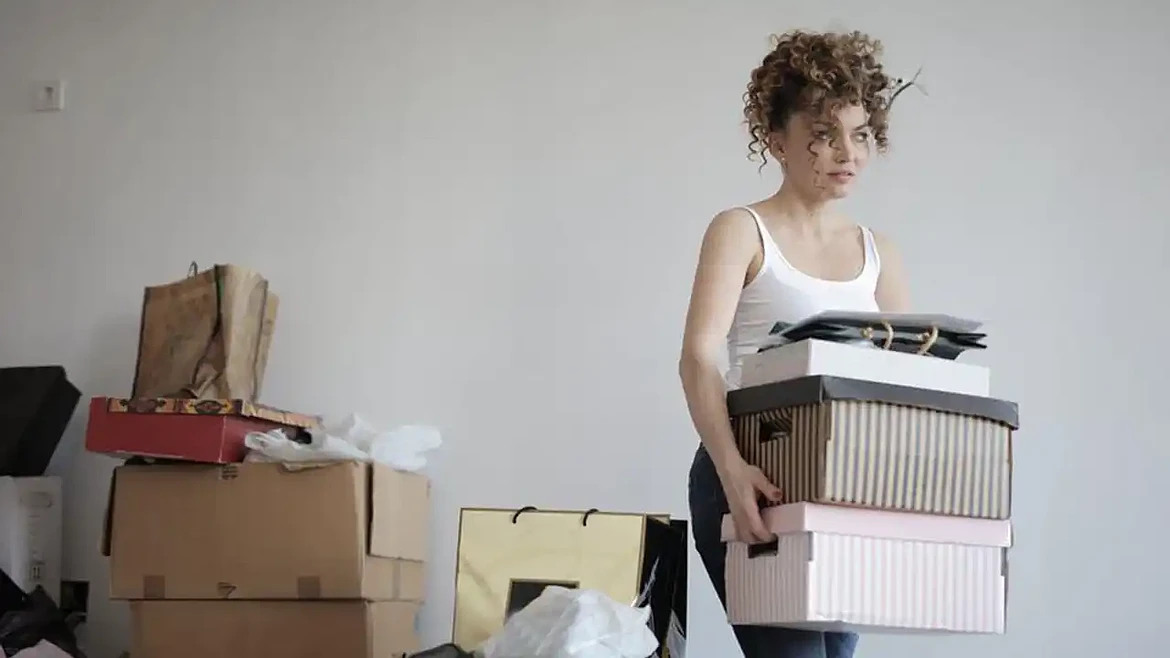
Clutter can affect mood, focus, stress, and even sleep. A tidier space often supports a calmer mind because the brain has fewer distractions to manage and fewer unfinished tasks to process.
A crowded room can quietly shape how a person feels all day. Piles on the counter, an overfilled closet, or a desk covered in loose papers may look like a simple housekeeping issue, yet the mental toll can be much deeper. A tidy space often gives the brain more room to rest and focus.
People often notice the emotional shift right away. A cleaner room can feel lighter and easier to navigate.
Attention sharpens. Stress eases. Motivation improves.
Growing research on the psychology of home environments shows that physical surroundings can influence mental well-being in powerful ways.
Does Clutter Affect Mental Health?
Yes. Clutter can:
- Raise stress
- Drain attention
- Create a steady feeling of mental overload
Visual disorder competes for the brain's attention, which makes it harder to focus on one task at a time. A messy environment can also act like a reminder of:
- Unfinished decisions
- Delayed chores
- Responsibilities that are still waiting
The impact of clutter on well-being often shows up in simple daily moments, such as:
- People may feel tense when they walk into a packed room.
- People may avoid inviting others over.
- People may lose time looking for misplaced items.
Small frustrations can build into mental fatigue over time. Clutter is often connected with:
- Higher stress levels
- Lower concentration
- More shame or guilt about the home
- Poorer sleep in overly messy bedrooms
- Reduced sense of control
Why Does Clutter Make You Feel Anxious?
Clutter can make people feel anxious because the brain prefers order, which it can quickly understand. A chaotic room asks the mind to:
- Sort
- Ignore
- Track too many things at once
Every visible item can feel like a tiny demand for attention.
The psychological effects of clutter also involve emotion. Objects often carry:
- Memory
- Money
- Identity
- Obligation
A stack of unopened mail may represent avoidance. Boxes from a move may represent unfinished change. Old belongings may carry guilt about waste or fear of letting go.
The result is not just visual noise. The result is emotional noise.
Decision fatigue also plays a role. Each item requires a choice:
- Keep it
- Move it
- Donate it
- File it
- Throw it away
After dozens of choices, people often shut down and walk away. Anxiety grows when a room feels impossible to fix in one sitting.
How a Tidy Space Supports a Healthier Mind
A more organized home does not promise perfect mental health. It can, however, support better daily functioning. The mental health benefits of tidying often come from reducing overload and improving routine.
Let's take a closer look at how tidiness supports a healthier mind.
Better Focus and Clearer Thinking
A tidier room gives the brain fewer competing signals. Work becomes easier to start.
Reading, planning, and problem-solving often feel less draining. Many people find that one clean surface can improve productivity faster than expected.
Lower Stress and More Calm
Order can create a stronger sense of control. Daily life already brings pressure. Home should not add another layer of strain.
Improved Sleep and Daily Rhythms
Bedrooms filled with laundry, devices, and random items can feel stimulating instead of restful. A cleaner sleep space often supports better wind-down habits. Strong evening routines also become easier when the room feels settled.
More Comfort in Relationships
Shared spaces affect more than one person. Clutter can trigger conflict when one person feels burdened, and another feels stuck. Clear systems for storage, chores, and shared zones can reduce friction and support organizing for mental well-being across the household.
Practical Decluttering Steps That Protect Mental Clarity
Big cleanouts can feel overwhelming. Steady progress usually works better. The best decluttering tips for mental clarity are simple enough to repeat.
Start With What You See Every Day
Focus first on the spaces that create the most stress, such as the:
- Kitchen counter
- Entry table
- Bathroom sink
- Bedroom floor
Fast wins build momentum.
Use Short Time Blocks
Set a timer for 10 to 20 minutes. Short sessions reduce dread and make the task easier to begin. Progress matters more than perfection.
Create Limits, Not Just Storage
Bins and baskets help, but limits matter more. A full drawer, one donation bag, or one shelf boundary can stop overflow before it spreads.
People dealing with moves, renovations, or inherited items may also use top-rated self storage facilities in Washington while they sort decisions in stages.
Make Items Easier to Return
Homes stay tidier when storage is simple. Open baskets, labeled containers, and easy-access shelves reduce daily friction and support lasting habits.
Frequently Asked Questions
Can Digital Clutter Affect Mental Health Too?
Yes. A phone full of unread alerts, a crowded desktop, and hundreds of open tabs can create the same kind of mental drag as a physical mess.
Digital clutter:
- Interrupts attention
- Increases task-switching
- Makes rest feel less complete
Clear folders, fewer notifications, and regular inbox cleanup can reduce background stress.
Why Are Sentimental Items Harder to Declutter?
Sentimental objects often hold identity, memory, and family meaning. Letting go can feel like losing proof of an experience or relationship. A better approach is to choose a few meaningful items to display or protect, then release the rest without guilt.
Photos of items can also preserve memories without keeping every object. Setting clear limits on keepsakes can help preserve memories without creating more overwhelm.
When Is Clutter a Sign of a Deeper Problem?
Clutter may signal burnout, grief, depression, ADHD-related struggles, or major life transition stress when it becomes persistent and unmanageable. Shame, avoidance, and exhaustion can make simple organizing tasks feel huge.
Support from a therapist, doctor, or professional organizer may help when home conditions begin to affect:
- Safety
- Hygiene
- Relationships
- Daily function
Take Control of Clutter and Explore More Wellness Guides
A peaceful home free of clutter often begins with one clear surface, one short session, and one decision at a time. The goal is not a perfect house. The goal is a space that helps you think clearly, rest better, and feel more at ease.
Continue exploring our website for more practical insight from our other guides, articles, and the latest news story updates.
This article was prepared by an independent contributor which helps us continue delivering quality content to our audiences.